

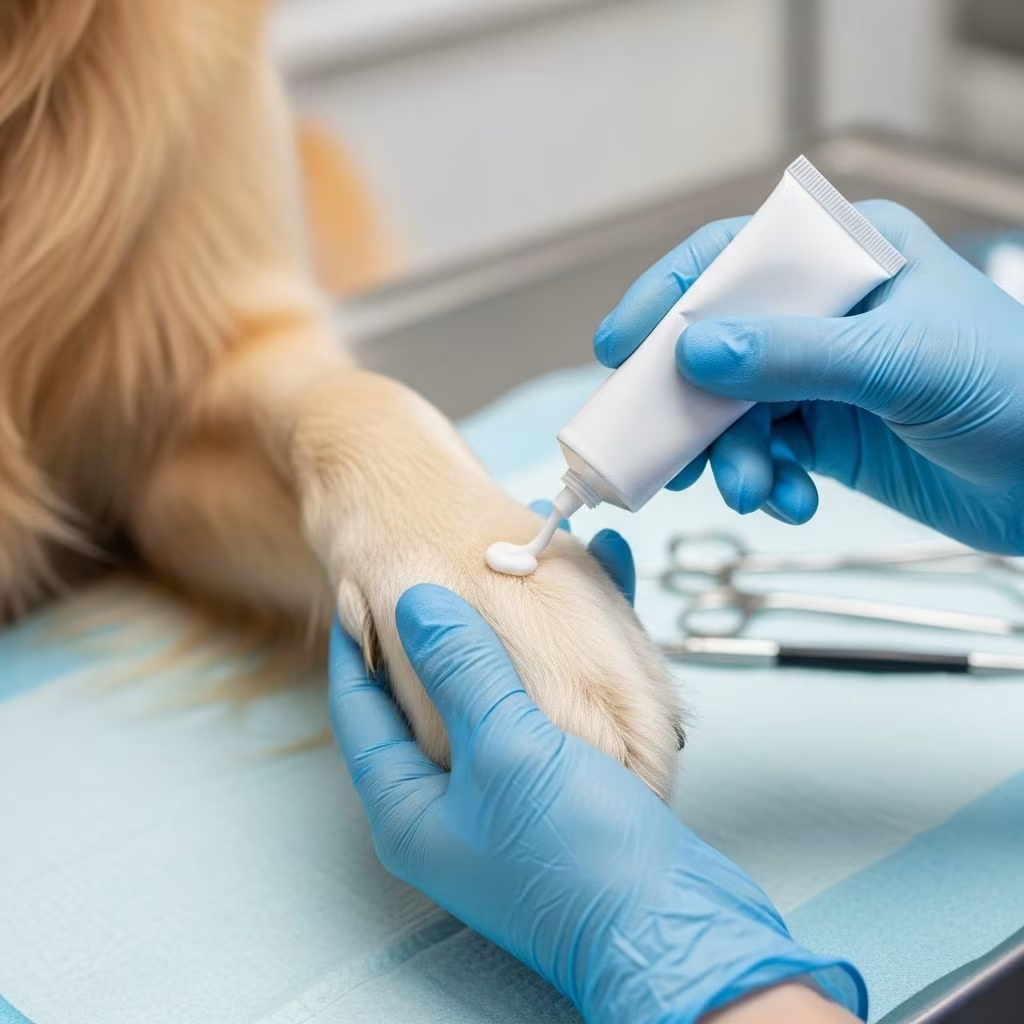
Understanding Nystatin Combination Topical Medication
Nystatin, neomycin sulfate, thiostrepton, and triamcinolone topical/otic medication represents a sophisticated combination therapy approach in veterinary medicine. This medication, commonly known by brand names including Animax®, Dermalog®, Panalog®, and Quadritop®, combines three distinct therapeutic components: an antimicrobial agent (neomycin sulfate and thiostrepton), an antifungal medication (nystatin), and a steroid (triamcinolone). The synergistic action of these ingredients makes it an effective treatment option for various infectious and inflammatory conditions affecting the skin, ears, and anal glands in both cats and dogs.
The FDA has approved this combination topical medication for use in dogs and cats to treat infectious and inflammatory conditions. The versatility of this formulation allows veterinarians to address multiple types of infections simultaneously, making it a practical choice for complex dermatological conditions.
What Is Nystatin Combination Topical?
Nystatin combination topical is a composite medication containing four active pharmaceutical ingredients that work together to combat different aspects of skin, ear, and anal gland infections. Understanding each component is essential for pet owners to appreciate how this medication functions and why it may be prescribed by their veterinarian.
Active Ingredients and Their Functions
Nystatin is a broad-spectrum antifungal antibiotic that disrupts the fungal cell membrane, effectively killing fungal organisms including Candida albicans and various dermatophytes. This antifungal component makes the medication particularly useful for treating ringworm (dermatophytosis) and other yeast-related skin conditions.
Neomycin sulfate is an aminoglycoside antibiotic that prevents bacterial growth by inhibiting protein synthesis in susceptible bacteria. Because neomycin is poorly absorbed through intact skin, it remains localized on the skin surface, making it highly effective against superficial bacterial infections.
Thiostrepton is a natural cyclic oligopeptide antibiotic that provides additional antibacterial coverage, particularly against gram-positive bacteria. This ingredient enhances the antimicrobial spectrum of the combination formulation.
Triamcinolone acetonide is a corticosteroid that reduces inflammation and provides relief from itching and discomfort associated with skin infections and inflammatory conditions. The steroid component helps manage the inflammatory response while other ingredients address the underlying infection.
Medical Applications and Uses
Veterinarians prescribe nystatin combination topical medication for a variety of conditions affecting the skin, ears, and anal glands. The multi-action formula allows treatment of conditions that may involve both bacterial and fungal components simultaneously.
Primary Treatment Indications
Skin Infections: This medication is commonly prescribed for superficial skin infections caused by susceptible bacteria and fungi. Interdigital cysts—infections occurring between the toes of dogs and cats—respond well to this topical therapy. Additionally, the medication addresses generalized skin infections where both bacterial and fungal components are present.
Ear Infections: Acute otitis externa (inflammation and infection of the external ear canal) represents one of the primary indications for this medication. The otic formulation can be applied directly into the ear canal, and it may also be used in certain chronic ear infection cases, particularly when multiple organisms are involved.
Anal Gland Infections: Dogs and cats can develop infections of the anal glands, which may benefit from topical application of this medication. The combination therapy addresses both the infectious organisms and inflammatory response associated with these conditions.
How This Medication Works
The effectiveness of nystatin combination topical medication stems from its multi-component approach. Rather than addressing only one aspect of an infection, this combination therapy targets bacterial pathogens, fungal organisms, and the inflammatory response simultaneously.
Nystatin interferes with the cell membrane of fungal organisms, essentially weakening and destroying the structural integrity of the fungal cell wall. This action is particularly effective against Candida species, which commonly complicate infections of the ears, mouth, and skin. Neomycin and thiostrepton work synergistically to suppress bacterial growth, preventing the reproduction of susceptible bacteria. Triamcinolone reduces inflammation by suppressing the immune response at the site of infection, thereby reducing redness, swelling, itching, and discomfort that accompanies skin and ear infections.
This combination approach addresses the complete clinical picture: eliminating the organisms causing infection while simultaneously reducing the inflammatory symptoms that cause pet discomfort.
Dosage and Administration Guidelines
Proper administration of nystatin combination topical medication is crucial for optimal treatment outcomes. Pet owners must follow veterinary instructions precisely to ensure effectiveness and minimize the risk of incomplete treatment or recurring infections.
Standard Dosage Recommendations
For skin infections, the cream or ointment is typically applied to affected areas twice daily. Veterinarians may recommend daily to weekly medicated shampoo baths as adjunctive therapy, with the shampoo massaged thoroughly into the fur and left in contact with the skin for at least 10 minutes before rinsing with cool water.
For ear infections, the typical dose ranges from three to five drops in the ear canal twice daily, generally for a seven-day course, though veterinarians may adjust this based on individual cases.
Application Instructions
Before applying the medication, trim hair at the application site only as necessary to allow direct contact between the medication and the affected skin or ear area. Always check the prescription label to verify correct application technique. When applying the ointment or cream, avoid contact with the eyes, mouth, and nose. If using an ear dropper, ensure the dropper tip does not touch your pet’s skin or any other surface to prevent contamination.
After application, do not allow your pet to lick or chew at the treated area for at least 20 to 30 minutes. Licking and chewing can delay healing, introduce additional infection, and reduce the medication’s effectiveness. If your pet cannot refrain from disturbing the treated area, your veterinarian may recommend using an Elizabethan collar (cone) to prevent access.
Always wash your hands thoroughly after applying the medication, or consider wearing latex gloves during application to prevent absorption through your own skin and to maintain proper hygiene.
Treatment Duration and Compliance
Pet owners must administer this medication for the entire duration prescribed by their veterinarian, even if the pet appears to be feeling better. Incomplete treatment courses can result in recurrent infections, development of antibiotic resistance, and worsening of the underlying condition. Treatment courses may vary from several days to several weeks depending on the severity of the infection and the specific condition being treated.
Prescription refills may be necessary before the complete treatment course is finished. If you have questions about treatment duration or need to refill the prescription, contact your veterinarian before stopping the medication.
Onset of Action and Effects
Pet owners should understand realistic timelines for medication effectiveness. This medication typically begins having systemic effects within 1 to 2 hours of application, though visible improvements may not be immediately apparent. Most pets begin showing clinical improvement and feeling better within 1 to 2 days of starting treatment.
The effects of this medication are considered moderate in duration, generally lasting several days. However, in animals with decreased kidney or liver function, the benefits may be prolonged due to slower metabolism of the medication.
Safety Considerations and Precautions
While nystatin combination topical medication is generally well-tolerated in dogs and cats, certain precautions and contraindications must be observed to ensure safe use.
Conditions Requiring Avoidance
This medication should not be used in animals with:
- Confirmed or suspected ruptured eardrums (when treating ear infections)
- Known hypersensitivity or allergy to any of the active ingredients
- Eye involvement (the medication must never contact the eyes)
- Animals with active tuberculosis infections of the skin
Cautious Use Situations
This medication should be used with caution in:
- Animals with small body size, such as toy breed dogs
- Pets requiring treatment of large body surface areas
- Animals with history of recurring ear infections
In these situations, discuss potential risks versus benefits with your veterinarian before starting treatment. The steroid component can potentially be absorbed into the bloodstream, and chronic use may suppress adrenal gland function. This concern is particularly relevant when treating large body surface areas or in animals receiving prolonged therapy.
Side Effects and Adverse Reactions
Nystatin combination topical medication is typically well-tolerated in both dogs and cats. Most pets experience minimal or no side effects from appropriate topical use.
Common Minor Side Effects
Side effects that are usually not serious include redness or mild discomfort at the application site. These reactions often resolve without intervention as treatment continues. Pet owners should not be overly concerned about these mild signs unless they are severe, worsening, or persist as a chronic problem.
When to Contact Your Veterinarian
Contact your veterinarian if your pet experiences severe reactions at the application site or if any side effects worsen or continue to be problematic. Additionally, contact your veterinarian if the condition does not improve after the expected treatment period or if new symptoms develop during treatment.
Drug Interactions and Monitoring
No known significant drug interactions have been reported for nystatin combination topical medication. However, always inform your veterinarian about any other medications, vitamins, supplements, or herbal therapies your pet is currently receiving before starting this medication.
Your veterinarian may schedule a follow-up visit after the course of medication is complete to ensure the infection has been completely cleared and to perform additional testing if necessary. This follow-up visit helps confirm that the medication was appropriate for the specific type of infection present and allows your veterinarian to detect any recurring issues early.
Special Administration Tips
For optimal results, skin and fur should be completely dry before applying the ointment formulation. If daily medicated shampoo baths are prescribed, allow adequate drying time before applying the topical medication. When treating ear infections with the otic formulation, gently clean the outer ear area before administration if debris is present, following your veterinarian’s specific instructions.
Store the medication according to package directions, typically at room temperature away from excessive heat or moisture. Keep the medication out of reach of children and other pets.
Frequently Asked Questions
Q: Can nystatin combination topical medication be used in animals with known drug allergies?
A: Animals with known hypersensitivity or allergy to nystatin, neomycin, thiostrepton, or triamcinolone should not receive this medication. Always inform your veterinarian about any known drug allergies before starting treatment.
Q: How long does treatment typically last?
A: Treatment duration varies depending on the specific condition and its severity. Typical courses range from 7 to 14 days, though some chronic conditions may require longer treatment. Always follow your veterinarian’s specific recommendations regarding treatment duration.
Q: Can this medication be used on broken or severely irritated skin?
A: While this medication can be applied to infected areas, extensive skin damage or open wounds should be evaluated by your veterinarian first to determine if this is the appropriate treatment or if additional care is needed.
Q: What should I do if my pet ingests the medication?
A: While topical application is safe, ingestion of significant amounts could cause adverse effects. Contact your veterinarian or poison control immediately if your pet ingests the medication.
Q: Can nystatin combination topical medication be used long-term?
A: This medication is typically used for specific treatment courses rather than long-term maintenance therapy. Prolonged use, particularly for large body surface areas, requires veterinary monitoring due to potential steroid absorption.
Q: How does this combination differ from using individual medications?
A: The combination formulation delivers multiple therapeutic agents in a single application, making treatment more convenient and ensuring consistent delivery of all components. This approach is often more effective than individual treatments for mixed infections.
References
- Nystatin, Neomycin Sulfate, Thiostrepton, and Triamcinolone Topical/Otic — VCA Animal Hospitals. 2024. https://vcahospitals.com/know-your-pet/nystatin-neomycin-sulfate-thiostrepton-and-triamcinolone-topicalotic-animax
- Nystatin, Neomycin Sulfate, Thiostrepton, Triamcinolone – Topical — Lookahead Veterinary. 2024. https://www.lookaheadvet.com/medications/animax
- Animax Ointment for Dogs and Cats — PetMD. 2024. https://www.petmd.com/pet-medication/animax-ointment
- Nystatin (Panalog) for Dogs and Cats — PetPlace. 2024. https://www.petplace.com/article/drug-library/drug-library/library/nystatin-panalog-for-dogs-and-cats
- NYSTATIN AND TRIAMCINOLONE ACETONIDE ointment — U.S. National Library of Medicine DailyMed. 2024. https://dailymed.nlm.nih.gov/dailymed/drugInfo.cfm?setid=91546bba-d141-4a3b-a4e7-15de2282e7e5



