

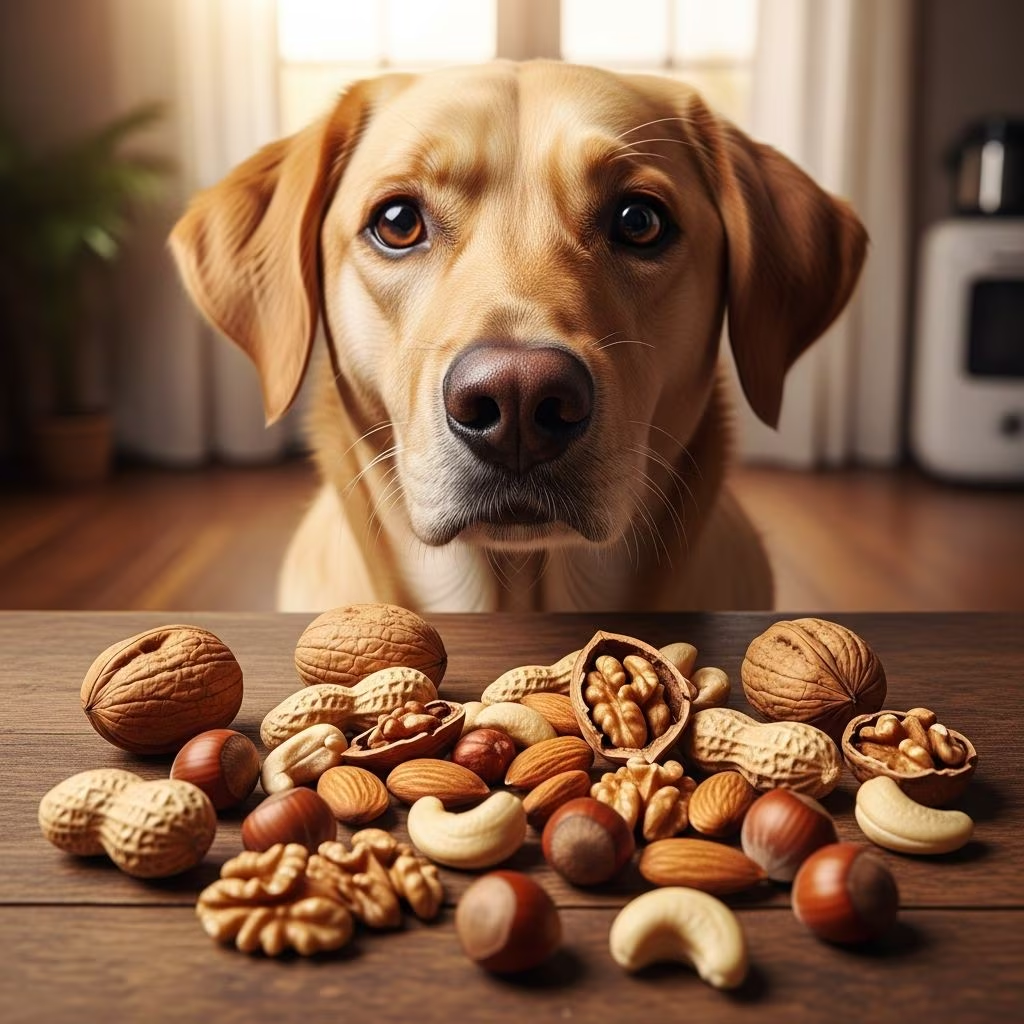
As a dog owner, you naturally want to share your favorite snacks with your furry companion. When you’re enjoying a handful of nuts, your dog may give you those irresistible puppy-dog eyes. However, before you toss even a single nut to your pup, it’s important to understand which nuts are safe, which are dangerous, and why moderation is absolutely critical. The relationship between dogs and nuts is far more complicated than a simple yes or no answer.
Understanding the Nutritional Challenge: Why Most Nuts Pose Problems
The primary issue with nuts for dogs centers on their nutritional composition. Nuts are exceptionally dense in both fat and calories, characteristics that can create serious health complications for canines. When dogs consume nuts regularly or in large quantities, their bodies struggle to process the excessive fat content, which can trigger inflammation of the pancreas—a condition known as pancreatitis.
Pancreatitis is not a minor digestive upset; it’s a painful inflammatory condition that manifests through vomiting, diarrhea, and significant discomfort for your dog. Beyond acute pancreatitis, the high caloric density of nuts means that even modest portions can contribute to unwanted weight gain. For dogs already prone to obesity or those with metabolic concerns, nuts represent a particular risk.
Additionally, the caloric load in nuts is deceptive. A single Brazil nut or a small handful of almonds may seem insignificant to you, but for a dog—especially a smaller breed—represents a substantial portion of their daily caloric intake. This concentration of calories can easily lead to obesity if nuts become regular treats rather than rare indulgences.
The Toxic Varieties: Which Nuts Are Absolutely Off-Limits
While most concerns about nuts relate to their fat content and caloric density, certain specific varieties are genuinely toxic to dogs and should never be offered under any circumstances.
Macadamia Nuts: The Most Dangerous Choice
Macadamia nuts represent the single most dangerous nut for dogs. These nuts are highly toxic, though researchers have yet to fully understand the exact mechanism behind their adverse effects on canine physiology. Even a few macadamia nuts can cause severe illness in dogs of any size.
The symptoms of macadamia nut toxicity typically emerge within 12 hours of ingestion and can be quite alarming:
- Severe muscle weakness, particularly affecting the hind legs
- Loss of coordination and balance difficulties
- Lethargy and unusual tiredness
- Vomiting and gastrointestinal distress
- Tremors or involuntary muscle shaking
- Fever and elevated body temperature
- In severe cases, seizures may occur
If you suspect your dog has consumed macadamia nuts, contact your veterinarian immediately rather than waiting to see if symptoms develop.
Walnuts and Mold-Related Toxicity
Walnuts present a dual threat to canine health. First, both black walnuts and English walnuts are susceptible to contamination with mold, which produces toxic compounds called tremorgenic mycotoxins. These mycotoxins can cause neurological issues, tremors, and even fatal consequences in dogs.
Black walnuts are particularly dangerous and should be completely avoided. English walnuts, which are more commonly found in kitchens and used for baking, pose a lesser but still significant risk. Additionally, even mold-free walnuts present problems: their hard shells and difficult digestibility can cause intestinal blockages in dogs.
Walnut poisoning symptoms are particularly serious and include:
- Excessive salivation
- Extreme fatigue
- Vomiting and nausea
- Tremors and muscle shaking
- Fever
- Seizures
- Abdominal pain
- Jaundice (yellowing of the skin and eyes)
- Liver damage
Nuts That Require Caution: Non-Toxic But Still Problematic
Beyond the truly toxic varieties, several nuts are non-toxic but nonetheless problematic for dogs. These nuts fall into a gray area where they won’t cause poisoning if accidentally consumed in small amounts, but they shouldn’t be deliberately fed to your dog.
Almonds and Digestive Complications
Almonds are technically non-toxic to dogs, but they carry multiple risks that make them unsuitable as treats. Like walnuts, almonds are prone to mold contamination and can cause digestive issues including vomiting and diarrhea. Their size also presents a choking hazard, and they are difficult for dogs to digest properly, potentially causing intestinal blockages.
Pistachios: Choking Hazards and Shell Concerns
Pistachios are not toxic to dogs, but their size and shape make them legitimate choking hazards. Additionally, the shells contain harmful fats, and pistachios are frequently sold salted, which introduces sodium concerns discussed later in this article.
Brazil Nuts: Size and Selenium Considerations
Brazil nuts are non-toxic but extremely large, posing both choking and intestinal blockage risks, particularly for small-breed dogs. Furthermore, Brazil nuts are among the fattiest nuts available, meaning even one can cause stomach upset in smaller dogs or contribute to pancreatitis in dogs with predispositions. While selenium poisoning from Brazil nuts is theoretically possible, practical cases in dogs are rare.
Chestnuts: A Relative Safer Option
American chestnuts are lower in fat than most other nuts and contain beneficial nutrients like vitamin C and fiber. However, their large size creates significant choking hazards, and they should only be offered to large dogs in tiny portions, if at all. Importantly, European or horse chestnuts are toxic to dogs and must be avoided entirely.
The Salting and Seasoning Problem
Beyond the nuts themselves, the way they’re typically prepared poses additional dangers. Most commercial nuts are heavily salted, and dogs cannot process sodium the way humans do. Excessive salt consumption can lead to water retention, electrolyte imbalances, and other complications.
Seasonings like garlic powder, onion powder, chili powder, and spices used in flavored nuts can irritate a dog’s digestive system. Honey-roasted nuts may seem like a wholesome option, but the added sugars and glazing can cause stomach upset and potentially contribute to dental problems. Always choose plain, unsalted, unseasoned nuts if you do offer them, though avoiding nuts altogether remains the safest approach.
The Mold Factor: An Underestimated Risk
One of the most serious hazards associated with nuts isn’t inherent to the nut itself but rather a byproduct of storage and processing. All nuts can develop mold, and the mycotoxins produced by these molds are particularly dangerous for dogs. Raw nuts carry a higher mold risk than roasted varieties, as the roasting process can reduce mold contamination.
If you choose to offer nuts despite these warnings, always select roasted or boiled varieties rather than raw nuts. Never offer nuts that appear discolored, smell off, or show visible signs of mold.
Safe Nuts: If You Must Offer Them
While the safest choice is to avoid nuts entirely and select alternative treats, if you choose to offer nuts to your dog, only the following varieties are relatively safer options when offered in very small quantities:
- Peanuts: Technically legumes rather than true nuts, peanuts are safe in very small quantities if they are completely unsalted and unseasoned. However, peanuts are still high in fat and calories, making them far from ideal treats.
- Cashews: Raw or dry-roasted cashews without salt can be offered in tiny amounts, though they remain high in fat and pose potential choking hazards.
Even these “safer” options should be reserved for occasional treats rather than regular snacks, and portion sizes should be minimal—ideally just one or two nuts at a time.
Common Scenarios and What To Do
Your Dog Accidentally Ate Nuts
If your dog accidentally consumed a few nuts from the floor or snagged some from your plate, don’t immediately panic. The immediate danger depends on the type and quantity consumed. If your dog ate one or two peanuts or cashews, they will likely be fine. However, if they consumed macadamia nuts, black walnuts, or a large quantity of any nuts, contact your veterinarian promptly.
Your Dog Ate an Entire Container of Nuts
This scenario warrants immediate veterinary attention. A large quantity of nuts, regardless of type, can trigger acute pancreatitis or intestinal blockage. Your vet may recommend monitoring for symptoms or, in some cases, may induce vomiting or provide other supportive care.
Better Treat Alternatives
Rather than navigating the risks associated with nuts, consider offering your dog treats that provide satisfaction and even nutritional benefits without the same hazards. Carrots, green beans, apples (without seeds), and pumpkin are all safe, lower-calorie alternatives. These options satisfy a dog’s desire to chew while providing fiber and nutrients without excessive fat or caloric density.
Frequently Asked Questions
Can I give my dog peanut butter?
Plain peanut butter without added sugar or salt can be offered occasionally in very small amounts. However, many commercial peanut butter products contain xylitol, an artificial sweetener that is extremely toxic to dogs. Always check the ingredient list carefully, and when in doubt, skip the peanut butter entirely.
What about nut oils?
Nut oils share the same high-fat characteristics as whole nuts and should be avoided. Even small amounts of nut oil can contribute to pancreatitis or gastrointestinal upset.
Are there any nuts that are truly safe for dogs?
While some nuts are non-toxic, no nut is truly “safe” as a regular treat due to fat content and choking hazards. Occasional exposure to a single peanut or cashew likely won’t cause harm, but deliberately offering nuts to your dog is unnecessary and potentially risky.
How do I know if my dog has pancreatitis from eating nuts?
Symptoms of pancreatitis include vomiting, diarrhea, abdominal pain, lethargy, and loss of appetite. These symptoms may appear within hours or days of nut consumption. Contact your veterinarian if you notice any of these signs.
The Bottom Line
While the temptation to share your snacks with your beloved dog is understandable, nuts represent more risk than reward for canine companions. The high fat content alone creates serious health concerns, certain nuts are genuinely toxic, and the potential for choking or intestinal blockage adds additional danger. Most importantly, there are numerous safer treat alternatives that provide satisfaction and even nutritional benefits without these risks. Protect your dog by keeping nuts securely stored out of reach, offering safer alternatives instead, and consulting your veterinarian before introducing any new foods to your dog’s diet.
References
- Can Dogs Eat Nuts? A Guide to Safety — Purina. https://www.purina.com/articles/dog/feeding/can-dogs-eat/nuts
- Safe and Unsafe Nuts and Seeds For Dogs & Cats — Preventive Vet. https://www.preventivevet.com/pets/safe-and-unsafe-nuts-and-seeds-for-pets
- Can Dogs Eat Nuts? — American Kennel Club. https://www.akc.org/expert-advice/nutrition/can-dogs-eat-nuts/
- Can Dogs Eat Nuts? A Guide to Safe Snacking — Pumpkin Pet Insurance. https://www.pumpkin.care/post/can-dogs-eat-nuts
- My dog has eaten nuts | Which nuts are safe for dogs to eat — Vets Now. https://www.vets-now.com/pet-care-advice/can-dogs-eat-nuts/
- Can Dogs Eat Nuts? — PetMD. https://www.petmd.com/dog/nutrition/can-dogs-eat-nuts
- People Foods to Avoid Feeding Your Pets — ASPCA. https://www.aspca.org/pet-care/aspca-poison-control/people-foods-avoid-feeding-your-pets



