

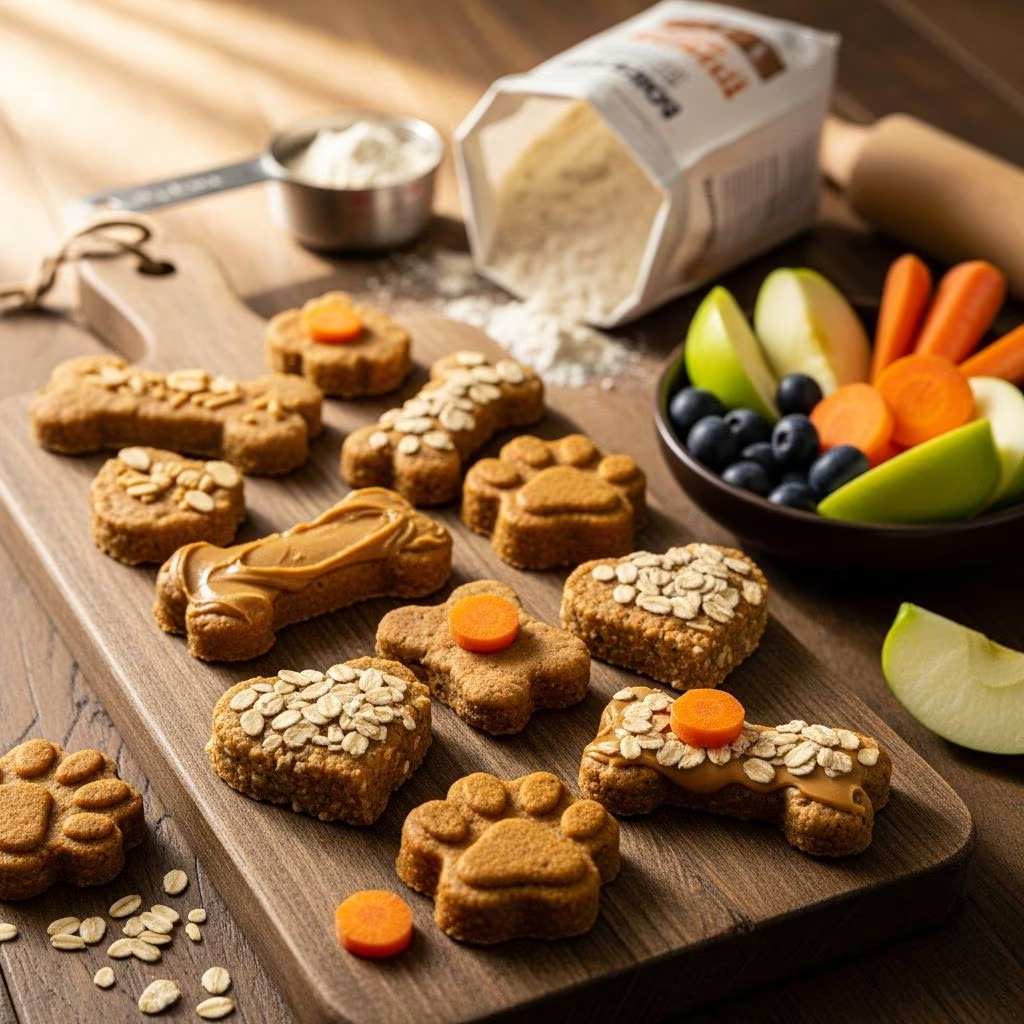
Preparing treats at home allows pet owners to deliver superior nutrition tailored to their dog’s unique requirements, surpassing many commercial options laden with fillers and preservatives.
Why Opt for Home-Prepared Canine Snacks
Store-bought treats frequently include artificial additives, vague labeling, and low-quality components that fail to nourish effectively. In contrast, homemade versions empower you to select premium, fresh ingredients, ensuring transparency and quality control. This approach not only sidesteps potential allergens but also incorporates nutrient-dense elements for enhanced vitality.
Financial benefits are substantial; basic pantry staples like oats, eggs, and fruits yield large batches at minimal expense compared to premium store products. Moreover, the process fosters a deeper connection, as your dog anticipates the fresh aromas from the kitchen, turning treat-making into a rewarding ritual.
Core Nutritional Advantages for Dogs
High-quality homemade treats support muscle maintenance, digestive regularity, and coat luster through balanced macronutrients. Aim for compositions featuring 10-30% protein, 5-15% fat, and 30-50% carbohydrates relative to caloric content to mimic optimal dietary profiles.
- Muscle and Energy Support: Protein sources promote lean mass and sustained activity levels.
- Digestive Aid: Fiber-rich additions like pureed vegetables regulate bowel function and ease common issues.
- Skin and Coat Enhancement: Omega fatty acids and antioxidants foster glossy fur and irritation-free skin.
- Weight Regulation: Low-calorie options help manage body condition without sacrificing satisfaction.
Customizing treats addresses specific health concerns, such as allergies or nutrient gaps, delivering targeted benefits absent in generic commercial fare.
Selecting Safe and Beneficial Ingredients
Focus on canine-safe, nutrient-packed components to maximize health impacts. Prioritize whole foods over processed ones for superior bioavailability.
| Ingredient Category | Examples | Key Benefits |
|---|---|---|
| Proteins | Chicken, turkey, eggs, fish | Muscle repair, amino acids, omega-3s for joints |
| Plant-Based Boosters | Pumpkin, sweet potato, legumes | Fiber for digestion, vitamins for immunity |
| Grains and Binders | Oats, rice flour | Energy source, gluten-free options |
| Fats and Flavors | Peanut butter (xylitol-free) | Healthy fats, palatability |
Avoid toxic items like grapes, onions, chocolate, and xylitol-sweetened products. Always introduce new ingredients gradually to monitor tolerance.
Step-by-Step Recipes for Everyday Treats
Protein-Packed Poultry Bites
These chewy morsels deliver lean protein ideal for active dogs.
- 2 cups cooked chicken, shredded
- 1 cup oat flour
- 1 egg
- 1/2 cup pumpkin puree
- 1 tbsp olive oil
- Preheat oven to 350°F (175°C).
- Blend all ingredients into a dough.
- Roll out to 1/4-inch thickness; cut into shapes.
- Bake 20-25 minutes until firm.
- Cool completely; store in airtight container up to 2 weeks.
Yield: 40 treats. Each provides digestible protein and fiber for gut health.
Omega-Rich Fish Cookies
Salmon-infused treats shine for skin support.
- 1 can salmon (boneless, drained)
- 1.5 cups whole wheat flour
- 1 egg
- 1/4 cup chopped parsley
Mix, form dough, bake at 375°F for 15 minutes. These omega-3 powerhouses combat inflammation.
Vegetable Fiber Chews
Low-calorie option for weight-conscious pups.
- 1 mashed banana
- 1 cup sweet potato puree
- 1.5 cups chickpea flour
- 1 tsp turmeric
Bake bite-sized pieces at 325°F for 30 minutes. Fiber aids satiety and motility.
Customization Strategies for Special Needs
Tailor recipes to life stages or conditions. Puppies benefit from higher protein for growth; seniors from soft, joint-friendly textures with glucosamine-rich additions like bone broth.
- Allergy Management: Swap grains for coconut or almond flour; use novel proteins like duck.
- Dental Health: Firm, crunchy treats scrape plaque naturally.
- Hypoallergenic: Single-ingredient purees like pure pumpkin for sensitive stomachs.
Consult a veterinarian for precise caloric needs, ensuring treats comprise no more than 10% of daily intake to complement balanced kibble.
Preparation Best Practices and Storage
Hygiene is paramount: Use clean utensils, cook thoroughly to eliminate bacteria, and cool fully before serving. Portion control prevents overfeeding; freeze extras for 3-month shelf life.
Experiment with shapes using cookie cutters for fun, but prioritize uniform sizing for even baking. Track your dog’s response to refine recipes over time.
Potential Pitfalls and How to Avoid Them
Imbalanced nutrition risks arise from over-reliance on treats; always balance with complete meals. Excessive fats can lead to pancreatitis, so measure oils sparingly. Monitor for digestive upset when debuting new combos, adjusting as needed.
FAQs
Can homemade treats replace dog food?
No, they supplement a complete diet, providing variety and targeted nutrients without supplanting balanced nutrition.
How often should I give treats?
Limit to 10% of daily calories; for a 20-lb dog, that’s about 5-10 small treats.
Are grains safe for all dogs?
Most tolerate them well, but grain-free alternatives suit those with sensitivities.
What if my dog has diabetes?
Opt for low-glycemic options like pumpkin and lean proteins; vet approval essential.
Can I use these for training?
Yes, small pieces work perfectly, reinforcing behaviors with healthy rewards.
Enhancing Long-Term Canine Wellness
Beyond immediate perks, consistent homemade treats contribute to sustained health by filling dietary voids and promoting mindful eating habits. Pet owners report improved energy, fewer vet visits for allergies, and happier demeanors. Integrate variety weekly to keep meals exciting while upholding nutritional integrity.
References
- Why Making Your Own Dog Treats Can Save You Money and Improve Your Dog’s Health — Buddy & Lola. 2023. https://www.buddyandlola.co.uk/blogs/news/why-making-your-own-dog-treats-can-save-you-money-and-improve-your-dogs-health
- Elevate Your Pup’s Treat Game with Homemade High Protein Dog Treats — Houndsy. 2024. https://www.houndsy.com/blogs/modern-tails/elevate-your-pups-treat-game-with-homemade-high-protein-dog-treats
- Homemade Pet Treats: A Scientific Approach to Healthy Rewards — BoneItUp. 2023. https://boneitup.com/blogs/news/homemade-pet-treats-a-scientific-approach-to-healthy-rewards
- The Health Benefits of Homemade Dog Treats — The Doggy Bakery. 2024. https://www.thedoggybakery.com/blogs/news/the-health-benefits-of-homemade-dog-treats
- 11 Benefits of Homemade Dog Food for Your Best Friend — Dr. Harvey’s. 2023. https://www.drharveys.com/blogs/blog/11-benefits-of-homemade-dog-food-for-your-best-friend



