

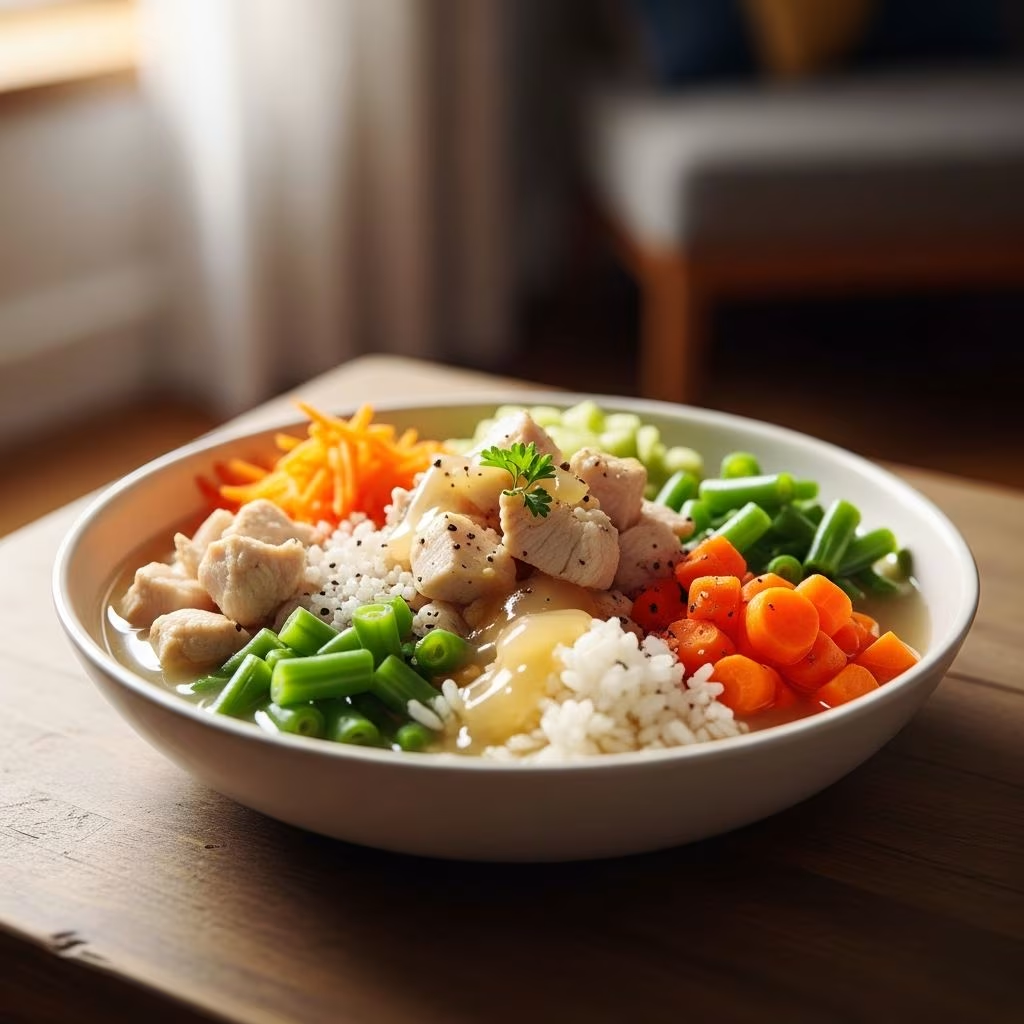
When your canine companion falls ill, one of the most concerning symptoms for pet parents is the sudden refusal to eat. Loss of appetite in dogs often signals underlying health concerns and can complicate the recovery process by depriving their bodies of essential nutrients needed for healing. Understanding which foods are most likely to tempt a reluctant eater while remaining gentle on a compromised digestive system is crucial for supporting your dog through illness.
Understanding Canine Appetite Loss During Illness
A dog’s unwillingness to consume food typically indicates the presence of illness or discomfort. When dogs experience gastrointestinal distress such as vomiting or diarrhea, their bodies may require temporary relief from digestion. In such cases, a brief fasting period of approximately 12 hours can allow the stomach and intestinal tract to recover, provided the dog continues drinking water. However, if your dog refuses water or shows signs of severe distress, immediate veterinary consultation is necessary.
The challenge for pet parents lies in distinguishing between normal pickiness and genuine illness-related appetite suppression. Additionally, once your veterinarian has ruled out serious conditions, you’ll need to identify foods that are both appealing enough to encourage eating and gentle enough to avoid further upsetting the digestive tract.
Fundamental Principles for Feeding Unwell Dogs
Several core guidelines should inform your decisions when selecting foods for a sick dog:
- Simplicity is essential: Foods should contain minimal ingredients without added seasonings, fats, or flavor enhancers
- Digestibility matters: Choose options that are easy to break down, reducing strain on a vulnerable digestive system
- Nutritional value: Even bland foods should provide vitamins, minerals, and protein necessary for recovery
- Presentation technique: How you offer food can influence whether your dog attempts to eat
- Never force feeding: Oral feeding should remain passive; never compel your dog to swallow if resistance occurs
Protein-Based Options for Recovery
Lean Poultry as a Foundation
Among the most effective foods for encouraging consumption in sick dogs is properly prepared poultry. Boiled or poached chicken breast and turkey represent excellent protein sources that are simultaneously low in fat and straightforward to digest. The preparation method is critical: remove all skin and bones before serving, as these components present choking hazards and complicate digestive processing. Prepare the meat by placing it in water and bringing to a gentle simmer for approximately 10-15 minutes until fully cooked through.
The palatability of plain poultry often makes it sufficiently appealing to stimulate eating even in dogs with substantially diminished appetite. Serve it at room temperature in small portions to avoid overwhelming a sensitive stomach.
Fish and Seafood Options
For dogs experiencing respiratory issues that impair their sense of smell, strongly aromatic fish can prove particularly effective in encouraging food consumption. The robust scent of fish can penetrate olfactory receptors even when nasal passages are partially congested, potentially triggering eating behavior. Poached fish, prepared similarly to poultry by simmering in plain water for 10-15 minutes, provides healthy fats and vitamins that support immune function during recovery. Meticulously remove all bones and cut the flesh into appropriately sized pieces before serving.
Carbohydrate Selections for Digestive Comfort
Rice Varieties and Grains
White rice represents the carbohydrate choice most suitable for dogs with upset stomachs. Although brown rice contains superior nutritional density, white rice’s comparative blandness makes it gentler on compromised digestion. When combined with lean protein, rice forms a classic recovery meal that provides accessible calories without taxing the digestive system. Cook rice in plain water without salt, oil, or seasonings.
Rolled oats offer an alternative grain option with particular benefits for dogs experiencing gastrointestinal disturbance. Oatmeal provides substantial fiber content, which can help consolidate loose stools associated with diarrhea, alongside B vitamins essential for metabolic function. Prepare oatmeal by cooking rolled oats in water exclusively, avoiding milk, sweeteners, or other additions.
Root Vegetables and Starches
Plain mashed potatoes appeal to many recovering dogs and provide gentle nourishment without digestive provocation. Prepare potatoes by boiling until soft, then mashing thoroughly while avoiding butter, milk, seasonings, or salt that could upset the stomach. The starch content offers accessible energy, while the mild flavor typically proves acceptable to dogs with compromised appetites.
Sweet potatoes present a more nutrient-dense option, containing elevated levels of vitamins and fiber alongside calcium, iron, and magnesium. These root vegetables are exceptionally gentle on stomach and intestinal tissues. Prepare them by peeling, cutting into chunks, boiling until tender, draining thoroughly, and mashing for easier consumption. Allow to cool completely before serving.
Specialized Recovery Foods
Homemade Bone Broth
Bone broth functions as both a nutritional supplement and hydration support for recuperating dogs. This preparation provides essential minerals including sodium and potassium while maintaining low carbohydrate content appropriate for sensitive digestive systems. The warm, savory nature of bone broth often encourages consumption while delivering restorative nutrients. Prepare broth by simmering bones in water for extended periods, ensuring complete removal of bone fragments before serving. Critically, avoid adding garlic, excessive salt, or seasonings that could further compromise digestive stability. Serve at a comfortably warm temperature but never hot enough to cause oral injury.
Pumpkin and Fiber-Rich Options
Pumpkin serves multiple therapeutic functions for sick dogs. Its fiber content helps regulate digestive function, proving particularly valuable for dogs experiencing diarrhea by promoting stool consolidation. Additionally, many commercially prepared dog foods now incorporate pumpkin into complete and balanced recipes, simplifying incorporation into a recovery diet. Plain canned pumpkin or fresh cooked pumpkin provides nutrition without complex preparation requirements.
Feeding Methods and Practical Strategies
Portion Sizes and Meal Frequency
Rather than offering standard meal quantities, provide small portions multiple times daily. This approach reduces the volume a sick dog must process while maintaining overall caloric intake. Smaller meals prove less likely to trigger vomiting or gastrointestinal upset compared to larger single meals.
Temperature and Presentation
Warming canned or prepared foods can enhance palatability by releasing aromatic compounds that stimulate appetite. Room temperature or slightly warmed foods often prove more appealing than cold offerings. Present food in familiar bowls in quiet, comfortable locations away from household stress or distractions.
Syringe Feeding for Severe Cases
When dogs completely refuse to eat independently, veterinarians may recommend syringe feeding of liquid or semi-solid preparations. A large-tipped syringe can deliver small quantities of food directly into the mouth, potentially stimulating swallowing reflexes and appetite. This technique should only be employed under professional guidance, and feeding attempts must cease immediately if the dog refuses to swallow, as forced feeding risks aspiration pneumonia.
Special Considerations for Different Situations
Dogs Experiencing Vomiting
When vomiting occurs, apparent food rejection typically reflects nausea rather than simple pickiness. Continue offering bland foods including limited-ingredient options, plain chicken, or pumpkin rather than attempting to entice with exotic or palatable foods. If your dog has known food allergies or sensitivities, scrupulously avoid these ingredients even when attempting to stimulate appetite.
Dogs With Diarrhea
Diarrhea management benefits from increased fiber content that helps consolidate stools. Continue providing bland or limited-ingredient diets while incorporating high-fiber options like pumpkin. The combination of digestibility and fiber support addresses both immediate comfort and longer-term digestive restoration.
Puppies Requiring Special Attention
Young puppies present heightened vulnerability during illness due to underdeveloped immune systems and minimal metabolic reserves. Veterinary assessment becomes essential even sooner than with adult dogs. Once cleared by a veterinarian, puppies should receive bland, limited-ingredient foods appropriate for their sensitive digestive tracts. However, remember that puppies require elevated protein and caloric intake to support rapid growth, making nutritional support particularly critical during illness.
Senior Dogs With Appetite Changes
Older dogs may refuse food for numerous reasons including arthritis-related pain, gastrointestinal upset, or serious conditions like kidney or liver disease. Professional veterinary evaluation becomes essential before attempting dietary modifications. Once underlying conditions are managed, palatable foods containing real, human-grade meats and whole food ingredients may inspire appetite in senior dogs, provided they’re not experiencing vomiting or diarrhea.
When to Seek Professional Guidance
Appetite loss warrants veterinary consultation under specific circumstances. Contact your veterinarian if your dog hasn’t consumed food for 24-48 hours, hasn’t drunk water, is a young puppy experiencing any appetite changes, or displays additional symptoms alongside appetite loss. In severe cases, veterinarians may prescribe appetite-stimulating medications, recommend prescription recovery diets, or implement feeding tubes when oral intake proves insufficient.
Recovery Meal Planning
As your dog begins recovery, transition gradually back to normal feeding patterns. Begin with small portions of easily digestible foods, increasing gradually over several days as tolerance improves. Maintain bland or limited-ingredient options until your veterinarian confirms complete recovery and clears return to regular diet.
Recovery nutrition plays a pivotal role in supporting your dog’s return to health. By providing appropriate foods that are simultaneously nourishing and gentle on compromised digestive systems, you create optimal conditions for recovery while ensuring your dog receives necessary nutrition for healing. Always prioritize professional guidance when appetite loss persists or worsens, as persistent refusal to eat may indicate conditions requiring medical intervention beyond dietary adjustment.
References
- 5 Things to Feed a Sick Dog With No Appetite — Whole Dog Journal. Whole Dog Journal. https://www.whole-dog-journal.com/health/5-things-to-feed-a-sick-dog-with-no-appetite/
- 10 Foods to Feed Your Dog When They Are Sick — Wilsons Pet Food. Wilsons Pet Food. https://www.wilsonspetfood.co.uk/blogs/blog/10-foods-to-feed-your-dog-when-they-are-sick
- Critical Care Nutrition for Dogs — VCA Animal Hospitals. VCA Animal Hospitals. https://vcahospitals.com/know-your-pet/nutritional-support-for-the-canine-critical-care-patient
- Wondering What to Feed a Sick Dog With No Appetite? — Raised Right Pets. Raised Right Pets. https://www.raisedrightpets.com/blog/what-to-feed-a-sick-dog-with-no-appetite/
- What to Feed a Sick Dog With No Appetite — Closer Pets. Closer Pets. https://closerpets.co.uk/blogs/dog-feeders/what-to-feed-sick-dog-throwing-up
- Dog Not Eating? Possible Causes and Appetite Solutions — WebMD Pets. WebMD. https://www.webmd.com/pets/dogs/dog-not-eating-possible-causes-and-appetite-solutions
- Decreased Appetite — Lap of Love. Lap of Love Veterinary Hospice. https://www.lapoflove.com/resource-center/symptom-management/decreased-appetite



