

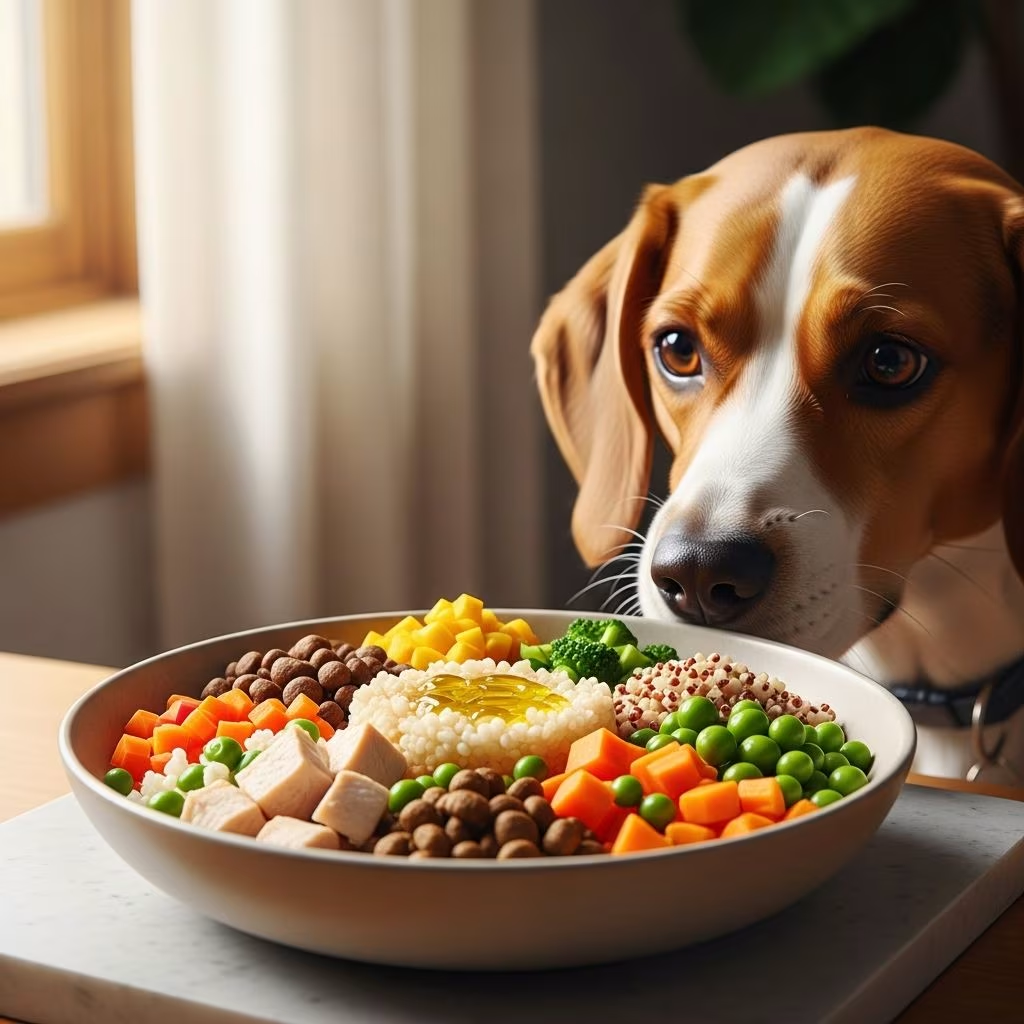
When your canine companion falls ill, one of the most concerning signs is a sudden reluctance to eat. A dog’s appetite is typically a reliable indicator of overall health, and when it diminishes, pet owners naturally worry about their ability to support recovery. Understanding which foods can gently coax a recovering dog back to regular eating patterns is essential for both nutrition and peace of mind. The challenge lies in selecting options that are simultaneously easy on a compromised digestive system and enticing enough to motivate consumption.
Illness affects dogs in various ways, and appetite suppression is one of the most common manifestations. Whether your dog is dealing with gastrointestinal upset, viral infection, or post-operative recovery, providing the right nutritional support can significantly influence their healing trajectory. This guide explores the most effective dietary strategies for encouraging eating in sick dogs while prioritizing digestive comfort.
Understanding Appetite Loss in Ailing Dogs
Before selecting appropriate foods, it’s important to recognize why sick dogs stop eating. Appetite changes can result from medical conditions, behavioral factors, environmental shifts, or food-related issues. When a dog experiences nausea, discomfort, or digestive distress, their natural response is to reject food, even favorites they typically enjoy.
The duration of appetite loss matters significantly. If your dog hasn’t consumed food for 24 to 48 hours, veterinary evaluation is important, and sooner if the dog is a puppy, hasn’t had fluids, or displays additional symptoms. Distinguishing between temporary loss of appetite and serious underlying conditions is crucial before introducing any new feeding protocol.
The Strategic Benefits of Brief Fasting
Counterintuitively, sometimes the best immediate action is to withhold food temporarily. When dogs experience vomiting or diarrhea, their gastrointestinal systems require rest and recovery time. A 12-hour fasting period may allow the digestive tract to settle before resuming eating, provided the dog continues drinking water. If water consumption also stops, immediate veterinary attention is necessary.
This temporary fasting allows the stomach lining to reduce inflammation and permits intestinal tract recovery without the stress of processing food. However, maintaining hydration during this period is non-negotiable—dehydration can worsen recovery and create additional complications.
Primary Dietary Options for Recovery
Poultry-Based Preparations with Grains
Cooked chicken breast combined with cooked rice represents one of the most effective appetite stimulators for unwell dogs. This combination succeeds because it offers multiple advantages: chicken provides lean protein necessary for tissue repair, while rice delivers easily digestible carbohydrates without excessive fiber that might aggravate sensitive stomachs.
Boiled white meat such as chicken or turkey offers optimal digestibility and minimal fat content, making it the perfect choice for recuperating dogs. Removing all skin and bones before serving eliminates choking hazards and reduces digestive burden. The preparation must be rigorous: no butter, spices, oils, or seasonings should be added, as these can further irritate the digestive system.
The aromatic qualities of chicken also play a role in appetite stimulation. When dogs are recovering from respiratory infections or have temporary olfactory dysfunction, familiar, pleasant scents can trigger eating reflexes.
Grain and Legume Alternatives
Oatmeal works effectively for some dogs, prepared by cooking rolled oats with water exclusively. Beyond palatability, oatmeal provides functional benefits: its fiber content can normalize stool consistency in dogs experiencing diarrhea, while its B vitamin profile supports metabolic recovery during illness.
Plain mashed potatoes represent another palatable option favored by many recovering dogs, though butter, milk, and seasonings must be excluded. Potatoes offer easily absorbable carbohydrates and provide a comforting texture that can encourage consumption in picky eaters.
Sweet potatoes, when plain and cooked, provide rich vitamin content and fiber while remaining extraordinarily gentle on the stomach. These should be peeled, chopped, boiled until soft, then mashed and served only after cooling. The nutritional density of sweet potatoes—including calcium, iron, and magnesium—makes them particularly valuable during recovery periods when nutrient absorption is compromised.
Protein Sources for Enhanced Appeal
Canned mackerel, with its distinctive odor, may motivate eating, particularly beneficial for dogs experiencing respiratory issues that diminish olfactory perception. The pungent aroma of fish penetrates sensory receptors more effectively than milder foods, sometimes reigniting appetite in reluctant eaters.
Nutrient-Dense Broths
Homemade bone broth provides essential nutrients and minerals including sodium and potassium while facilitating hydration. Its low carbohydrate profile and gentle digestibility make it excellent for upset stomachs, though garlic and excessive salt must be avoided during preparation. Bone broth functions like nutritional comfort, packed with healing nutrients while promoting hydration. It can be added to regular dry food to encourage consumption, though all bones must be removed and temperature should be appropriate before serving.
Specialized Feeding Considerations
Managing Specific Digestive Issues
Age-Specific Dietary Adjustments
Feeding Techniques and Methods
Oral feeding attempts must cease immediately if the dog refuses swallowing, as unintended airway entry creates aspiration pneumonia risk. Gentle encouragement differs fundamentally from coercion; respecting the dog’s signals protects against complications.
When Professional Intervention Becomes Necessary
More severe cases may warrant appetite-stimulating medications, syringe-feeding liquid diets, or feeding tube insertion by veterinary professionals. These interventions ensure nutritional support when voluntary consumption becomes impossible.
Nutritional Support for Severely Compromised Dogs
For malnourished dogs, feeding protocols typically aim to maintain current weight for the first week by calculating resting energy requirements based on intake weight. Initial feeding amounts should be carefully calculated: one-third of current weight requirement on day one, two-thirds on day two, reaching full requirements by day three, then maintaining this level for at least seven days. This gradual reintroduction prevents refeeding complications and allows digestive systems to readjust progressively.
Practical Implementation Guidelines
- Offer multiple small meals throughout the day rather than single large portions, reducing digestive burden
- Warm foods slightly before serving, as temperature can enhance palatability without creating burns
- Maintain consistent feeding times and locations to establish routine comfort
- Monitor consumption carefully and document amounts for veterinary reference
- Ensure fresh water availability at all times, regardless of food consumption
- Never add seasonings, oils, butter, or other flavorings that might aggravate sensitive systems
- Introduce new foods gradually, mixing small amounts with familiar options
- Remove uneaten portions after 15-20 minutes to maintain food safety
Frequently Asked Questions
How long should I wait before seeking veterinary care for appetite loss?
Contact your veterinarian if your dog hasn’t eaten for 24-48 hours, sooner if your dog is a puppy, isn’t drinking water, or displays additional symptoms like lethargy or vomiting.
Can I feed my sick dog their regular food?
During acute illness, regular commercial diets may be too rich or complex for compromised digestive systems. Bland, limited-ingredient options reduce digestive stress while supporting recovery.
Should I add supplements or medications to homemade recovery meals?
Only add veterinarian-recommended supplements or medications. Discuss all additions with your veterinarian before implementation to prevent harmful interactions or complications.
What if my dog refuses all offered foods?
Refusal across multiple foods warrants immediate veterinary evaluation. Underlying medical conditions, medication side effects, or severe nausea might require professional intervention including appetite stimulants or feeding tubes.
How do I transition back to regular food after recovery?
Gradually mix increasing proportions of regular food with recovery meals over 7-10 days. This slow transition prevents digestive upset as the system readjusts to normal diet composition.
Supporting a sick dog through appetite loss requires patience, observation, and appropriate nutritional choices. By understanding which foods offer digestive comfort alongside adequate nutrition, pet owners can facilitate recovery while maintaining their companions’ comfort and dignity during vulnerable periods. Always prioritize veterinary guidance when concerns arise, ensuring that chosen interventions align with the specific medical situation your dog faces.
References
- Why Is My Dog Not Eating? Causes and What To Do — PetMD. 2024. https://www.petmd.com/dog/symptoms/why-my-dog-not-eating
- Wondering What to Feed a Sick Dog With No Appetite? Let’s Find Out — Raised Right Pets. 2024. https://www.raisedrightpets.com/blog/what-to-feed-a-sick-dog-with-no-appetite/
- 10 Foods to Feed Your Dog When They Are Sick — Wilsons Pet Food. 2024. https://www.wilsonspetfood.co.uk/blogs/blog/10-foods-to-feed-your-dog-when-they-are-sick
- Critical Care Nutrition for Dogs — VCA Animal Hospitals. 2024. https://vcahospitals.com/know-your-pet/nutritional-support-for-the-canine-critical-care-patient
- Dog Not Eating? Possible Causes and Appetite Solutions — WebMD. 2024. https://www.webmd.com/pets/dogs/dog-not-eating-possible-causes-and-appetite-solutions
- Feeding Protocol & Nutrition Best Practices for Emaciated Dogs — ASPCA Pro. 2024. https://www.aspcapro.org/resource/feeding-protocol-nutrition-best-practices-emaciated-dogs
- What to Feed a Sick Dog With No Appetite — Closer Pets. 2024. https://closerpets.co.uk/blogs/dog-feeders/what-to-feed-sick-dog-throwing-up



