

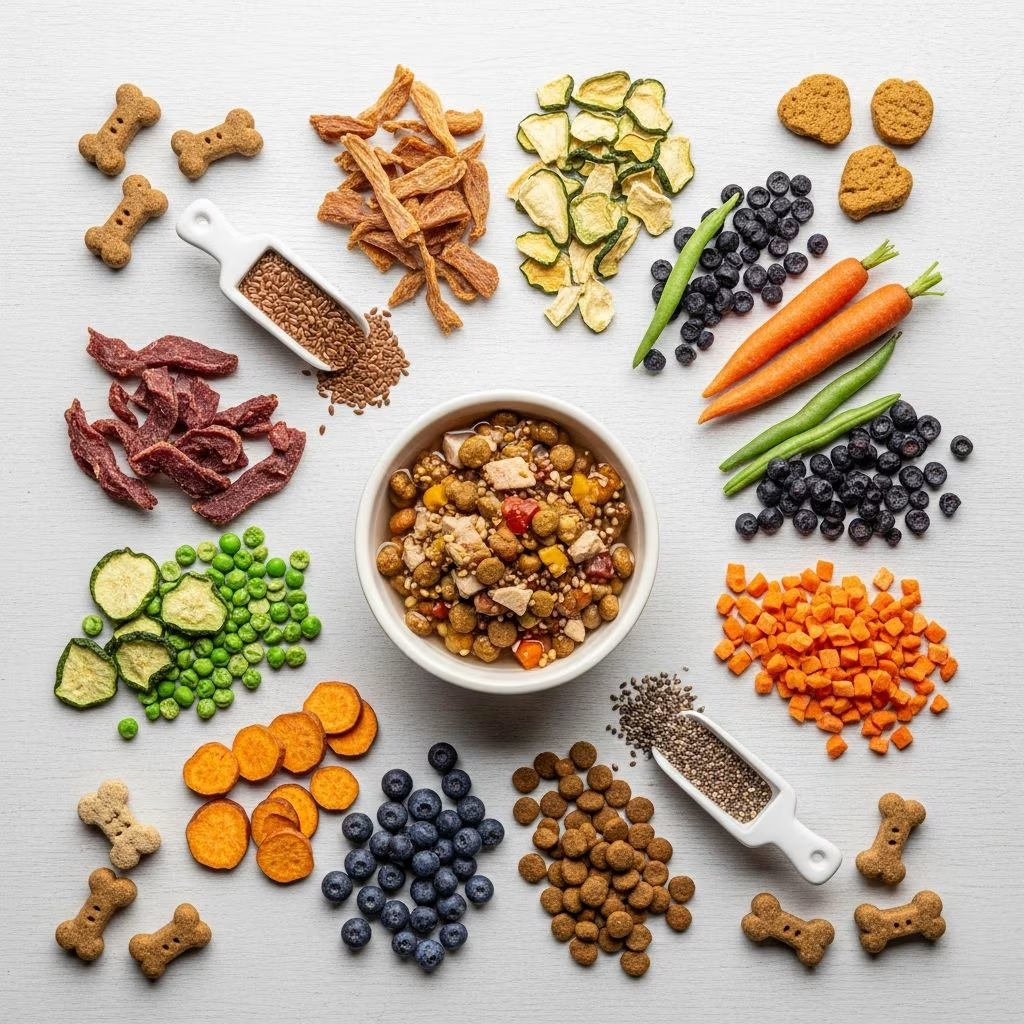
The pet food market has experienced significant growth in alternative food formats over recent years, with dehydrated dog food emerging as a popular choice among conscientious pet owners. Unlike traditional kibble or canned options, dehydrated dog foods offer a middle ground between fresh diets and shelf-stable convenience. However, not all dehydrated formulations provide complete and balanced nutrition, making it essential for dog owners to understand what these terms mean and how to identify products that meet their dogs’ nutritional requirements.
What Does Complete and Balanced Mean?
When veterinary nutritionists and pet food manufacturers refer to “complete and balanced” dog food, they are describing a product that contains all the essential nutrients a dog needs in appropriate proportions and quantities. These nutrients include proteins, fats, carbohydrates, vitamins, and minerals. A complete diet provides every nutrient necessary for maintaining health, while a balanced formula ensures these nutrients exist in the correct ratios relative to one another.
The term extends beyond simply including nutrients; it encompasses bioavailability—the degree to which nutrients can be absorbed and utilized by the dog’s digestive system. A diet may contain adequate amounts of calcium on paper but fail to provide it in a form the dog’s body can effectively absorb. Dehydrated foods that undergo low-temperature processing preserve nutrient density better than traditional cooking methods, potentially offering superior bioavailability compared to conventional kibble.
Regulatory Standards and Certification Requirements
In the United States, the Association of American Feed Control Officials (AAFCO) establishes nutritional guidelines that pet food manufacturers must follow. Products labeled as complete and balanced should meet AAFCO standards, which specify minimum and maximum levels for various nutrients based on a dog’s life stage—whether the animal is an adult, puppy, senior, or pregnant female.
However, AAFCO does not test or approve individual products. Instead, manufacturers are responsible for ensuring their formulations meet these standards through feeding trials or nutrient analysis. When selecting a dehydrated dog food, look for statements on the packaging indicating compliance with AAFCO nutritional adequacy statements. These statements typically read: “[Product name] is formulated to meet the nutritional levels established by the AAFCO Dog Food Nutrient Profiles for [life stage].”
Key Nutritional Components in Dehydrated Formulations
Dehydrated dog foods must contain several critical nutritional elements to qualify as complete and balanced:
- Protein sources: High-quality animal proteins serve as building blocks for muscle, antibodies, and enzymes. Dehydrated foods typically feature meat, poultry, or fish as primary ingredients, concentrating these proteins through the removal of moisture.
- Fat content: Essential fatty acids support skin health, cognitive function, and immune response. The dehydration process generally preserves these fats better than high-heat cooking methods used in kibble production.
- Carbohydrate sources: While not essential, appropriate carbohydrates provide energy and fiber. Digestible carbohydrates from vegetables and grains should be present in appropriate amounts.
- Vitamin premixes: Since dehydration can affect certain water-soluble vitamins, manufacturers typically add vitamin supplements to ensure adequacy. These might include B vitamins, vitamin A, and vitamin D.
- Mineral balance: Calcium, phosphorus, zinc, and other minerals must be present in correct ratios. Imbalanced mineral content can affect bone health and nutrient absorption.
- Amino acids: Both essential and non-essential amino acids must be available in complete proteins. Dogs require ten essential amino acids that they cannot synthesize themselves.
Advantages of Dehydrated Formats for Nutritional Delivery
The dehydration process offers distinct advantages for maintaining nutritional integrity. Research comparing dehydrated dog food to traditional extruded kibble has demonstrated measurable differences in how dogs’ bodies process and utilize nutrients. Studies indicate that dogs consuming dehydrated natural food formulations showed higher digestibility of dietary fiber and mineral matter compared to those eating standard extruded feed.
The low-temperature dehydration process preserves heat-sensitive nutrients including enzymes, certain vitamins, and beneficial compounds that support immune function. Dogs fed dehydrated diets demonstrated enhanced antioxidant activity and improved immune markers, with increased antibody levels compared to kibble-fed control groups. Additionally, dehydrated formulations resulted in dogs producing less fecal matter—up to 66% less waste than premium kibble diets—suggesting superior nutrient absorption and utilization.
Reading Labels and Identifying Quality Dehydrated Products
Pet owners evaluating dehydrated dog foods should examine several label components to assess quality and completeness:
| Label Element | What to Look For | What to Avoid |
|---|---|---|
| Ingredient List | Named meat proteins (beef, chicken, fish) listed first; whole food ingredients | Generic “meat meal,” “by-products,” unclear protein sources |
| AAFCO Statement | Clear statement meeting AAFCO standards for appropriate life stage | Missing AAFCO statement or vague claims about “human-grade” without certification |
| Guaranteed Analysis | Specific percentages for protein, fat, fiber, and moisture content provided | Ranges instead of specific percentages; unusually high or low nutrient levels |
| Preservatives | Natural preservation methods or clearly identified safe additives; minimal processing | BHA, BHT, ethoxyquin, or artificial colors and flavors |
| Manufacturer Information | Complete company contact information; willingness to provide nutritional data | Vague manufacturer details or refusal to answer questions |
Supplementation Considerations
While a complete and balanced dehydrated formula should theoretically provide all necessary nutrients, some pet owners and veterinarians recommend certain supplements. Omega-3 fatty acids from fish oil can support joint health and skin quality. Probiotics may enhance digestive health, particularly for dogs transitioning from kibble. Glucosamine and chondroitin can benefit older dogs or those with joint concerns.
However, supplementation should only occur under veterinary guidance, as excessive nutrient intake can create imbalances. Fat-soluble vitamins (A, D, E, K) accumulate in body tissues and can reach toxic levels if over-supplemented. A veterinary nutritionist can assess whether your dog’s specific dehydrated formula requires additional supplementation based on individual health status and life stage.
Life-Stage Specific Formulations
Complete and balanced dehydrated foods must be formulated differently depending on the dog’s life stage. Puppies require higher protein and fat levels to support growth, along with specific calcium and phosphorus ratios to ensure proper skeletal development. Adult maintenance formulas adjust nutrient levels for energy requirements of mature dogs at normal activity levels. Senior formulations often reduce calories while maintaining protein, and may include added joint support ingredients.
Pregnant or lactating females require elevated caloric content and nutrient density to support fetal development and milk production. Dogs with specific medical conditions may need therapeutic formulations developed by veterinary nutritionists. Selecting a dehydrated product formulated specifically for your dog’s life stage ensures nutritional appropriateness.
Digestibility and Nutrient Absorption
A diet can be nutritionally complete on paper but fail if the dog cannot effectively digest and absorb the nutrients. Dehydrated foods generally demonstrate superior digestibility compared to kibble due to minimal processing and retention of natural enzymes and beneficial compounds. When rehydrated with water before serving, dehydrated food becomes more accessible to digestive enzymes, facilitating better nutrient breakdown and absorption.
Dogs fed dehydrated natural foods showed improved digestibility of minerals and fiber, with positive effects on immune function markers and reduced blood lipid levels. The low-moisture processing preserves beneficial compounds that support digestive health, making these products particularly suitable for dogs with sensitive stomachs or digestive sensitivities.
Transitioning to Dehydrated Feeding
When switching a dog from kibble to complete and balanced dehydrated food, gradual transition prevents digestive upset. Over 7-10 days, slowly increase the proportion of dehydrated food while reducing the previous diet. During transition, monitor stool quality, energy levels, and any signs of digestive distress. Once fully transitioned to a high-quality dehydrated formula, most dogs show improved coat quality, better digestion, and increased vitality.
Cost-Benefit Analysis
Dehydrated dog foods typically cost more per pound than conventional kibble but often require less quantity due to higher nutrient density and improved digestibility. Dogs eating complete and balanced dehydrated formulas produce substantially less waste, reducing litter box odor if cats are present and decreasing overall waste output. The improved digestibility means dogs extract more nutrition per serving, potentially resulting in lower overall feeding costs despite higher per-pound prices.
Beyond economics, the health benefits justify investment for many pet owners. Reduced veterinary bills from fewer digestive issues and improved overall health often offset the premium price of quality dehydrated foods.
Storage and Shelf Stability
Complete and balanced dehydrated dog foods remain shelf-stable for extended periods without refrigeration, making them convenient for storage and travel. The moisture removal that preserves nutritional content also eliminates conditions that promote bacterial growth, providing food safety advantages over fresh or raw alternatives. Once rehydrated, remaining portions should be refrigerated and used within 24 hours to maintain quality.
Frequently Asked Questions
Is dehydrated dog food as nutritious as fresh dog food?
Dehydrated dog food retains comparable nutritional value to fresh food due to low-temperature processing that preserves heat-sensitive nutrients. The rehydration process before serving restores moisture and makes nutrients more bioavailable, delivering complete nutrition in a shelf-stable format.
How do I know if a dehydrated food is truly complete and balanced?
Check for AAFCO nutritional adequacy statements on the package. Reputable manufacturers provide guaranteed analysis detailing protein, fat, fiber, and moisture percentages. Contact the manufacturer if they cannot provide detailed nutritional information or feeding trial data.
Can I supplement a complete and balanced dehydrated diet?
Supplements should only be added under veterinary guidance to prevent nutrient imbalances. If a food is truly complete and balanced, supplementation may create excessive nutrient levels in fat-soluble vitamins.
Are dehydrated foods safer than raw diets?
Yes, the dehydration process eliminates potentially harmful bacteria that may persist in raw diets. Dehydrated foods provide safety advantages while maintaining nutritional benefits compared to raw feeding.
How much dehydrated food should I feed my dog?
Follow manufacturer feeding guidelines based on your dog’s weight and activity level. Dehydrated foods are concentrated, so portions are typically smaller than kibble. Adjust based on your individual dog’s body condition and metabolism.
Conclusion
Selecting a complete and balanced dehydrated dog food requires understanding nutritional standards, reading labels carefully, and choosing products from reputable manufacturers. The dehydration process offers distinct advantages for nutrient preservation and digestibility, supporting optimal canine health. By identifying products meeting AAFCO standards and featuring high-quality ingredients, pet owners can confidently provide their dogs with nutritionally superior alternatives to conventional kibble, ensuring their companions receive the complete nutrition necessary for long-term health and vitality.
References
- Dehydrated Natural Dog Food Supported Immune System, Digestibility — Pet Food Industry. 2024. https://www.petfoodindustry.com/nutrition/research-notes/article/15748670/dehydrated-natural-dog-food-supported-immune-system-digestibility
- The Ultimate Guide to Dehydrated Dog Food — Chewy. 2024. https://www.chewy.com/education/dog/food-and-nutrition/dehydrated-dog-food
- Is Dehydrated Dog Food Good for Dogs? — JustFoodforDogs Blog. 2024. https://blog.justfoodfordogs.com/is-dehydrated-dog-food-good-for-dogs.html
- Dehydrated Dog Food: Benefits & Tips — Acacia Pet Clinic. 2024. https://acaciapetclinic.com/dehydrated-dog-food-benefits-tips/
- Freeze-Dried vs. Dehydrated Dog Food: What’s the Difference? — Dr. Harvey’s. 2024. https://www.drharveys.com/blogs/blog/freeze-dried-vs-dehydrated-dog-food-what-s-the-difference
- Your Guide to Dehydrated Dog Food: Benefits, Prep Tips & FAQs — Only Natural Pet. 2024. https://www.onlynaturalpet.com/blogs/holistic-healthcare-library/dehydrated-dog-food-guide



