

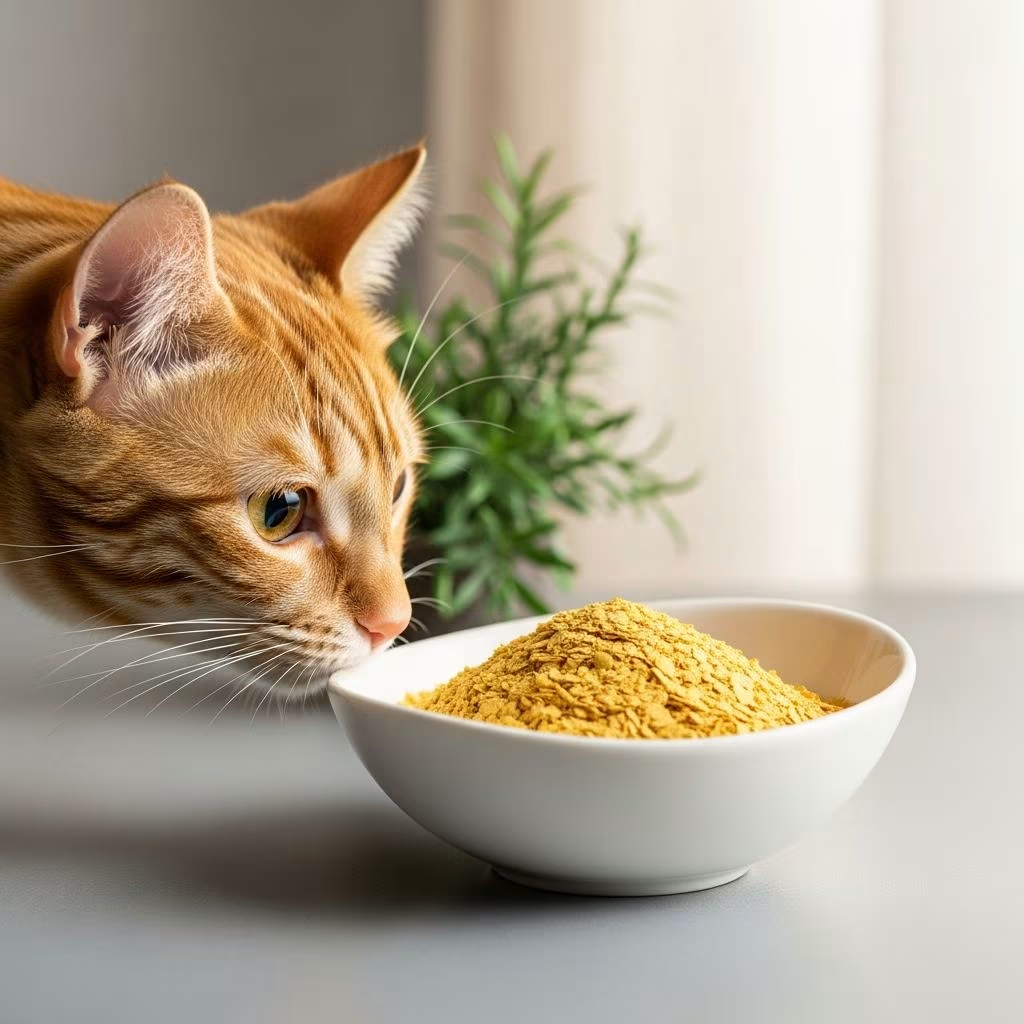
Understanding Nutritional Yeast and Its Role in Feline Nutrition
Nutritional yeast is an inactive, deactivated form of yeast that has become increasingly popular as a dietary supplement for cats. Unlike baking yeast, which ferments and can cause serious health complications, nutritional yeast poses no fermentation risk and can be safely incorporated into your feline’s diet. This ingredient begins as a living yeast culture that is then processed to deactivate it, making it completely safe for consumption by cats when used appropriately.
The supplement gained traction in pet nutrition circles because it offers a concentrated source of nutrients that many cats struggle to obtain in adequate quantities, particularly those that are selective eaters. Rather than replacing your cat’s primary diet, nutritional yeast functions as a complementary addition that bridges nutritional gaps and enhances overall wellness.
Key Nutritional Components Found in Nutritional Yeast
Understanding what nutritional yeast actually contains helps explain why veterinarians increasingly recommend it as a supplemental option. This ingredient serves multiple nutritional functions beyond simple protein provision.
Vitamin B Complex Profile
One of the most significant attributes of nutritional yeast is its robust B-complex vitamin content. The product naturally contains various B vitamins essential for feline health, including thiamine (B1), riboflavin (B2), niacin (B3), pantothenic acid (B5), pyridoxine (B6), biotin, and folic acid. Many commercial nutritional yeast products are additionally fortified with extra vitamins and minerals, expanding their nutritional profile even further.
B vitamins play crucial roles in your cat’s metabolic processes, nerve function, appetite regulation, and overall stress resilience. Cats cannot store B vitamins efficiently in their bodies, making regular dietary intake essential for maintaining optimal health. This is particularly important for cats experiencing illness, stress, or nutritional deficiencies, as these conditions often result in depleted B-vitamin reserves.
Protein and Essential Amino Acids
Nutritional yeast serves as an excellent protein source, particularly valuable for cats that may be resistant to traditional animal-based proteins. Research has demonstrated that dried whole yeast can function effectively as a protein alternative while maintaining digestibility and palatability. For pet owners exploring plant-based or eco-friendly nutritional options, yeast-based proteins represent a viable alternative that felines actually prefer in some cases.
Phosphorus and Other Minerals
Beyond vitamins and protein, nutritional yeast contains phosphorus and other essential minerals that support bone health and metabolic function. However, this mineral content should be considered for cats with specific health conditions, particularly those requiring phosphorus-restricted diets due to chronic kidney disease.
How Nutritional Yeast Benefits Your Cat’s Health
Enhanced Immune System Function
Research indicates that nutritional yeast contains beta-glucans, natural compounds recognized for their ability to activate immune cells and improve the body’s overall immune response. For cats living in multi-pet households, experiencing stress, or facing seasonal immune challenges, nutritional yeast can provide gentle immune support without overstimulation. Studies examining yeast with active metabolites found that supplementation led to improved immune markers in cats, suggesting enhanced protective capacity against infections.
Improved Digestive Function and Nutrient Absorption
One of the most compelling research findings involves nutritional yeast’s impact on feline digestion. When mixed into cat food, yeast enhances the cat’s ability to digest crude fiber and ash, meaning nutrients from their food become more bioavailable for absorption. This improvement in nutrient assimilation contributes significantly to overall health outcomes and supports better energy utilization.
Additionally, yeast acts as a prebiotic-like support, fostering an environment conducive to healthy gut flora while helping regulate stool consistency. This proves especially beneficial during diet transitions, after antibiotic treatments, or during stress-related digestive upset. Research has specifically documented reductions in potentially harmful bacteria such as Clostridium perfringens, while beneficial bacteria and metabolites like lactic acid increase, creating a healthier intestinal environment.
Skin and Coat Health Enhancement
The B-complex vitamins present in nutritional yeast work synergistically to support skin integrity and coat quality. Cats experiencing nutritional deficiencies often display dull, lackluster coats and excessive shedding. The thiamine, riboflavin, and other B vitamins in nutritional yeast promote keratin production and skin cell renewal, resulting in shinier, healthier-looking fur. This benefit particularly affects long-haired breeds, indoor cats, and those experiencing seasonal coat dullness.
Weight Management and Satiety
When combined with regular meals, nutritional yeast can increase feelings of fullness in your cat, potentially reducing snacking behavior between meals. This satiety-enhancing effect helps cats feel satisfied with appropriate portions, which can contribute to weight management and reduce obesity risk—an increasingly common health concern in indoor feline populations.
Energy and Appetite Support
Cats deficient in B vitamins often experience low energy levels, poor appetite, irritability, and heightened stress sensitivity. Nutritional yeast helps restore energy, supports appetite in picky eaters, and aids recovery after illness. Many cats also find the natural umami taste of nutritional yeast appealing, making it useful as an incentive for finicky felines to consume their food.
Flea Resistance and Natural Protection
Historically, nutritional yeast has been used to support natural flea deterrence through its B-vitamin content, which alters skin scent characteristics and makes cats less attractive to parasites. However, it is essential to understand this protective effect’s limitations. Nutritional yeast does not kill fleas; rather, it functions as supportive prevention when combined with veterinarian-recommended parasite control methods. Pet owners should never view it as a replacement for conventional flea prevention but rather as an adjunctive measure.
Determining Appropriate Dosage for Your Cat
Safe Dosing Guidelines
The general recommended dosage for an average adult cat is one-quarter teaspoon of nutritional yeast per day. However, individual cats may have different tolerance levels, and factors such as age, weight, and overall health status should be considered when determining appropriate quantities.
Introduction and Adjustment Period
When first introducing nutritional yeast to your cat’s diet, start with minimal amounts and gradually increase to the full recommended dose over several days. This gradual introduction allows your cat’s digestive system to adjust and helps you monitor for any unusual reactions or sensitivities. Watch for changes in stool consistency, appetite, or behavior during this transition period.
Frequency of Administration
Veterinary guidance suggests not feeding your cat nutritional yeast every single day; instead, offering it regularly as a supplement when your cat appears to be receiving benefits provides optimal results. This approach prevents potential nutrient imbalances while maintaining the positive effects associated with supplementation. Some cats benefit from daily supplementation for a few weeks, followed by a break, while others do well with regular weekly additions.
Important Safety Considerations and Contraindications
Selecting High-Quality Products
Not all nutritional yeast products are created equal. Veterinary experts emphasize the importance of selecting GMO-free, safely processed nutritional yeast products specifically formulated for feline consumption. Poor quality products that have undergone inadequate processing or contain questionable ingredients could potentially cause harm to your pet. When purchasing supplements, verify that the manufacturer follows strict quality control standards and that the product has been tested for safety.
Cats with Phosphorus-Restricted Diets
While nutritional yeast contains beneficial phosphorus, it may not be appropriate for cats requiring phosphorus-restricted diets due to chronic kidney disease or other medical conditions. The mineral content in nutritional yeast could interfere with dietary management protocols established by your veterinarian for these cats. Always consult with your veterinary professional before adding any supplement to a cat’s diet when underlying medical conditions exist.
Differentiation from Other Yeast Products
It is critical to distinguish nutritional yeast from other yeast varieties that may be harmful to cats. Baking yeast (active yeast) is highly dangerous and can cause fermentation and expansion in the stomach, leading to serious medical emergencies. Nutritional yeast differs fundamentally from baking yeast because it is deactivated and cannot ferment. Some nutritional yeast products are processed differently than others and may be fortified with additional nutrients, so reading product labels carefully ensures you are providing an appropriate supplement.
Which Cats Benefit Most from Nutritional Yeast Supplementation
While most healthy adult cats can tolerate nutritional yeast, certain populations stand to benefit significantly from supplementation:
- Indoor cats with limited access to varied natural food sources
- Senior cats experiencing age-related nutritional deficiencies
- Cats with persistently dull or shedding coats
- Feline companions under environmental or behavioral stress
- Cats transitioning between different diet formulations
- Those recovering from illness or medical treatment
- Selective eaters who consistently refuse complete nutrition
- Cats with mild digestive sensitivity requiring additional prebiotic support
Frequently Asked Questions About Nutritional Yeast for Cats
Is nutritional yeast safe for all cats?
Nutritional yeast is generally safe for most cats when administered in appropriate quantities and when the product is of high quality. However, cats with certain medical conditions, particularly those requiring phosphorus restriction, may need to avoid supplementation. Always consult your veterinarian before introducing new supplements, especially if your cat has existing health conditions or is taking medications.
Can I give nutritional yeast to kittens?
Kittens have different nutritional requirements than adult cats. Before supplementing a kitten’s diet with nutritional yeast, consult your veterinarian to determine appropriate dosages scaled to their smaller body weight and ensure it aligns with their developmental nutritional needs.
How quickly will I see results from nutritional yeast supplementation?
Results vary depending on your cat’s individual health status and the specific benefit you are hoping to achieve. Coat improvements may become noticeable within several weeks, while digestive benefits might appear more quickly. Immune system enhancement typically requires consistent supplementation over weeks to months.
Can I mix nutritional yeast with wet food or dry kibble?
Yes, nutritional yeast mixes well with both wet and dry food. Many cats do not notice the texture difference when it is thoroughly mixed with their regular meals. The natural umami flavor often makes the food more appealing to selective eaters.
What should I do if my cat refuses food with nutritional yeast?
If your cat rejects food supplemented with nutritional yeast, discontinue use immediately. Some cats are sensitive to texture changes or flavor additions. Never force your cat to consume the supplement, as this could create negative associations with mealtimes.
Consulting Your Veterinarian
Before implementing any supplementation regimen, consultation with your veterinary professional is essential. Your veterinarian can assess your individual cat’s nutritional status, identify any underlying deficiencies or conditions that might benefit from supplementation, and determine appropriate dosages. This professional guidance ensures that nutritional yeast complements rather than complicates your cat’s overall health management plan.
Your veterinarian can also recommend specific brands or formulations that have been tested for quality and safety, and can monitor your cat during supplementation to ensure positive outcomes. Regular check-ups allow your veterinarian to adjust recommendations based on your cat’s response to the supplement over time.
Conclusion: Making an Informed Decision
Nutritional yeast represents a promising supplemental option for supporting feline health across multiple dimensions, from immune function and digestive health to coat quality and overall vitality. The research supporting its benefits for cats is encouraging, demonstrating measurable improvements in nutrient absorption, gut health, and immune markers.
However, responsible supplementation requires careful product selection, appropriate dosing, and professional veterinary guidance. When used correctly under veterinary supervision, nutritional yeast can be a valuable addition to your cat’s nutritional regimen, particularly for cats that are selective eaters or experiencing specific health challenges. Taking the time to understand proper use protocols and individual cat needs ensures that this supplement enhances rather than complicates your feline companion’s dietary management.
References
- Nutritional Yeast for Cats | Health Benefits and Side Effects — PetAssure. https://www.petassure.com/maxscorner/is-nutritional-yeast-good-for-cats-benefits-and-side-effects/
- Nutritional Yeast for Pets: Benefits and Uses — Food Medicine for Animals. https://www.foodmedicineforanimals.com/blog/nutritional-yeast
- Why Brewer’s Yeast Is Good for Cats – Benefits, Uses, Safety, and Myths Explained — GoofyTails. https://goofytails.com/blogs/blog/why-brewer-s-yeast-is-good-for-cats-benefits-uses-safety-and-myths-explained
- Can Cats Eat Nutritional Yeast? Vet-Reviewed Facts & FAQ — Catster. https://www.catster.com/nutrition/can-cats-eat-nutritional-yeast/
- Potential benefits of yeast Saccharomyces and their derivatives in pet nutrition — National Center for Biotechnology Information. https://pmc.ncbi.nlm.nih.gov/articles/PMC10634211/



