

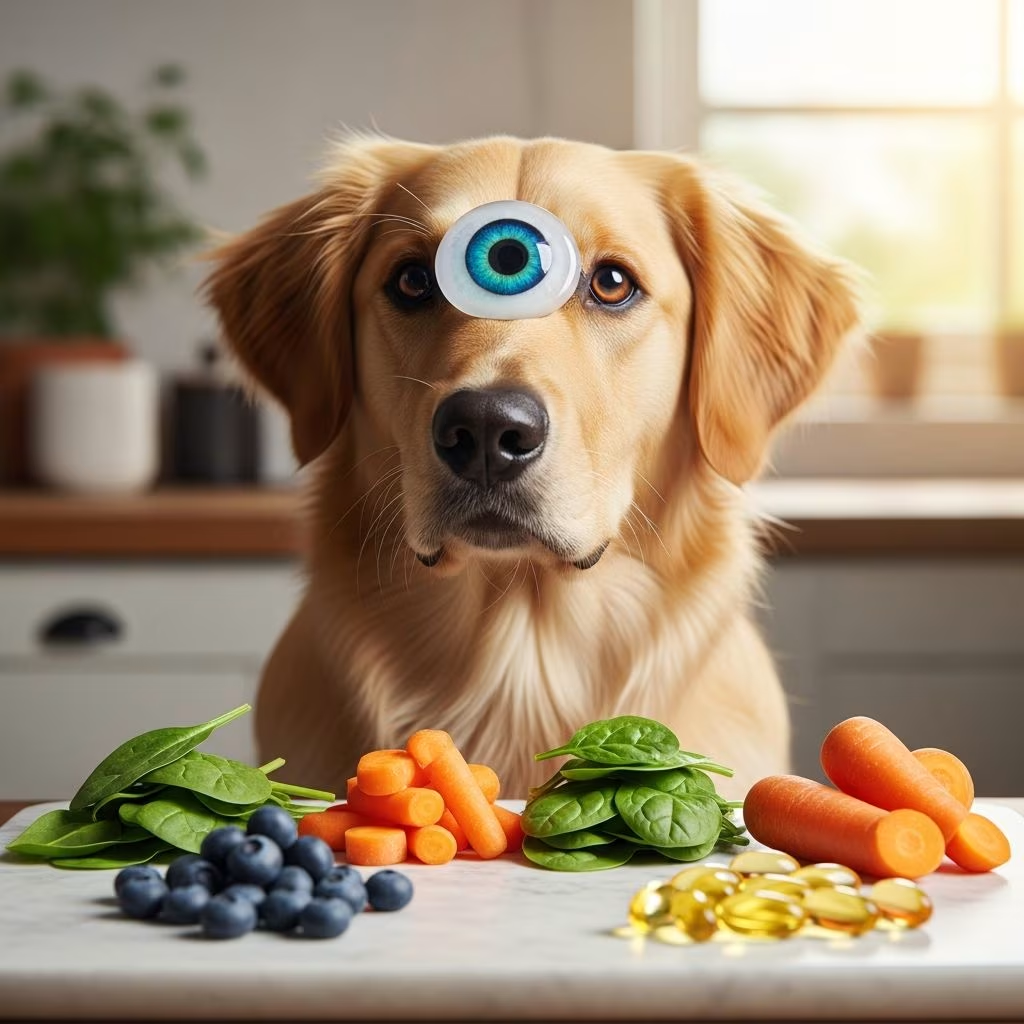
As dogs enter their senior years, maintaining healthy vision becomes increasingly important for their quality of life and overall well-being. Just like humans, dogs can experience age-related changes in their eyesight, including reduced clarity, difficulty focusing, and susceptibility to progressive eye conditions. Fortunately, targeted nutritional supplementation offers a scientifically-supported avenue for supporting ocular function and potentially slowing the progression of common canine eye diseases. Understanding which nutrients matter most and how they work can help pet owners make informed decisions about their dog’s long-term eye health.
Understanding Oxidative Stress in Canine Eyes
The foundation of many age-related eye problems in dogs begins with a biochemical process called oxidative stress. During normal metabolic activities, the eye naturally produces molecules known as free radicals. These unstable molecules can damage delicate ocular tissues if left unchecked. Fortunately, the body produces antioxidants to neutralize these harmful compounds and maintain cellular integrity.
However, as dogs age, their natural antioxidant production declines significantly. This reduction in protective compounds creates an imbalance where free radicals accumulate faster than they can be neutralized. When this imbalance becomes pronounced, it triggers oxidative stress—a state characterized by cellular damage, inflammation, and accelerated tissue degeneration. Research indicates that oxidative stress plays a central role in numerous canine vision problems, making antioxidant supplementation a logical therapeutic approach.
By introducing external sources of antioxidants through supplements, pet owners can help compensate for their dog’s declining natural defenses. This additional support works to neutralize excess free radicals and reduce the inflammatory cascade that damages eye structures.
Antioxidants: The First Line of Defense
Several specific antioxidants have demonstrated particular effectiveness in supporting canine eye health. These compounds work through complementary mechanisms to protect different parts of the eye and promote overall ocular function.
Lutein and Zeaxanthin are carotenoid compounds naturally found in the retina, where they filter harmful blue light wavelengths and protect photoreceptor cells from oxidative damage. Dogs supplemented with these nutrients show significantly enhanced resistance to blue light exposure and oxidative stress. Studies have documented that supplementation with lutein and zeaxanthin can provide up to twice the protective benefit compared to unsupplemented dogs.
Vitamin C serves as a potent water-soluble antioxidant that accumulates in high concentrations within the lens. This positioning allows it to intercept free radicals before they cause lens clouding and opacity. Additionally, vitamin C plays a critical role in maintaining the structural integrity of the lens matrix.
Vitamin E functions as a fat-soluble antioxidant that protects the lipid membranes surrounding retinal cells from oxidative damage. Its ability to preserve membrane stability is particularly important for maintaining the delicate structures responsible for light detection and processing.
Grapeseed Extract contains potent polyphenolic compounds that research has identified as particularly effective at combating free radical accumulation in retinal tissues. This extract has shown promise in reducing intraocular pressure, making it valuable for dogs at risk of glaucoma.
- Lutein and zeaxanthin: Blue light protection and photoreceptor cell defense
- Vitamin C: Lens clarity maintenance and structural support
- Vitamin E: Retinal membrane stabilization
- Grapeseed extract: Intraocular pressure regulation
- Green tea extract: Additional polyphenolic antioxidant support
Slowing Cataract Development and Progression
Cataracts represent the most common cause of vision impairment and blindness in dogs, particularly in aging populations. The condition involves progressive clouding of the lens—the eye’s focusing mechanism—which gradually obscures light from reaching the retina. Multiple factors contribute to cataract formation, with oxidative stress consistently identified as a significant underlying cause.
Recent research has evaluated specialized formulations designed to address the mechanisms underlying cataract development. These supplements combine multiple antioxidants with other supportive plant-derived compounds to address the cascade of events leading to lens opacification. Clinical investigations have shown remarkable results, with supplemented dogs experiencing substantial delays in cataract progression compared to control groups.
Importantly, these supplements appear most effective when administered during the early stages of cataract development, before the lens becomes completely opaque. This preventative approach suggests that early intervention with appropriate supplementation could potentially preserve vision and extend the period during which dogs maintain functional sight.
The mechanism appears to involve reducing oxidative damage to lens proteins and maintaining the lens’s transparent structure through improved antioxidant protection. By minimizing the accumulation of damaged proteins that cause cloudiness, these supplements help maintain lens clarity longer than would occur without intervention.
Essential Fatty Acids and Retinal Development
Omega-3 fatty acids, particularly docosahexaenoic acid (DHA), represent another critical nutritional component for maintaining canine vision. DHA comprises a substantial portion of retinal tissue, where it plays essential roles in photoreceptor cell structure and function. During puppy development, DHA derived from mother’s milk supports proper retinal formation and the development of neural connections crucial for vision.
This importance does not diminish with age. Throughout a dog’s life, DHA continues to support retinal integrity and optimal visual function. As dogs enter senior years, DHA supplementation becomes increasingly valuable for maintaining retinal health and preserving vision clarity. The fatty acid’s anti-inflammatory properties additionally provide benefits beyond structural support, helping reduce inflammation within ocular tissues.
Natural dietary sources of DHA include fish, eggs, and certain meat products, but many dogs may not consume sufficient quantities through diet alone. Supplemental sources—including fish oil, krill oil, and algae-based formulations—offer concentrated DHA delivery. Research specifically examining omega-3 fatty acids in supplemental form has demonstrated improvements in tear film stability, reduced inflammatory responses, and enhanced retinal function when administered consistently over time.
The synergistic combination of DHA with antioxidants appears particularly powerful. When omega-3 supplementation occurs alongside antioxidant support, studies document more robust improvements in tear production, reduced eye tissue inflammation, and better overall retinal preservation compared to either nutrient in isolation.
Managing Intraocular Pressure and Glaucoma Risk
Glaucoma encompasses a group of progressive eye diseases characterized by elevated intraocular pressure that damages the optic nerve, leading to vision loss and blindness. Several nutritional compounds have shown promise in helping manage intraocular pressure through their antioxidant and anti-inflammatory mechanisms.
The same compounds effective against oxidative stress in other eye conditions appear beneficial for glaucoma management. Grapeseed extract, green tea extract, and coenzyme Q10 have all demonstrated potential for reducing oxidative stress within ocular tissues and potentially influencing intraocular pressure regulation. The mechanism likely involves improved fluid dynamics and reduced inflammatory responses that contribute to pressure elevation.
While extensive research in dogs specifically remains limited compared to human studies, the available evidence from canine investigations and robust human research suggests meaningful potential. Early intervention with appropriate antioxidant supplementation may help reduce glaucoma risk in susceptible dogs and potentially slow progression if early disease is detected.
Vital Micronutrients for Ocular Function
| Nutrient | Primary Role in Eye Health | Natural Sources | Synergistic Partners |
|---|---|---|---|
| Vitamin A | Supports retinal light-processing and low-light vision | Organ meats, egg yolks | Zinc (enhances uptake) |
| Vitamin C | Maintains lens structure and reduces cloudiness risk | Vegetables, fruits | Vitamin E (complementary antioxidant) |
| Vitamin E | Protects retinal cell membranes from oxidation | Seeds, nuts, leafy plants | Vitamin C (works synergistically) |
| Zinc | Transports vitamin A to retina and stabilizes cell membranes | Meats, pumpkin seeds | Vitamin A (improves bioavailability) |
| Bilberry Extract | Supports retinal tissue health and manages inflammation | Berry fruits | Other antioxidants |
Individual vitamins and minerals support distinct aspects of ocular function and work most effectively when combined appropriately. Vitamin A remains particularly crucial, as deficiency represents one of the leading preventable causes of blindness in both people and pets. This fat-soluble vitamin directly supports the retina’s ability to process light information and convert it into neural signals.
Zinc functions as an essential cofactor for numerous enzymes involved in vitamin A metabolism and retinal cell health. Without adequate zinc, even substantial vitamin A intake fails to reach the retina efficiently. This interdependence demonstrates why comprehensive supplementation often outperforms single-nutrient approaches.
Bilberry extract has demonstrated traditional use spanning centuries for supporting night vision and reducing eye fatigue. Modern research confirms antioxidant properties that promote retinal and vascular health, making it a valuable addition to comprehensive eye support formulations.
Phytonutrients and Plant-Based Eye Protection
Beyond isolated vitamins and minerals, plant-derived compounds offer powerful supportive effects for canine ocular health. Phytonutrients—bioactive compounds produced by plants—include flavonoids and carotenoids that provide substantial antioxidant benefits when incorporated into supplement formulations.
Beta-carotene, the plant precursor to vitamin A, provides additional antioxidant protection while supporting the body’s natural vitamin A production. Turmeric’s active compound curcumin offers anti-inflammatory, antifungal, and antibacterial properties that may help prevent various eye conditions potentially leading to optic nerve damage.
Oregon grape, containing the compound berberine, has demonstrated effectiveness in improving vision while fighting eye infections. Research indicates benefits for conjunctivitis, red eyes, and dry eye conditions, alongside immune system support.
These plant-based ingredients work through multiple mechanisms simultaneously, addressing inflammation, infection risk, and oxidative stress through complementary pathways. This multi-target approach often produces more comprehensive results than single-mechanism interventions.
Effectiveness and Realistic Expectations
Pet owners considering eye supplements for their dogs should maintain realistic expectations about outcomes while understanding the substantial evidence base supporting their use. Supplementation works best as a preventative measure, helping preserve existing vision and slow age-related changes before significant decline occurs.
For dogs already experiencing advanced vision loss or complete blindness, supplements may offer limited benefit to vision itself but can still support overall eye tissue health and comfort. Results vary based on individual dog factors, the specific condition present, supplement quality and formulation, and consistency of administration.
Research consistently documents that comprehensive supplementation containing multiple antioxidants and supporting nutrients can reduce the rate of age-related eye changes by substantial percentages. Combined with regular veterinary care, appropriate grooming to prevent eye irritation, and a balanced diet, supplementation represents a proactive approach to preserving canine vision.
Frequently Asked Questions
At what age should I start giving my dog eye supplements?
Many veterinarians recommend beginning eye supplementation around age five or six, though this varies based on individual dog health status. Dogs with family histories of eye disease or those showing early signs of vision changes may benefit from earlier supplementation. Consultation with a veterinarian helps determine the optimal timing for your specific dog.
Can eye supplements cure existing eye diseases?
Supplements work best as preventative measures and for slowing disease progression rather than curing established conditions. However, in early stages of certain conditions like developing cataracts, appropriate supplementation may meaningfully delay progression and preserve functional vision longer.
How long does it take to see results from eye supplements?
Most formulations require consistent administration for six to twelve weeks before noticeable effects appear. Some benefits, particularly related to reduced inflammation and tear production, may develop within this timeframe, while others like cataract progression slowing may take longer to evaluate objectively.
Are there any side effects or contraindications with eye supplements?
Properly formulated supplements specifically designed for dogs are generally well-tolerated. However, certain conditions or medications may create interactions. Always discuss supplementation with your veterinarian before beginning, particularly if your dog takes medications or has existing health conditions.
Should I choose pills, capsules, or chewable formulations?
Chewable and soft formulations often achieve better compliance, as many dogs willingly consume them as treats. Pills and capsules work equally well nutritionally but may require administration techniques that some owners find challenging. Choose formats matching your dog’s preferences and your ability to administer consistently.
Integrating Eye Health Into Your Dog’s Wellness Plan
Supporting your dog’s vision health represents an important component of comprehensive senior pet care. Eye supplements should complement, not replace, regular veterinary eye examinations and appropriate preventative care. Annual or biannual eye exams allow early detection of developing conditions, enabling intervention before significant vision loss occurs.
Combining supplementation with other vision-supporting practices creates optimal conditions for preserving canine eyesight. These include maintaining a balanced, nutrient-rich diet; protecting eyes from excessive UV exposure; preventing eye trauma; and maintaining appropriate weight, which supports overall vascular health and tissue oxygenation.
Consulting with your veterinarian before beginning any supplement regimen ensures the chosen formulation appropriately addresses your individual dog’s needs and health status. A veterinarian can recommend specific products, appropriate dosing, and help monitor effectiveness over time through regular examinations.
References
- Antioxidant supplementation increases retinal responses and recovers vitamin E levels in aged dogs — PubMed Central/National Center for Biotechnology Information. 2015. https://pmc.ncbi.nlm.nih.gov/articles/PMC4891559/
- Eye Health Supplement – Veterinary Formula — Veterinary Formula. 2024. https://www.veterinaryformula.com/products/eye-health-supplement
- Eye & Vision Health for Dogs — VetriScience Laboratories. 2024. https://www.vetriscience.com/eye-vision-health-for-dogs.html
- Best Eye Supplements for Dogs: 2025 Guide — Noveha Pet Health Resources. 2025. https://noveha.com/best-eye-supplements-for-dogs-2025-guide/
- 5 Nutrients for Eye Health in Dogs — My Pet Nutritionist. 2024. https://mypetnutritionist.com/post/5-nutrients-for-eye-health-in-dogs/



