

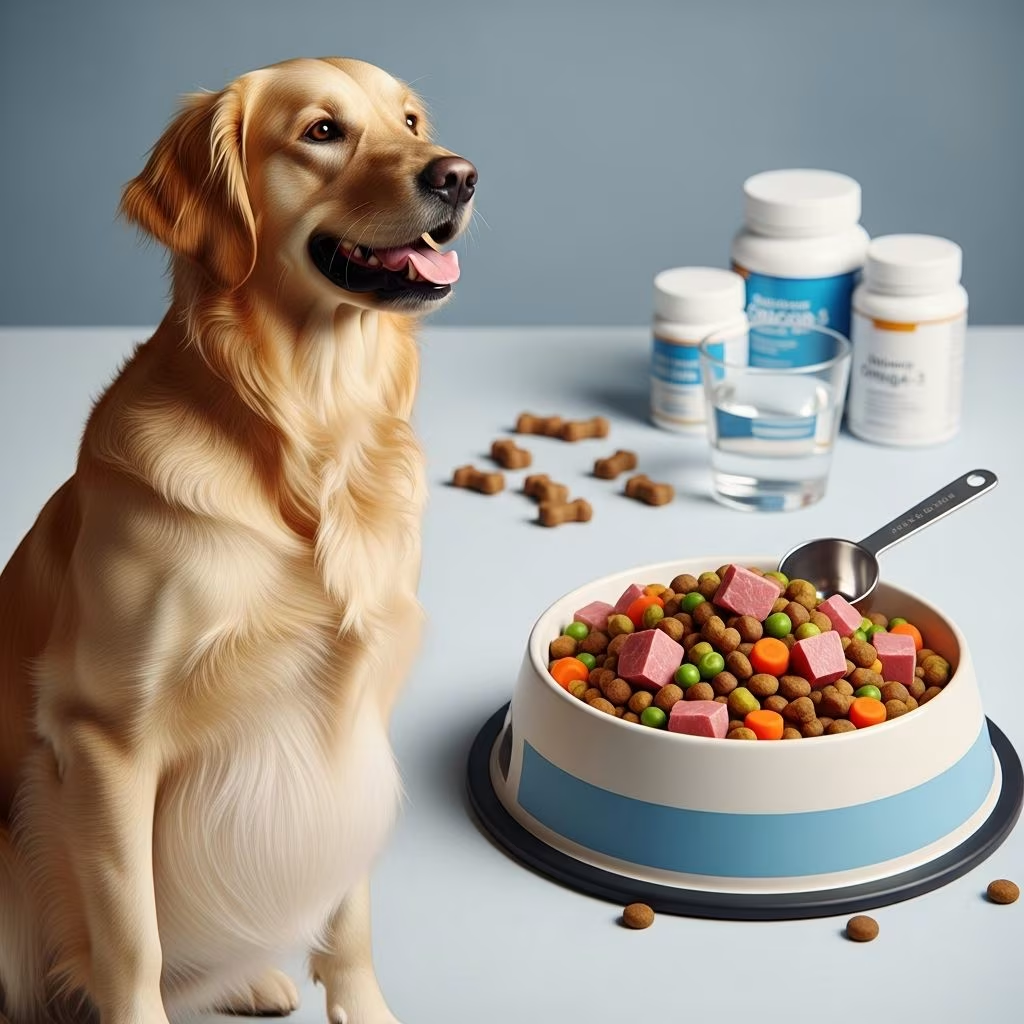
When a dog enters pregnancy, her body undergoes remarkable physiological changes to support the growth and development of multiple developing puppies. During this critical period, nutritional requirements increase significantly beyond what a non-pregnant dog typically needs. Providing comprehensive nutritional support during this time is essential for preventing complications and ensuring that both the mother and her offspring have the best possible start.
Understanding Pregnancy-Related Nutritional Demands
Pregnant dogs require substantially more calories and specific nutrients compared to their non-pregnant counterparts. The developing puppies draw nutrients continuously from the mother’s body, which means her dietary intake must compensate not only for her own maintenance needs but also for the nutritional demands of gestation and eventual lactation. A deficiency during pregnancy can have lasting consequences, affecting both immediate health outcomes and long-term development of the puppies.
The challenge for many dog owners is determining exactly which nutrients matter most and in what quantities. This is where targeted supplementation becomes valuable, particularly when combined with high-quality base nutrition.
Critical Micronutrients for Gestating Dogs
Several key vitamins and minerals play irreplaceable roles in supporting a successful pregnancy:
Folic Acid and Cell Development
Folic acid, a B-complex vitamin, serves as a fundamental building block for cell division and tissue formation. During pregnancy, the rate of cell division accelerates dramatically as puppies develop. This vitamin is particularly crucial during the early stages of pregnancy when neural structures are forming. Adequate folic acid intake helps prevent developmental abnormalities and supports the formation of healthy blood cells in both mother and puppies. Ideally, supplementation should begin before conception, allowing tissue saturation before pregnancy begins.
Calcium for Skeletal and Muscular Function
Calcium represents one of the most critical minerals during canine pregnancy, as developing puppies require substantial amounts for bone formation and mineralization. The mother’s body prioritizes delivering calcium to the fetuses, which can leave her depleted if intake is insufficient. This depletion can lead to eclampsia, a serious metabolic condition that develops during late pregnancy or early lactation when blood calcium levels drop dangerously low. Beyond bone development in puppies, calcium maintains maternal muscle function and supports cardiovascular health during this demanding period.
Omega-3 Fatty Acids for Neural Development
Docosahexaenoic acid (DHA) and other omega-3 fatty acids play specialized roles in brain and eye development. These fatty acids integrate into neural tissue, supporting cognitive function and sensory development in puppies. Additionally, omega-3s possess anti-inflammatory properties that benefit the pregnant mother’s overall health and may help support immune function during a period when physiological stress is elevated.
Iron for Oxygen Transport
During pregnancy, blood volume expands significantly to meet the metabolic demands of multiple developing organisms. This expansion requires increased hemoglobin production, which depends directly on adequate iron availability. Iron deficiency during pregnancy can result in anemia in the mother, potentially compromising her stamina and recovery capacity during labor and delivery. The developing puppies also require iron for their own blood development.
Fat-Soluble Vitamins
Vitamins A, D, E, and K work together to support diverse physiological functions. Vitamin A maintains vision and supports epithelial tissue health. Vitamin D regulates calcium absorption and bone metabolism, making it synergistic with calcium supplementation. Vitamin E functions as an antioxidant, protecting cells from oxidative stress. Vitamin K plays an essential role in blood coagulation, important for managing the increased bleeding risks associated with pregnancy and delivery.
Distinguishing Canine Formulations from Human Products
A common mistake among dog owners is assuming that human prenatal vitamins can serve dogs adequately. This assumption is problematic for several reasons. Human prenatal vitamins are formulated based on human nutritional requirements, which differ substantially from canine needs in both absolute quantities and nutrient ratios. Additionally, some components safe for humans may be inappropriate for dogs, including certain fillers, binding agents, or active ingredients at human dosages.
Products specifically formulated for pregnant dogs account for canine metabolism, absorption rates, and the specific nutritional stresses of canine pregnancy. These formulations undergo testing to ensure bioavailability—that the nutrients can actually be absorbed and utilized by a dog’s digestive system.
Selecting Appropriate Supplementation Strategies
Professional Veterinary Guidance
Before introducing any supplementation regimen, consultation with a veterinarian is non-negotiable. Veterinary professionals can evaluate individual factors including breed size, age, overall health status, and any pre-existing conditions that might affect nutritional needs. A veterinarian can also identify whether a dog’s current diet already provides adequate baseline nutrition, meaning supplementation might focus on specific gaps rather than comprehensive nutrient provision.
Quality and Bioavailability Considerations
Not all supplements are created equal. High-quality formulations utilize bioavailable forms of nutrients—forms that the body can efficiently absorb and utilize. Cheaper supplements may contain less absorbable forms or may rely on fillers that provide little nutritional value. Examining ingredient lists and choosing products from reputable manufacturers helps ensure that purchased supplements actually deliver their promised nutritional support.
Avoiding Over-Supplementation
More supplementation is not necessarily better. Excessive intake of certain minerals and vitamins can create imbalances or toxicity. For example, excessive vitamin A during pregnancy can cause birth defects, while too much calcium might interfere with the absorption of other minerals. Following veterinary recommendations regarding dosage and duration prevents these complications.
Dietary Foundation and Supplementation Integration
Prenatal vitamins function most effectively when integrated into a comprehensive nutritional strategy rather than viewed as standalone solutions. High-quality commercial dog foods formulated specifically for pregnant or nursing dogs already contain enhanced nutrient levels designed to support this life stage. These foods often provide superior nutritional foundations compared to standard maintenance formulas.
Supplementing a dog already receiving adequate nutrition from quality food differs significantly from supplementing one eating lower-quality food. The former typically requires only targeted supplementation of specific nutrients, while the latter might require more comprehensive support.
Fresh, whole foods can complement commercial nutrition effectively. Many fruits and vegetables provide natural sources of vitamins and minerals, plus beneficial fiber and phytonutrients. However, any dietary additions must be thoroughly researched to ensure safety, as some foods safe for humans are toxic to dogs.
Nutritional Deficiency Recognition and Response
Pregnant dogs experiencing nutritional insufficiency often display recognizable signs:
- Energy levels: Lethargy or excessive fatigue despite adequate rest may indicate mineral or caloric insufficiency
- Coat quality: Dull, brittle hair or excessive shedding suggests possible protein, omega-3, or micronutrient deficiencies
- Appetite changes: Reduced food intake might signal nutritional imbalances or medical complications
- Gastrointestinal symptoms: Vomiting or diarrhea can indicate digestive upset or nutritional inadequacies
- Muscle condition: Loss of muscle tone despite adequate feeding may reflect protein or mineral insufficiency
When these signs appear, veterinary consultation should not be delayed. These symptoms might indicate deficiencies responsive to supplementation, but they could also signal other pregnancy complications requiring intervention.
Monitoring and Adjustment During Pregnancy
Pregnancy spans approximately nine weeks in dogs, and nutritional needs evolve throughout this period. Early pregnancy may have different requirements than the final weeks when fetal growth accelerates dramatically. Regular veterinary check-ups provide opportunities to assess how well current nutritional strategies are working and to make adjustments based on the dog’s condition and progress.
Weight gain during pregnancy should follow a predictable curve. Excessive weight gain might suggest overfeeding, while insufficient gain could indicate nutritional inadequacy. Body condition scoring by a veterinarian helps distinguish between healthy pregnancy weight and problematic weight patterns.
Lactation Nutrition Considerations
The nutritional demands of lactation actually exceed those of pregnancy itself. A nursing mother transfers substantial quantities of nutrients through her milk to growing puppies. While discussing pregnancy, it’s worth noting that supplementation strategies often need to continue through the lactation period. Calcium and caloric requirements increase further once puppies are nursing, and a dog’s nutritional support should be planned with this continuation in mind.
Special Circumstances and Breed Considerations
Small breed dogs may face different challenges than large breeds during pregnancy. Small breeds sometimes experience more difficult pregnancies and higher complication rates, potentially making comprehensive nutritional support even more critical. Additionally, some breeds are predisposed to specific complications such as gestational diabetes or calcium metabolism disorders, conditions that targeted nutrition might help prevent or minimize.
Dogs with pre-existing health conditions require particularly careful nutritional planning. Conditions affecting kidney function, digestive health, or metabolic processes may necessitate modified supplementation approaches compared to healthy dogs.
Common Questions About Prenatal Nutrition
When should supplementation begin?
Ideally, supplementation begins before conception, allowing the mother’s body to reach optimal nutrient status. If that’s not possible, beginning supplementation as soon as pregnancy is confirmed ensures maximum benefit during the crucial development period.
Can supplements replace quality food?
No. Supplements complement but cannot replace a nutritionally complete diet. Quality food provides not only individual nutrients but also the caloric density and macronutrient balance necessary for pregnancy support.
How long should supplementation continue?
Supplementation typically extends through pregnancy and lactation, often continuing for several weeks after puppies are weaned. A veterinarian can recommend appropriate duration based on individual circumstances.
What if a dog refuses supplements?
Various delivery methods exist for supplements, including liquid formulations that can be mixed with food, treats containing supplements, or compounded formulations with flavoring. If a dog consistently refuses supplements, discussing alternatives with a veterinarian ensures that nutritional support continues in some form.
Are there risks to supplementation?
Risks primarily arise from over-supplementation or using inappropriate products. Products specifically formulated and dosed correctly for pregnant dogs, administered under veterinary guidance, carry minimal risk while providing substantial benefits.
References
- Essential Prenatal Vitamins to Support Your Dog’s Health and Well-Being — Sky Vet Pharmacy. November 29, 2024. https://www.skyvetpharm.com/news/prenatalvitaminsfordogs-9571.html
- Essential Prenatal Vitamins for Pregnant Dogs to Ensure Healthy Development — Sky Vet Pharmacy. December 14, 2024. https://www.skyvetpharm.com/news/pregnantdogprenatalvitamins-11679.html
- Essential Nutrients in Prenatal Vitamins for Supporting Pregnant Dogs Health — Sky Vet Pharmacy. https://www.skyvetpharm.com/news/essential-nutrients-in-prenatal-vitamins-for-supporting-pregnant-dogs-health-and-development-needs.html



