
Nutritional Support for Animal Skin Health
Essential vitamins and minerals for treating integumentary disease in animals
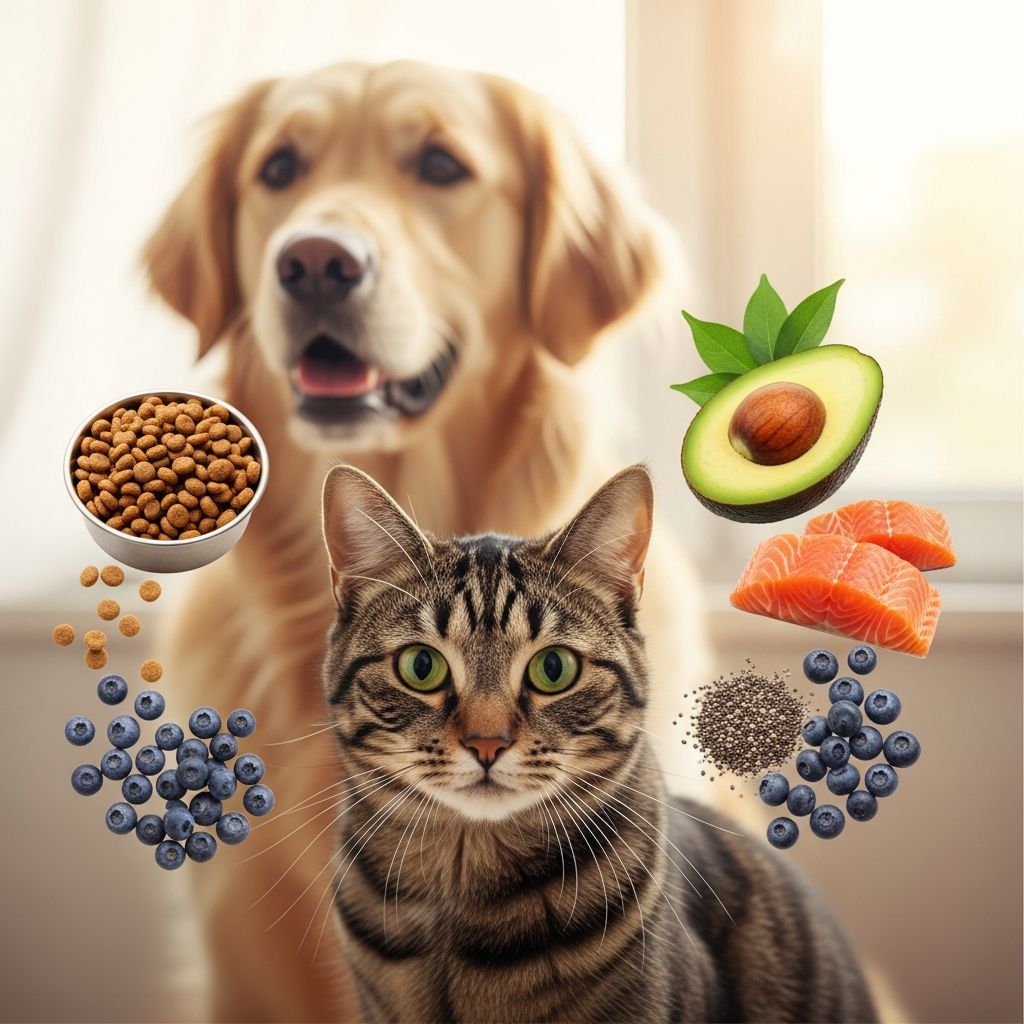
The skin represents one of the largest organ systems in animals, serving as a critical barrier against environmental pathogens, parasites, and harmful substances. When dermatological disease develops, therapeutic approaches often focus on topical treatments or systemic medications; however, mounting scientific evidence demonstrates that strategic nutritional intervention through vitamins and minerals can significantly enhance treatment outcomes and restore normal skin function. This comprehensive examination explores how micronutrient therapy addresses the underlying biochemical disruptions that characterize integumentary disease in companion animals.
Understanding the Biochemical Basis of Skin Integrity
Animal skin and hair depend on a complex network of biochemical processes that require adequate micronutrient support. The epidermis and dermis contain rapidly dividing cells that demand continuous nutritional investment. Hair structure itself consists primarily of protein, with supporting matrices that incorporate lipids, vitamins, and mineral cofactors. When animals experience nutritional deficiencies, the cellular mechanisms responsible for maintaining healthy skin become compromised, creating vulnerability to infection, inflammation, and structural deterioration.
The skin barrier function—the ability to retain moisture while preventing pathogen invasion—depends fundamentally on intact cell membranes composed of proteins and lipid structures. These membranes weaken without adequate fatty acids and protective nutrients, allowing increased transepidermal water loss and creating pathways for bacterial and viral colonization. Understanding these mechanisms clarifies why targeted nutritional supplementation can address disease at its source rather than merely managing symptoms.
Protein and Amino Acid Requirements in Dermatological Health
Protein constitutes the fundamental building block for skin cells, hair follicles, and the structural proteins that maintain skin architecture. Research indicates that up to one-third of an animal’s daily protein consumption is devoted to maintaining skin and coat quality. When dietary protein becomes insufficient—either in total quantity or amino acid profile—hair growth slows, coat quality deteriorates, and the skin becomes susceptible to breakdown and secondary infection.
The specific amino acid composition matters critically. Cysteine and methionine, sulfur-containing amino acids, contribute to keratin formation and hair strength. Animals consuming inadequate amounts of these amino acids experience hair that becomes thin, brittle, and prone to loss. Similarly, the amino acid lysine supports collagen synthesis, essential for maintaining skin elasticity and wound healing capacity. Therapeutic nutritional protocols for integumentary disease should ensure that animals receive complete protein sources containing balanced essential amino acid profiles.
Essential Fatty Acids: Omega-3 and Omega-6 Balance
Fatty acids perform dual functions in skin health—they serve as structural components of cell membranes and also generate anti-inflammatory signaling molecules that modulate immune responses. The omega-6 fatty acid linoleic acid plays an irreplaceable role in epidermal barrier function. Animals deficient in linoleic acid develop characteristic clinical signs including dull, dry coats, excessive hair shedding, greasy or inflamed skin, and increased susceptibility to dermatitis.
Linoleic acid must be obtained from dietary sources such as poultry fats, corn oil, and soybean oil, as animals cannot synthesize this essential nutrient. Without sufficient linoleic acid, the skin loses its ability to maintain optimal hydration, and the lipid lamellae that form the barrier function become disrupted.
Omega-3 polyunsaturated fatty acids, including eicosapentaenoic acid (EPA) and docosahexaenoic acid (DHA) from fish oils, provide complementary benefits through potent anti-inflammatory mechanisms. These fatty acids suppress pro-inflammatory cytokine production and reduce the intensity of allergic and inflammatory skin responses. For animals suffering from atopic dermatitis, contact dermatitis, or other inflammatory skin conditions, omega-3 supplementation can reduce pruritus intensity and accelerate healing.
| Fatty Acid Type | Primary Source | Key Function | Deficiency Signs |
|---|---|---|---|
| Linoleic Acid (Omega-6) | Poultry fat, corn oil, soybean oil | Epidermal barrier integrity | Dull coat, hair loss, scaling |
| EPA/DHA (Omega-3) | Fish oil, marine sources | Anti-inflammatory response | Increased inflammation, allergic reactions |
Vitamin A: Regulation of Cellular Growth and Differentiation
Vitamin A orchestrates normal skin cell development and turnover through nuclear receptor-mediated gene regulation. This fat-soluble vitamin controls the rate at which skin cells differentiate and mature, preventing abnormal keratinization patterns that characterize various dermatological diseases. In therapeutic applications, vitamin A supplementation has demonstrated efficacy in treating seborrhea, follicular hyperkeratosis, and conditions characterized by marked plugging of hair follicles.
Animals with vitamin A deficiency experience impaired wound healing, dry skin with reduced sebaceous gland secretion, and compromised mucosal immunity that increases susceptibility to secondary skin infections. While vitamin A supplementation must be carefully dosed to avoid toxicity—particularly in cats and certain breeds predisposed to vitamin A sensitivity—appropriate supplementation addresses these deficits and restores normal skin barrier function.
Vitamin E and Antioxidant Protection
As a lipophilic antioxidant, vitamin E protects cell membranes and the omega fatty acids integrated within them from oxidative damage. This protection proves particularly critical for skin cells, which experience continuous exposure to environmental oxidative stress from ultraviolet radiation, pollution, and reactive oxygen species generated by inflammatory processes. Vitamin E also enhances the biological activity and stability of omega-3 and omega-6 fatty acids within tissue.
Animals receiving adequate vitamin E supplementation experience improved coat glossiness, reduced inflammatory skin conditions, and enhanced wound healing. The antioxidant properties also support the immune function of skin-associated lymphoid tissue, strengthening the skin’s innate defenses against pathogenic invasion.
B Vitamins: Cofactors in Metabolic Processes
The B vitamin complex serves as essential cofactors for the enzymatic processes that metabolize proteins and fats into functional skin and hair structures. Biotin, riboflavin, pantothenic acid, and pyridoxine each contribute distinct metabolic functions necessary for maintaining dermatological health.
Biotin and Keratin Formation
Biotin functions as a cofactor for carboxylase enzymes involved in protein synthesis and fatty acid metabolism. Biotin deficiency manifests as alopecia, thin or depigmented hair, and dry, greasy skin that may resemble seborrheic conditions. Biotin supplementation enhances the utilization of linoleic acid in epidermal tissues, amplifying the benefits of omega-6 fatty acid supplementation and improving coat quality and pigmentation.
Riboflavin’s Role in Lipid Metabolism
Riboflavin (vitamin B2) enables the enzymatic breakdown and utilization of dietary fats, directly supporting the integration of essential fatty acids into cell membranes. Riboflavin deficiency produces characteristic dry, flaky dermatitis with skin erythema and progressive hair loss. While pure riboflavin deficiency remains uncommon in animals receiving complete diets, suboptimal riboflavin status can compromise the effectiveness of fatty acid supplementation.
Pantothenic Acid and Pigmentation
Pantothenic acid participates in the synthesis of coenzyme A, necessary for numerous metabolic pathways including lipid synthesis and protein metabolism. Deficiency of this vitamin contributes to abnormal skin pigmentation and coat discoloration, particularly affecting animals with darkly pigmented coats.
Mineral Supplementation for Dermatological Restoration
Minerals serve as enzymatic cofactors and structural components essential for maintaining normal skin physiology. Several minerals demonstrate particular importance in addressing integumentary disease.
Zinc: Critical for Cellular Division and Immune Function
Zinc supports the function of numerous enzymes involved in protein synthesis, nucleic acid metabolism, and immune regulation. The epidermis experiences extraordinarily high cellular turnover rates, making zinc demands in skin tissue among the highest in the body. Zinc deficiency impairs these rapid cellular divisions, resulting in parakeratosis, dermatitis with crusting and scaling, impaired wound healing, and secondary bacterial infections.
Certain breeds demonstrate hereditary zinc-responsive dermatosis due to genetic mutations affecting zinc absorption in the gastrointestinal tract. These animals require supplementation at doses of 2-3 mg/kg daily, provided as zinc sulfate or zinc gluconate with food to optimize absorption. Dietary factors including phytates and excessive supplemental calcium can reduce zinc bioavailability, necessitating careful formulation of supplementation protocols.
Copper: Essential for Pigment and Structural Synthesis
Copper functions as a cofactor for lysyl oxidase, an enzyme essential for cross-linking collagen and elastin molecules that provide skin structural strength and elasticity. Additionally, copper participates in melanin synthesis, and copper deficiency manifests as pigmentation abnormalities, hair color changes, and reduced coat luster. Copper also supports keratin formation and maintains hair structural integrity.
Selenium: Antioxidant Defense
Selenium incorporates into selenoproteins including glutathione peroxidase, which protects cells from oxidative damage. Selenium deficiency results in dry, flaky skin and impaired wound healing. Supplementation helps minimize skin dryness and supports the antioxidant defense systems protecting skin from environmental stress.
Magnesium: Metabolic Support
Magnesium participates in protein synthesis and energy metabolism, processes essential for maintaining healthy skin structure and function. Magnesium deficiency can contribute to hyperkeratotic skin conditions and compromised skin barrier integrity.
Nutritional Deficiency Patterns and Clinical Manifestations
Recognition of deficiency patterns helps veterinarians identify which micronutrients require supplementation. Multiple nutritional deficiencies often co-exist, producing complex clinical presentations that respond to comprehensive micronutrient therapy rather than single-nutrient supplementation.
- Alopecia and coat quality decline: Suggest deficiencies in zinc, biotin, riboflavin, and essential fatty acids
- Hyperkeratotic lesions and follicular plugging: Indicate vitamin A, zinc, pantothenic acid, or pyridoxine insufficiency
- Seborrheic appearance with flaking: Often reflects riboflavin, biotin, or essential fatty acid deficiency
- Pigmentation changes: Suggest copper, cysteine, or pantothenic acid depletion
- Impaired wound healing: Point to zinc, vitamin C, vitamin A, or protein insufficiency
- Increased parasite susceptibility: Reflects overall nutritional compromise affecting immune function
Integrating Nutritional Therapy with Conventional Dermatological Treatment
While micronutrient supplementation addresses underlying biochemical deficiencies, comprehensive dermatological management often requires concurrent conventional therapeutic approaches. Nutritional therapy functions optimally as adjunctive treatment alongside necessary medications, allowing for potential reduction in drug dosage and duration for animals experiencing side effects or chronic conditions requiring long-term management.
Animals with zinc-responsive dermatosis, seborrheic conditions, chronic otitis, or other dermatological disease may demonstrate accelerated clinical improvement when micronutrient supplementation combines with standard medical treatment. This integrative approach proves particularly valuable for animals unable to tolerate long-term glucocorticoid or immunosuppressant therapy, offering a gentler alternative that still addresses disease pathology.
Supplement Formulation and Bioavailability Considerations
The form of micronutrient supplementation significantly affects bioavailability and therapeutic efficacy. Chelated mineral supplements demonstrate superior absorption compared to simple salt forms. Zinc gluconate and zinc sulfate provide good bioavailability when administered with food. Fat-soluble vitamins including vitamins A and E require concurrent fat intake for optimal intestinal absorption.
Complete, balanced commercial diets formulated to meet Association of American Feed Control Officials standards provide appropriate micronutrient levels for healthy animals. However, animals experiencing dermatological disease often benefit from supplementation exceeding baseline maintenance requirements, supporting the accelerated cellular processes necessary for skin repair and restoration.
Frequently Asked Questions About Micronutrient Therapy for Skin Disease
Can vitamins and minerals cure skin disease?
Micronutrient supplementation addresses nutritional deficiencies that contribute to dermatological disease. When deficiency underlies the condition, appropriate supplementation produces clinical improvement. However, dermatological disease often involves multiple etiologies including allergies, parasites, or infections that require specific treatment beyond nutritional support.
How long does supplementation require to show clinical improvement?
Clinical response timelines vary based on the severity of nutritional deficiency and the nature of the skin condition. Some animals demonstrate improved coat quality within 4-8 weeks of beginning supplementation, while restoration of severely compromised skin barrier function may require 12 weeks or longer.
Are there risks associated with micronutrient supplementation?
Fat-soluble vitamins including vitamin A and vitamin D accumulate in body tissues and can produce toxicity if supplemented excessively. Water-soluble vitamins and minerals are generally excreted in urine at excessive levels, though some minerals including zinc and copper can accumulate. Appropriate dosing based on individual animal requirements minimizes these risks.
Should all animals with skin disease receive supplementation?
Animals receiving complete, balanced commercial diets formulated for their life stage have minimal micronutrient deficiency risk. However, animals with documented deficiencies, breed-specific susceptibilities, or chronic dermatological conditions benefit from targeted supplementation that addresses their specific biochemical needs.
References
- Impact of Nutritional Supplementation on Canine Dermatological Diseases — National Center for Biotechnology Information, PubMed Central. 2020-06-15. https://pmc.ncbi.nlm.nih.gov/articles/PMC7355824/
- Nutrients Your Dog Needs for Skin and Coat Health — IAMS Pet Care. https://www.iams.com/dog/dog-articles/what-nutrients-does-your-dog-need-their-skin-and-coat-health
- The Importance of Your Pet’s Skin and Coat and the Role of Nutrition — VCA Animal Hospitals. https://vcahospitals.com/know-your-pet/the-importance-of-your-pets-skin-and-coat-and-the-role-of-diet
- The Impact of Nutrition on Dog Skin Conditions — PetMD. https://www.petmd.com/dog/impact-nutrition-dog-skin-conditions
- The Role of Vitamins and Minerals in Your Pet’s Diet — The Animal Hospital. https://www.theanimalhospital.net/role-of-vitamins-and-minerals-in-your-pets-diet/
Similar Articles








Read full bio of medha deb


