
Nutritional Strategies for Companion Parrots
Optimize parrot health with balanced diets combining pellets, foraging foods, and fresh nutrition.
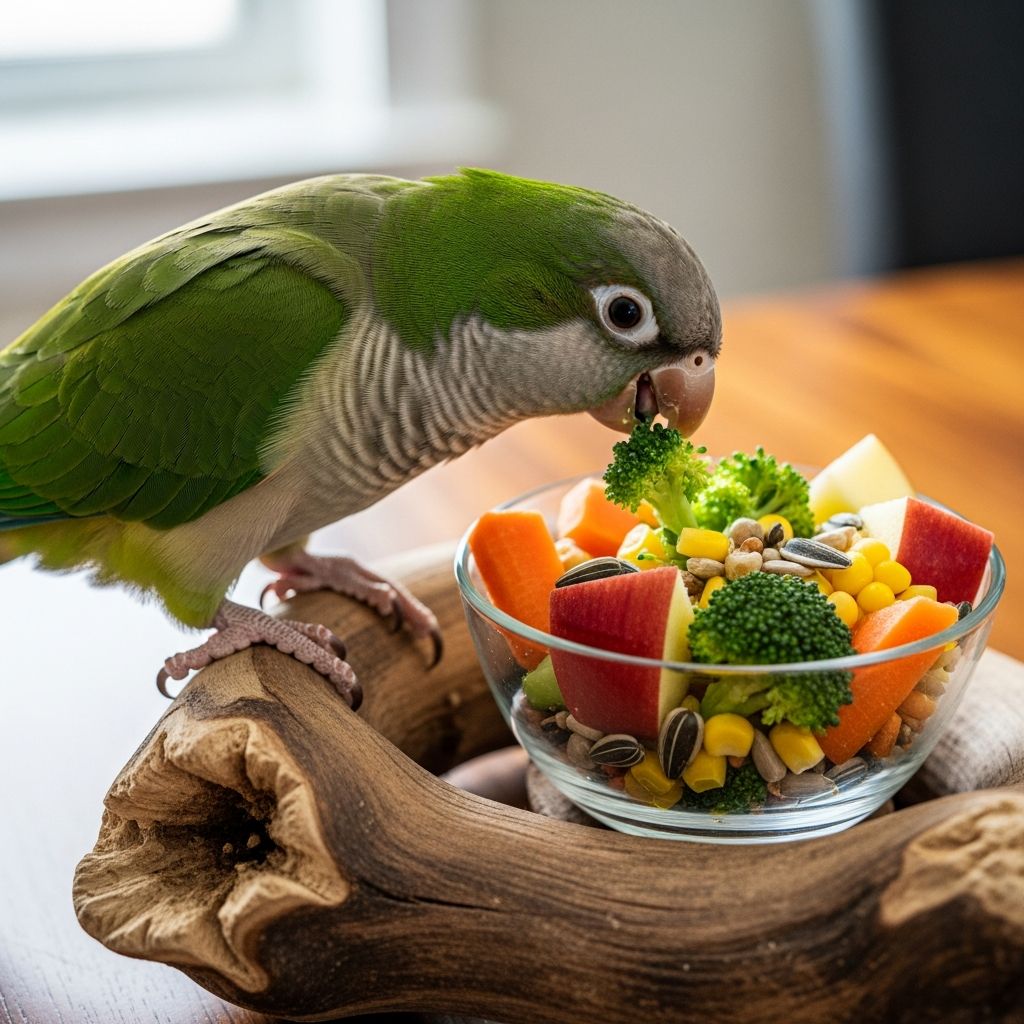
Understanding Nutritional Strategies for the Companion Parrot
Providing optimal nutrition for companion parrots represents one of the most critical aspects of avian veterinary care and pet ownership. Unlike wild parrots that spend considerable time foraging for diverse food sources across varied terrain, companion birds in captivity face unique nutritional challenges. The dietary choices made by bird owners directly impact the health, behavior, and longevity of these intelligent and social creatures. Dr. Ted Lafeber, Sr., a pioneering avian veterinarian, recognized that birds consuming a variety of vegetables, grains, fruits, and other whole foods consistently demonstrated better health outcomes than those fed restrictive seed-only diets. This observation led to the development of modern nutritional strategies that balance health requirements with natural behavioral enrichment.
The Problem with Seed-Only Diets
Seed-only diets have long been a common practice among parrot owners, yet veterinary research consistently demonstrates their inadequacy as sole nutrition sources. These diets lack essential amino acids, vitamins, and minerals required for optimal health in companion birds. The nutritional deficiencies inherent in seed-only feeding regimens can lead to serious health complications including vitamin A deficiency, calcium imbalances, and protein insufficiencies. Captive parrots, unlike their wild counterparts, cannot self-balance their diets by selecting from hundreds of available wild food sources. Even wild psittacines struggle to perfectly balance energy, protein, and calcium intake when limited to natural options. Companion birds offered only seeds alongside fruits and vegetables lack the cognitive ability to self-regulate their nutritional intake effectively.
Additionally, seed-heavy diets contribute to obesity, one of the most prevalent nutritional disorders in captive birds. Many seeds, particularly oil seeds like sunflower and safflower, contain excessive fat content—often exceeding 50 percent—while remaining deficient in calcium and other critical micronutrients. The sedentary lifestyle of companion birds, combined with calorie-dense seed diets, creates a perfect environment for weight gain and associated metabolic complications.
The Role of Seeds in Behavioral Enrichment
While seed-only diets present nutritional challenges, seeds remain valuable components of a comprehensive feeding strategy. Seeds promote essential natural behaviors including beak and tongue manipulation, texture sensation for brain stimulation, and instinctive foraging activities. These behaviors contribute significantly to mental health and psychological well-being in captive parrots. The manipulation of various seed structures engages cognitive faculties and provides environmental enrichment that prevents behavioral problems such as feather plucking and aggression. This recognition led to the development of balanced foraging diets that maintain nutritional adequacy while preserving the enrichment value of seed consumption.
Pelleted Diets: Nutritional Foundation
Pelleted diets represent a fundamental advancement in companion parrot nutrition. These formulated foods consist primarily of ground grains such as corn, soybeans, and oats, supplemented with precisely balanced vitamins, minerals, and amino acids necessary for avian health. The manufacturing process involves combining nutrient-rich components and then forcing the mixture under elevated temperature between 71-82°C (160-180°F) and increased pressure through specialized forms, creating uniform cylindrical pellets.
The primary advantage of pelleted diets lies in their nutritional consistency and balance. Because birds cannot selectively consume individual components, they receive uniform nutrition with each bite. This prevents the common problem where birds pick out preferred high-fat seeds while ignoring nutrient-dense but less palatable components. Lafeber Company pellets and granules are specifically formulated to support maintenance requirements for adult companion birds, with specialized formulations for finches, canaries, parakeets, and cockatiels that support all life stages from adult maintenance through breeding requirements.
Extruded Diets and Their Characteristics
Extruded diets represent an alternative formulated food option processed at higher temperatures than traditional pellets. While extruded foods provide balanced nutrition similar to pelleted diets, the higher heat processing creates increased levels of gelatinized starches. This processing method may result in slightly looser droppings in some birds compared to traditional pellets. Understanding these differences helps veterinarians and bird owners select the most appropriate diet for individual avian patients.
Foraging Diets: Balancing Nutrition and Enrichment
Foraging diets represent an innovative approach to companion parrot nutrition, combining the nutritional completeness of modern formulated foods with the behavioral enrichment of natural seed consumption. Products such as Nutri-Berries, Avi-Cakes, Nutri-Meals, and Nutri-An Cakes contain carefully blended combinations of pellets mixed with grains and hulled seeds. Unlike traditional pellets, these products are not ground into uniform particles but instead maintain varied shapes and textures essential for enrichment and natural foraging behavior.
Each foraging diet product is formulated as a complete, balanced meal, ensuring that birds receive adequate nutrition regardless of selective consumption patterns. The unique advantage of these products lies in their ability to provide nutritionally complete meals while simultaneously offering the variety of textures and shapes that simulate natural feeding experiences. This dual benefit makes foraging diets particularly valuable for companion birds requiring both optimal nutrition and behavioral enrichment.
Comparing Nutritional Strategies
Understanding the comparative advantages and disadvantages of different nutritional approaches enables veterinarians and bird owners to make informed decisions tailored to individual avian patient needs.
| Nutritional Strategy | Ease of Balance | Nutritional Uniformity | Particle Size Variety | Gelatinized Starch | Dropping Quality |
|---|---|---|---|---|---|
| Traditional Pellets | Easy | High | Low | Low | Normal |
| Extruded Pellets | Easy | High | Very Low | High | Possibly Loose |
| Nutri-Berries | Easy | High | Med-High | Low | Normal |
| Avi-Cakes | Easy | High | Med-High | Very Low | Normal |
| Seeds with Supplements | Hard | Varies | High | Very Low | Normal |
Developing Customized Dietary Plans
The optimal diet for any individual companion bird varies significantly based on species, lifestyle, and life stage. A large macaw in active breeding season requires different nutritional support than a sedentary cockatiel in a small home environment. Veterinarians must consider these individual factors when recommending specific nutritional strategies to bird owners.
Any nutritional approach incorporating greater than 50 percent of pelleted, extruded, foraging diet products, Nutri-Berries, Avi-Cakes, Nutri-Meals, or Nutri-An Cakes represents a vastly superior alternative to seed-only feeding. For optimal nutrition, selecting reputable name-brand manufacturers such as Lafeber Company, Harrison’s Bird Food, or ZuPreem ensures that formulated foods meet rigorous nutritional standards developed through research and clinical experience.
Supplementing with Fresh Foods
While formulated diets provide complete nutrition, supplementing with fresh foods enhances palatability and provides psychological enrichment. Fresh vegetables, particularly orange-colored varieties rich in beta-carotene, contribute additional antioxidants and phytonutrients beyond those in formulated foods. True berries such as blueberries offer beneficial compounds, while nuts like walnuts provide healthy fats and enrichment value. These fresh foods should comprise only small portions of the overall diet, serving as supplements rather than primary nutrition sources.
The Historical Development of Modern Parrot Nutrition
The advancement of companion parrot nutrition reflects decades of clinical observation and scientific development. Dr. Ted Lafeber, Sr. initially encouraged clients to provide birds diverse healthy foods including vegetables and cooked eggs, supplementing these with vitamins and minerals deficient in seed-only diets. However, recognizing that many bird owners lacked sufficient time to prepare varied meals daily, Dr. Lafeber collaborated with premier avian nutritionists to develop the first formulated bird food for companion birds in 1974. This groundbreaking work combined ground seeds and grains with precisely balanced vitamins, minerals, and amino acids, establishing the foundation for modern commercial avian nutrition.
Understanding Oil Seeds versus Non-Oil Seeds
Companion bird nutrition discussions frequently reference two seed categories with distinct nutritional profiles. Oil seeds, including sunflower and safflower varieties, serve as rich energy sources and vitamin E contributors but contain excessive fat—typically exceeding 50 percent—while remaining deficient in calcium. Non-oil seeds such as millet contain significantly lower fat content with energy stored as starch, providing more balanced nutritional profiles. Understanding these distinctions helps bird owners make informed choices when incorporating seeds into supplementary feeding strategies.
Addressing Common Nutritional Disorders
Malnutrition remains prevalent in companion bird populations despite availability of nutritionally complete formulated diets. Obesity, resulting from sedentary lifestyles combined with calorie-dense seed diets, represents one of the most common nutritional disorders encountered in clinical practice. Conversely, vitamin A deficiency frequently develops in birds consuming seed-only diets lacking this essential micronutrient. Renal disease can result from excess dietary protein, elevated calcium, hypovitaminosis A, or hypervitaminosis D, emphasizing the importance of nutritional balance. Proper dietary selection directly addresses these potential complications.
Implementing Dietary Transitions
Converting companion birds from seed-based to formulated diets requires patience and strategic planning. Birds accustomed to specific foods may initially resist dietary changes. Gradual introduction of new foods mixed with familiar items facilitates acceptance. Offering foraging diets that maintain familiar seed components while incorporating balanced nutrition provides an excellent transition strategy. Veterinarians can support owners through gradual conversion processes, addressing behavioral and preference concerns while establishing healthier long-term nutrition patterns.
Frequently Asked Questions
Q: Can seed-only diets ever be appropriate for companion parrots?
A: Seed-only diets should never serve as the sole nutrition source due to documented deficiencies in essential amino acids, vitamins, and minerals. While seeds contribute valuable behavioral enrichment, they must be incorporated into balanced dietary strategies rather than used exclusively.
Q: How should I transition my parrot to a healthier diet?
A: Gradual dietary transitions work best, mixing small quantities of new foods with familiar items over several weeks. Foraging diets that combine seeds with balanced nutrition provide excellent transition options, allowing birds to adjust while gradually improving nutritional intake.
Q: Are all pelleted diets nutritionally equivalent?
A: No. Quality varies significantly among manufacturers. Selecting reputable brands such as Lafeber Company, Harrison’s Bird Food, or ZuPreem ensures formulations meet rigorous nutritional standards developed through research and clinical experience.
Q: What role do fresh foods play in a balanced parrot diet?
A: Fresh vegetables, particularly orange varieties, berries, and nuts provide supplementary nutrition and enrichment value. These foods should comprise small portions of overall diet, enhancing palatability and psychological well-being rather than serving as primary nutrition sources.
Q: How much of my bird’s diet should consist of formulated foods?
A: Any nutritional strategy incorporating greater than 50 percent formulated foods such as pellets, extruded diets, or foraging products represents a vastly superior approach to seed-only feeding and supports optimal health.
Q: Do different parrot species require different nutritional strategies?
A: Yes. The optimal diet varies with species, lifestyle, and life stage. Large macaws in active environments require different nutritional support than smaller sedentary species. Veterinarians should tailor recommendations to individual avian patient characteristics.
Conclusion
Providing optimal nutrition for companion parrots requires understanding the advantages and disadvantages of various dietary approaches. While seed-only diets lack nutritional adequacy, seeds remain valuable for behavioral enrichment when incorporated into balanced feeding strategies. Modern formulated diets including pellets and foraging products offer scientifically validated nutrition supporting health and well-being. The most effective nutritional strategies combine formulated complete diets with appropriate fresh food supplements, tailored to individual bird species, lifestyle, and life stage. By implementing these evidence-based nutritional strategies, veterinarians and bird owners can significantly enhance the health, behavior, and longevity of these remarkable companion animals.
References
- Nutritional Strategies for the Companion Parrot — Orosz, S.E., LafeberVet. December 10, 2008. https://lafeber.com/vet/nutritional-strategies-for-the-companion-parrot/
- Clinical Topic: Nutrition — Lafeber Company. LafeberVet. https://lafeber.com/vet/topics/nutrition/
- Seeds as Enrichment — Hynes, C., Free Range Parrots. May 29, 2020. https://freerangeparrots.org/2020/05/29/seeds-as-enrichment/
Similar Articles








Read full bio of medha deb


