Nutritional Requirements for Guinea Pigs: Calcium and Vitamin C
Essential guide to calcium and vitamin C for optimal guinea pig health and nutrition.
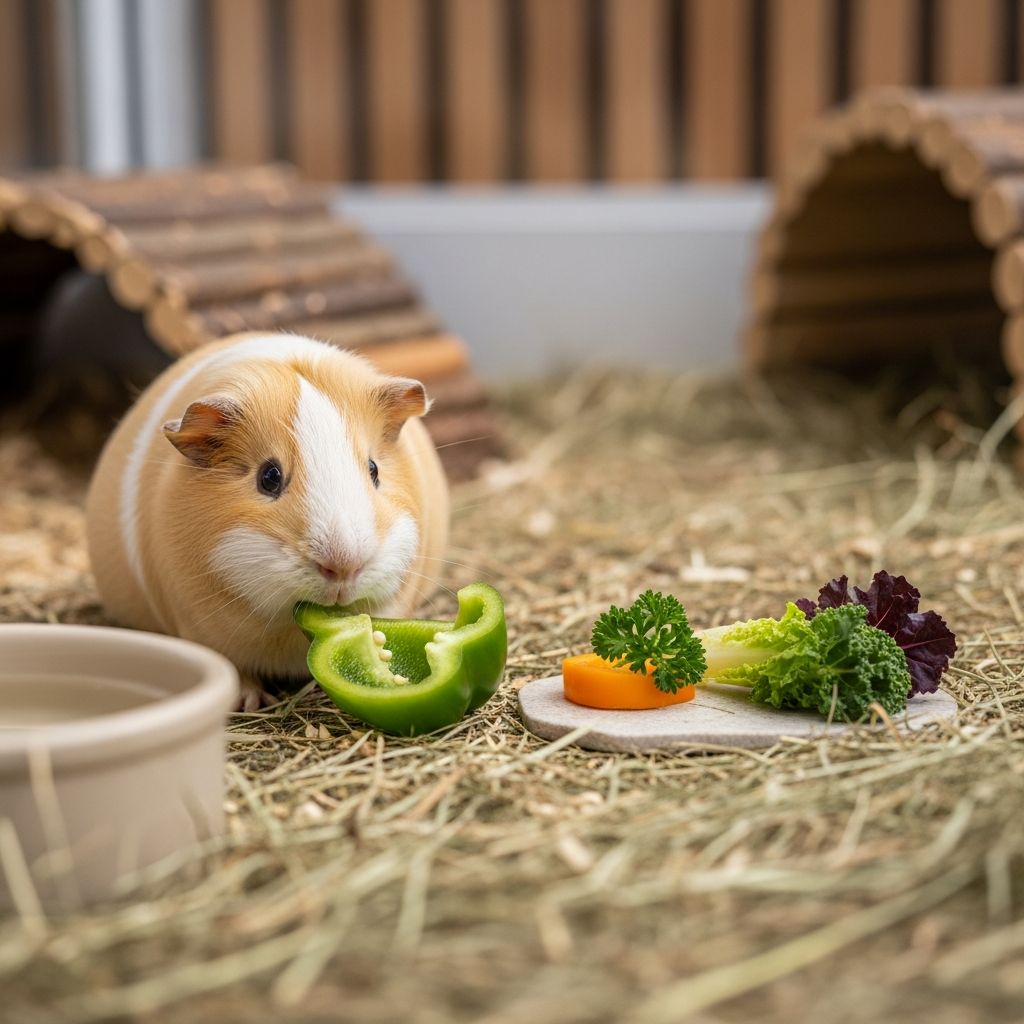
Providing guinea pigs with the correct diet is an essential part of keeping these fun, loving creatures happy and healthy. Two extremely important nutrients that play a vital role in maintaining the health of guinea pigs are calcium and vitamin C. Understanding the proper balance of these nutrients is crucial for preventing serious health complications and ensuring your guinea pig lives a long, vibrant life.
Understanding Calcium Requirements in Guinea Pig Diets
Calcium is a fundamental mineral that plays a critical role in maintaining bone strength, dental health, and overall physiological function in guinea pigs. However, unlike many other animals, guinea pigs have a unique relationship with calcium that requires careful dietary management. Guinea pigs obtain calcium through their food, therefore it is essential to provide them with a diet containing this mineral. However, their uptake of calcium is not well regulated by their hormone cycle so it is equally important not to give them food that is too high in calcium.
The Calcium Balance Challenge
The challenge with feeding guinea pigs lies in achieving the proper calcium balance. Many dark green vegetables contain high amounts of calcium and should be avoided, or given only in small amounts and in moderation. This is not because calcium is inherently harmful, but because excessive calcium in the diet can lead to serious complications. The primary concern with overfeeding calcium is the development of urinary calculi, or kidney and bladder stones.
Urinary Stone Formation and Health Complications
A very common reason guinea pigs present to the veterinarian is due to urinary stones. This is a common complication of excessive calcium in the diet. Urinary stones can be quite painful and may even require surgery if they become too large. When calcium levels become too concentrated in the urinary system, mineral crystals can form and accumulate, leading to blockages that cause pain, difficulty urinating, and potentially life-threatening complications if left untreated.
Calcium Deficiency Concerns
While excessive calcium presents problems, insufficient calcium intake also poses significant health risks. On the other hand, diets deficient in calcium have been found to increase the risk of guinea pigs developing fibrous osteodystrophy. Animals with this condition can experience clinical problems due to poor bone quality, such as fractures and lameness. Fibrous osteodystrophy is a degenerative bone disease that weakens skeletal structure and compromises mobility and quality of life.
Finding the optimal balance is therefore essential. Guinea pigs require adequate calcium for bone development and maintenance, but excessive amounts can lead to urinary complications. A well-formulated guinea pig diet should contain moderate levels of calcium from appropriate sources, primarily from high-quality hay and specialized pellets designed for guinea pigs.
The Critical Role of Vitamin C in Guinea Pig Health
Vitamin C is arguably the most important nutrient specific to guinea pig care. Similarly to humans, guinea pigs cannot make their own vitamin C so they require uptake of this nutrient through their food. This fundamental biological limitation means that every guinea pig owner must ensure their pet receives adequate dietary vitamin C to prevent serious health consequences.
Selecting Appropriate Pellet-Based Vitamin C Sources
It is vital to ensure that pelleted diets bought from the store are marketed specifically for guinea pigs and contain vitamin C. Generic small animal pellets or pellets designed for other species do not provide adequate vitamin C supplementation. When purchasing pellets, look for products clearly labeled for guinea pigs that include vitamin C in their ingredient list.
It is also important to pay close attention to the packaged date and to replace old pellets with new ones about every six months because the vitamin C will break down over time. Vitamin C is highly unstable and degrades rapidly when exposed to air, heat, light, and moisture. Pellets stored in warm, humid environments or in clear containers will lose their vitamin C content much more quickly than those stored properly in cool, dark conditions.
Fresh Food Sources of Vitamin C
In addition to commercially marketed guinea pig pellets, supplement the diet with certain vegetables high in vitamin C. Roots vegetables, such as carrots, and leafy greens, like kale, are excellent options for not only adding vitamin C to the diet, but they also function as environmental enrichment for the guinea pig. Fresh vegetables provide multiple benefits: they deliver bioavailable vitamin C, offer varied textures and flavors that stimulate natural foraging behaviors, and contain fiber that supports digestive and dental health.
Some of the best fresh food sources of vitamin C include:
- Red and orange bell peppers (approximately 150mg per 100g)
- Kale (approximately 94mg per 100g)
- Cilantro
- Basil
- Romaine lettuce
- Carrots
- Asparagus
- Tomatoes (fruit only, avoiding seeds, leaves, and stalks)
Avoiding Problematic Vitamin C Supplementation Methods
Liquid vitamin C supplements that are meant to be added to a guinea pig’s drinking water are commercially available, but they are generally not recommended. This is due to the fact that guinea pigs are known to be finicky and they may not drink the water once the supplement is added because of the change in taste. While water-soluble vitamin C supplements seem convenient, most guinea pigs refuse to drink treated water, making this supplementation method unreliable. Instead, focus on providing fresh, vitamin C-rich foods and purchasing quality pellets with appropriate vitamin C content.
Vitamin C Deficiency: Understanding Scurvy in Guinea Pigs
Vitamin C deficiency, also known as hypovitaminosis C or scurvy, affects the body’s connective tissue, resulting in a variety of clinical signs. Guinea pigs suffering from vitamin C deficiency may display a rough coat, refusal to eat, signs of pain or reluctance to walk, swollen joints or feet, diarrhea, as well as sores or ulcers on their skin and/or gums.
Systemic Effects of Vitamin C Deficiency
Beyond the visible symptoms, hypovitaminosis C also affects the immune system which makes deficient guinea pigs more prone to developing other diseases, such as bacterial pneumonia and skin infections. A compromised immune system leaves guinea pigs vulnerable to secondary infections and complications that can become life-threatening. The connective tissue damage caused by vitamin C deficiency impairs the body’s ability to maintain barriers against pathogens and weakens the overall immune response.
Clinical Manifestations and Diagnosis
Guinea pigs with scurvy often present with reluctance to move or bear weight, which may initially be mistaken for joint problems or arthritis. However, the underlying cause is weakened connective tissue in joints and muscles. Swelling of the feet and joints is particularly common. The condition also affects gum health, leading to painful inflammation and potential tooth loss if severe. A rough, unkempt coat results from the guinea pig’s reduced ability to groom due to pain and from the direct effects of vitamin C deficiency on hair follicles and skin integrity.
Vitamin C Excess: When More Is Not Better
Of course, too much of a good thing can also be harmful. So it is important not to give too much vitamin C to a guinea pig as studies have shown this can exacerbate osteoarthritis. While vitamin C deficiency is certainly the primary concern, excessive supplementation can contribute to or worsen joint disease in susceptible guinea pigs. This is why relying on well-formulated commercial diets combined with fresh vegetables is preferable to attempting to supplement additional vitamin C beyond what these sources provide.
Practical Dietary Guidelines for Guinea Pig Owners
A balanced guinea pig diet should consist of multiple components working together to provide complete nutrition. The foundation should be unlimited access to fresh, high-quality grass hay such as timothy hay or meadow hay. Guinea pigs eat small portions throughout the day, so unlimited hay ensures they always have access to this essential fiber source. Alfalfa or clover hay should only be given to juvenile animals as the high calcium content can predispose adults to renal calcification.
Appropriate Pellet Portions
Commercial guinea pig pellets should be fresh and relatively high in fiber, low in sugars and calcium, and grain free. Small amounts of pellets—approximately one-quarter cup per day—can be offered alongside hay and fresh food. The stability of vitamin C decreases over time and the vitamin C content of pellets is also reduced by exposure to dampness, heat, and light. Store pellets in airtight containers in cool, dark locations and discard old stock regularly.
Fresh Vegetable Integration
Fresh foods should consist of grasses, herbs, leafy greens, peppers, and other vegetables, with emphasis on vitamin C-rich options. Avoid or limit fruits in the diet, as too many simple carbohydrates can lead to diarrhea and/or dysbiosis. Vegetables should comprise approximately 10-15% of the daily diet, with the remainder being hay and a small portion of quality pellets.
Important Considerations for Diet Changes
When changing a guinea pig’s diet, do so slowly and gradually as these animals are known for developing food aversions. Abrupt dietary changes can cause digestive upset and may lead to the guinea pig refusing the new foods entirely. Transition over a period of 1-2 weeks, gradually increasing the proportion of new foods while decreasing old foods. This slow transition allows the digestive system to adapt and helps prevent food rejection.
Remember, it is never too late to improve a guinea pig’s diet. If your guinea pig has been eating a suboptimal diet, gradually transitioning to proper nutrition will yield health improvements relatively quickly, particularly regarding energy levels and coat condition.
Frequently Asked Questions About Guinea Pig Nutrition
Q: How much vitamin C does my guinea pig need daily?
A: Guinea pigs of all ages require a dietary source of vitamin C at 10-30 mg/kg per day. Pregnant and ill animals have higher requirements. Fresh foods rich in vitamin C can provide sufficient levels of this nutrient when combined with quality commercial pellets.
Q: What are the best fresh foods for vitamin C?
A: Red and orange bell peppers, kale, cilantro, basil, romaine lettuce, and carrots are excellent sources. Aim to include a variety of these vegetables daily in small portions to ensure adequate vitamin C intake.
Q: Can I give my guinea pig water-soluble vitamin C supplements?
A: Liquid vitamin C supplements added to drinking water are generally not recommended because guinea pigs are finicky drinkers and often refuse water once it has been treated with supplements, making this supplementation method unreliable.
Q: How often should I replace my guinea pig’s pellets?
A: Replace pellets about every six months to ensure adequate vitamin C content, as this nutrient breaks down over time. Store pellets in cool, dark, dry conditions to preserve vitamin C stability.
Q: Can guinea pigs eat alfalfa hay?
A: Alfalfa or clover hay should only be given to juvenile guinea pigs as the high calcium content can predispose adult guinea pigs to renal calcification and urinary stone formation. Adult guinea pigs should primarily receive timothy hay or other grass hays.
Q: What signs indicate my guinea pig has vitamin C deficiency?
A: Signs include a rough coat, refusal to eat, signs of pain or reluctance to walk, swollen joints or feet, diarrhea, and sores or ulcers on skin and gums. If you notice these symptoms, consult a veterinarian immediately.
Q: Is it possible to give too much vitamin C?
A: Yes, excessive vitamin C supplementation can exacerbate osteoarthritis. Relying on a balanced diet of fresh vegetables, quality pellets, and hay provides appropriate vitamin C levels without risk of excess.
Q: What causes urinary stones in guinea pigs?
A: Excessive calcium in the diet is the primary cause of urinary stone formation. Limiting high-calcium vegetables and choosing low-calcium pellets helps prevent this painful condition that may require surgical intervention.
References
- Basic Information Sheet: Guinea Pig — LafeberVet. 2021. https://lafeber.com/vet/basic-information-for-guinea-pigs/
- Nutritional Requirements for Guinea Pigs: Calcium and Vitamin C — LafeberVet. 2021. https://lafeber.com/vet/nutritional-requirements-for-guinea-pigs/
- What Do Guinea Pigs Eat? — Lafeber Company. 2024. https://lafeber.com/mammals/what-do-guinea-pigs-eat/
- Veggies For Guinea Pigs — Lafeber Company. 2024. https://lafeber.com/mammals/veggies-for-guinea-pigs/
- Care of the Pet Guinea Pig — LafeberVet. 2011. https://lafeber.com/vet/wp-content/uploads/Care-of-Pet-Gpigs-LV110118.pdf
- Guinea Pig Trifold — Association of Exotic Mammal Veterinarians. 2024. https://aemv.org/wp-content/uploads/2024/10/guinea_pig_trifold_v1.pdf
- A Refresher on Guinea Pig Medicine — LafeberVet. 2021. https://lafeber.com/vet/guinea-pig-medicine/
Similar Articles








Read full bio of Sneha Tete