
Nutritional Nerve Disorders In Animals: Prevention Guide
Exploring how vitamin shortages impair animal peripheral nerves and neuromuscular function, with insights on prevention and recovery.
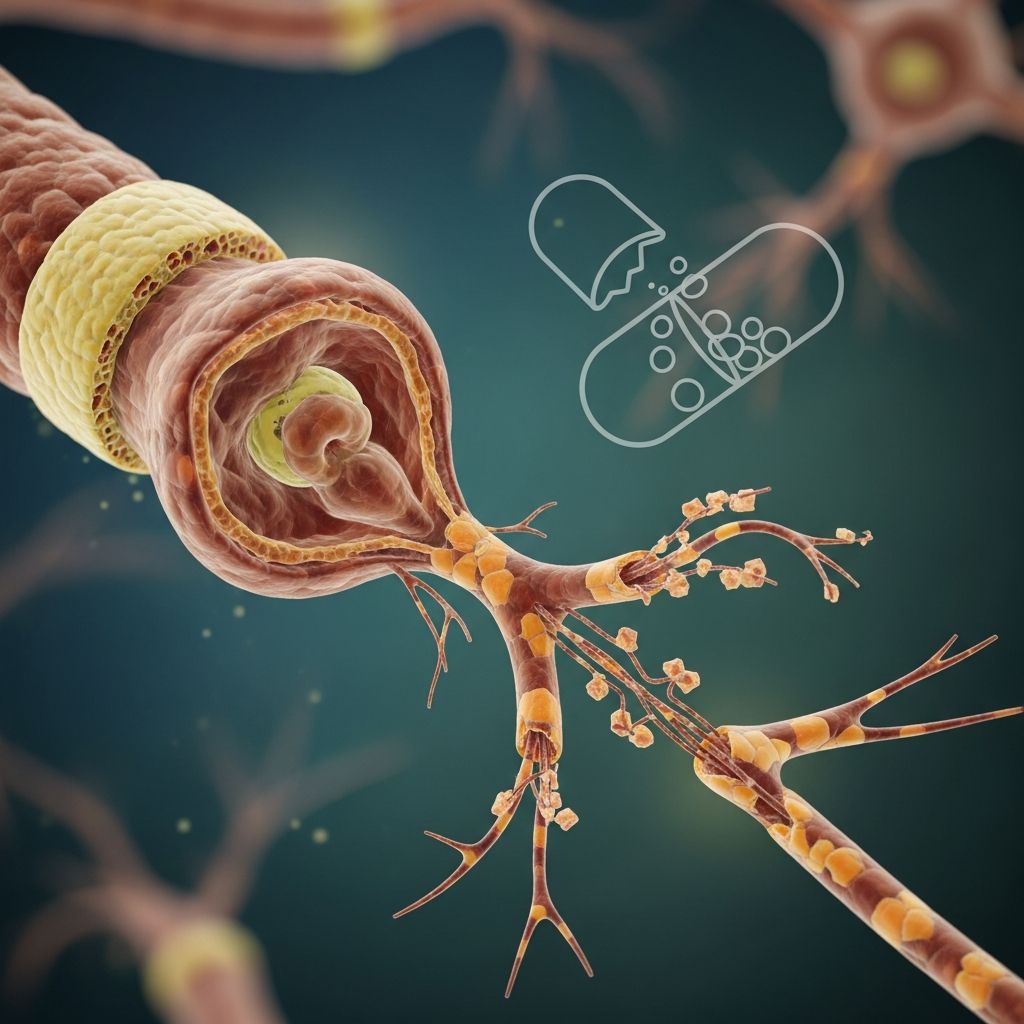
Animals depend on balanced diets to maintain healthy nervous systems, particularly the peripheral nerves and neuromuscular junctions that control movement and sensation. When essential nutrients like vitamins are lacking, serious disorders can emerge, leading to weakness, paralysis, and coordination problems. These conditions often stem from improper feed formulation, especially in intensive farming where diets may overlook specific needs. Understanding these disorders helps veterinarians and farmers prevent outbreaks and ensure animal welfare.
Key Nutritional Factors Affecting Nerve Health
The peripheral nervous system transmits signals from the brain and spinal cord to muscles and sensory organs. Nutritional deficiencies disrupt this by damaging myelin sheaths, axons, or neuromuscular transmission. B vitamins play critical roles: they support energy metabolism in nerve cells, maintain myelin integrity, and facilitate neurotransmitter function. Deficiencies arise from poor feed quality, rapid growth demands in young animals, or diets heavy in grains like corn that bind certain vitamins.
- Vitamin B1 (Thiamine): Essential for nerve conduction; shortages cause demyelination.
- Vitamin B2 (Riboflavin): Supports myelin production; lack leads to curled toes in birds.
- Vitamin B5 (Pantothenic Acid): Aids coenzyme A synthesis for nerve repair; deficiency hits pigs hard.
- Other B Vitamins (B6, B9, B12): Prevent axonal degeneration and sensory loss.
Research shows these issues are more common in monogastrics like pigs and poultry, where feed processing can degrade heat-sensitive vitamins.
Vitamin B2 Shortage: Impacts on Poultry
In chickens, particularly fast-growing broilers, insufficient riboflavin triggers a condition known as curled toe paralysis. Young chicks on unbalanced starter feeds exhibit stunted growth, loose stools, and leg weakness within weeks. They struggle to stand, with hocks failing to extend and toes curling inward, forcing them to perch on their legs awkwardly. This progresses to full immobility, raising mortality rates significantly by week three[10].
Pathologically, sciatic and other leg nerves swell noticeably at autopsy. Microscopic exams reveal Schwann cell enlargement, myelin stripping, and slight axon damage. The peripheral nerves show selective vulnerability, sparing central nerves initially. Supplementation reverses early cases, but chronic deformities persist, highlighting the need for timely intervention.
| Symptom | Timeline | Pathology |
|---|---|---|
| Poor growth, diarrhea | Week 1-2 | Early nerve swelling |
| Leg weakness, toe curl | Week 2-3 | Demyelination |
| High mortality | After week 3 | Axonal loss |
Farmers can prevent this by fortifying feeds with 4-6 mg/kg riboflavin, especially for breeds under high-density rearing[10].
Pantothenic Acid Deficiency in Swine
Pigs fed corn-dominant rations are prone to pantothenic acid (B5) deficiency due to the grain’s low content and anti-nutritional factors. Clinical signs start with unsteady hindquarters, evolving into a distinctive goose-step gait: stifles lock extended while hips over-flex to clear hooves. Animals appear uncoordinated, with eventual paralysis in severe cases.
Nerve exams disclose myelin fiber breakdown in limbs and spinal ganglia neuron changes, including chromatolysis (cell body dissolution) and neuron dropout. This reflects impaired energy production in nerve cells reliant on coenzyme A, derived from B5. Recovery involves diet correction with 20-30 mg/kg supplementation, restoring gait within days if caught early.
Broader B-Vitamin Deficiencies Across Species
Beyond B2 and B5, other vitamins contribute to neuropathies. Thiamine (B1) shortages, seen in ruminants on poor hay, cause polioencephalomalacia-like symptoms with nerve degeneration. B6 excess or deficit leads to sensory ataxia in dogs and cats. B12 and folate (B9) deficiencies mimic human subacute combined degeneration, damaging myelin and causing proprioceptive loss in herbivores.
In ruminants, cobalt deficiency indirectly depletes B12, as microbes need it for synthesis. Sheep and cattle show hindlimb dragging and anemia. Dogs on raw fish diets lose thiamine to thiaminase enzymes, presenting with seizures and neuropathy.
Pathophysiology of Nutritional Neuropathies
Deficient vitamins impair Schwann cell function, leading to demyelination where the fatty myelin sheath erodes, slowing impulses. Axonal degeneration follows, with nerve fibers shrinking and dying back from terminals. Neuromuscular junctions falter as acetylcholine release drops, causing flaccid paralysis.
Histology consistently shows perivascular inflammation, Wallerian degeneration (distal axon fragmentation), and regeneration attempts via sprouting. Young animals suffer most due to high nerve growth demands. Genetic factors in vitamin metabolism exacerbate risks, as seen in recent studies linking B2/B9 pathway variants to heightened susceptibility.
Diagnosis and Clinical Assessment
Vets diagnose via history of feed changes, gait exams, and electrophysiology. Electromyography detects denervation fibrillation; nerve conduction velocities quantify demyelination. Blood tests measure vitamin levels, though tissue biopsies confirm pathology. Differential includes toxins (e.g., organophosphates) and infections.
- Gait analysis: Ataxia scores from 0 (normal) to 5 (recumbent).
- Neurologic exam: Reflex loss, muscle atrophy.
- Lab: Serum B-vitamins, liver storage assays.
Prevention Strategies in Animal Husbandry
Balanced rations are paramount. Poultry feeds require 2.5-5 mg/kg riboflavin; swine need pantothenate at 15 mg/kg. Multivitamin premixes cover bases, with extras for stress periods like weaning. Storage prevents oxidation; pelleting preserves potency.
Regular monitoring via chick toe checks or pig gait watches catches issues early. Forage diversity aids ruminants, supplying natural vitamins.
Treatment Protocols and Prognosis
Immediate vitamin injections yield fastest response: riboflavin IM for chicks, pantothenate orally for pigs. Supportive care includes electrolytes, warmth, and slings for mobility. Most recover fully if treated before axon loss; delays mean permanent deficits.
Prognosis excels in acute cases (80-90% recovery) but drops with chronicity.
FAQs
What causes curled toe in chicks?
Riboflavin deficiency from poor feed, leading to leg nerve demyelination.
Can nutritional neuropathy be reversed in pigs?
Yes, with pantothenic acid supplements, especially early in goose-step gait onset.
How to prevent B-vitamin shortages in livestock?
Use fortified commercial feeds and monitor growth rates.
Are ruminants affected by these deficiencies?
Less directly, but cobalt/B12 issues cause similar nerve damage.
What tests confirm nutritional neuropathy?
Nerve biopsies, vitamin blood levels, and conduction studies.
Emerging Research and Considerations
Recent studies link vegan-like animal diets or bariatric analogs in pets to rising B-vitamin neuropathies. Historical outbreaks, like wartime POWs, underscore nutrition’s role. Farmers face added risks from zoonotics indirectly worsening nutrition. Age, toxins, and trauma compound deficiencies.
Future feeds may incorporate stable vitamin forms. Genetic screening for at-risk breeds could personalize rations.
References
- Nutritional Disorders of the Peripheral Nerves and Neuromuscular Junction in Animals — Merck Veterinary Manual. 2025. https://www.merckvetmanual.com/nervous-system/diseases-of-the-peripheral-nerves-and-neuromuscular-junction/nutritional-disorders-of-the-peripheral-nerves-and-neuromuscular-junction-in-animals
- Nutritional and Vitamin Deficiency Neuropathy — Foundation for Peripheral Neuropathy. 2023. https://www.foundationforpn.org/causes/nutritional-and-vitamin-deficiency-neuropathy/
- Nutritional peripheral neuropathies — PubMed (PMID: 37536924). 2023-08-03. https://pubmed.ncbi.nlm.nih.gov/37536924/
- Disorders of the Peripheral Nerves and Neuromuscular Junction in Dogs — MSD Veterinary Manual. 2025. https://www.msdvetmanual.com/dog-owners/brain-spinal-cord-and-nerve-disorders-of-dogs/disorders-of-the-peripheral-nerves-and-neuromuscular-junction-in-dogs
- Selective Vulnerability of Peripheral Nerves in Avian Riboflavin Deficiency — Veterinary Pathology (DOI:10.1354/vp.46-1-88). 2009. https://journals.sagepub.com/doi/10.1354/vp.46-1-88
Similar Articles








Read full bio of Sneha Tete


