
Nutritional Issues In Pet Birds: Expert Guide To Diets
Discover how poor diets lead to serious health problems in pet birds and learn proven strategies for balanced nutrition to ensure long, healthy lives.
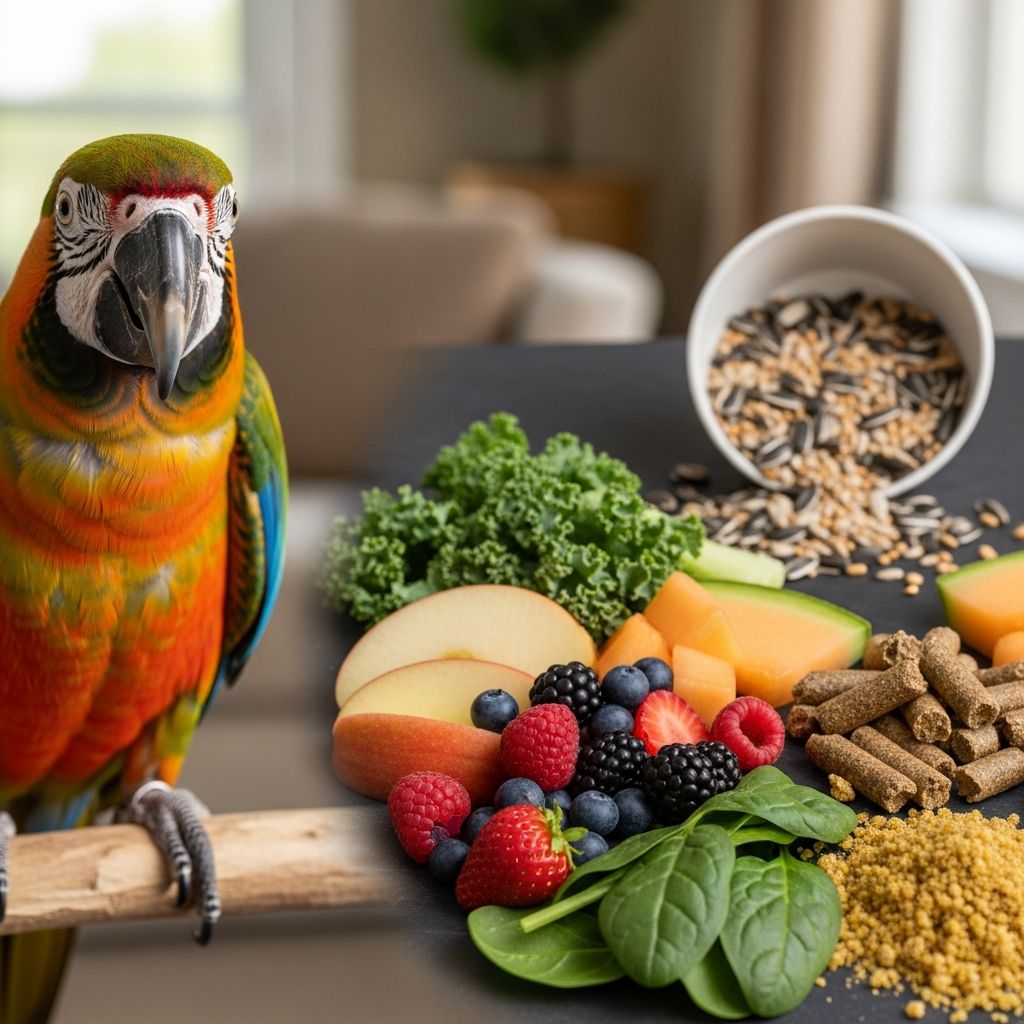
Pet birds like parrots, cockatiels, and finches often suffer from health problems rooted in improper feeding. Owners frequently offer seed mixes or allow selective eating, leading to deficiencies that manifest as liver issues, weak bones, respiratory troubles, and more. A balanced diet mimicking natural foraging prevents these conditions and supports vitality.
Why Diet Matters for Captive Birds
In the wild, birds consume diverse foods including fruits, insects, greens, and seeds, providing essential vitamins, minerals, and proteins. Captive birds, however, often pick high-fat seeds like sunflower, ignoring nutrient-dense options. This selective behavior causes imbalances, with seed-heavy diets low in calcium, vitamin A, and amino acids while high in fats.
Common pitfalls include all-seed diets, over-reliance on treats, and neglecting water quality. Birds in breeding, molting, or stress phases need extra nutrients, as illness reduces appetite further exacerbating shortages. Monitoring intake— not just what’s offered— is key to averting chronic diseases.
Obesity and Fatty Liver Syndrome
**Obesity** strikes birds on high-fat seed diets, especially Amazon parrots, cockatiels, and budgerigars. Excess weight strains the heart, limits flight, and promotes fatty liver disease, where fat infiltrates the organ, impairing function.
- Symptoms: Visible chest fat, labored breathing, reluctance to perch high, egg-laying issues in females.
- Risks: Diabetes, hernias, lipomas (fatty tumors), reduced lifespan.
- Prevention: Limit seeds to 10-20% of diet; prioritize pellets, veggies, and low-fat fruits.
Fatty liver often pairs with high cholesterol and kidney strain, as seen in birds fed lifelong sunflower seeds. Weight checks every two weeks help track progress.
Vitamin A Shortages and Related Problems
**Vitamin A deficiency** is rampant in seed-eaters, causing skin thickening, eye infections, sinus swelling, and foot sores (pododermatitis). Reproductive failures and weakened immunity also stem from this.
Seeds lack this fat-soluble vitamin, found richly in orange veggies like carrots, sweet potatoes, and dark greens. Over-supplementing risks toxicity, harming bones and reproduction. Veterinary blood tests confirm levels before adding supplements.
| Food Source | Vitamin A Content | Benefits for Birds |
|---|---|---|
| Kale, spinach | High | Boosts immunity, skin health |
| Sweet potato | Very high | Prevents respiratory issues |
| Seed mix (average) | Low | Insufficient alone |
Mineral Imbalances: Calcium, Phosphorus, and Vitamin D
Seeds boast high phosphorus but scant calcium, skewing the ideal 2:1 ratio. Without enough
vitamin D3
— produced via UVB light or diet— calcium absorption fails, yielding soft bones (metabolic bone disease).- Signs: Tremors, fractures, deformed beak/claws, seizures in severe cases.
- African Greys are prone to acute hypocalcemia on seed diets, needing prompt calcium therapy.
Sunflower and safflower seeds worsen this; counter with cuttlebone, leafy greens, or veterinary pellets. Full-spectrum lighting aids D3 synthesis indoors.
Iron Overload in Susceptible Species
**Iron storage disease** (hemochromatosis) overloads organs like liver and heart with iron, hitting mynahs, toucans, lories, and some parrots hardest. High-iron foods, vitamin C (boosts absorption), or genetics contribute.
Opt for low-iron pellets (<100 ppm), avoid citrus, red meats, and iron-rich water. Low-iron fruits like apples (peeled), pears, and melons are safe.
Other Key Deficiencies and Excesses
Beyond majors, shortages include:
- Vitamin E: Neurological signs in chicks, rare in adults.
- Vitamin K: Bleeding from antibiotic disruption of gut bacteria; sunflower diets predispose.
- B Vitamins: Star-gazing, polyneuritis from thiamine lack.
Excesses harm too:
Vitamin D toxicity
calcifies kidneys, especially in macaws; skip unnecessary supplements on pellet diets. Hypervitaminosis A from overzealous dosing causes bone issues.Formulating a Healthy Diet Plan
Aim for 50-70% pellets, 20-30% veggies/fruits, 10% seeds/nuts, varying daily to mimic foraging. Chop mixes encourage eating fibers first.
| Diet Component | Percentage | Examples |
|---|---|---|
| Pellets | 50-70% | Harrison’s, Zupreem brands |
| Vegetables | 20-30% | Broccoli, peppers, zucchini |
| Fruits | 10% | Berries, mango (no pits/seeds) |
| Seeds/Nuts | <10% | Sprouted safflower, almonds sparingly |
Forage toys with hidden food combat boredom-eating. Fresh water daily; test for metals.
Recognizing and Addressing Early Signs
Watch for dull feathers, weight loss/gain, lethargy, abnormal droppings (fatty, discolored). Annual vet checkups with bloodwork detect subclinical issues. Transition diets gradually over weeks to avoid crop stasis.
Breeding birds need boosts: extra protein, calcium. Chicks on poor formulas stunt, suffer slow crops, infections.
FAQs
Can I feed my bird table scraps?
Limited yes— plain veggies, grains. Avoid toxic avocado, chocolate, caffeine, onions, salty/sugary items.
How much seed is too much?
No more than 10%; excess fuels obesity, deficiencies.
Do pet birds need sunlight?
Yes, UVB lamps or safe outdoor time for vitamin D.
What if my bird refuses pellets?
Mix with favorites initially, hand-feed, use foraging. Consult avian vet.
Are supplements necessary?
Not on quality pellets; only vet-prescribed.
Long-Term Wellness Strategies
Exercise via flight space, toys promotes muscle tone, appetite control. Track body condition scores: ideal birds have a slight keel feel, no chest padding. Community resources like avian vets ensure tailored advice.
Proper nutrition slashes disease risk, extending lifespans— parrots can thrive 50+ years. Invest time in diet tweaks for a happier companion.
References
- Nutritional Disorders of Pet Birds — MSD Veterinary Manual. 2023. https://www.msdvetmanual.com/bird-owners/disorders-and-diseases-of-birds/nutritional-disorders-of-pet-birds
- Avoiding Nutritional Disease in Pet Parrots — MBG Vets. 2021-07. https://mbgvet.com/wp-content/uploads/2021/07/Avoiding-Nutritional-Disease-in-Pet-Parrots.pdf
- Understanding the Nutritional Needs of Pet Birds — The Natural Dog Online. 2024. https://www.thenaturaldogonline.com/content/pet-bird-nutrition
- An Overview of Pet Bird Nutrition — Iowa State University Library (Dr. Lib). 2022. https://dr.lib.iastate.edu/server/api/core/bitstreams/dc8ad198-7c67-44a9-b7f2-7a6764af2338/content
- Nutritional Considerations Section II — Harrison’s Bird Foods. 2024-02-04. https://www.harrisonsbirdfoods.com/wp-content/uploads/2024/02/04nutrition2.pdf
- Don’t Fly Blind When It Comes To Bird Nutrition — Texas A&M University Vet Med. 2023. https://vetmed.tamu.edu/news/pet-talk/bird-nutrition/
Similar Articles








Read full bio of Sneha Tete


