

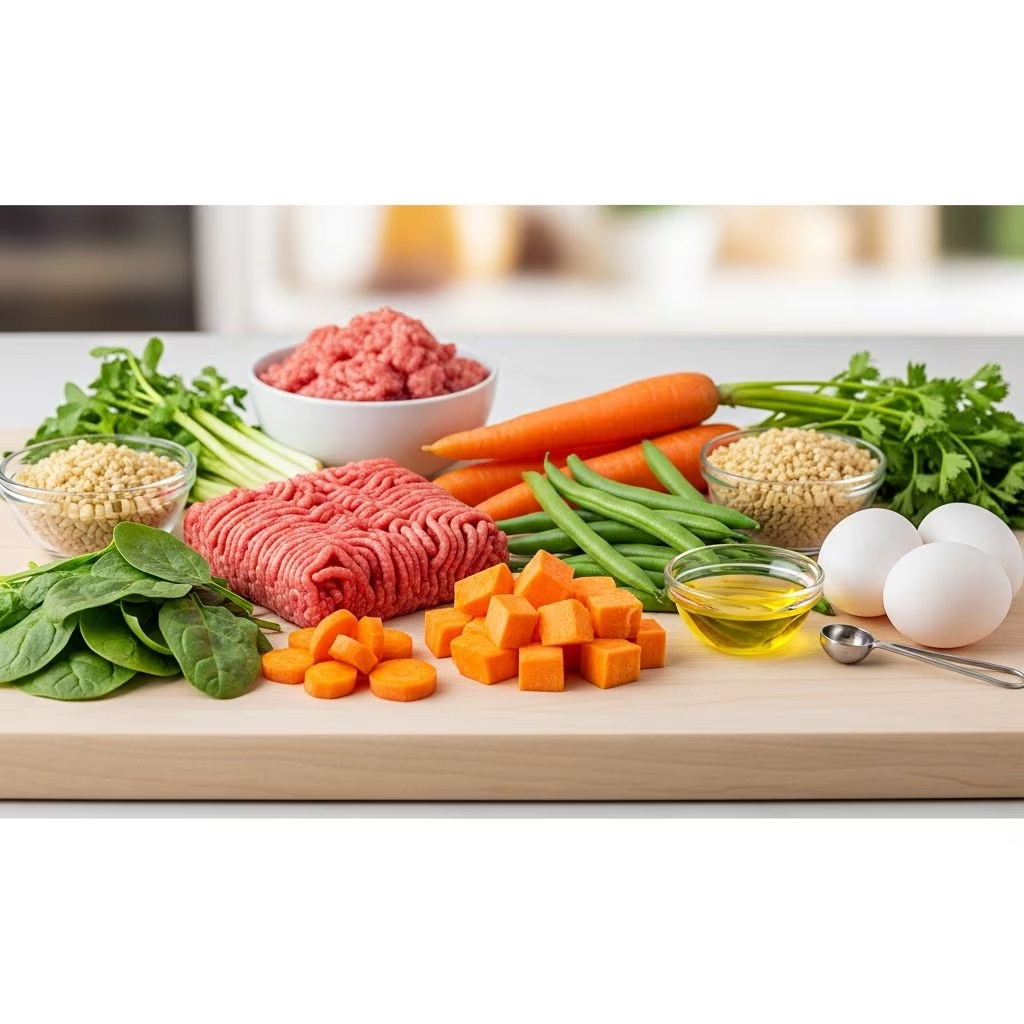
The decision to prepare meals for your dog at home represents a commitment to their long-term health and wellbeing. However, this responsibility comes with significant nutritional challenges that require careful planning and access to reliable educational resources. Understanding the complexities of canine nutrition is essential before embarking on a home-cooking journey for your pet. The landscape of available guides and instructional materials continues to expand, offering both opportunities and potential pitfalls for pet owners seeking to provide optimal nutrition through homemade diets.
Understanding the Nutritional Complexity of Canine Diets
Dogs have evolved alongside humans for thousands of years, yet their nutritional requirements remain distinctly different from ours. The complexity of formulating a nutritionally adequate homemade diet cannot be overstated. Canines require precise combinations of proteins, fats, carbohydrates, vitamins, and minerals in specific proportions to maintain optimal health. Simply combining ingredients that seem wholesome or nutritious to human standards falls far short of meeting a dog’s complex nutritional needs.
A comprehensive analysis conducted by researchers at the University of California, Davis, revealed sobering statistics about the state of available homemade dog food recipes. In what remains the largest nutritional evaluation of homemade dog food recipes ever conducted, researchers examined 200 different recipes from various sources. The findings were striking: 95 percent of these recipes resulted in food lacking adequate levels of at least one essential nutrient, with more than 83 percent containing multiple deficiencies.
Even more concerning, recipes published in books authored by veterinarians, while performing better than average, still contained significant nutritional gaps. Only recipes formulated by board-certified veterinary nutritionists consistently achieved acceptable nutrient profiles for adult dogs. This distinction underscores the critical importance of consulting with properly credentialed nutritional specialists rather than relying on general recipes, regardless of their source’s apparent expertise.
Common Nutritional Deficiencies in Home-Prepared Meals
Several specific nutritional deficiencies appear consistently across improperly formulated homemade dog diets. Understanding these common shortfalls helps pet owners recognize potential problems and take corrective action.
- Mineral Imbalances: The ratio between calcium and phosphorus represents one of the most critical nutritional parameters in dog food, particularly for growing puppies. Skeletal development depends heavily on maintaining proper mineral balance. Zinc, magnesium, and iron also frequently appear in inadequate quantities in homemade diets.
- Fat-Soluble Vitamin Deficiencies: Vitamins A, D, and components of the B-complex group rank among the most commonly overlooked nutrients in homemade preparations. These deficiencies can result in significant health consequences, including immune dysfunction, hepatic fat accumulation, and musculoskeletal abnormalities.
- Incomplete Protein Profiles: While dogs derive proteins from various sources, essential amino acids must be provided in proper combinations. Homemade diets relying on single protein sources frequently fail to deliver the complete amino acid spectrum necessary for optimal health.
- Choline Deficiency: This nutrient receives minimal attention in many homemade recipes despite its importance in liver function and neurological health.
The challenge with these deficiencies extends beyond their immediate health consequences. Pet owners sometimes attempt to address nutritional imbalances through the “balance over time” concept, rotating between different homemade recipes to achieve variety. However, research indicates this strategy often fails because recipes share similar deficiencies, making rotation ineffective at correcting underlying nutritional gaps.
Safety Concerns Associated with Home Food Preparation
Beyond nutritional adequacy, the physical preparation of homemade dog food introduces health risks that require serious consideration and rigorous attention to food safety protocols.
Microbial Contamination and Foodborne Pathogens
Raw meat represents a common component in many homemade dog food recipes, particularly those following raw or minimally processed feeding philosophies. The Centers for Disease Control and Prevention warns of significant risks associated with raw meat handling, including exposure to harmful pathogens such as Salmonella and E. coli. These bacteria pose threats not only to the dog but to all household members, particularly vulnerable populations including young children, elderly residents, and immunocompromised individuals.
Cross-contamination during food preparation presents another serious concern. Proper hygiene practices and food handling techniques become absolutely essential when working with raw ingredients. Even minor lapses in sanitation can introduce pathogens that compromise the health of all household occupants.
Ingredient Toxicity and Harmful Substances
Certain common human food ingredients pose direct toxicological risks to dogs. Pet owners must maintain vigilance against including potentially toxic substances in homemade preparations. Ingredients to strictly avoid include onions, garlic, grapes, xylitol (a sugar substitute found in many peanut butters), avocado, and certain nuts. These substances can cause serious harm, ranging from gastrointestinal distress to organ failure.
Bone-Related Hazards
While some homemade diet advocates recommend including bones, both raw and cooked bones present serious risks. Raw bones may cause fecal impaction, intestinal obstruction, and esophageal or bowel perforation. Cooked bones splinter easily, creating sharp fragments that can lacerate the digestive tract. Bone consumption also risks broken teeth, leading to pain and potential infection.
The Role of Professional Nutritional Guidance
Given the complexity and potential risks associated with homemade dog food preparation, consulting with board-certified veterinary nutritionists represents the gold standard approach. These specialists possess advanced training in nutritional science specifically as it applies to companion animals. Unlike general veterinarians who receive limited nutrition education during their professional training, veterinary nutritionists can formulate customized recipes tailored to individual dogs’ specific needs, age groups, activity levels, and health conditions.
The difference between recipes developed by veterinary nutritionists and those from general sources is demonstrable. In the UC Davis analysis of 200 recipes, all four recipes formulated by board-certified veterinary nutritionists achieved acceptable nutrient profiles for adult dogs. This 100 percent success rate contrasts sharply with the pervasive deficiencies found in recipes from other sources.
Educational Resources and Reference Materials
For pet owners committed to pursuing homemade dog food despite its challenges, access to reliable educational materials becomes essential. While numerous books, websites, and online resources purport to guide home food preparation, their quality varies dramatically.
Evaluating Recipe Sources
The apparent credibility of a recipe’s source does not guarantee its nutritional adequacy. Books authored by veterinarians, while generally performing better than internet recipes, still frequently contain significant nutrient deficiencies. Pet owners should approach recipe selection with appropriate skepticism, recognizing that professional credentials do not automatically translate to nutritional expertise.
Recipes should be avoided if they lack specificity or clarity regarding ingredient quantities and proportions. Vague measurements or undefined ingredients create opportunities for nutritional gaps to develop. Additionally, complicated or time-consuming recipes increase the likelihood that pet owners will take shortcuts in preparation, further compromising nutritional integrity.
Digital Tools and Calculation Resources
Modern technology offers tools to assist in formulating more balanced homemade diets. Various software programs and online calculators can analyze recipe compositions against established nutritional standards for dogs. However, even with these technological aids, the fundamental challenge of achieving proper nutrient balance remains substantial without professional guidance.
Health Benefits Reported by Home-Feeding Advocates
Despite the legitimate concerns regarding homemade dog food, pet owners report positive health outcomes associated with switching to home-prepared meals. These reported benefits merit consideration, though they should be evaluated within the context of broader nutritional science.
Many dog owners report that their pets demonstrate increased energy levels, improved coat quality, and enhanced skin condition after transitioning to home-prepared diets. These improvements may result from using fresh, whole ingredients rather than processed commercial foods, which sometimes contain additives and fillers that provoke gastrointestinal upset. Fresh ingredients often prove easier for dogs to digest and may promote superior nutrient absorption.
For dogs with documented food allergies or sensitivities, homemade diets offer the distinct advantage of complete ingredient control. Pet owners can eliminate suspected allergens and select protein sources appropriate to their individual dog’s digestive requirements. This customization capability represents one of the genuine advantages of home food preparation, particularly for dogs with complicated nutritional needs.
Research documenting cases where well-formulated, personalized homemade diets have enhanced overall pet health with near-complete symptom remission in dogs with pathological conditions provides compelling evidence that properly prepared homemade food can deliver significant benefits. However, this success depends entirely on achieving proper nutritional balance through professional formulation.
Practical Guidelines for Safe Home Food Preparation
Pet owners choosing to pursue homemade feeding should implement rigorous standards for food safety and nutritional completeness:
- Consult exclusively with board-certified veterinary nutritionists rather than relying on general recipes
- Request customized recipes accounting for your specific dog’s age, weight, activity level, and health status
- Never introduce recipes that appear from non-credible sources, regardless of endorsements
- Implement strict food safety protocols including proper handling, storage, and preparation techniques
- Avoid potentially toxic ingredients entirely
- Include appropriate supplement products containing essential minerals, vitamins, and fatty acids as recommended by your nutritionist
- Never feed cooked bones, and exercise extreme caution with raw bones
- Avoid rigid adherence to a single recipe indefinitely, as nutritional understanding continues evolving
Frequently Asked Questions
Can I use recipes from veterinary textbooks for my dog’s diet?
Veterinary textbook recipes perform better than average internet sources, but research demonstrates that most still contain nutritional deficiencies. Only recipes formulated by board-certified veterinary nutritionists consistently achieve balanced nutritional profiles.
Is the “balance over time” approach effective with homemade diets?
No. Because homemade recipes typically share similar deficiencies, rotating between different recipes does not correct underlying nutritional gaps.
Are raw meat diets safe for homemade dog food?
Raw meat carries documented risks of bacterial contamination including Salmonella and E. coli. These pathogens threaten both your dog and household members. Rigorous food safety protocols are essential, and immunocompromised household members face particular risk.
What supplements do I need to add to homemade dog food?
Most homemade diets require supplementation with minerals, vitamins, and fatty acids to achieve nutritional completeness. A board-certified veterinary nutritionist can specify exactly which supplements your dog needs based on your recipe formulation.
Conclusion
Preparing homemade dog food represents a significant undertaking that demands respect for nutritional complexity and commitment to food safety. While legitimate concerns regarding commercial pet food ingredients motivate many owners toward home preparation, and while properly formulated homemade diets can deliver documented health benefits, achieving nutritional adequacy requires professional guidance from board-certified veterinary nutritionists. The evidence overwhelmingly demonstrates that general recipes, even from veterinary sources, frequently fall short of meeting dogs’ complex nutritional requirements. Pet owners serious about home feeding should prioritize consultation with qualified nutritional specialists over reliance on published recipes, ensuring their dogs receive the scientifically-formulated, individually-tailored nutrition that optimal health demands.
References
- Homemade Dog Food Benefits & Risks For Your Pup — We Are The Cure. 2024. https://wearethecure.org/homemade-dog-food-benefits-and-risks/
- Homemade dog food recipes can be risky business, study finds — UC Davis School of Veterinary Medicine. 2013. https://www.ucdavis.edu/news/homemade-dog-food-recipes-can-be-risky-business-study-finds
- Food for Thought: Pros and Cons of Homemade Pet Diets — Cupertino Veterinary Clinic. https://cupertinovet.com/food-for-thought-pros-and-cons-of-homemade-pet-diets/
- The Trouble with Homemade Pet Food — Central Kentucky Veterinary Clinic. 2024. https://centralkentuckyvet.com/2024/10/01/the-trouble-with-homemade-pet-food/
- Nutrition – Home Made Diets — VCA Animal Hospitals. https://vcahospitals.com/know-your-pet/nutrition—home-made-diets
- Balancing Homemade Diets for Pets: Risks, Benefits, and Guidelines — Veterinary Specialists. 2024. https://www.vetspecialists.com/vet-blog-landing/animal-health-articles/2024/03/28/Balancing-Homemade-Diets-For-Pets
- Pros and Cons of Homemade Pet Food | Nutrition for Dogs and Cats — Pet Assure. https://www.petassure.com/new-newsletters/homemade-pet-food-benefits-risks-and-essential-nutrients/
- Homemade Diet as a Paramount for Dogs’ Health — PMC (PubMed Central). 2024. https://pmc.ncbi.nlm.nih.gov/articles/PMC11435771/



