
Nutritional Disorders In Mink Farming: 7 Key Prevention Tips
Essential insights into preventing and managing diet-related health issues in mink to boost farm productivity and animal welfare.
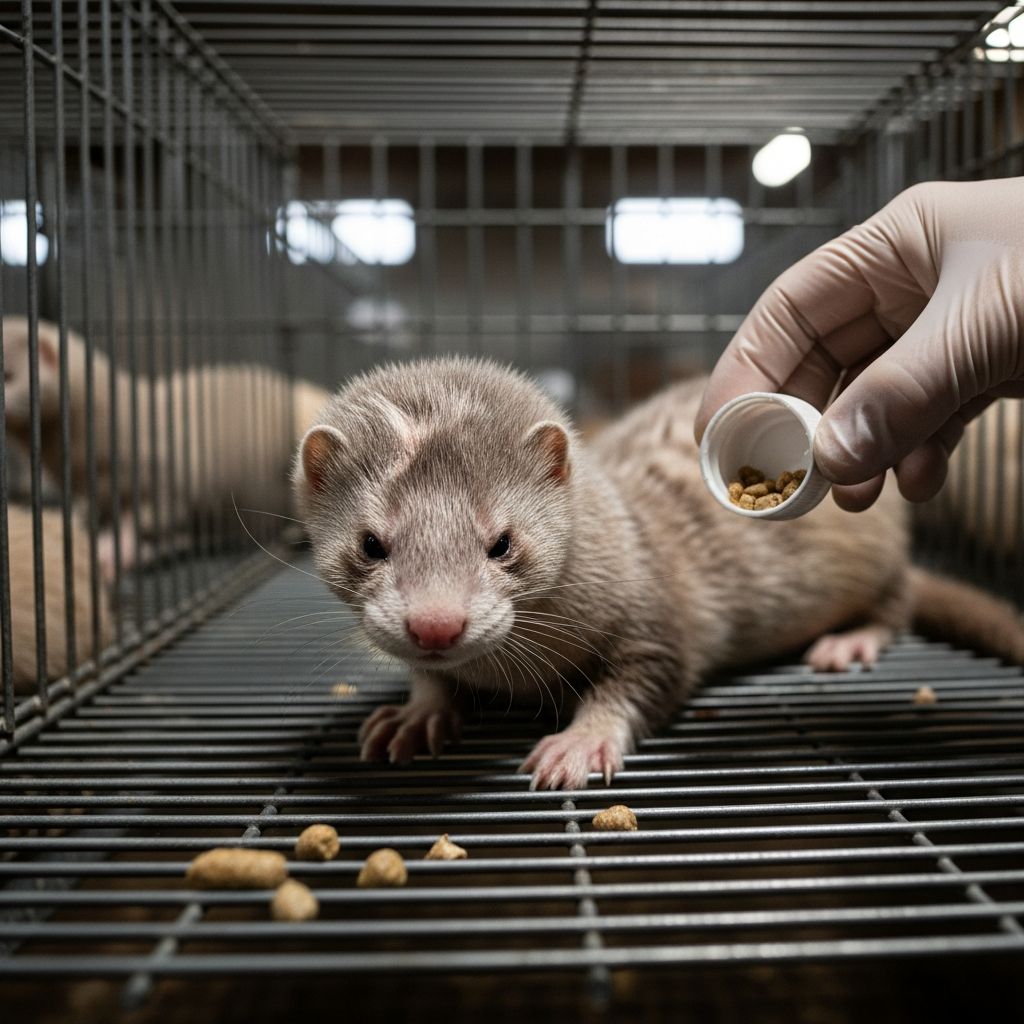
Mink, valued in the fur industry for their pelts, face several health challenges rooted in dietary imbalances. Proper nutrition is vital during growth, breeding, and lactation phases to avoid disorders like nursing sickness and fatty liver disease. This article details causes, symptoms, and management tactics drawn from veterinary research.
Understanding Mink Nutritional Needs
Mink require high-protein diets with balanced fats, vitamins, and minerals. Breeding females demand extra energy for lactation, while kits need nutrients for rapid development. Imbalances lead to metabolic issues, with obesity or undernutrition as common triggers. Research links poor body condition to elevated mortality rates in farms.
- Protein: 50-60% of diet during lactation for milk production.
- Fats: Essential fatty acids, especially n-3, to support metabolism.
- Vitamins: Thiamine (B1) prevents neurological issues; others combat anemia and bone deformities.
Diets often include fish, meat byproducts, and cereals, but poultry-based feeds increase risks due to low n-3 levels and high protein oxidation.
Nursing Sickness: A Major Lactation Threat
Nursing sickness strikes lactating female mink, causing the highest mortality in adults. It emerges from energy deficits during milk production, leading to insulin resistance. Key factors include obesity, n-3 fatty acid shortages, and excessive protein breakdown.
Symptoms progress rapidly: initial weight loss over 30%, lethargy, and appetite refusal, followed by staggering, dehydration, coma, and death within days. Blood shows high glucose, insulin, proteins, and creatinine; urine has low sodium. Postmortem reveals fatty liver, gastric ulcers, and adrenal changes.
| Risk Factor | Impact |
|---|---|
| Age of dam | Older females more susceptible |
| Litter size | Large litters (7+ kits) accelerate weight loss |
| Diet type | Poultry feeds worsen due to low n-3 fats |
| Body condition | Obesity or rapid slimming predisposes |
Prevention focuses on balanced feeds with fish oils for n-3, moderate protein (under 60%), and monitoring weights. Early weaning reduces stress.
Fatty Liver Disease in Overfed Mink
Hepatic lipidosis, or fatty liver, affects overweight mink during furring or slimming. Fat accumulates in liver cells, impairing function. Common in males September-December and breeders losing condition.
Signs are subtle: elevated liver enzymes (ALT), increased liver weight and fat. Late stages bring reduced intake, melena, and bleeding. No cure exists; prevention via controlled feeding prevents obesity. Studies note rising incidence with intensive farming.
Chastek’s Paralysis and Thiamine Deficiency
Chastek’s paralysis results from vitamin B1 (thiamine) shortage, causing hindquarter weakness and death. Raw fish diets destroy thiamine via enzymes, hitting kits and adults.
Symptoms: sudden paralysis, convulsions, head retraction. Postmortem shows brain hemorrhages. Add thiamine supplements or heat-process fish to prevent.
Other Key Nutritional Issues
Nutritional Anemia
Iron and copper deficiencies cause pale kits with weakness. Bloody stools signal issues. Supplement minerals in maternal diets.
Rickets and Bone Disorders
Calcium-phosphorus imbalances or vitamin D lack lead to soft bones, fractures. Ensure sunlight exposure or fortified feeds.
Steatitis (Yellow Fat Disease)
Vitamin E deficiency in high-fat diets causes inflamed fat. Mink reject feed, lose weight. Antioxidants prevent.
Gastroenteritis from Diet
Imbalanced feeds cause diarrhea, weight loss. Malabsorption noted in studies.
Role of Diet Composition in Disease Prevention
High-protein diets (>60%) boost metabolism but raise oxidative stress, NEFA levels, and insulin resistance. Poultry fats lack n-3, linked to higher sickness rates. Fish-inclusive diets mitigate risks.
Table of Ideal Diet Phases:
| Phase | Protein % | Fat Source | Key Additives |
|---|---|---|---|
| Growth | 45-50 | Fish meal | Iron, copper |
| Lactation | 55-60 | Fish oil (n-3) | Thiamine, vit E |
| Furring | 40-45 | Balanced fats | Limit to avoid obesity |
Management Strategies for Mink Health
- Monitor body condition scores regularly.
- Segment feeds by life stage; test for nutrient levels.
- Ensure clean water; manage pH to prevent urinary issues linked to nutrition.
- Reduce stress: optimal cage design, temperature control.
- Vaccinate and deworm alongside nutrition.
Farms report lower mortality with proactive weighing and diet adjustments.
Diagnostic Approaches
Blood tests reveal hyperglycemia, high osmolality in nursing sickness. Necropsies confirm fatty livers, ulcers. Labs check for thiamine, fatty acids.
FAQs
What causes nursing sickness in mink?
Primarily insulin resistance from obesity, n-3 deficiency, high protein oxidation during lactation.
How to prevent fatty liver in mink?
Avoid overfeeding; monitor weights during furring and slimming phases.
Is Chastek’s paralysis curable?
Treatable if caught early with thiamine injections, but prevention via diet is best.
Why do large litters increase disease risk?
Higher milk demand depletes maternal reserves faster, triggering metabolic stress.
Can diet affect urinary diseases in mink?
Yes, pH imbalances from minerals lead to stones; balance with water and diet.
Future Directions in Mink Nutrition
Research advances personalized feeds using genetics and biomarkers. Sustainable sourcing of n-3 fats reduces costs. Farms adopting precision nutrition see 20-30% mortality drops.
References
- Nursing sickness in the mink — a metabolic mystery or a familiar foe? — PMC. 2003-07-01. https://pmc.ncbi.nlm.nih.gov/articles/PMC227047/
- MINK DISEASES — Government of Canada. 1976-01-01. https://publications.gc.ca/collections/collection_2015/aac-aafc/A43-1567-1976-eng.pdf
- Aleutian Mink Disease — MalaCards. Accessed 2026. https://www.malacards.org/card/aleutian_mink_disease
- Mink Health and Management-Related Diseases — University of Prince Edward Island. 2010-01-01. https://files.upei.ca/avc/sjdawc/rouvinen-watt_mink_health_and_management_related_diseases.pdf
- Diseases of Mink — Iowa State University. Accessed 2026. https://dr.lib.iastate.edu/bitstreams/70682347-92f2-4a4b-bc2b-849728e6416c/download
- Nursing Disease in Mink: Clinical and Postmortem Findings — SAGE Journals. 1993-01-01. https://journals.sagepub.com/doi/10.1177/030098589303000604
Similar Articles








Read full bio of medha deb


