

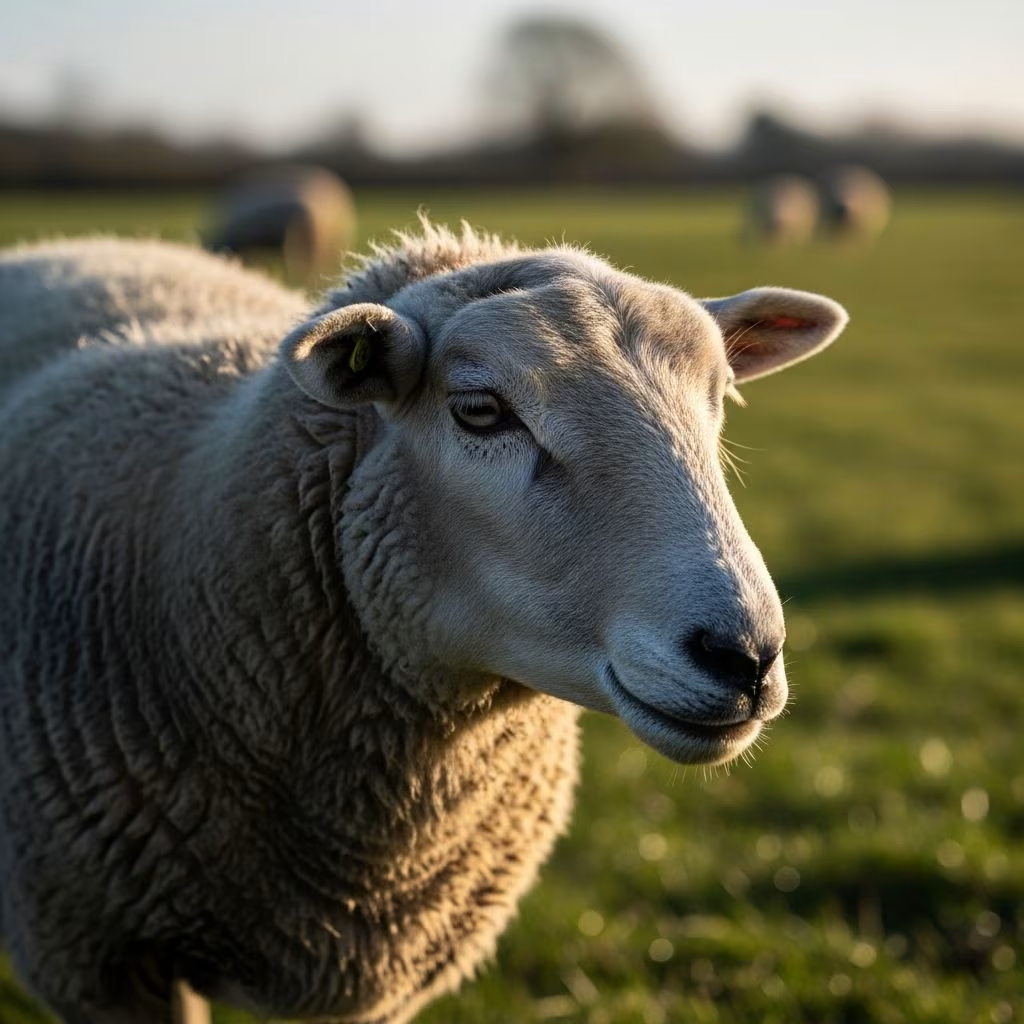
Sheep flocks worldwide face significant risks from nutritional imbalances, which can lead to reduced productivity, poor growth, and high mortality rates. Proper diet management is crucial for preventing these issues, as deficiencies in vitamins, minerals, and energy sources often manifest in subtle ways before becoming severe. This article examines major nutritional disorders, their underlying causes, clinical presentations, diagnostic approaches, and practical prevention measures, drawing from established veterinary research.
Understanding the Impact of Poor Nutrition on Sheep Health
Nutritional disorders arise primarily from inadequate feed quality, soil deficiencies, or improper supplementation, exacerbating problems like parasitism and stress in intensive farming systems. Sheep require balanced energy from carbohydrates and fats, proteins for growth and wool production, vitamins for metabolic functions, and minerals for skeletal and immune health. Deficiencies often interact; for instance, low cobalt impairs vitamin B12 production, compounding emaciation. Early detection through regular monitoring of body condition scores and blood tests is vital to mitigate economic losses.
Energy-Related Imbalances and Digestive Disruptions
Excessive carbohydrate intake, common in grain-heavy diets, disrupts rumen pH, leading to acidosis. Acute cases cause rapid death, while chronic forms result in weight loss, diarrhea, and laminitis-like symptoms. Subacute ruminal acidosis manifests as cyclic feed intake reduction, poor body condition, and increased culling rates. Bloat, or tympany, often accompanies rumenitis from bacterial invasions, with frothy bloat being prevalent in lush pastures.
Prevention involves gradual feed transitions, free-choice minerals, and balanced roughage-to-concentrate ratios. Treatment for survivors includes rumen emptying, antacids, and probiotics under veterinary guidance.
Mineral Deficiencies: Cobalt and the Pine Syndrome
Cobalt deficiency, known as ‘pine,’ affects weaned lambs most severely due to high sulfur-amino acid needs for wool. Soil cobalt scarcity, worsened by diarrhea from parasites, hinders ruminal B12 synthesis, causing ill-thrift resembling starvation. Lambs exhibit poor growth, rough wool, emaciation, pica, and in severe cases, white liver disease with jaundice and neurological signs.
- Early signs: Debilitated posture, reduced appetite, open fleece.
- Advanced stages: Anemia, head pressing, death without intervention.
Differentials include coccidiosis, nematodirosis, and overstocked pastures. Diagnosis confirms via liver B12 levels. Prevention strategies encompass cobalt bullets, fortified licks, or top-dressing pastures, especially in deficient regions.
Copper Imbalances: From Swayback to Wool Defects
Copper deficiency stems from low pasture levels antagonized by high molybdenum, sulfur, or iron. In lambs, congenital swayback appears at birth with ataxia and paraparesis; delayed forms cause enzootic ataxia in growing sheep. Adults show faded wool, poor pigmentation, and bone fragility. Sheep are highly susceptible, with manifestations varying by region—swayback in the UK, anemia in Australia.
| Stage | Symptoms | Prevention |
|---|---|---|
| Congenital | Flaccid hindlimb weakness, recumbency | Ewe supplementation pre-lambing |
| Delayed | Swaying gait, wool changes | Balanced mineral mixes |
| Adult | Anaemia, reduced fertility | Soil testing, Cu injections |
Avoid over-supplementation to prevent toxicity. Blood ceruloplasmin tests aid diagnosis.
Selenium and Vitamin E Shortfalls: White Muscle Disease
White muscle disease (nutritional muscular dystrophy) primarily strikes newborn or fast-growing lambs in selenium-poor soils. Vitamin E deficiency compounds issues in drought-stressed or propionic acid-treated grains. Cardiac and skeletal muscles degenerate, causing stiffness, arched backs, dyspnea, and frothing. Incidence ranges 1-30%, with subclinical cases affecting up to 30% of flocks.
- In-utero form: Stillbirths, weak neonates.
- Postnatal: Hindquarter swelling, painful gait.
Free-choice selenium minerals and ewe injections prevent outbreaks. Soil mapping guides long-term management.
Vitamin Deficiencies: Thiamine and Iodine Concerns
Polioencephalomalacia (PEM) results from thiamine (B1) impairment, often linked to high-concentrate diets or sulfur excess. Young sheep show blindness, incoordination, and convulsions; outbreaks occur rapidly. Iodine deficiency causes goiter in newborns from deficient dams, leading to weak, starving lambs with throat swelling.
Treatment for PEM involves immediate thiamine injections; iodine via ewe feeds prevents goiter. High-risk feeds like roots demand monitoring.
Energy Crises in Late Pregnancy: Toxemia Risks
Pregnancy toxemia, or twin lamb disease, strikes ewes carrying multiples under negative energy balance. Hypoglycemia and ketosis cause lethargy, recumbency, and nervous signs. Prevention prioritizes body condition scoring, adequate silage, and glucose drenching for at-risk ewes.
Other Notable Disorders: Calcium and Enterotoxemia
Calcium shortages during lactation lead to milk fever with muscle tremors. Enterotoxemia (overeaters disease) from Clostridium perfringens toxins follows rapid grain intake or stress, causing sudden deaths. Annual vaccinations (7-8 way Clostridial) are standard.
Diagnostic Strategies for Nutritional Issues
Routine diagnostics include blood profiles for minerals/vitamins, liver biopsies for cobalt, and fecal exams for parasites. Soil and forage analysis predicts flock risks. Multinutrient imbalances demand comprehensive profiling.
Prevention and Management Best Practices
- Forage testing: Annual analysis for macro/micro-nutrients.
- Supplementation: Free-choice minerals tailored to region.
- Parasite control: Integrated with nutrition to enhance absorption.
- Monitoring: Weekly body condition checks, especially pre-lambing.
- Vaccinations: Against Clostridial diseases in high-risk groups.
Farm-specific plans, consulting vets, optimize outcomes.
Frequently Asked Questions (FAQs)
What causes white muscle disease in lambs?
Selenium and/or vitamin E deficiency, common in deficient soils or poor feeds.
How to prevent cobalt deficiency (pine)?
Use cobalt licks, bullets, or pasture treatments; monitor high-risk weaners.
Can sheep recover from swayback?
Congenital cases often fatal; early copper therapy aids delayed forms.
What’s the treatment for rumen acidosis?
Veterinary intervention with rumen evacuants and antacids; prevent via balanced feeding.
Why vaccinate for enterotoxemia?
Protects against rapid-onset toxin deaths in overfed lambs.
Key Takeaways for Sheep Producers
Proactive nutrition averts most disorders. Regional soil data, vigilant monitoring, and targeted supplements ensure thriving flocks. Consult professionals for tailored advice.
References
- Nutritional Wasting Disorders in Sheep — PMC (NCBI). 2021-03-01. https://pmc.ncbi.nlm.nih.gov/articles/PMC7918192/
- Sheep Nutrition — New Mexico State University Extension. 2023-01-15. https://pubs.nmsu.edu/_circulars/CR685/index.html
- Trace Element Deficiencies in Sheep — NADIS. 2022-09-20. https://www.nadis.org.uk/disease-a-z/sheep/trace-element-deficiencies-in-sheep/
- Nutritionally Related Diseases of Sheep — Cornell University College of Veterinary Medicine. 2024-05-10. https://www.vet.cornell.edu/animal-health-diagnostic-center/programs/nyschap/modules-documents/nutritionally-related-diseases-sheep
- Sheep Nutritional Diseases Part 1 — Molatek. 2023-11-05. https://www.molatek.co.za/sheep-nutritional-diseases-part-1/
- Nutrition of Sheep — Merck Veterinary Manual. 2025-02-01. https://www.merckvetmanual.com/management-and-nutrition/preventative-health-care-and-husbandry-of-sheep/nutrition-of-sheep



