

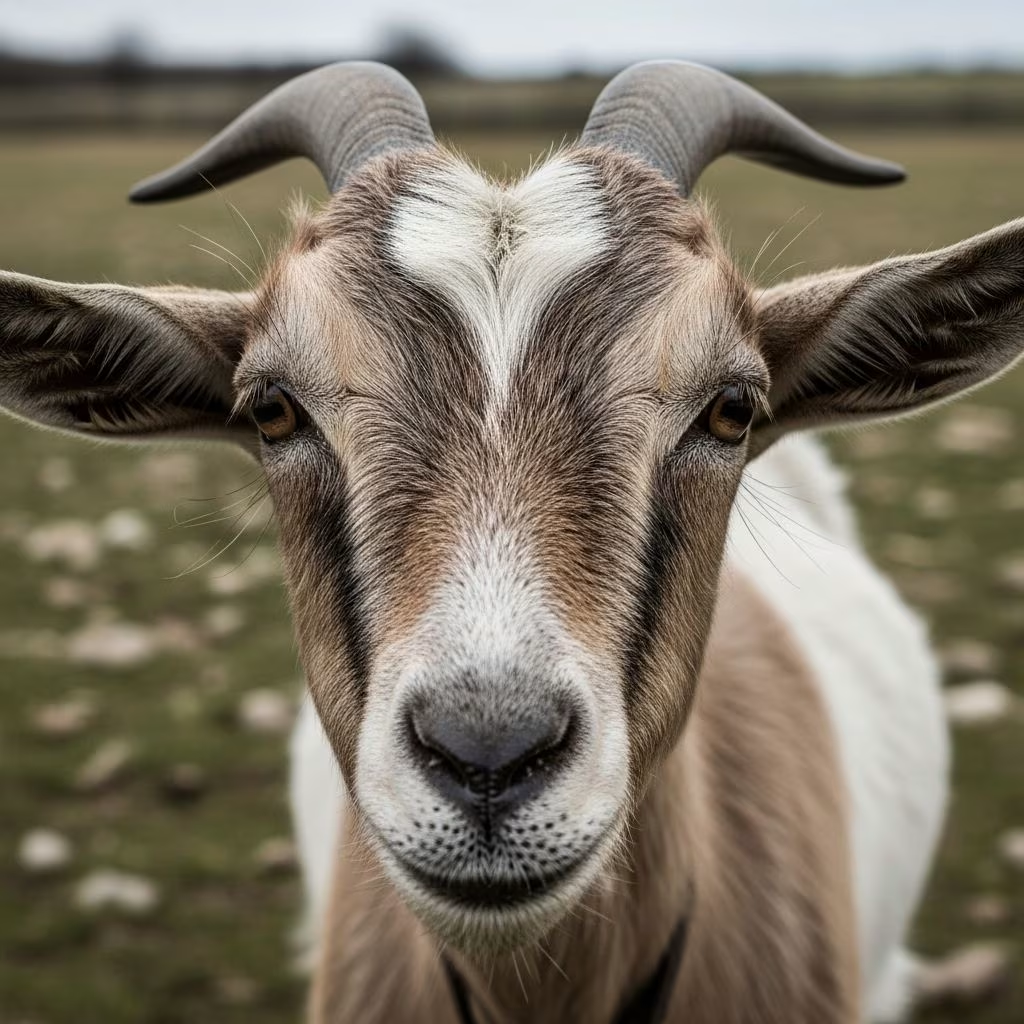
Goats are resilient animals, but improper feeding practices can lead to serious nutritional disorders that impact growth, reproduction, and overall vitality. These conditions often stem from imbalances in energy, minerals, vitamins, or sudden dietary shifts. Understanding the root causes, clinical signs, and preventive measures is crucial for goat owners to maintain a healthy herd. This article delves into the most prevalent nutritional challenges, offering practical advice grounded in veterinary science.
Understanding the Impact of Diet on Goat Health
Goats thrive on diverse diets including forages, grains, and supplements, but their rumen—a complex fermentation vat—requires balance. Excessive concentrates disrupt microbial populations, while mineral-poor pastures lead to deficiencies. Factors like breed, age, pregnancy status, and environment influence nutritional needs. Regular monitoring of feed quality and body condition scoring helps detect issues early.
- Rumen function: Essential for breaking down fibrous feeds into usable energy.
- Mineral balance: Critical ratios like calcium-to-phosphorus prevent urinary issues.
- Energy demands: Peak during lactation and late gestation.
Feed-Related Toxins: Enterotoxemia Explained
Enterotoxemia, often termed overeating disease, arises when goats consume excessive carbohydrates, triggering toxin release from Clostridium perfringens type D in the intestines. This bacterial overgrowth is common in rapidly growing kids or those suddenly given lush pasture or grain. Forms range from sudden death in peracute cases to staggering and diarrhea in acute ones, with chronic versions causing weight loss in adults.
Symptoms include lethargy, convulsions, and bloody diarrhea. Prevention hinges on gradual feed introductions and vaccination protocols, especially for young stock. High-risk scenarios involve feedlot settings or abrupt weaning.
| Stage | Symptoms | Prevention |
|---|---|---|
| Peracute | Sudden death | Vaccinate kids at 6-8 weeks |
| Acute | Diarrhea, ataxia | Limit grain to 1-2% body weight |
| Chronic | Ill thrift | Balanced roughage diet |
Pregnancy Challenges: Toxemia and Ketosis
Pregnancy toxemia, known as twin lamb disease in sheep, strikes does carrying multiples in late gestation. Negative energy balance forces fat mobilization, producing ketones that depress appetite and lead to coma. Underfed does on poor pasture or stressed by overcrowding are prime candidates. Early signs mimic listeriosis: weakness, grinding teeth, and sweet breath odor.
Treatment involves glucose drips and supportive care, but prognosis is poor post-recumbency. Avoid by maintaining body condition scores above 3/5, providing 2.5-3% body weight in dry matter daily, and monitoring ultrasound for multiples.
Calcium Imbalances: Hypocalcemia Risks
Hypocalcemia, or milk fever, affects heavy-milking does around kidding due to fetal calcium demands outpacing intake. High-potassium forages exacerbate it by altering acid-base balance. Clinical presentation includes muscle tremors, bloat, and inability to stand, resolving with IV calcium gluconate under veterinary supervision.
Prevention strategies include anionic salts pre-kidding to enhance calcium mobilization and avoiding excessive legume hays. Unlike cows, goats rarely need propylene glycol adjuncts.
Rumen Disruptions: Acidosis and Its Consequences
Ruminal acidosis occurs from gorging on grains or molasses-rich feeds, dropping pH below 5 and favoring lactate-producing bacteria like Streptococcus bovis. Peracute cases cause shock and death; survivors face laminitis or secondary enterotoxemia. Goats show grinding teeth, dehydration, and foul diarrhea.
Manage mild cases with baking soda drenches and hay; severe ones require rumen transfaunation. Prevent by increasing concentrates over 10-14 days, ensuring 40%+ fiber, and using buffers.
- Mild acidosis: Reduced rumen motility, scours.
- Severe acidosis: Endotoxemia, recumbency.
Urinary Tract Woes: Urolithiasis in Males
Urolithiasis, or water belly, predominantly hits wethers and bucks on high-grain diets with inverted calcium-to-phosphorus ratios (ideal 2:1). Struvite, oxalate, or silicate stones block the urethra, causing abdominal pain, straining, and penile swelling. Breeds like Boer are susceptible.
Emergency relief involves catheterization or amputation; prevention mandates ammonium chloride (0.5% diet), free-choice salt, and water access. Pastures high in silica amplify risks.
Vitamin Shortfalls: Thiamine Deficiency and PEM
Polioencephalomalacia (PEM) results from thiamine (B1) deficiency, often tied to high-sulfur feeds or grain-heavy diets suppressing rumen synthesis. Goats display blindness, head pressing, and opisthotonos. High-grain kid diets disrupt flora, mimicking polio symptoms.
Injectable thiamine responds dramatically if caught early. Forage-based diets with cobalt support B12 production, indirectly aiding B1.
Muscle and Mineral Deficiencies: Selenium and Beyond
Nutritional myodegeneration, or white muscle disease, stems from selenium/vitamin E deficiency in fast-growing kids on selenium-poor soils. Sudden death or stiff gait ensues from myocardial or skeletal muscle necrosis.
Selenium injections (0.1 mg/kg) or fortified feeds prevent outbreaks. Copper issues dual-threat: deficiency causes faded hair and swayback in lambs, while excess from sheep minerals poisons goats via hemolytic crisis. Molybdenum and sulfur antagonize absorption; test forages regularly.
| Mineral | Deficiency Signs | Toxicity Signs |
|---|---|---|
| Selenium | Muscle weakness | Blind staggers |
| Copper | Alopecia, anemia | Hemolysis, icterus |
| Iodine | Goiter | Rare |
Other Metabolic Hurdles: Hypomagnesemia and Goiter
Hypomagnesemia (grass tetany) hits lactating does on lush, potassium-rich pastures, causing convulsions and death. Magnesium oxide supplementation counters it. Iodine deficiency enlarges thyroids, impairing kid viability; iodized salt suffices in endemic areas.
Prevention Blueprint: Best Feeding Practices
Proactive nutrition averts most disorders:
- Formulate rations balancing energy (TDN 50-70%), protein (12-16%), and minerals.
- Transition feeds slowly over 2 weeks.
- Test water and forages for antagonists like sulfates.
- Vaccinate against clostridials; deworm routinely.
- Provide clean water ad libitum.
Body condition scoring monthly guides adjustments. Consult extension services for regional deficiencies.
Diagnostic Approaches and Treatment Protocols
Diagnosis combines history, clinical exams, and necropsies. Bloodwork reveals ketones in toxemia, low calcium in paresis. Ruminal pH <5 confirms acidosis. Treatments demand vet intervention: fluids, electrolytes, and specifics like calcium borogluconate.
FAQs on Goat Nutritional Health
What causes sudden death in goat kids?
Often enterotoxemia or PEM from dietary excess or deficiency.
How to prevent urinary calculi in wethers?
Maintain 2:1 Ca:P, add ammonium chloride.
Is pregnancy toxemia preventable?
Yes, via adequate energy feeding and monitoring multiples.
Can goats overdose on copper?
Absolutely; use goat-specific minerals.
What role does fiber play in goat diets?
Prevents acidosis by stabilizing rumen pH.
(Word count: 1678)
References
- Nutritional Diseases of Goats — MSD Veterinary Manual. 2023. https://www.msdvetmanual.com/management-and-nutrition/nutrition-goats/nutritional-diseases-of-goats
- 3 Nutritional Disorders to Consider When Feeding Goats — Standlee Forage. 2022. https://www.standleeforage.com/standlee-barn-bulletin/3-nutritional-disorders-to-consider-when-feeding-goats/
- Common Nutritional and Metabolic Diseases of Goats — Cornell University Animal Science. 2015. http://goatdocs.ansci.cornell.edu/Resources/GoatArticles/GoatFeeding/GoatNutritionalDiseases1.pdf
- Essential Nutritional Needs for Healthy Goats — RVS Vet. 2024. https://rvsvet.com/essential-nutritional-needs-for-healthy-goats-what-every-owner-should-know/
- Goats and their Nutrition — Government of Manitoba (.gov). 2020. https://www.gov.mb.ca/agriculture/livestock/goat/pubs/goats-and-their-nutrition.pdf
- Basic Nutrition of Small Ruminants — University of Arkansas Extension (.edu). 2023. https://www.uaex.uada.edu/farm-ranch/animals-forages/sheep-goats/nutrition.aspx



