

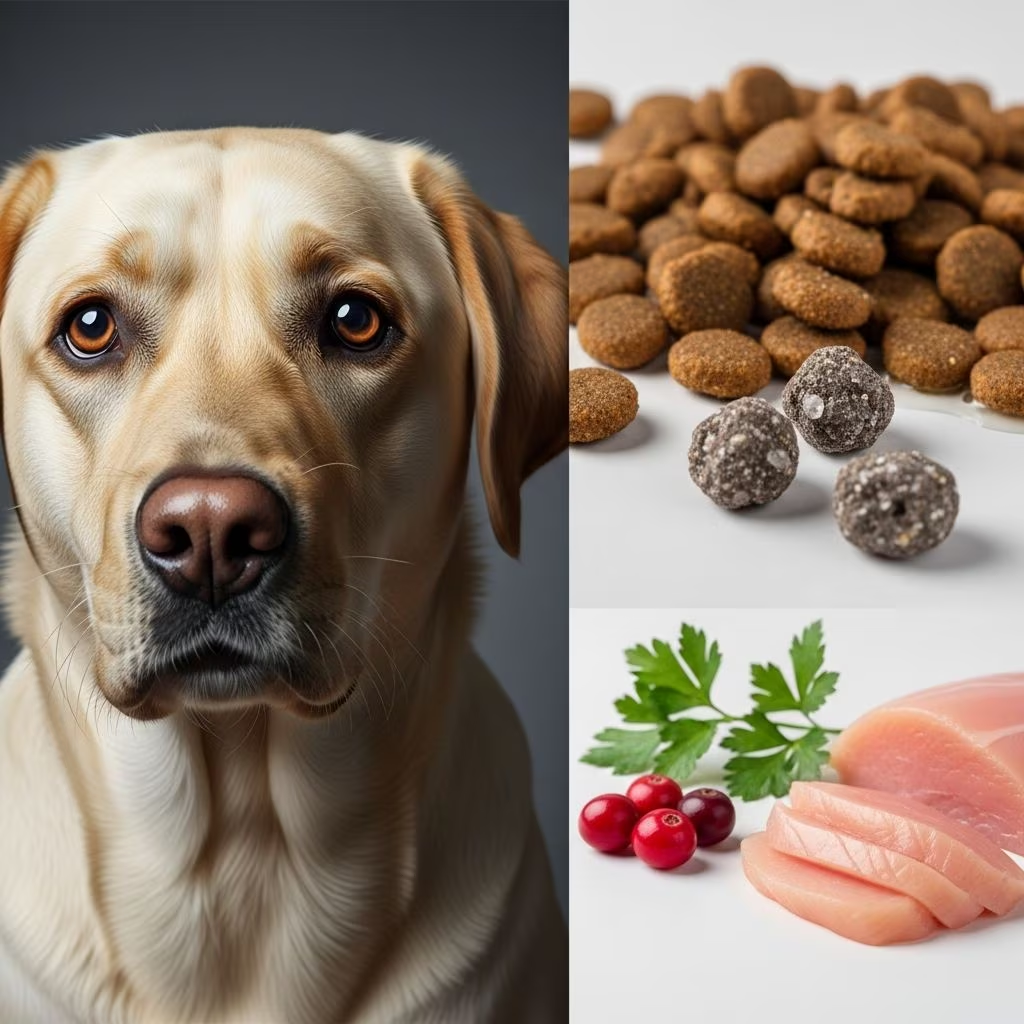
Understanding Nutritional Management for Dogs with Bladder Stones
Bladder stones in dogs represent a significant health concern that can affect their quality of life and overall well-being. While many pet owners focus on surgical or medical interventions, nutritional management plays a crucial role in both dissolving existing stones and preventing their recurrence. The specific dietary approach depends largely on the type of bladder stone your dog has developed, as each stone type requires different nutritional modifications. By understanding how nutrition influences urinary pH, mineral concentrations, and urine dilution, you can work with your veterinarian to develop an effective long-term management plan that protects your canine companion.
The Importance of Increased Water Intake
One of the most fundamental principles in managing bladder stones is increasing your dog’s water consumption. Dilute urine plays a critical role across all stone types, reducing the concentration of stone-forming compounds and making crystallization less likely. Increasing daily water intake is a foundational strategy that benefits dogs regardless of their specific stone type. You can accomplish this by feeding canned food exclusively, adding water to both dry and canned food, or providing fresh water more frequently throughout the day. This simple yet effective approach helps maintain dilute urine and reduces the chance of crystals forming into stones.
Struvite Stones: Dissolution and Prevention
Understanding Struvite Stone Formation
Struvite stones represent one of the most common types of bladder stones in dogs. These stones often develop in conjunction with urinary tract infections, making infection resolution a critical component of treatment. The good news is that struvite stones can frequently be completely dissolved using specially formulated therapeutic diets, making nutritional management an effective treatment option for many dogs.
Dissolution Diet Characteristics
Veterinary therapeutic diets designed to dissolve struvite stones contain specific nutrient profiles that work together to create an inhospitable environment for stone formation. These diets are characterized by:
- Reduced levels of magnesium and phosphorus, the primary components of struvite stones
- Controlled protein amounts, since protein metabolism contributes to ammonium and phosphate in urine
- Acidifying properties that lower urine pH below 6.5, inhibiting struvite crystal formation
- Increased salt content that encourages greater water consumption and urine dilution
Recommended Therapeutic Diets for Struvite Stones
Several prescription-grade therapeutic diets have been specifically formulated and tested to dissolve struvite stones effectively. Your veterinarian may recommend options such as Hill’s Prescription Diet c/d or s/d, Purina Pro Plan Veterinary UR Urinary, Rayne Clinical Nutrition Adult Health-RSS, or Royal Canin Urinary SO. These diets have undergone rigorous testing to ensure they produce urine with optimal properties for stone dissolution.
Timeline and Monitoring
Using dietary therapy to dissolve struvite stones is not an overnight process. Depending on the size of the stones and individual dog factors, dissolution can take anywhere from a few weeks to three months. During this period, regular veterinary monitoring is essential to track progress and ensure the treatment is working effectively. Your veterinarian may recommend periodic urinalysis and imaging to assess stone size reduction.
Important Considerations
Some therapeutic diets designed for struvite stone dissolution contain higher total fat content to improve palatability and encourage consumption. However, this increased fat can pose a concern for dogs prone to pancreatitis, necessitating close veterinary monitoring. If your dog has a history of pancreatitis or gastrointestinal sensitivity, discuss these concerns with your veterinarian to ensure the chosen diet is appropriate.
Prevention After Dissolution
Once struvite stones have been dissolved, prevention becomes paramount. The prevention plan generally focuses on maintaining increased daily water intake and sustaining a slightly acidic urine environment. It’s important to note that struvite stones in dogs are typically caused by urinary tract infections, and aggressive treatment of any recurring infections is critical to prevent stone reformation. Your veterinarian may recommend continuing a therapeutic diet designed for struvite prevention or transitioning to a maintenance diet formulated to reduce recurrence risk.
Purine Stones: Dietary Dissolution Strategies
Understanding Purine Stone Formation
Purine stones, which include urate and xanthine stones, develop from compounds present in DNA that are particularly high in certain protein sources. These stones are more commonly seen in specific dog breeds with genetic predispositions, such as Dalmatians, Jack Russell Terriers, and Bulldogs, though they can also occur secondary to liver disease. Unlike some stone types, purine stones can often be dissolved with appropriate dietary intervention combined with medical management.
Dietary Characteristics for Purine Stone Dissolution
Therapeutic diets formulated to dissolve purine stones exhibit specific nutritional characteristics that address the root causes of stone formation. These diets include:
- Significantly reduced protein levels, particularly proteins high in purines
- Elimination or strict limitation of purine-rich ingredients such as fish, organ meats (liver and heart), and seafood
- Low sodium content to reduce urinary mineral concentration
- Alkaline urine production, creating a pH environment that discourages purine crystal formation
Comprehensive Purine Stone Management
Dietary therapy alone is often insufficient for complete purine stone dissolution. Your veterinarian may recommend a comprehensive approach that combines a protein-restricted therapeutic diet with additional measures including increased water intake, urine production enhancement, alkaline urine pH maintenance, resolution of any existing urinary tract infections, and medication such as allopurinol. This multimodal approach significantly improves dissolution success rates.
Long-Term Prevention
The dietary plan used to dissolve purine stones can also be employed for prevention once stones have been removed or dissolved. This consistency makes dietary management a sustainable long-term strategy for preventing recurrence in susceptible dogs.
Cystine Stones: Specialized Nutritional Management
Understanding Cystine Stone Formation
Cystine stones develop when excessive cystine, an amino acid, concentrates in the urine. These stones are particularly problematic because they require specialized dietary management and often benefit from pharmaceutical support. Cystine stones can sometimes be dissolved through appropriate nutritional intervention, though the success rate varies depending on individual factors.
Dissolution Diet Parameters
Dietary therapy for cystine stone dissolution requires a carefully balanced approach featuring:
- Restricted protein content, with particular emphasis on limiting cystine and methionine-containing proteins
- Controlled sodium levels to minimize urinary mineral concentration
- Alkaline urine pH support, creating an environment that inhibits cystine crystal formation and precipitation
Recommended Therapeutic Options
Prescription diets specifically formulated for cystine stone dissolution include Hill’s Prescription Diet u/d and Royal Canin UC Low Purine. These therapeutically balanced formulas have been tested to ensure they provide the specific nutrient profile necessary for cystine stone management.
Pharmaceutical Support
Your veterinarian may prescribe additional medications to support dietary therapy. Potassium citrate (brand names NutriVed, Urocit-K) works to alkalinize urine, creating a more favorable pH for dissolving cystine stones. Tiopronin (brand name Thiola) represents another medication option that binds to excess cystine and facilitates its removal from the body through urination. These medications work synergistically with dietary management to improve dissolution outcomes.
Infection Resolution
Any existing urinary tract infection must be resolved before beginning or during cystine stone dissolution, as infection can interfere with treatment effectiveness and contribute to ongoing stone formation. Your veterinarian will likely recommend appropriate antibiotic therapy concurrent with dietary changes.
Other Stone Types and Nutritional Considerations
Calcium Oxalate Stones
Unlike struvite and purine stones, calcium oxalate stones cannot be dissolved through dietary therapy alone and must be removed via surgery, lithotripsy, or urohydropropulsion. However, appropriate nutrition plays a vital role in prevention following stone removal. An appropriate nutrient profile for calcium oxalate stone prevention includes reduced calcium levels, the ability to create dilute urine, and maintenance of urine that is slightly more alkaline than normal. These dietary modifications help discourage future stone formation in dogs with a history of calcium oxalate stones.
Calcium Phosphate Stones
Currently, no ideal diet has been specifically identified for preventing calcium phosphate bladder stones. However, veterinarians generally recommend maintaining dilute urine and slightly alkaline urine pH. For this reason, many veterinarians suggest using diets typically recommended for calcium oxalate stone prevention, as similar principles apply.
Silica Stones
Silica stones require a distinctly different dietary approach. A diet high in animal protein combined with avoidance of plant-based ingredients that could be high in silica, such as corn gluten, is commonly recommended for prevention. Increasing water consumption to dilute urine and maintaining slightly alkaline urine pH also help prevent recurrence. Additionally, preventing your dog from eating soil or drinking water that may be high in silica (which may be associated with volcanic areas) is important for dogs with a history of silica stone formation.
Therapeutic Diet Benefits and Recommendations
Why Prescription Diets Matter
Therapeutic diets formulated by veterinary nutritionists undergo extensive research and testing to ensure their effectiveness in preventing stone formation or promoting dissolution. These prescription-grade diets use carefully selected high-quality ingredients to reduce stone-building blocks while maintaining complete and balanced nutrition. The urine of dogs and cats fed these diets is tested to ensure it remains low in compounds that contribute to stone formation and that all properties supporting stone prevention are optimized.
Key Advantages Over Commercial Options
While commercial pet foods available at pet stores may contain similar-sounding ingredients, they do not undergo the same rigorous testing and formulation as veterinary therapeutic diets. For dogs with confirmed bladder stones, therapeutic diets purchased only through your veterinarian are significantly more effective at preventing future stone development than over-the-counter options.
Special Considerations for Multi-Condition Dogs
If your dog has concurrent medical conditions such as kidney disease, liver disease, or heart disease, selecting an appropriate diet becomes even more complex. In these situations, consultation with your veterinarian or a veterinary nutritionist is essential to ensure the chosen diet meets all your dog’s nutritional needs while effectively managing bladder stone risk.
Creating Your Dog’s Personalized Nutritional Plan
Working with Your Veterinarian
Developing an effective nutritional management strategy for your dog’s bladder stones requires close collaboration with your veterinarian. The specific diet prescribed will depend on several factors including the type of stone confirmed through diagnostic imaging, your dog’s overall health status, any concurrent medical conditions, your dog’s age and life stage, and your dog’s individual response to initial dietary interventions.
Monitoring and Adjustment
Once dietary therapy begins, regular follow-up appointments and monitoring are essential. Your veterinarian will likely recommend periodic urinalysis to assess urine characteristics and confirm that the diet is producing the desired effects. Imaging studies may be repeated to document stone size changes if dissolution is the goal. Be prepared to discuss any changes in your dog’s appetite, water consumption, or urinary habits, as these observations can guide dietary adjustments.
Frequently Asked Questions
Q: How long does it typically take for a therapeutic diet to dissolve bladder stones?
A: The timeline varies depending on the stone type and individual factors. Struvite stone dissolution generally takes several weeks to three months. Other stone types may have different timelines, and your veterinarian will discuss expected progression with you.
Q: Can I use over-the-counter diets instead of prescription therapeutic diets?
A: Prescription therapeutic diets are significantly more effective because they undergo rigorous testing and contain specifically formulated nutrient profiles for stone prevention or dissolution. Over-the-counter diets have not been tested for these specific purposes and are not recommended for dogs with confirmed bladder stones.
Q: What is the role of water in bladder stone management?
A: Increased water intake and dilute urine are fundamental to managing all types of bladder stones. Dilute urine reduces the concentration of stone-forming compounds, making crystallization and stone formation less likely.
Q: Will my dog need to stay on a therapeutic diet permanently?
A: This depends on your dog’s specific situation and stone type. Your veterinarian will recommend either temporary dietary therapy followed by transition to a regular diet, or long-term therapeutic diet maintenance to prevent stone recurrence.
Q: Are there any side effects or concerns with therapeutic bladder stone diets?
A: Some therapeutic diets contain higher fat content, which can be a concern for dogs prone to pancreatitis. Additionally, protein-restricted diets require monitoring to ensure your dog receives adequate nutrition. Your veterinarian will discuss any specific concerns related to your dog’s health status.
Q: What should I do if my dog refuses to eat the prescribed therapeutic diet?
A: Contact your veterinarian before making any dietary changes. They may suggest adding the diet to canned food, warming it, or trying alternative prescription formulations that your dog might find more palatable.
References
- What to Feed a Dog With Bladder Stones — PetMD. Accessed November 2025. https://www.petmd.com/dog/nutrition/what-to-feed-dog-with-bladder-stones
- Dietary Treatment of Bladder Stones — Tufts University, Cummings School of Veterinary Medicine. July 26, 2017. https://sites.tufts.edu/petfoodology/2017/07/26/dietary-treatment-of-bladder-stones/
- Nutritional Management of Uroliths — University of California, School of Veterinary Medicine. Accessed November 2025. https://www.vetmed.ucdavis.edu/hospital/animal-health-topics/uroliths
- Struvite Bladder Stones in Dogs — Cornell University College of Veterinary Medicine, Riney Canine Health Center. Accessed November 2025. https://www.vet.cornell.edu/departments-centers-and-institutes/riney-canine-health-center/canine-health-topics/struvite-bladder-stones-dogs
- Urinary Problems & Bladder Stones in Dogs — Hill’s Pet Nutrition. Accessed November 2025. https://www.hillspet.com/dog-care/healthcare/dog-urinary-tract-diseases



