
Nutrition Strategies For Ill Equines: 4 Safe Refeeding Phases
Essential feeding guidelines to support recovery in sick, injured, or starved horses and other equids through balanced diets and careful management.
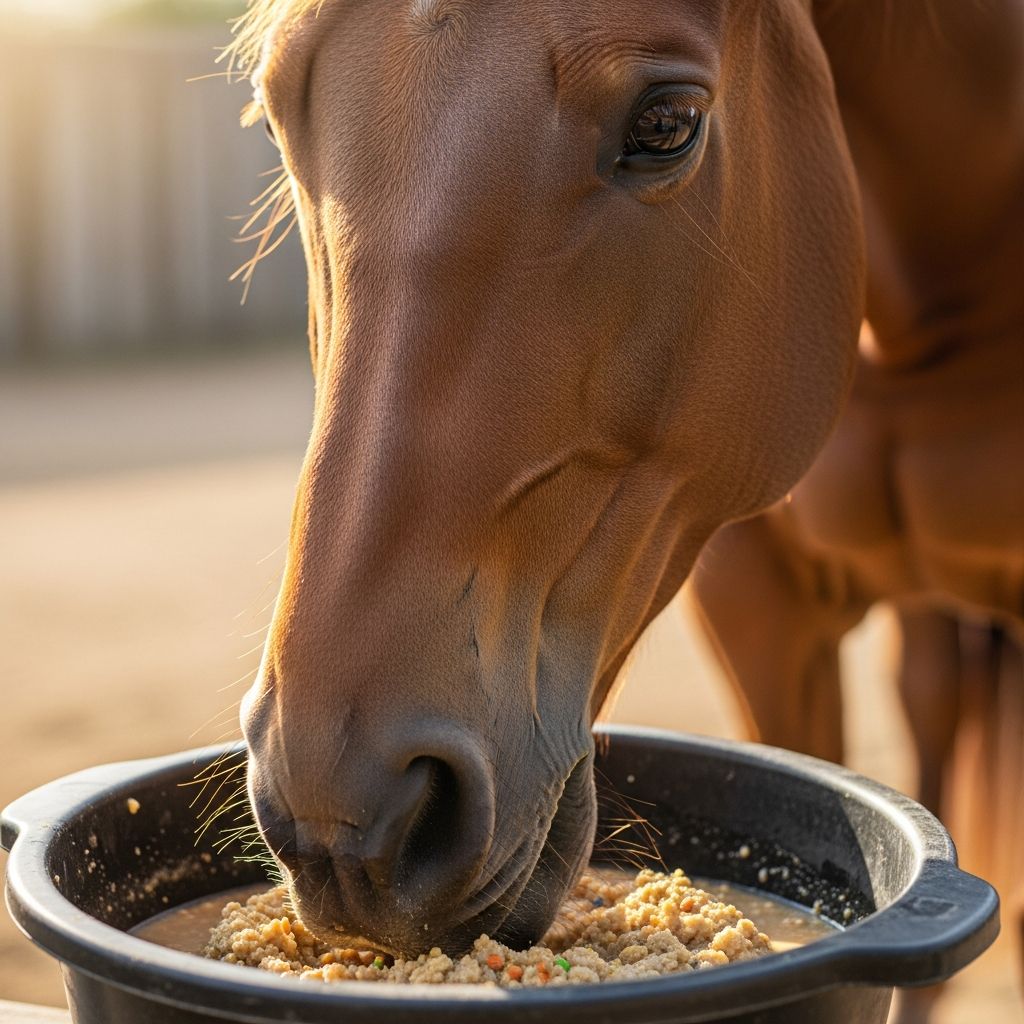
Providing proper nutrition to horses and other equids during illness, injury, or starvation is crucial for recovery. The primary focus should be on ensuring access to clean water, delivering sufficient energy sources, balancing electrolytes, and supplying adequate protein, in that order, to support healing without overwhelming the compromised systems.
Core Principles of Feeding Compromised Horses
When a horse becomes ill or injured, its metabolic processes change dramatically. Reduced activity levels demand fewer calories to prevent issues like obesity or muscle disorders such as rhabdomyolysis. Hard feeds, particularly those high in cereals, should be halved or eliminated initially, with energy needs met primarily through high-fiber forages like hay or haylage.
Maintaining gut health is paramount, as confinement or stress can disrupt normal intestinal motility and microbial balance. Offering ad libitum access to quality forage keeps the digestive tract functioning, while soaked feeds such as beet pulp or hulls from soy or lupins add moisture and fiber to stimulate movement.
Hydration underpins all nutritional efforts. Horses under stress often neglect drinking, so soaking hay or incorporating wet feeds encourages intake. Electrolytes like salt should be provided loose rather than in blocks for easier consumption during early recovery phases.
Managing Starvation and Refeeding Risks
Emaciated horses face the grave danger of refeeding syndrome, a potentially fatal shift in fluids and electrolytes triggered by sudden nutrient influx after prolonged deprivation. Recovery protocols emphasize small, frequent meals of nutrient-dense, low-starch forages to rebuild strength safely.
A structured refeeding schedule minimizes risks:
- Initial Phase (Days 1-3): Offer 0.5 kg (1 lb) of premium leafy alfalfa or grass hay every 4 hours, totaling 50% of energy needs across six feedings. Include partial vitamin-mineral supplements and 1 tbsp loose salt. No grains.
- Progression (Days 4-5): Increase hay to 0.9-1.4 kg (2-3 lb) per feeding, reaching 75% energy via six meals. Boost supplements to 75% rate and 1.5 tbsp salt.
- Stabilization (Days 6-10): Hay at 1.8-2.3 kg (4-5 lb) every 4 hours for full energy in three feedings. Full supplements and 2 tbsp salt.
- Long-term (Days 10-120): Transition to hay every 8-12 hours, introducing low-starch grains like soaked beet pulp or alfalfa pellets only after body condition improves to score 2 or better, in tiny 0.25 kg portions across 4-6 meals daily.
Monitor for syndrome signs including lethargy, weakness, or edema, adjusting feeds promptly. Veterinary oversight is essential to tailor plans and estimate recovery timelines.
Nutritional Adjustments for Specific Conditions
Different ailments require customized approaches. For hepatic issues, prioritize energy to spare liver function, favoring high-carbohydrate, low-protein grains like corn over alfalfa hay, which is protein-rich and calcium-heavy.
| Condition | Key Nutritional Focus | Recommended Feeds | Avoid |
|---|---|---|---|
| Hepatic Disease | High energy, low protein | Corn grains, glucose sources | Alfalfa hay |
| Muscle Injury (Rhabdomyolysis) | Reduced calories, high fiber | Grass hay, oils | High-grain feeds |
| Laminitis | Low carb/sugar | Soaked hay, beet pulp | Cereal grains |
| General Injury/Box Rest | Fiber maintenance, antioxidants | Ad lib hay, Vitamin E/Selenium | Excess concentrates |
In cases of laminitis or azoturia, opt for non-heating calories from oils introduced gradually over 21 days to support condition without starch overload.
Enhancing Recovery with Proteins, Vitamins, and Supplements
Quality protein aids tissue repair, especially when forages fall short in essential amino acids like lysine—alfalfa excels here but needs balancing for calcium-sensitive horses. Increase protein via analyzed feeds or balancers during convalescence to sustain weight and promote healing.
Stress depletes water-soluble vitamins, necessitating supplementation beyond a day or two of illness. Antioxidants such as Vitamin E and selenium bolster immunity and cellular repair under metabolic strain.
For gut support in picky or depressed equines, pre- and post-biotics optimize digestion, while spreading small, frequent concentrates keeps them engaged without overload. High-fiber cubes can replace grains post-diet reduction.
Advanced Feeding Methods for Critical Cases
When oral intake fails, enteral or parenteral nutrition becomes vital. Nasogastric tubes deliver slurries of alfalfa pellets or oils directly to the stomach, bypassing appetite loss.
Intravenous options like partial parenteral nutrition (PPN) or total parenteral nutrition (TPN) provide glucose, fats, or amino acids via dedicated lines, though costly and requiring monitoring. Standard IV fluids (saline, lactated Ringer’s, dextrose) maintain hydration but offer minimal calories.
These interventions suit anorectic or post-surgical horses, with energy from glucose sparing organs like the liver.
Maintaining Hydration and Electrolyte Balance
Dehydration exacerbates illness, so prioritize palatable water sources. Soak forages to boost moisture intake, targeting high-water feeds for compromised drinkers.
Electrolytes—sodium, potassium, chloride—must be replenished, especially in sweating or diarrheic horses. Loose salt (2+ tbsp daily) ensures absorption, paired with balanced minerals.
Monitoring Progress and Common Pitfalls
Regular body condition scoring, weight checks, and fecal output observation guide adjustments. Introduce changes slowly to acclimate gut flora, avoiding digestive upset.
Pitfalls include overfeeding concentrates leading to excitability or tying-up, neglecting fiber causing colic, or rapid refeeding precipitating syndrome. Always consult vets and nutritionists for personalized plans.
Frequently Asked Questions
How often should I feed a sick horse?
Small, frequent meals—4-6 times daily initially—to mimic natural grazing and prevent overload.
Can I use grain for emaciated horses?
Not early on; delay until stable, choosing low-starch options like beet pulp in tiny amounts.
What if my horse refuses feed?
Tempt with soaked, aromatic forages or tube feeding; address underlying depression or pain.
Is alfalfa safe for all sick horses?
Ideal for protein but avoid in hepatic or urinary cases due to high calcium/protein.
How do I prevent gut issues during box rest?
Ad lib fiber, small feeds, and probiotics maintain motility and flora balance.
References
- How to Feed an Emaciated Horse to Avoid Refeeding Syndrome — Mad Barn. 2023. https://madbarn.com/how-to-feed-an-emaciated-horse/
- Feeding the Sick Horse and Other Equids — Merck Veterinary Manual. 2023. https://www.merckvetmanual.com/management-and-nutrition/nutrition-horses/feeding-the-sick-horse-and-other-equids
- How to feed a sick or injured horse — Thompson and Redwood. 2023. https://thompsonandredwood.com.au/how-to-feed-a-sick-or-injured-horse
- Feeding a Sick or Injured Horse — MSD Animal Health HUB. 2023. https://www.msd-animal-health-hub.co.uk/Healthy-Horses/Health/IllHealth-Feeding
- Proper nutrition for an injured or sick horse — Finish Line Horse Products. 2015-05-01. https://finishlinehorse.com/2015/05/proper-nutrition-for-an-injured-or-sick-horse/
- Nutrition of critically ill horses — PubMed (Peer-reviewed). 2009. https://pubmed.ncbi.nlm.nih.gov/19303553/
Similar Articles








Read full bio of Sneha Tete


