

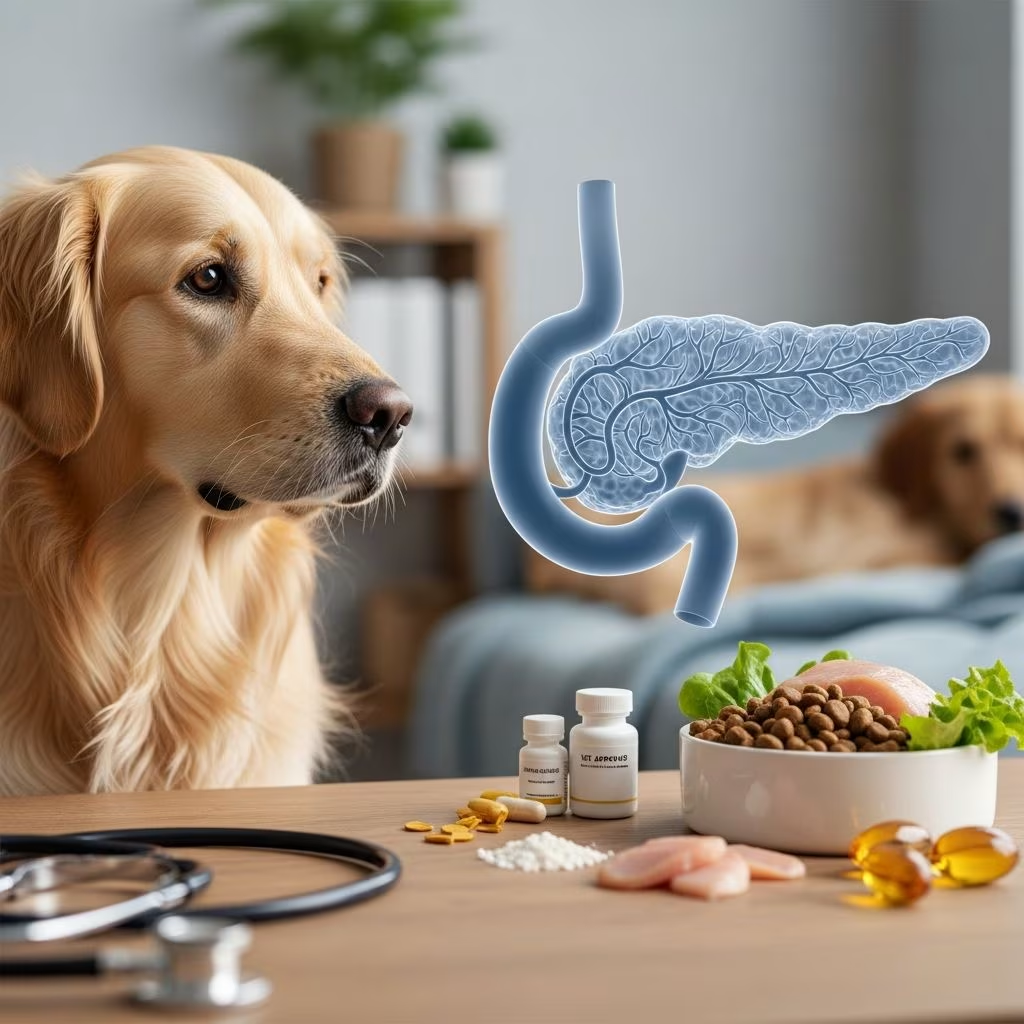
Understanding Pancreatic Disease in Dogs
The pancreas is a vital organ that plays a crucial role in your dog’s digestive health and metabolic function. When a dog develops pancreatic disease, particularly pancreatitis, proper nutrition becomes one of the most important aspects of treatment and long-term management. Pancreatitis occurs when the pancreas becomes inflamed, which can range from mild, acute episodes to chronic, recurring conditions that require ongoing dietary management.
Understanding the relationship between nutrition and pancreatic disease is essential for dog owners whose pets have been diagnosed with this condition. The food your dog consumes directly impacts the workload on the pancreas, and making appropriate dietary adjustments can significantly reduce symptoms, prevent flare-ups, and improve your dog’s quality of life.
The Role of Fat in Pancreatic Disease
Fat is one of the most significant dietary factors that affects dogs with pancreatic disease. When dogs consume high-fat foods, the pancreas must produce additional digestive enzymes and secretions to break down and absorb the fat. This increased workload can trigger or exacerbate pancreatic inflammation, leading to pain, vomiting, and other uncomfortable symptoms.
For this reason, veterinarians consistently recommend low-fat diets as the foundation of pancreatic disease management in dogs. The general consensus among veterinary nutritionists is that fat content should be less than 30 grams per 1,000 kilocalories for dogs with pancreatitis. Many prescription diets specifically formulated for pancreatic disease contain even lower fat levels, typically ranging from 6% to 15% on a dry matter basis, depending on your individual dog’s tolerance and severity of the condition.
Choosing the Right Diet for Your Dog
Prescription vs. Over-the-Counter Diets
A veterinary low-fat diet is usually the best initial option for dogs with pancreatitis. Prescription diets are specifically formulated to meet the unique nutritional needs of dogs with pancreatic disease and have undergone rigorous testing to ensure they are both safe and effective. Several prescription diets are frequently recommended by veterinarians:
- Purina Pro Plan Veterinary Diets EN Gastroenteric Low Fat Canine Formula (6.8% crude fat on a dry matter basis)
- Hill’s Prescription Diet Digestive Care i/d Low Fat Dry Dog Food (7.5% crude fat on a dry matter basis)
- Royal Canin Veterinary Diet Gastrointestinal Low Fat Dry Dog Food (7.1% crude fat on a dry matter basis)
These prescription diets represent some of the lowest fat options available across all therapeutic veterinary formulations. In some cases, your veterinarian may recommend diets with moderate fat content, particularly if your dog has concurrent food allergies or sensitivities. Purina Pro Plan’s HA diet and Royal Canin’s Selected Protein diets may be suitable alternatives in these situations.
Home-Cooked and Over-the-Counter Options
Some dog owners prefer to prepare home-cooked diets for their pets with pancreatic disease. This approach can be beneficial if your dog has multiple food allergies or if commercial prescription diets are unavailable. However, it is crucial to consult with your veterinarian or a veterinary nutritionist before implementing a home-cooked diet to ensure it is nutritionally balanced and meets all of your dog’s dietary requirements.
While some over-the-counter diets may work in certain situations, they are generally not recommended as a replacement for veterinary prescription diets without veterinary guidance. If your veterinarian suggests an over-the-counter diet, ensure that the fat content is significantly lower than your dog’s previous diet and verify the nutritional adequacy through your veterinarian.
Key Nutritional Factors for Pancreatic Disease Management
Fat Content
Fat is the primary dietary component that must be restricted in dogs with pancreatic disease. Dogs with pancreatitis should consume diets containing less than 15% fat on a caloric basis for initial management, though this may be adjusted based on individual tolerance. Some dogs with severe or chronic pancreatitis may require even stricter fat restriction, while others may gradually tolerate slightly higher fat levels as their condition improves.
Protein Quality and Amount
Protein is essential for your dog’s recovery and tissue repair, but it must be provided in appropriate amounts. Nutritional therapy for dogs with pancreatitis should provide protein at levels of 15% to 30% on a dry matter basis. Excess dietary protein should be avoided, as certain amino acids can stimulate pancreatic secretion. However, completely restricting protein is counterproductive, as your dog needs adequate protein to maintain muscle mass and support the healing process.
High-quality, easily digestible protein sources are preferred. Excellent low-fat protein options include skinless chicken or turkey breast, egg whites, low-fat cottage cheese, and white fish. If your dog requires a novel protein source, alternatives such as ostrich, crocodile meat, and kangaroo can be considered.
Fiber Content
Dogs with pancreatic disease should receive diets that are low in fiber. Fiber reduces the digestion and absorption of other nutrients and can complicate pancreatic disease management. A high-quality, highly digestible diet typically contains low fiber content, making these formulations ideal for dogs with pancreatitis.
Carbohydrates
Starchy carbohydrates are an important component of pancreatic disease diets, providing easily digestible calories. Recommended carbohydrate sources include white rice, potatoes with skins removed, sweet potatoes without skins, and pasta. White rice is particularly beneficial because it can be prepared with excess water to enhance digestibility. These carbohydrate sources should comprise approximately two-thirds of your dog’s daily caloric intake, with protein making up the remaining one-third.
Feeding Strategies and Meal Frequency
Smaller, More Frequent Meals
One of the most effective strategies for managing pancreatic disease is feeding smaller but more frequent meals throughout the day. Rather than feeding your dog one or two large meals, dividing the daily food portion into three, four, or even more smaller meals reduces the amount of fat your dog consumes at any single time. This approach significantly decreases the workload on the pancreas and often results in better tolerance of the new diet.
Smaller, frequent meals also help dogs with nausea or reduced appetite consume their required daily caloric intake while minimizing gastrointestinal discomfort.
Diet Consistency
Consistency is crucial when managing chronic pancreatitis. Dogs with chronic pancreatitis should stick with their new diet and avoid eating other foods, treats, or table scraps. Even occasional deviations from the prescribed diet can trigger a relapse or exacerbate symptoms. This means avoiding high-fat treats, human food, and any unapproved dietary supplements unless specifically recommended by your veterinarian.
Raw Versus Cooked Diets
While some dog owners advocate for raw diets, veterinary nutritionists generally recommend cooked diets for dogs with pancreatic disease, particularly during the initial recovery phase. Cooked diets offer several advantages for dogs with pancreatitis:
- Cooked foods are easier to digest, reducing pancreatic workload
- Cooking further reduces fat content beyond the raw ingredient’s natural levels
- Heat treatment can improve nutrient bioavailability
- Cooked diets are less likely to trigger digestive upset or pancreatic flare-ups
Some dogs may eventually be able to tolerate a raw diet once their pancreatic condition stabilizes, but the initial management phase should focus on easily digestible, cooked foods to give the pancreas optimal opportunity to recover.
Monitoring Your Dog’s Response to Diet Changes
Fecal Scoring and Assessment
After implementing dietary changes, your veterinarian will monitor your dog’s fecal color and consistency using a fecal scoring chart. This is an important indicator of whether the new diet is appropriate for your dog. Yellowish or greasy-appearing stools can indicate fat maldigestion (steatorrhea), suggesting that the fat content of the diet may need to be reduced further or that additional digestive enzyme support is necessary.
Healthy stools should be well-formed and brown in color. If your dog’s stool quality does not improve within one to two weeks of starting a new diet, contact your veterinarian for further assessment and possible dietary adjustments.
Appetite and Overall Well-being
Observe your dog’s appetite, energy level, and general demeanor. A dog that is eating well, maintaining a healthy weight, and displaying normal activity levels is likely well-managed on the current diet. Conversely, persistent vomiting, lack of appetite, lethargy, or weight loss may indicate that the diet needs adjustment or that other underlying health issues require attention.
Long-Term Dietary Management
Acute Versus Chronic Pancreatitis
Dogs that experience a single episode of mild to moderate pancreatitis may eventually return to a more normal diet once the acute inflammation has resolved. However, if your dog experiences repeated pancreatitis attacks or has been diagnosed with chronic pancreatitis, a long-term low-fat diet should be maintained to keep the disease in check and prevent future episodes.
Your veterinarian will work with you to determine whether your dog’s pancreatitis is likely to recur and whether lifelong dietary management is necessary. In many cases, maintaining a consistent low-fat diet is the most effective way to prevent complications and maintain your dog’s quality of life.
Dietary Adjustments Over Time
As your dog’s condition improves and stabilizes, your veterinarian may gradually increase the fat content of the diet if your dog demonstrates good tolerance. Fat content often begins at less than 15% on a caloric basis and may be cautiously increased based on your dog’s individual response. However, the goal is always to maintain the lowest fat level that your dog can tolerate without experiencing symptoms.
Enhancing Diet Palatability and Intake
Some dogs initially resist the switch to a low-fat therapeutic diet. Using low-fat, low-fiber foods as toppers or mixers can improve palatability and encourage your dog to eat the required amount. Suitable options include low-fat cottage cheese and cooked, skinless chicken breast. However, these additions should not exceed 10% of your dog’s daily caloric intake, as exceeding this threshold may unbalance the overall diet and lead to nutrient deficiencies.
Additional Considerations
In some cases, pancreatitis may occur without an obvious underlying cause. When no clear reason for pancreatitis can be identified, reducing the amount of fat in the diet is the recommended approach. Depending on your dog’s previous diet, a veterinary low-fat diet is often the safest option. Before switching to any over-the-counter diet, discuss your choice with your veterinarian to ensure it is appropriate for your dog’s specific situation.
Frequently Asked Questions
Q: Can my dog with pancreatitis eat treats?
A: Your dog should avoid high-fat treats and table scraps entirely. If you wish to give treats, consult your veterinarian about low-fat options that fit within the prescribed diet plan. Remember that treats should comprise no more than 10% of daily caloric intake.
Q: How long does it take for a dog to improve on a new diet?
A: Many dogs show improvement within one to two weeks of starting a therapeutic low-fat diet. However, complete recovery may take several weeks, and some dogs with chronic pancreatitis require indefinite dietary management.
Q: Is a home-cooked diet safe for pancreatitis?
A: Home-cooked diets can be appropriate if they are properly formulated and nutritionally balanced. Work with a veterinary nutritionist to ensure the diet meets all your dog’s nutritional requirements before implementation.
Q: What should I do if my dog refuses the new low-fat diet?
A: Contact your veterinarian for guidance. Options may include trying different prescription diet formulations, adding approved low-fat toppers, or gradually transitioning to the new diet over a longer period.
Q: Will my dog with pancreatitis ever be able to eat a normal diet again?
A: Some dogs with mild pancreatitis episodes may eventually tolerate a more normal diet. However, dogs with chronic or recurrent pancreatitis typically require a long-term low-fat diet to prevent future flare-ups.
References
- Diet for Dogs With Pancreatitis (Updated 2025) — Kristina Johansen, Dog Nutritionist. 2025. https://www.kristinajohansen.com/dog-nutritionist/services/diet-for-dogs-with-pancreatitis/
- What to Feed a Dog With Pancreatitis—According to a Vet — Toe Grips. 2025. https://toegrips.com/what-to-feed-dog-with-pancreatitis/
- Best Foods for Dogs with Pancreatitis: What Should You Feed Your Dog — PetMD. https://www.petmd.com/dog/nutrition/best-foods-for-dogs-with-pancreatitis
- Nutrition and Pancreatic Disease in Dogs — VCA Animal Hospitals. https://vcahospitals.com/know-your-pet/nutrition-and-pancreatic-disease-in-dogs
- Pancreatitis: First Steps and Dietary Essentials — Veterinary Practice. https://www.veterinary-practice.com/article/pancreatitis-first-steps-and-dietary-essentials
- Key Nutritional Factors in Treating Pancreatitis — Today’s Veterinary Nurse. https://todaysveterinarynurse.com/nutrition/key-nutritional-factors-in-treating-pancreatitis/



