
Nutrition Issues In Pet Birds: Expert Guide For Balanced Diets
Discover how poor diets cause obesity, deficiencies, and diseases in pet birds, and learn vital steps for balanced nutrition.
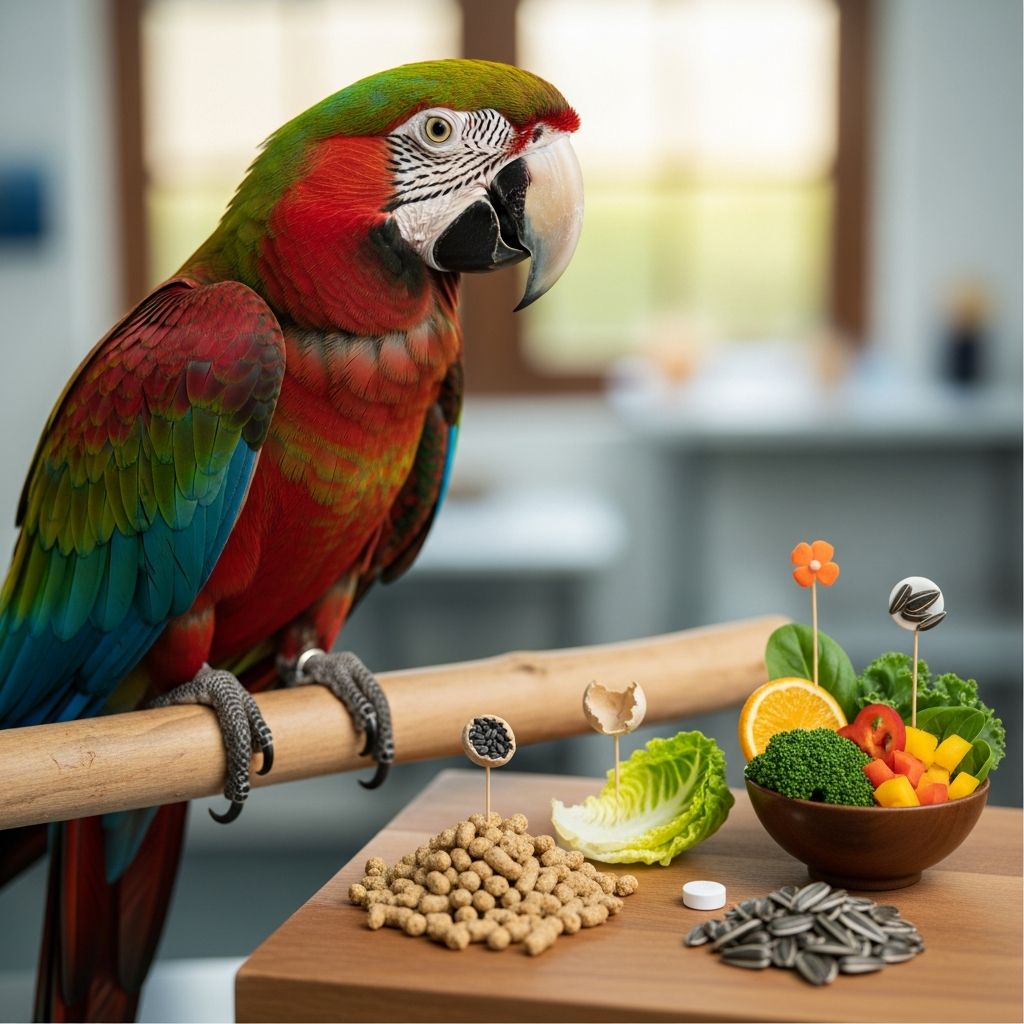
Pet birds thrive when provided with balanced diets, yet many owners unknowingly feed imbalanced meals that lead to serious health complications. Seed-heavy diets, while appealing to birds, often lack essential vitamins, minerals, and proper nutrient ratios, paving the way for conditions like obesity, weakened immunity, bone deformities, and organ damage. This article delves into the most prevalent nutritional challenges faced by companion birds, offering insights into causes, symptoms, prevention, and corrective measures to ensure your feathered friend enjoys a long, vibrant life.
Why Diet Matters for Captive Birds
In the wild, birds forage diverse foods including fruits, vegetables, insects, and seeds, achieving natural nutrient equilibrium. Captive environments limit this variety, making owner-provided diets critical. High-fat seeds like sunflower dominate preferences, but they supply excess energy with scant vitamins and minerals. Over time, this mismatch triggers metabolic disruptions, immune suppression, and structural weaknesses. Studies from veterinary experts highlight that up to 80% of pet bird health issues trace back to dietary shortcomings, emphasizing the need for formulated pellets supplemented with fresh produce.
Obesity: The Silent Epidemic
**Obesity** stands as the most widespread nutritional woe in pet birds, particularly affecting budgerigars, cockatoos, Amazon parrots, and cockatiels. Sedentary lifestyles combined with calorie-dense seeds foster fat accumulation in the liver, abdomen, and chest. Birds self-select high-fat options, exacerbating the problem.
- Symptoms: Labored breathing, reluctance to fly, enlarged abdomen, fatty liver signs like lethargy, and reduced lifespan.
- Risk Factors: Unlimited seed access, treats like nuts or cheese, minimal exercise space.
To combat obesity, transition to measured portions of low-fat pellets (80-90% of diet), chop fresh veggies (10-20%), and encourage flight in large enclosures. Regular weigh-ins help monitor progress; a 10-15% weight loss over weeks is ideal without crash dieting.
| Bird Species | Obesity Proneness | Diet Adjustment Tips |
|---|---|---|
| Budgerigars | High | Limit millet sprays; add leafy greens. |
| Amazon Parrots | Very High | Avoid peanuts; use broccoli stems. |
| Cockatoos | High | Forage toys with veggies; daily weigh. |
Vitamin A Shortfalls and Their Impact
Vitamin A deficiency, or hypovitaminosis A, undermines epithelial tissues vital for mucous membranes in the mouth, sinuses, eyes, and respiratory tract. Seed diets provide minimal provitamin A carotenoids, leading to squamous metaplasia—abnormal thickening and keratinization.
- Key Signs: Nasal crusting, eye swelling, sneezing, white mouth plaques, feather plucking, recurrent infections.
- Affected Areas: Choanal slit blunting, foot hyperkeratosis, urogenital issues in breeders.
Diagnosis involves cytology revealing hyperkeratotic cells and blood tests showing low retinol levels. Treatment includes vitamin A injections (e.g., 200 IU/kg IM) alongside diet overhaul to pellets fortified at 3,000-5,000 IU/kg. Prevention: Daily orange veggies like carrots, sweet potatoes, and dark greens. Caution: Excess vitamin A (>10,000 IU/kg) risks toxicity with hyperactivity and poor feathering.
Mineral Imbalances: Calcium, Phosphorus, and Vitamin D3
The ideal calcium-to-phosphorus ratio for birds is 2:1, but seeds invert this to 1:8, promoting secondary hyperparathyroidism. Indoor housing blocks UVB for endogenous vitamin D3 synthesis, compounding hypocalcemia.
- In Juveniles: Rickets with soft, deformed bones; long bone bowing in African Greys.
- In Adults: Osteomalacia, tremors, seizures, egg-binding in hens.
- African Grey Syndrome: Acute low calcium with ataxia, panic attacks; linked to poor osteoclast function.
Correct with cuttlebone, calcium blocks (1.5-2% calcium), UVB lamps (10-12 hours daily), and D3-supplemented pellets. For breeders, supplement 50 mg/kg calcium gluconate during laying. Monitor via bloodwork: ionized calcium 1.0-1.4 mmol/L.
| Nutrient | Seed Content | Recommended Daily | Sources |
|---|---|---|---|
| Calcium | Low (0.2%) | 1-1.5% | Kale, dandelion greens. |
| Phosphorus | High (0.6%) | 0.5-0.8% | Balanced pellets. |
| Vitamin D3 | Absent | 2,000-4,000 IU/kg | UVB exposure. |
Iodine Deficiency and Thyroid Problems
Budgerigars suffer most from iodine-lacking seeds, causing goiter—thyroid enlargement compressing the trachea and syrinx. Though rarer with modern feeds, all-seed budgies show wheezing, voice changes, crop stasis.
- Treatment: Lugol’s iodine (1 drop/250mL water) short-term; switch to iodized pellets.
- Prevention: Fortified diets; avoid overbreeding stressed birds.
Enlarged glands resolve in 2-4 weeks post-correction, but chronic cases risk heart strain.
Iron Overload: A Toxic Buildup
Conversely, iron storage disease (hemochromatosis) plagues toucans, mynahs, and starlings on iron-rich diets (>100 ppm). Genetic susceptibility plus vitamin C boosters absorption, depositing iron in liver, spleen, heart.
- Signs: Lethargy, ascites, sudden death; elevated serum ferritin.
- Management: Low-iron pellets (<50 ppm), chelation therapy (deferoxamine), no fruits.
Sunflower seeds exceed safe levels; test water for iron too.
Other Dietary Pitfalls and Toxins
Beyond primaries, watch aflatoxins in moldy seeds causing liver fibrosis, high cholesterol from fats promoting atherosclerosis. Avoid:
- Toxics: Avocado (cardiotoxic), chocolate (theobromine), caffeine, alcohol, onions, apple seeds (cyanide).
- Junk: Salty snacks, dairy (lactose intolerant), excessive sugars.
Promote variety: pellets 70%, veggies/fruits 25%, seeds 5% as treats. Forage enrichment boosts activity.
Implementing a Healthy Diet Plan
Change gradually over 2-4 weeks to avoid refusal. Chop mixes: romaine, peppers, squash, berries. Protein from cooked beans, eggs occasionally. Annual vet checkups with nutraceutical analysis guide tweaks. Ill birds need hand-feeding formulas bridging to solids.
FAQs
Can all birds eat the same pellet diet?
No; species vary. Lorikeets need nectar-based; toucans low-iron. Consult avian vets.
How much should I feed my parrot daily?
1-2% body weight in pellets; e.g., 20g for 1kg bird, adjusted for activity.
What if my bird refuses veggies?
Mix with favored seeds initially; use skewers, hide in toys.
Is sunlight necessary indoors?
Yes; UVB lamps mimic it for D3. Direct sun 1-2 hours weekly if safe.
How to spot early nutritional issues?
Watch droppings (color/consistency), weight, energy, feather condition.
Conclusion
Proactive nutrition transforms pet bird wellness, slashing disease risks. Invest in quality feeds, variety, and monitoring for joyful companionship. Consult avian specialists for tailored plans.
References
- Nutritional Diseases of Pet Birds — MSD Veterinary Manual. 2023. https://www.msdvetmanual.com/exotic-and-laboratory-animals/pet-birds/nutritional-diseases-of-pet-birds
- How I diagnose and manage nutritional disease in birds (Proceedings) — dvm360. 2022. https://www.dvm360.com/view/how-i-diagnose-and-manage-nutritional-disease-birds-proceedings
- Avoiding Nutritional Disease in Pet Parrots — MBG Veterinary Clinic. 2021-07-01. https://mbgvet.com/wp-content/uploads/2021/07/Avoiding-Nutritional-Disease-in-Pet-Parrots.pdf
- An Overview of Pet Bird Nutrition — Iowa State University Library. 2020. https://dr.lib.iastate.edu/server/api/core/bitstreams/dc8ad198-7c67-44a9-b7f2-7a6764af2338/content
- Nutritional considerations section II — Harrison’s Bird Foods. 2024-02-04. https://www.harrisonsbirdfoods.com/wp-content/uploads/2024/02/04nutrition2.pdf
Similar Articles








Read full bio of medha deb


