
Nutrition’s Impact on Animal Spinal Health
Discover how dietary imbalances lead to serious spinal cord disorders in pets and livestock, and learn prevention strategies for optimal neurological function.
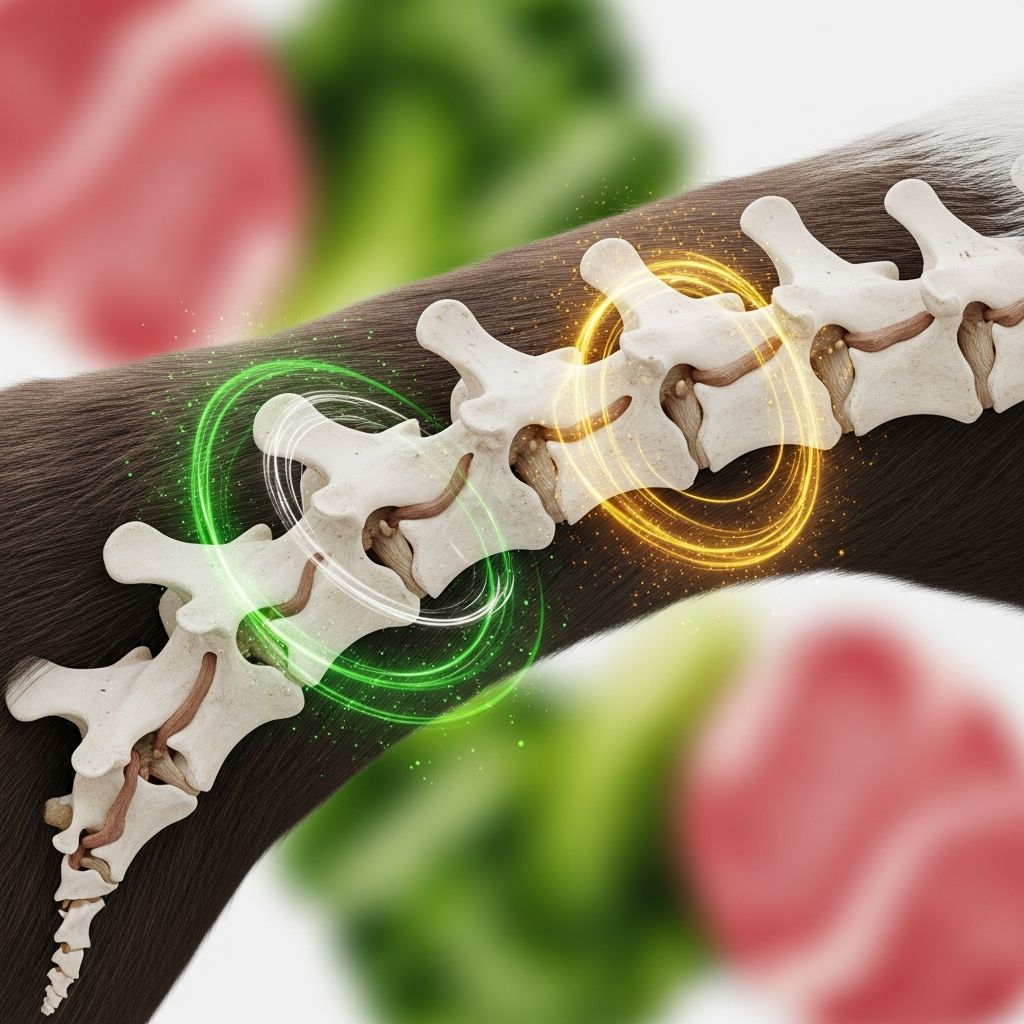
Proper nutrition forms the foundation of robust spinal health in animals, supporting nerve function, bone integrity, and muscle coordination. Deficiencies or excesses in key nutrients can disrupt spinal cord operations, leading to pain, weakness, and irreversible damage. This article delves into major nutritional disorders affecting the spinal column and cord across species, drawing from veterinary insights to equip owners and professionals with actionable knowledge.
Understanding the Link Between Diet and Spinal Function
The spinal cord relies on a steady supply of minerals, vitamins, and proteins for maintenance. Imbalances trigger pathological changes like bone resorption, nerve degeneration, and inflammation, manifesting as ataxia, paresis, or fractures. Growing animals, such as puppies and lambs, face heightened risks due to rapid skeletal development demands.
Diets lacking balance—common in raw, home-prepared, or poorly formulated feeds—exacerbate these issues. For instance, all-meat diets devoid of bones provide excess phosphorus but scant calcium, skewing ratios and prompting hormonal responses that weaken the skeleton.
Copper Shortages: A Threat to Young Ruminants and Pigs
Copper deficiency strikes lambs, kids, and pigs, causing swayback in newborns and enzootic ataxia later. Congenital swayback involves brain necrosis, while the acquired form leads to hindlimb weakness, reduced reflexes, and muscle wasting within months of birth.
Symptoms progress from normal appearance at birth to unsteadiness, diarrhea, and poor coat quality. Microscopic exams reveal neuron loss, axon damage, and chromatolysis mainly in the spinal cord and brainstem. Pasture soils low in copper, or diets with molybdenum excess, contribute to this disorder.
- Early signs: Wobbly gait, knuckling toes.
- Advanced stages: Paraparesis, inability to stand.
- Diagnosis: Blood copper levels, liver biopsy, clinical history.
Treatment with copper supplements can halt progression, but severe cases leave lasting deficits. Prevention involves mineral-fortified feeds or soil amendments in grazing areas.
Excess Vitamin A: Spinal Deformities in Carnivores
Hypervitaminosis A primarily affects cats fed liver-heavy diets, causing bony outgrowths (exostoses) along the spine, especially cervical and thoracic regions. These lead to neck stiffness, pain, and front limb lameness.
Radiographs confirm vertebral irregularities. Reducing vitamin A intake stops new growth but doesn’t reverse existing ones. This condition underscores the peril of unbalanced raw feeding, where liver dominates.
| Symptom | Common in | Diagnostic Tool |
|---|---|---|
| Neck rigidity | Cats | X-rays |
| Forelimb lameness | Liver-fed cats | Clinical exam |
| Exostoses | Spine | Imaging |
Thiamine Deficiency: Neurological Collapse in Cats and Dogs
Vitamin B1 (thiamine) shortages cause polioencephalomalacia, hitting the midbrain and spinal cord. Cats on raw fish, sulfur-preserved foods, or vegetarian diets suffer vestibular issues, head tremors, severe neck flexion, seizures, and coma.
Dogs show appetite loss, depression, hindlimb paresis, and similar crises. Thiaminase in raw fish destroys the vitamin, while poor commercial formulas contribute. Diagnosis hinges on diet history and rapid response to injections (10-20 mg/cat, 25-50 mg/dog daily for weeks).
- Triggers: Raw fish, SO2 preservatives, unbalanced veg diets.
- Pathology: Midbrain softening, spinal changes.
- Prognosis: Excellent if treated early.
Calcium-Phosphorus Imbalances: The Raw Diet Pitfall
Nutritional secondary hyperparathyroidism (NSH) emerges in puppies on boneless raw meat diets, low in calcium and vitamin D, high in phosphorus. Ratios as skewed as 1:25 trigger parathyroid overactivity, leaching bone calcium and causing fractures, pain, and paresis.
Four large-breed cases showed skeletal demineralization on scans; two fractured and were euthanized, revealing parathyroid hypertrophy. Survivors thrived on balanced kibble. Vitamin D scarcity hampers gut calcium uptake, worsening hypocalcemia.
This resurgence ties to raw feeding trends, once rare with commercial foods.
Other Dietary Risks to Spinal Integrity
Beyond primaries, obesity from calorie-rich poor diets strains spines, fostering disc disease and arthritis. Omega-3 deficits fuel inflammation; B-vitamin shortages impair nerves.
Captive felids in some regions suffer demyelination from taurine-poor diets, linking to spinal woes. Metabolic disorders mimic non-painful spinal issues.
Diagnostic Approaches for Nutritional Spinal Disorders
Vets use multifaceted tools:
- History: Detailed diet review, onset timeline.
- Imaging: Radiographs for density loss, CT for fractures.
- Lab tests: Serum minerals, vitamins, PTH levels.
- Response trial: Nutrient supplementation.
Necropsy confirms resorption, gliosis in chronic cases.
Treatment Protocols: From Supplements to Diet Overhauls
Core strategy: Correct the deficit swiftly.
- Copper: Oral/injectable, monitor levels.
- Vitamin A: Eliminate excess sources.
- Thiamine: IM doses until recovery.
- NSH: Balanced commercial diet, pain control.
Supportive care includes anti-inflammatories, physio for mobility. Weight management aids chronic cases.
| Disorder | Key Treatment | Expected Outcome |
|---|---|---|
| Copper deficiency | Supplementation | Partial recovery |
| Hypervitaminosis A | Diet reduction | Stabilization |
| Thiamine lack | Injections | Full reversal if early |
| NSH | Balanced feed | Rapid improvement |
Preventive Nutrition: Building Resilient Spines
Commercial balanced diets minimize risks for pets. For livestock, test forages, supplement as needed. Raw feeders must calculate ratios: ideal Ca:P 1.2-1.8:1, add bones or supps.
Puppies need growth formulas; seniors, joint-support blends with glucosamine, omega-3s. Regular vet checks catch issues early.
Species-Specific Considerations
Dogs and Puppies
Large breeds on all-meat risk NSH; thiamine issues from fish.
Cats
Liver excess and fish top threats.
Farm Animals
Copper via soil/diet management.
FAQs
What causes sudden hindlimb weakness in puppies?
Often NSH from raw boneless diets; switch to balanced food.
Can thiamine deficiency be reversed?
Yes, with prompt injections; delay risks death.
Is raw feeding safe for spinal health?
Only if properly balanced; common errors lead to disorders.
How to spot copper deficiency in lambs?
Ataxia post-birth; test blood/liver.
Does diet affect senior pet spines?
Yes, anti-inflammatory nutrients prevent degeneration.
Long-Term Management and Monitoring
Post-treatment, maintain ideal weight, recheck nutrients biannually. Combine diet with exercise for spinal strength. Educate on label reading: AAFCO standards ensure completeness.
(Word count: 1678)
References
- A Case Series of Four Dogs Presenting with Neurological Deficits — PMC/NCBI. 2024. https://pmc.ncbi.nlm.nih.gov/articles/PMC11200917/
- Nutritional Disorders of the Spinal Column and Cord in Animals — Merck Veterinary Manual. 2023-07-17. https://www.merckvetmanual.com/nervous-system/diseases-of-the-spinal-column-and-cord/nutritional-disorders-of-the-spinal-column-and-cord-in-animals
- Disorders of the Spinal Column and Cord in Dogs — Merck Veterinary Manual. 2023-07-17. https://www.merckvetmanual.com/dog-owners/brain-spinal-cord-and-nerve-disorders-of-dogs/disorders-of-the-spinal-column-and-cord-in-dogs
- Nutrition and Spinal Health: How Diet Impacts Your Pet’s Mobility — Tailspin Chiropractic Care. 2023. https://tailschirocare.com/nutrition-and-spinal-health-how-diet-impacts-your-pets-mobility/
- Nutritional Disorders — IVIS. 2022. https://www.ivis.org/library/braunds-clinical-neurology-small-animals-localization-diagnosis-and-treatment/nutritional
Similar Articles








Read full bio of medha deb


