

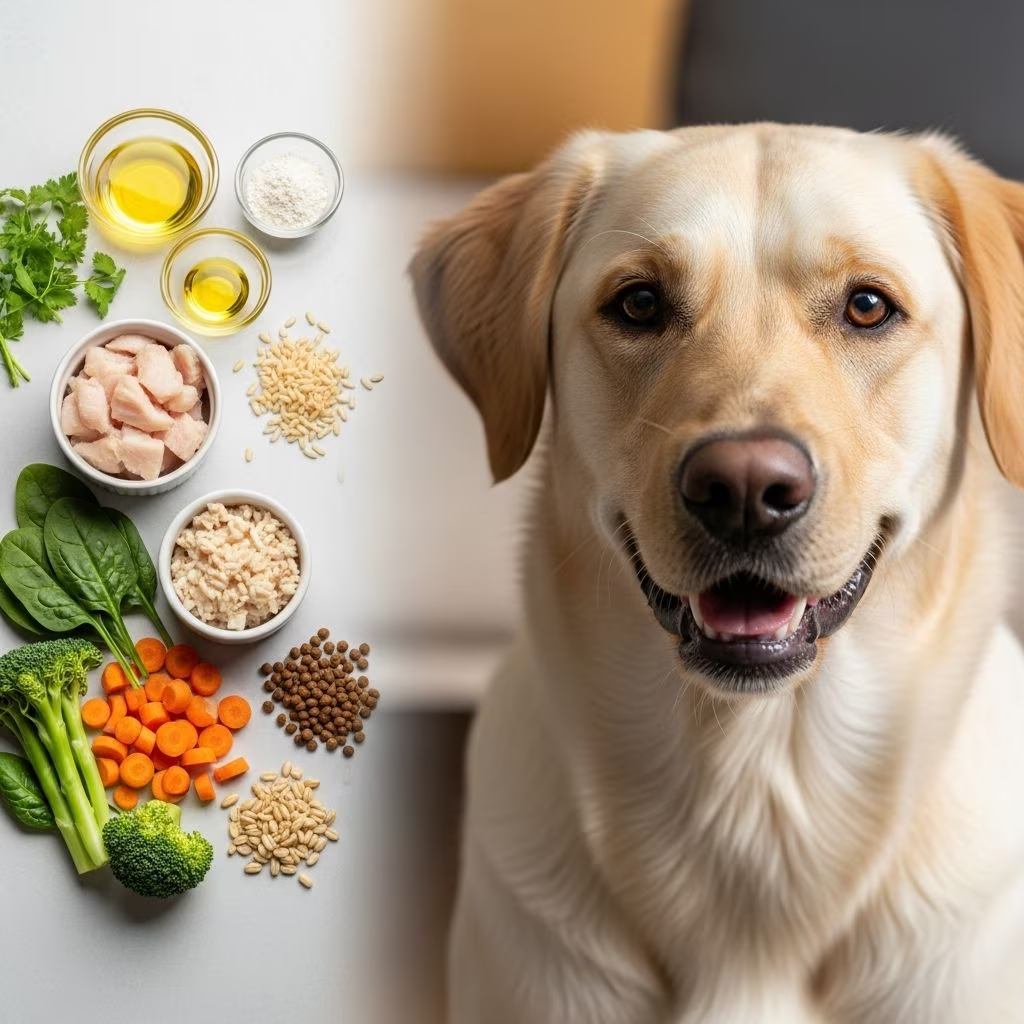
The liver plays a vital role in a dog’s metabolism, detoxification, and nutrient processing. When it malfunctions, targeted nutrition becomes crucial for management and recovery. This guide outlines dietary approaches, key symptoms, and supportive strategies drawn from veterinary insights.
Understanding Liver Dysfunction in Dogs
Liver conditions in canines range from acute failures due to toxins or infections to chronic issues like hepatitis or copper storage disease. The organ’s regenerative capacity offers hope, but early intervention through diet is essential to reduce toxin buildup, such as ammonia from protein breakdown.
Common triggers include leptospirosis, trauma, medications, or genetic factors. Unlike kidneys, the liver can often repair itself if supported properly, making nutrition a cornerstone of care.
Recognizing Early Warning Signs
Detecting liver problems early improves outcomes. Owners should monitor for subtle changes that signal hepatic stress.
- Lethargy and weakness: Dogs appear unusually tired or reluctant to move.
- Appetite loss and weight reduction: Refusal of food leads to rapid thinness.
- Increased thirst and urination: Polydipsia and polyuria indicate impaired waste filtration.
- Digestive upset: Vomiting, diarrhea, or pale stools suggest bile processing issues.
In advanced cases, jaundice yellows the eyes, gums, and skin, while neurological symptoms like seizures or disorientation emerge from toxin accumulation. Prompt veterinary evaluation via bloodwork, ultrasound, or biopsy confirms diagnosis.
Core Principles of Hepatic Nutrition
A hepatic diet minimizes liver workload while ensuring adequate energy and nutrients. Key tenets include moderate, high-quality protein, elevated digestible carbs, and healthy fats.
| Nutrient | Recommended Adjustment | Reason |
|---|---|---|
| Protein | Low to moderate (18-22% of calories), highly digestible sources like egg or dairy | Reduces ammonia production without causing muscle wasting |
| Carbohydrates | Increased (40-60%), from rice, potatoes, or barley | Provides primary energy, sparing protein use |
| Fats | Moderate, with omega-3 rich sources like fish oil | Boosts palatability and anti-inflammatory effects |
| Copper | Restricted in breeds prone to accumulation (e.g., Bedlington Terriers) | Prevents toxic buildup |
These adjustments help maintain nitrogen balance and support detoxification. Commercial hepatic formulas from vets meet these specs, often enhanced with antioxidants.
Ideal Foods and Ingredients to Include
Select palatable, easy-to-digest options to combat anorexia common in affected dogs.
- Carb bases: Cooked white rice, sweet potatoes, or oatmeal for steady energy without fiber overload.
- Protein choices: Boiled chicken, turkey, eggs, or low-fat cottage cheese in controlled amounts.
- Vegetables: Steamed carrots, green beans, or pumpkin to add bulk and vitamins without taxing digestion.
- Fats: Small additions of salmon oil or flaxseed for essential fatty acids.
Avoid high-copper foods like liver, shellfish, or organ meats. Homemade recipes require vet approval to ensure balance.
Supplements for Liver Support
Evidence-based additions can enhance recovery alongside diet.
- SAM-E (S-adenosylmethionine): Antioxidant that promotes glutathione production; typical dose 20 mg/kg daily on empty stomach.
- Milk thistle (silymarin): Protects hepatocytes and aids regeneration; 2-5 mg/kg daily.
- Ursodiol: Improves bile flow and reduces cholesterol; vet-prescribed.
- Vitamin E: 50-400 IU/day shields against oxidative damage and copper toxicity.
- Omega-3s: Reduce inflammation; from fish oil at 40-50 mg/kg EPA/DHA.
Products like Denamarin combine SAM-E and silybin for convenience, used for 15-30 days or longer under guidance.
Implementing Dietary Changes Effectively
Transition gradually over 7-10 days to prevent GI upset. Divide meals into 4-6 small portions daily to ease digestion and maintain hydration.
For picky eaters, warm food slightly or add low-sodium broth. Monitor weight weekly and adjust calories: aim for 30-40 kcal/kg body weight, tweaking for activity.
Fluid therapy may be needed initially via IV or subQ if dehydration occurs. Track stool quality, thirst, and energy to gauge progress.
Veterinary Interventions and Monitoring
Diet pairs with meds like antibiotics for infections, lactulose for toxin binding, or anti-nausea drugs.
Regular blood tests check liver enzymes (ALT, AST), bile acids, and albumin. Ultrasound assesses structure; biopsy pinpoints causes. Prognosis varies: acute cases often recover fully, while end-stage cirrhosis focuses on comfort.
Preventive Strategies for Long-Term Health
Minimize risks with vaccinations (leptospirosis), toxin-free environments, and routine check-ups. Breeds like Labrador Retrievers benefit from copper-restricted kibble lifelong.
Annual blood panels catch issues early. Maintain ideal weight to reduce fatty liver risk.
FAQs on Canine Liver Nutrition
Q: Can dogs with liver disease eat regular food?
A: No, standard diets overload the liver; switch to hepatic formulas.
Q: How long do dietary changes last?
A: Often lifelong for chronic cases, with periodic vet reassessment.
Q: Are natural remedies safe?
A: Only under vet supervision; milk thistle and SAM-E show promise but interact with meds.
Q: What if my dog refuses to eat?
A: Use appetite stimulants, small frequent meals, or assisted feeding temporarily.
Q: Is homemade food viable?
A: Possible with formulation software or nutritionist input to balance nutrients.
Case Studies: Real-World Success
Many dogs rebound with protocol adherence. A 7-year-old Lab with hepatitis regained vigor on low-copper diet plus Denamarin within months. Another faced acute toxin exposure but stabilized via fluids and hepatic kibble. These underscore nutrition’s role.
References
- Liver Disease in Dogs: Symptoms, Stages & Treatment — Pooch & Mutt. 2023. https://www.poochandmutt.co.uk/blogs/health/liver-disease-in-dogs-symptoms-stages-treatment
- Liver Disease in Dogs: Symptoms and Causes — WebMD. 2024. https://www.webmd.com/pets/dogs/liver-disease-liver-failure-dogs
- Liver Disease in Dogs — PetMD. 2025. https://www.petmd.com/dog/conditions/digestive/liver-disease-dogs
- Natural Ways to Treat Liver Disease in Dogs and Cats — Paws and Claws Animal Hospital. 2023. https://pawsandclawsanimalhospital.com/natural-ways-to-treat-liver-disease-in-dogs-and-cats/
- Liver Disease in Dogs — Small Door Veterinary. 2024. https://www.smalldoorvet.com/learning-center/medical/liver-disease-dogs
- Liver Disease in Dogs: Symptoms, Causes, and Treatments — GoodRx. 2025. https://www.goodrx.com/pet-health/dog/liver-disease-in-dogs



