

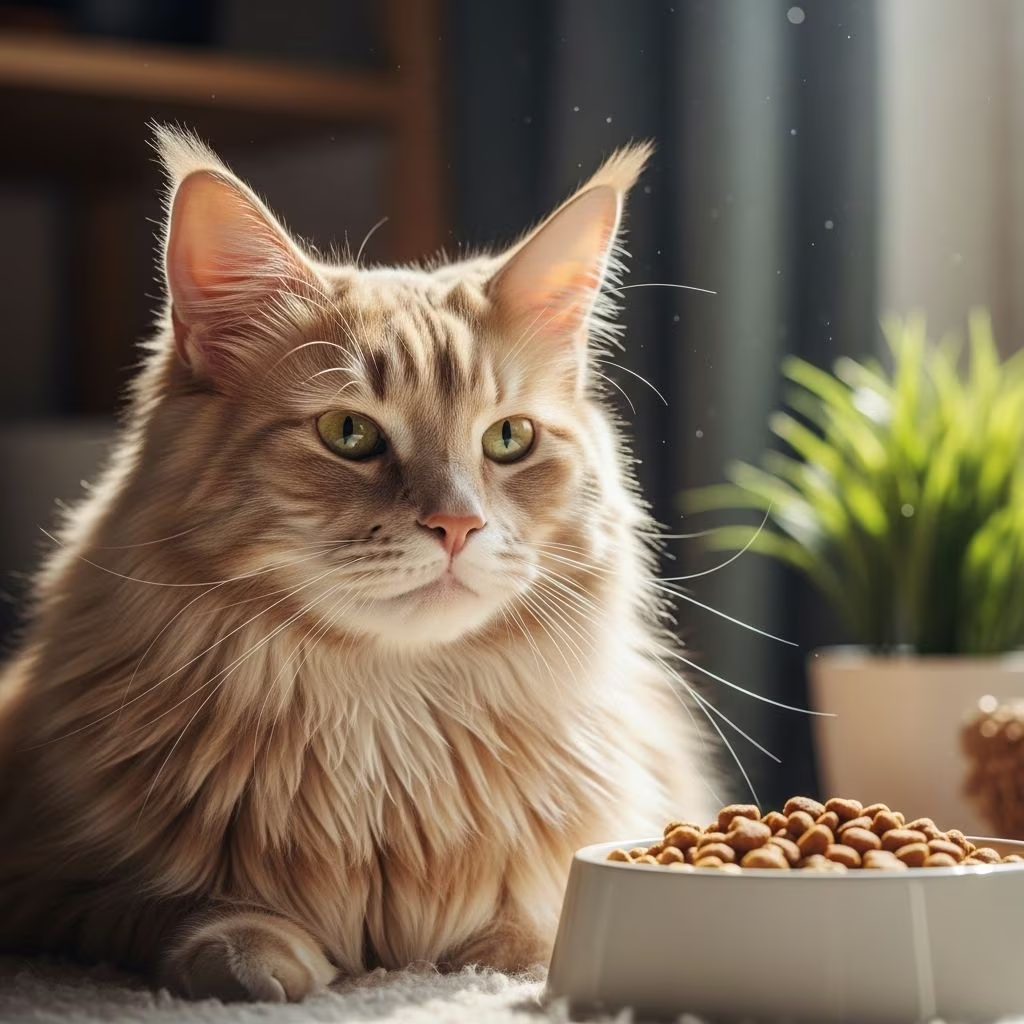
As cats reach their senior years, typically starting around age 7, their bodies undergo significant changes that demand a rethink of their diet. Metabolism slows, muscle mass diminishes, and organs like the kidneys may struggle more, making targeted nutrition crucial for maintaining quality of life. This guide delves into the specific nutritional requirements of older felines, offering practical advice to help them thrive.
Defining Senior Status in Cats
Cats are generally classified as seniors between 7 and 10 years old, with those over 11 entering the geriatric phase. During this period, lean body mass declines, energy needs drop, and risks for conditions like obesity, arthritis, dental disease, and chronic kidney issues rise. A well-balanced diet can mitigate these challenges by providing bioavailable nutrients that support bodily functions.
Owners should monitor their cat’s body condition score regularly. Healthy seniors maintain a visible waistline and palpable ribs without excess fat. Veterinary check-ups are essential to customize feeding plans based on individual health profiles.
Critical Nutrients for Senior Feline Health
Senior cats benefit from diets emphasizing digestibility and targeted nutrients. Here’s a breakdown of the most important ones:
- High-Quality Protein: Despite common myths, protein restriction isn’t ideal for healthy seniors. Aim for 30-45% dry matter protein from digestible sources like chicken, turkey, fish, or beef to preserve muscle mass and bolster immunity. Carnitine, derived from amino acids, further aids heart function and lean tissue.
- Essential Fatty Acids: Omega-3s (from fish oil) and omega-6s reduce joint inflammation, support skin/coat health, and combat cognitive decline. These fats are vital as arthritis becomes prevalent.
- Digestive Fiber: Soluble and insoluble fibers promote regular bowel movements, prevent constipation, and aid weight control. Beet pulp or psyllium are common additions.
- Antioxidants and Vitamins: Vitamins E, C, A, selenium, and carotenoids neutralize free radicals, enhancing immune response and cellular protection. B vitamins support energy metabolism.
- Controlled Minerals: Moderate phosphorus and sodium levels protect kidneys, while balanced calcium supports bones. Avoid excesses in healthy cats, but consult vets for disease-specific needs.
These components work synergistically to address age-related declines, ensuring your cat remains active and resilient.
Caloric Adjustments and Weight Management
Adult cats require about 20 calories per pound of body weight daily, but seniors often need only 15 due to reduced activity and slower metabolism. Overfeeding leads to obesity, exacerbating diabetes and joint strain.
| Cat Profile | Daily Calories (per lb body weight) | Key Considerations |
|---|---|---|
| Active Senior (7-10 yrs) | 18-20 | Maintain muscle with higher protein |
| Sedentary Mature (11+ yrs) | 12-15 | Low-fat to prevent weight gain |
| Underweight Geriatric | 20-25 | Increase fats/protein per vet advice |
| Kidney Disease Patient | Vet-determined | Restricted phosphorus/protein |
Measure portions precisely and adjust based on weight trends. Interactive feeders or puzzle toys can encourage movement while controlling intake.
Food Formats: Wet, Dry, or Mixed?
Choosing the right texture matters for hydration, dental health, and palatability:
- Wet Food: High moisture (70-80%) combats dehydration, common in seniors with diminished thirst response. Easier on teeth and highly digestible.
- Dry Food: Supports dental hygiene via crunchiness but lower moisture; add water to enhance uptake. Opt for senior formulas with reduced calories.
- Mixed Feeding: Combines benefits—wet for hydration, dry for convenience and tartar control. Ideal for most households.
Transition new foods over 7-10 days by gradually mixing with the old diet to avoid gastrointestinal upset.
Addressing Common Age-Related Conditions Through Diet
Kidney Support
Chronic kidney disease affects up to 30% of seniors. Prescription renal diets feature restricted, high-quality protein, low phosphorus, and added omega-3s to slow progression and maintain appetite.
Joint and Mobility Aid
Glucosamine, chondroitin, and omega-3s in senior foods alleviate arthritis pain, improving mobility and comfort.
Weight and Diabetes Control
Low-carb, high-fiber formulas stabilize blood sugar and promote satiety for overweight cats prone to diabetes.
Dental and Digestive Wellness
Soft textures or dental kibble reduce plaque, while probiotics and prebiotics foster gut flora balance.
Always pair diet with vet-prescribed supplements if needed, like joint formulas or urinary tract support.
Practical Feeding Strategies for Daily Success
Implement these tips for optimal results:
- Provide multiple fresh water stations, including fountains, to boost intake.
- Feed smaller, frequent meals (3-4 daily) to match reduced stomach capacity and improve digestion.
- Warm wet food slightly to enhance aroma, enticing finicky eaters.
- Monitor urine output and stool quality as health indicators.
- Schedule bi-annual vet exams for bloodwork and tailored recommendations.
Home-prepared diets risk imbalances; commercial senior foods from reputable brands ensure AAFCO compliance.
Frequently Asked Questions
When should I switch my cat to senior food?
Around 7 years for proactive care, or earlier if health issues arise. Consult your vet for timing.
Can senior cats eat kitten food?
No—kitten food is calorie-dense and protein-heavy, risking obesity and kidney strain in seniors.
How much water should my senior cat drink?
At least 3.5 ounces per 5 pounds of body weight daily. Wet food helps meet this.
Are grain-free diets better for seniors?
Not necessarily; focus on nutrient profiles over grain content unless allergies exist.
What if my cat refuses senior food?
Enhance palatability with toppers like tuna juice or warm it. Gradual transitions prevent refusal.
Long-Term Benefits of Optimized Nutrition
Investing in proper senior nutrition extends lifespan and vitality. Studies show well-fed seniors exhibit better mobility, sharper cognition, and fewer vet visits. By prioritizing protein integrity, hydration, and condition-specific nutrients, you empower your feline companion to age gracefully.
Regular weigh-ins, activity encouragement, and veterinary partnerships complete the holistic approach.
References
- Best Nutrition for Senior Cats: A Complete Guide for Healthy Aging — Parker Animal Care. 2023. https://www.parkeranimalcare.com/what-is-the-best-nutrition-for-senior-cats/
- Senior Cat Nutrition: A Nutritional Guide for Aging Cats — PetMD. 2024-02-15. https://www.petmd.com/cat/nutrition/senior-cat-nutrition
- Senior Cat Nutritional Requirements — Purina US. 2023. https://www.purina.com/articles/cat/senior-cat/health/senior-cat-nutritional-requirements
- The Ultimate Guide to Senior Cat Nutrition: Foods to Feed and Avoid — Haw Creek Animal Hospital. 2024. https://www.hawcreekanimalhospital.com/senior-cat-nutrition-101/
- Feeding Mature, Senior, and Geriatric Cats — VCA Animal Hospitals. 2023-11-01. https://vcahospitals.com/know-your-pet/feeding-mature-senior-and-geriatric-cats
- Nutrition and Weight: Mature Adult and Senior Cats — AAHA. 2021-06-01. https://www.aaha.org/resources/2021-aaha-aafp-feline-life-stage-guidelines/nutrition-and-weight-mature-adult-and-senior-cats/



