

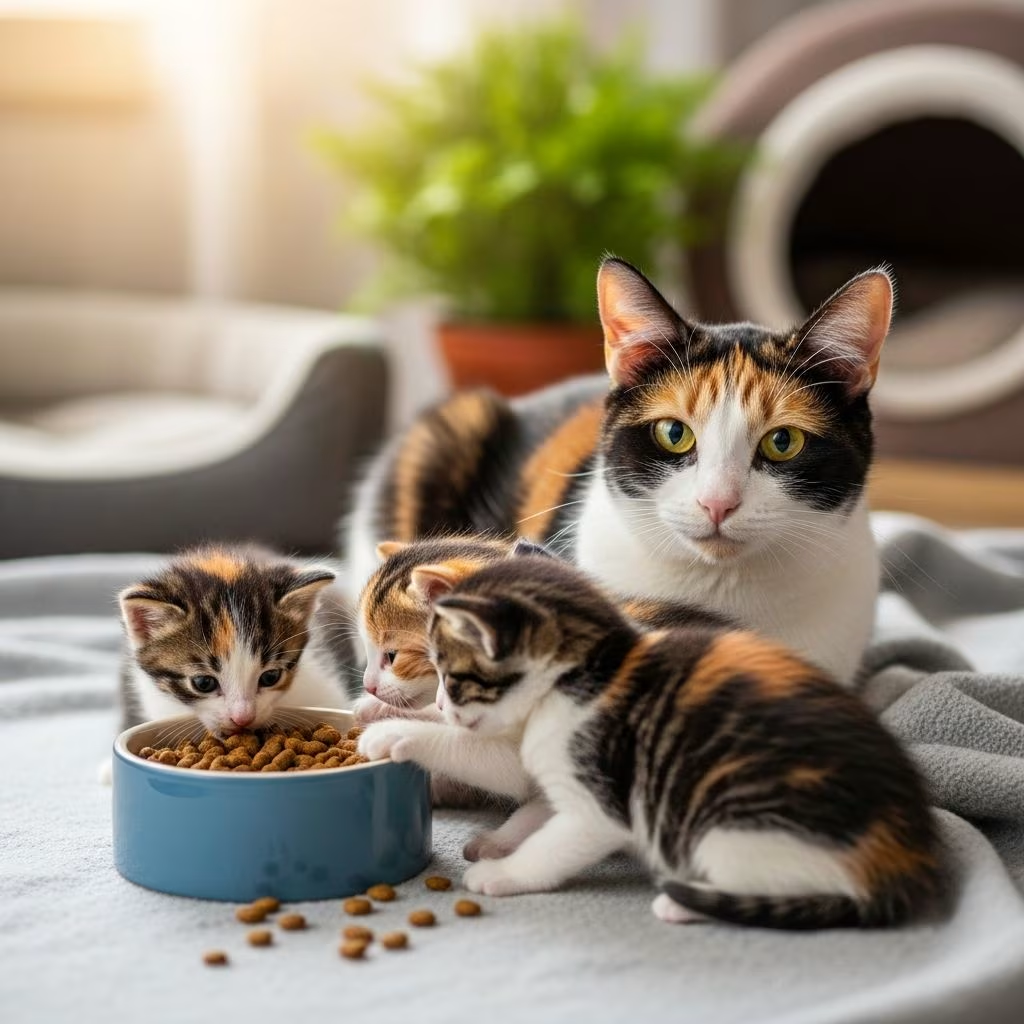
Caring for a pregnant or nursing cat requires careful attention to her dietary needs. The transition from a regular adult diet to specialized nutrition becomes critical once a cat becomes pregnant, as her body undergoes significant physiological changes to support developing kittens and, later, milk production. Understanding these nutritional requirements helps ensure both the mother cat and her offspring thrive during this demanding life stage.
Understanding the Nutritional Demands of Pregnancy
Pregnancy fundamentally alters a cat’s metabolic requirements. During the early stages of gestation, a cat’s nutritional needs remain relatively stable compared to her normal adult maintenance diet. However, as pregnancy progresses into the second half, energy demands increase substantially. By the final weeks before birth, a pregnant cat may require up to 1.5 times her normal caloric intake.
This escalation occurs because the developing kittens require significant nutritional support. The mother’s body must maintain its own health while simultaneously building and sustaining fetal tissues. Additionally, her body begins storing energy reserves that will later be mobilized for milk production after birth. This forward-thinking metabolic strategy prepares her for the even greater energy demands of lactation.
Caloric Requirements Throughout Gestation and Lactation
Energy needs represent one of the most critical nutritional considerations for expectant cats. Research indicates that a diet containing at least 4000 kilocalories of metabolizable energy per kilogram of dry matter is typically recommended throughout gestation. A useful practical approach involves increasing food portions gradually as pregnancy advances.
The feeding schedule can follow this progression:
- Weeks 1 to 5: Maintain consistent feeding routines without quantity adjustments
- Weeks 5 to 7: Increase portion sizes and offer meals divided into multiple small feedings
- Final weeks: Transition to unrestricted feeding, allowing the cat to consume food whenever desired
Nursing represents an even more demanding stage than pregnancy itself. After giving birth, a mother cat’s energy requirements can increase two to three times above normal levels, depending on litter size. This dramatic increase occurs because producing milk to feed multiple kittens demands substantial caloric input. The nursing phase is considered the most energy-intensive period of a cat’s entire life.
Protein: Building Blocks for Development and Milk Production
Protein serves dual purposes during pregnancy and nursing—supporting both fetal development and maternal health. The nutritional requirements for pregnant and nursing cats established by the Association of American Feed Control Officials (AAFCO) specify a minimum of 30% protein on a dry matter basis. However, many feline nutrition experts recommend exceeding this minimum when possible.
Adequate protein intake during pregnancy yields significant benefits. Insufficient protein consumption can result in kittens with lower birth weights and compromised immune system development. For nursing mothers, high-quality protein enables sustained milk production while helping preserve the mother’s own muscle mass and body condition. The stress of lactation often causes substantial weight loss, and optimal protein nutrition helps mitigate this decline.
When selecting food, look for products where high-quality animal proteins appear as primary ingredients. Kitten formulations, which are specifically designed with elevated protein levels, make excellent choices for pregnant and nursing cats.
Fat and Carbohydrates: Supporting Energy Reserves
Fat provides concentrated energy that helps meet the escalating caloric demands of pregnancy and nursing without requiring the cat to consume excessive food volumes. Increased dietary fat also enables pregnant cats to store body reserves that offset weight loss during the intensive milk-production phase. AAFCO standards require a minimum of 9% fat on a dry matter basis for pregnant and nursing cats.
While carbohydrates lack clearly defined specific requirements for reproductive cats, they nonetheless play an important role. Carbohydrates contribute to overall energy provision and help prevent excessive weight loss during the demanding nursing period. Energy-dense kitten foods typically provide well-balanced carbohydrate levels alongside adequate proteins and fats.
Critical Minerals and Trace Nutrients
Specific minerals become particularly important during feline pregnancy and lactation. Calcium and phosphorus support healthy skeletal development in growing kittens, with AAFCO standards recommending minimum levels of 1% calcium and 0.8% phosphorus on a dry matter basis. These minerals ensure that developing fetuses form strong bones and that nursing mothers maintain their own skeletal integrity during milk production.
Taurine, an amino acid essential to feline health, requires particular attention during reproduction. Cats cannot synthesize taurine internally and must obtain it through dietary sources. This nutrient supports cardiovascular function and visual development in kittens. Additionally, omega-3 fatty acids (EPA and DHA) play crucial roles in developing the fetal nervous system and supporting visual acuity in newborn kittens.
Folic acid represents another important micronutrient supporting healthy fetal development. Most high-quality commercial kitten foods contain adequate levels of these essential micronutrients without requiring additional supplementation. Before adding any supplements, consult with a veterinarian to ensure the cat’s primary food already meets these nutritional standards.
Hydration: Often Overlooked But Essential
Water intake deserves prominent consideration in any pregnancy and nursing nutrition plan. Pregnancy itself increases water requirements because expanding maternal and fetal tissues demand additional hydration. Adequate water becomes even more critical during nursing, as milk production depends significantly on maternal fluid intake.
Practical hydration strategies include:
- Providing constant access to fresh, clean water
- Placing water bowls in multiple easily accessible locations throughout the home
- Monitoring water bowls regularly to ensure they remain filled
- Offering wet food to supplement fluid intake
- Considering a cat water fountain, which encourages drinking through movement and aeration
While specific water consumption guidelines don’t exist for cats, ensuring readily available fresh water remains a fundamental aspect of proper care. Some veterinarians recommend incorporating wet food into the diet specifically to increase overall fluid consumption during this critical period.
Selecting the Right Commercial Food
High-quality commercial kitten food represents the most practical and reliable option for pregnant and nursing cats. These formulations are specifically designed to meet the elevated nutritional demands of growth and reproduction, making them ideal for expectant mothers. When evaluating kitten foods, prioritize products that have undergone AAFCO feeding trials for gestation and lactation or for all life stages.
Look for foods featuring these characteristics:
- Protein content of at least 30% on a dry matter basis, ideally higher
- Fat content of at least 9% on a dry matter basis
- Inclusion of taurine as a named ingredient
- Presence of essential minerals including calcium, phosphorus, and magnesium
- Omega-3 and omega-6 fatty acids for fetal development
- Easy digestibility to support efficient nutrient absorption
Introducing new food requires a gradual transition to prevent digestive upset. A seven-day transition schedule works well:
- Days 1-2: 75% current food, 25% new food
- Days 3-4: 50% current food, 50% new food
- Days 5-6: 25% current food, 75% new food
- Day 7: 100% new food
Feeding Strategies for Different Pregnancy Stages
Feeding approaches should evolve as pregnancy advances. During early pregnancy, many cats do well continuing their regular adult maintenance diet without significant modifications. This approach minimizes stress and allows the cat to acclimate to her new food before increased demands arrive.
Once pregnancy is confirmed—typically around 30 days of gestation—transitioning to a growth-formula or kitten food becomes advisable. This switch ensures nutrient profiles match the cat’s changing needs. Rather than increasing food volume substantially all at once, which might cause digestive discomfort or bloating in a pregnant cat with a compressed abdomen, increasing meal frequency works better. Instead of one or two meals daily, offer three or four smaller portions.
As the final weeks approach, the cat’s appetite often naturally increases. Allowing unrestricted access to food—sometimes called “ad libitum” feeding—enables the cat to consume calories according to her body’s actual demands without arbitrary portion restrictions. This approach prevents underfeeding while respecting the cat’s internal hunger signals during this high-demand period.
Managing Weight and Health During Lactation
Weight loss during nursing is inevitable and normal. Mother cats typically lose approximately 40% of their pregnancy weight during the nursing period. Despite this substantial loss, nursing mothers require continued high-energy, highly digestible nutrition to sustain milk production and maintain adequate maternal health.
During nursing, unrestricted feeding remains the optimal approach. Offering unlimited access to high-energy kitten food allows the mother cat to self-regulate her intake based on her body’s requirements. Some cat owners find that providing multiple feeding stations in different locations encourages more frequent eating and higher overall caloric intake.
Monitoring kitten weight provides valuable feedback about nursing success. Weighing kittens daily ensures they’re gaining appropriately, which indirectly confirms the mother cat is producing adequate milk. If kittens fail to gain weight appropriately, consultation with a veterinarian becomes essential to assess maternal nutrition and overall health.
Addressing Nutritional Deficiencies and Health Risks
Malnutrition—whether from insufficient total food, inadequate specific nutrients, or excessive nutrient imbalances—poses serious risks to both mother and offspring. Malnourished pregnant cats often give birth to kittens with lower birth weights, which increases health risks and reduces survival rates. These lightweight kittens face greater vulnerability to infection, temperature regulation difficulties, and developmental challenges.
Poor maternal nutrition during pregnancy also compromises kittens’ immune system development, leaving them more susceptible to disease throughout their early lives. These long-term consequences underscore the importance of nutritional adequacy throughout pregnancy.
Regular veterinary examinations during pregnancy and after birth provide essential oversight. Veterinarians assess maternal body condition, monitor weight changes, and evaluate overall health status. These check-ups also enable early identification of nutritional inadequacies or other pregnancy-related complications. Establishing this relationship before or early in pregnancy allows the veterinarian to provide personalized feeding recommendations based on the individual cat’s needs and health profile.
Transitioning Back to Regular Diet After Weaning
Once kittens are weaned and no longer nursing, the mother cat’s nutritional needs return to normal adult levels. Abrupt dietary changes can stress the cat’s digestive system, so a gradual transition back to her pre-pregnancy food works best. Beginning on the second day after complete weaning separation, reduce food portions to approximately 25% of pre-breeding amounts. Over the following 4-5 days, gradually increase portions back to full pre-breeding levels.
During this transition period, prevent the mother cat from accessing nursing kittens, as this delays the natural cessation of milk production and prolongs lactation unnecessarily. Clean, fresh water should remain continuously available throughout this adjustment period.
Common Questions About Pregnant and Nursing Cat Nutrition
- Should I supplement my pregnant cat’s diet with vitamins or minerals?
- Most high-quality commercial kitten foods already contain adequate levels of essential vitamins and minerals. Adding supplements without veterinary guidance can create dangerous nutrient imbalances. Always consult your veterinarian before adding any supplements.
- When should I switch to kitten food?
- Switching at the time of breeding or upon confirmation of pregnancy (around 30 days gestation) provides optimal timing. This allows the cat to adjust to the new food before increased demands arrive.
- How much should I feed my pregnant cat?
- Portions should increase gradually throughout pregnancy, with unrestricted feeding appropriate in final weeks. Your veterinarian can provide specific portion recommendations based on your cat’s body weight and individual needs.
- What if my cat refuses her new food?
- Mix new food with her current food, gradually increasing the proportion of new food over 7-10 days. Some cats require slower transitions. If she continues refusing food, discuss alternative options with your veterinarian.
- Is wet food better than dry food during pregnancy?
- Both can work well. Wet food offers the advantage of increased water intake, which benefits hydration. Dry food is convenient and supports dental health. Many cats do well with a combination of both.
Conclusion: Investing in Maternal Nutrition Ensures Kitten Success
Providing proper nutrition during pregnancy and nursing represents one of the most impactful investments in feline maternal and neonatal health. By understanding specific nutritional requirements, selecting appropriate high-quality kitten formulations, and adapting feeding strategies to changing demands throughout pregnancy and lactation, cat owners support optimal outcomes for both mother and kittens. Partnering with a veterinarian throughout this process ensures personalized guidance tailored to each cat’s individual needs and health status, setting the foundation for healthy kittens and a thriving mother cat.
References
- Understanding Nutrition for Pregnant Cats — IAMS. Accessed February 2026. https://www.iams.com/cat/cat-articles/understanding-nutrition-pregnant-cat
- Food Intake and Nutrition During Pregnancy, Lactation and Weaning in Cats — PubMed Central, U.S. National Library of Medicine. https://pmc.ncbi.nlm.nih.gov/articles/PMC7169170/
- Feeding During a Cat’s Pregnancy and Nursing — PrimaCat. Accessed February 2026. https://www.primacat.com/en/cat-facts/feeding-cat/feeding-during-cats-pregnancy-and-nursing
- How to Care for a Pregnant Cat — Farmina Pet Foods. Accessed February 2026. https://www.farmina.com/us/pet-care/geniustips/1198/how-to-care-for-a-pregnant-cat.html
- How to Care for Your Pregnant Cat — Royal Canin US. Accessed February 2026. https://www.royalcanin.com/us/cats/kitten/how-to-care-for-your-pregnant-cat
- Feeding the Pregnant Cat — VCA Animal Hospitals. Accessed February 2026. https://vcahospitals.com/know-your-pet/feeding-the-pregnant-cat
- Feeding A Pregnant Cat: Tips & Advice — Purina UK. Accessed February 2026. https://www.purina.co.uk/articles/cats/health/pregnancy/feeding-during-cat-pregnancy



