

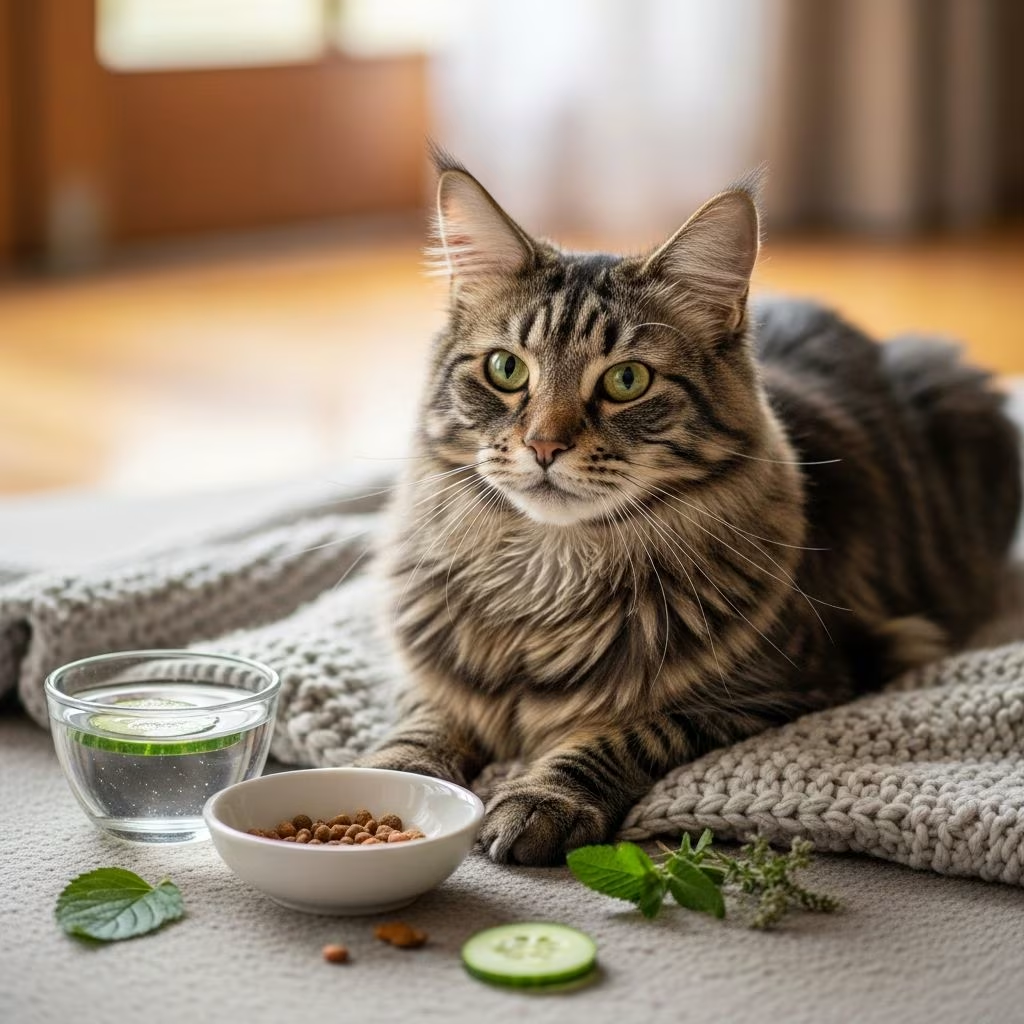
As cats enter their golden years, typically starting around age 7, their bodies undergo significant changes that demand a rethink of their daily diet. Metabolism slows, activity levels drop, and risks for conditions like kidney disease, arthritis, and muscle wasting rise. A thoughtfully crafted nutrition plan can help mitigate these issues, promoting longevity and comfort. This guide explores the vital nutrients, food choices, and feeding practices to keep your senior cat thriving.
Defining the Stages of Feline Seniorhood
Cats are generally classified as seniors between 7 and 10 years, with those over 11 deemed geriatric. During the 7-11 phase, many face obesity risks from reduced energy expenditure and metabolic shifts. Geriatric cats, however, often battle weight loss due to diminished appetite or absorption challenges. Recognizing your cat’s stage is crucial for customizing meals—mature seniors might need calorie control, while geriatrics require nutrient-dense options to preserve lean mass.
Regular vet checkups help pinpoint specific needs, such as monitoring for hyperthyroidism or dental decay, which influence eating habits. Bloodwork can reveal kidney function or inflammation markers, guiding precise dietary adjustments.
Critical Nutrients to Prioritize
Senior cat diets must emphasize bioavailability—nutrients that are easily absorbed despite aging digestive systems. Here’s a breakdown of must-haves:
- High-Quality Proteins: Essential for countering sarcopenia (age-related muscle loss). Opt for animal-based sources like chicken, turkey, fish, or beef, which provide complete amino acids. Levels should aim for 30-45% dry matter or 5-6g per kg body weight daily to support immunity and organ repair without overburdening kidneys in healthy cats.
- Balanced Healthy Fats: Omega-3s (from fish oil) and omega-6s reduce joint inflammation, enhance skin/coat quality, and aid brain function. Moderate fat prevents obesity in less active cats or supports underweight ones.
- Digestive Fiber: Soluble and insoluble fibers from sources like pumpkin or beet pulp promote regular bowel movements, combat constipation, and stabilize blood sugar. They also foster beneficial gut bacteria.
- Antioxidants and Vitamins: Vitamins E, C, A, selenium, and carotenoids neutralize free radicals, bolstering immunity and cellular health. B-vitamins energize and aid metabolism; carnitine preserves heart and muscle function.
- Controlled Minerals: Lower phosphorus and sodium protect kidneys; balanced calcium/phosphorus upholds bones. Potassium supports hydration balance.
These elements work synergistically. For instance, antioxidants paired with omegas amplify anti-inflammatory effects, crucial for arthritic joints.
Calorie Management and Weight Control
Aging cats often need 20-30% fewer calories than adults due to lower activity, yet individual variance is high. Overweight seniors risk diabetes and mobility woes; thin ones face frailty. Use this table for rough daily calorie estimates based on ideal weight:
| Ideal Weight (lbs) | Daily Calories (Maintenance) | Notes |
|---|---|---|
| 8-10 | 200-250 | Adjust down 10-20% if sedentary |
| 11-15 | 250-300 | Monitor for kidney issues |
| Underweight Geriatric | 300+ | Increase protein density |
Track body condition score (BCS) monthly—aim for ribs palpable but not visible. Split meals into 3-4 smaller portions to boost intake and mimic natural hunting.
Food Forms and Hydration Strategies
Format matters as much as content. Senior cats prone to chronic kidney disease (CKD) benefit from high-moisture foods:
- Wet/Canned Food: 70-80% moisture counters thirst insensitivity, dilutes urine to prevent crystals, and eases chewing for dental-impaired cats.
- Dry Kibble: Use sparingly for dental scraping, but pair with water fountains to encourage drinking.
- Mixed Feeding: Ideal hybrid—wet for hydration, dry for convenience and tartar control.
- Fresh/ Raw (Vet-Supervised): High protein but ensure balance to avoid excesses.
Enhance palatability with warmed wet food or yeast extracts for picky eaters. Multiple water stations, flavored add-ins (tuna water), or ceramic bowls stimulate intake.
Navigating Commercial and Homemade Options
Choose AAFCO-labeled senior formulas vetted for digestibility. Look for:
- First ingredients: Named meats (not by-products).
- Added probiotics/prebiotics for gut health.
- No excessive fillers like corn/wheat.
Popular vet-recommended lines include those with controlled phosphorus for renal support. Avoid generic adult foods lacking senior-specific fortification.
Homemade diets risk imbalances—consult a veterinary nutritionist. Supplements like glucosamine (joints), CoQ10 (heart), or fish oil shine when vet-prescribed, not DIY.
Transitioning Diets Smoothly
Abrupt changes cause refusal or diarrhea. Over 7-10 days:
- Days 1-3: 25% new, 75% old.
- Days 4-6: 50/50 mix.
- Days 7-9: 75% new, 25% old.
- Day 10: Full switch.
Warm food, hand-feed if needed, and monitor stool/output. Persistence with refusal? Vet check for underlying issues like hyperthyroidism.
Health Conditions and Tailored Nutrition
Common senior ailments dictate tweaks:
Prescription diets from brands like Hill’s or Royal Canin offer therapeutic benefits backed by research.
Daily Feeding Best Practices
– Feed at consistent times to regulate metabolism.
– Elevate bowls for neck comfort.
– Puzzle feeders combat boredom-induced overeating.
– Weigh food precisely; avoid free-feeding.
– Annual senior wellness exams refine plans.
Monitor for signs of malnutrition: dull coat, lethargy, or weight flux. Adjust proactively.
Frequently Asked Questions (FAQs)
What age is a senior cat?
Typically 7-10 years; over 11 is geriatric.
Should senior cats eat kitten food?
Possibly for underweight geriatrics needing high protein/digestibility, but vet approval essential.
Is wet food better than dry for seniors?
Yes for hydration and kidneys, but combine for dental benefits.
How much protein do seniors need?
Minimum 30% dry matter; higher for muscle maintenance.
Can I give milk to my senior cat?
Avoid—most are lactose intolerant, causing diarrhea.
Long-Term Benefits of Optimized Nutrition
Investing in senior-specific feeding yields measurable gains: sustained energy, robust immunity, fewer vet visits, and enhanced quality of life. Cats on tailored diets often live healthier into their late teens. Partner with your vet for bloodwork-driven tweaks, ensuring every bite fuels graceful aging.
References
- Senior Cat Nutrition: A Nutritional Guide for Aging Cats — PetMD. 2023. https://www.petmd.com/cat/nutrition/senior-cat-nutrition
- Feeding Mature, Senior, and Geriatric Cats — VCA Animal Hospitals. 2024. https://vcahospitals.com/know-your-pet/feeding-mature-senior-and-geriatric-cats
- Nutrition and Weight: Mature Adult and Senior Cats — AAHA. 2021. https://www.aaha.org/resources/2021-aaha-aafp-feline-life-stage-guidelines/nutrition-and-weight-mature-adult-and-senior-cats/
- Meeting the Nutritional Needs of Senior Cats — Canadian Veterinary Medical Association. 2023-03-01. https://www.canadianveterinarians.net/media/towjnjzy/meeting-the-nutritional-needs-of-senior-cats-march-2023.pdf
- Senior Cat Nutritional Requirements — Purina. 2024. https://www.purina.com/articles/cat/senior-cat/health/senior-cat-nutritional-requirements



