

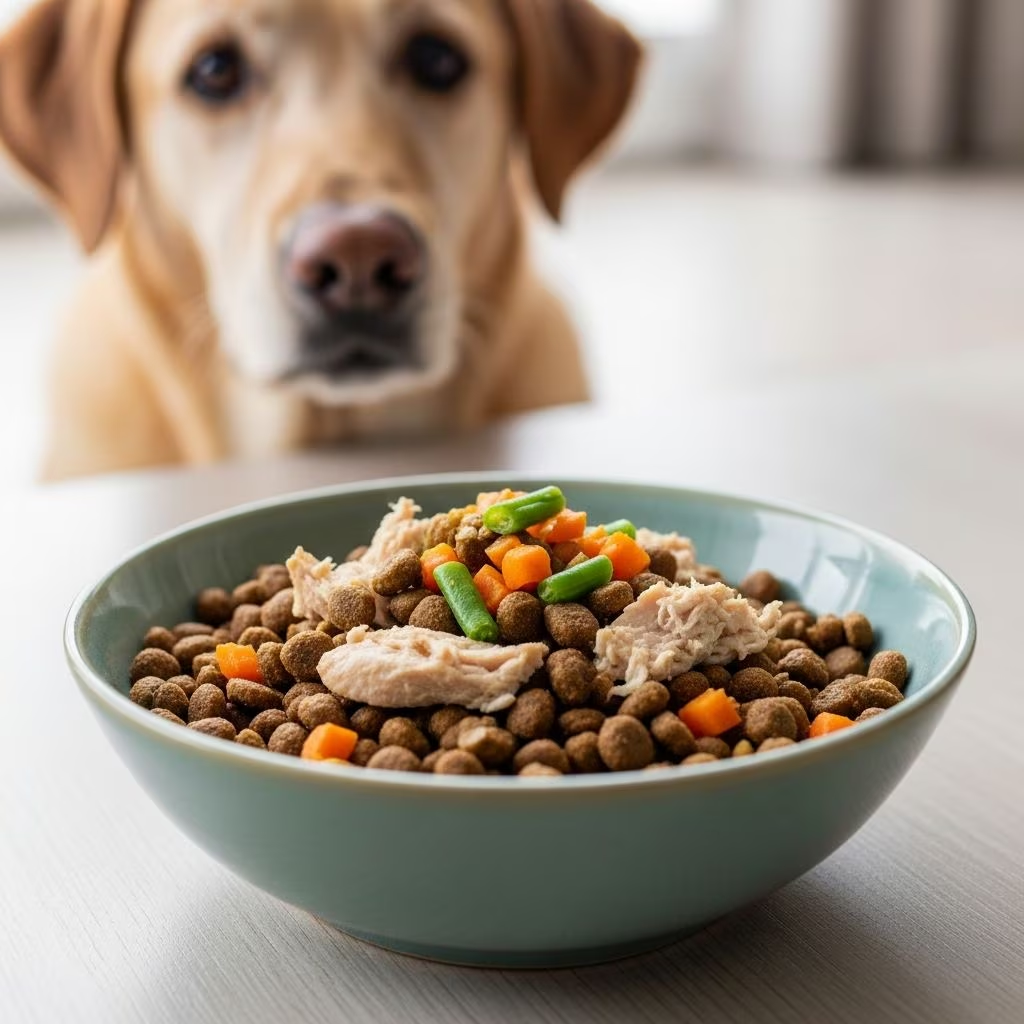
Nutrition for Dogs with Liver Disease
The liver is one of the most vital organs in a dog’s body, responsible for detoxifying harmful substances, producing essential proteins, and regulating metabolic processes. When a dog develops liver disease, proper nutrition becomes a cornerstone of management and recovery. Dietary modifications can significantly impact a dog’s quality of life, slow disease progression, and support the liver’s regenerative capacity.
Nutrition plays a critical role in managing liver disease by maintaining normal metabolic function, providing adequate caloric density, avoiding changes to mental function from toxins in the blood, supporting liver repair and regeneration, and decreasing further damage to the liver. Understanding which nutrients benefit liver health and which may cause harm is essential for any dog owner managing this condition.
Goals of Nutritional Management
Proper nutrition for dogs with liver disease serves multiple important objectives. The primary goals include maintaining normal metabolic function, ensuring the dog receives adequate calories to support daily activities, and preventing hepatic encephalopathy—a condition where toxins affect brain function. Additionally, nutritional management aims to support the liver’s natural repair and regeneration processes while decreasing further damage to the organ.
Another critical goal is maintaining appropriate levels of essential minerals, including sodium, chloride, and potassium. These minerals play vital roles in cellular function and fluid balance. A well-designed diet addresses all these goals simultaneously, creating a comprehensive approach to liver disease management.
The Importance of Hydration
Water is the single most important nutrient for dogs with liver disease. Proper hydration supports kidney function, aids in toxin elimination, and maintains blood flow to the liver. Dogs with liver disease should have access to fresh, clean water throughout the day. Pet owners should maintain good hygiene practices by washing, rinsing, and drying food and water bowls daily to prevent bacterial contamination.
Many dogs with liver disease experience decreased appetite, which can lead to inadequate fluid intake. In such cases, offering wet food, broth-based meals, or encouraging water consumption through interactive methods may help maintain proper hydration levels.
Protein Selection and Management
Protein is essential for dogs with liver disease, but the type and amount require careful consideration. High-quality, easily digestible proteins are preferred over those that are difficult to break down. The body processes different proteins at different rates, and poorly digestible proteins can increase ammonia levels in the bloodstream, which may worsen hepatic encephalopathy.
Ideal Protein Sources
Eggs are considered the most bioavailable source of protein for dogs with liver disease. Their amino acid profile is highly absorbable and produces minimal waste products that burden the liver. White meats, including chicken, turkey, and white fish such as cod or tilapia, are lean and low in copper, making them gentle on the liver.
Cottage cheese can be included in small amounts as it contains low levels of ammonia-producing amino acids. Prescription canine diets for liver disease deliver better-tolerated protein and decrease protein intake to 2.0–2.5 grams per kilogram of body weight. However, in cases of copper-associated hepatopathy, protein intake may be adjusted upward to 3.5–4.0 grams per kilogram by adding low-copper protein supplements such as white meat chicken.
Proteins to Avoid
Red meats such as beef and lamb are harder to digest and higher in copper, making them unsuitable for dogs with liver disease. Organ meats, particularly liver, can be especially harmful in dogs with copper-associated hepatopathies and should be completely avoided. Similarly, fish origin proteins should generally be limited in prescription liver diets, though small amounts of white fish may be acceptable in some cases.
Copper Management
Excess copper can accumulate in the liver, causing or worsening liver damage, particularly in breed-predisposed dogs. Certain breeds, including Labrador Retrievers, Bedlington Terriers, and West Highland White Terriers, are genetically predisposed to copper storage disease and require particularly strict copper restriction.
Copper-friendly foods include chicken, turkey, rice, oatmeal, and potatoes. Dog foods specifically labeled as “low copper” are formulated for dogs with liver disease and can simplify meal planning. Prescription diets like Hill’s L/D are designed to meet these requirements. Copper restriction is particularly important when managing copper-associated hepatopathy, as prescription liver diets are currently the only diets reliably restricted in copper content.
Healthy Fats and Omega-3 Fatty Acids
Not all fats are harmful to dogs with liver disease. Omega-3 fatty acids are beneficial due to their anti-inflammatory properties and ability to provide energy without overwhelming the liver. These essential fatty acids help reduce inflammation in the liver and support overall immune health, helping prevent further cellular damage.
Sources of Omega-3s
Fish oil is an excellent source of omega-3 fatty acids for dogs with liver disease. Flaxseed oil and chia seeds provide plant-based alternatives, though these are less bioavailable than marine sources. Sardines and mackerel in water are beneficial options, but those packed in oil or with added salt should be avoided.
The recommended ratio of omega-6 to omega-3 fats should be approximately 4:1, which helps maintain proper inflammatory balance. Moderate amounts of hemp oil and phytoplankton offering DHA and EPA may help protect the liver and reduce systemic inflammation.
Carbohydrate Selection
Carbohydrates should comprise no more than 10-20% of a liver disease dog’s diet and should be unrefined and easily digestible. Ideal carbohydrate sources include white rice, brown rice, oatmeal, and sweet potatoes. These options provide energy without stressing the liver.
Brown rice offers anti-inflammatory benefits and helps invigorate liver function. Millet serves as an anti-inflammatory, cooling blood tonic. Potatoes are gentle and help strengthen stomach function. Foods to avoid include corn and soy, which may irritate the digestive system and stress liver function.
Essential Vitamins and Supplements
Liver disease often causes deficiencies in vital vitamins due to impaired nutrient absorption or liver dysfunction. These vitamins are essential for recovery and should be supplemented when necessary under veterinary guidance.
Vitamin B12 (Cobalamin)
Vitamin B12 supports energy metabolism and red blood cell production. Dogs with liver disease may develop anemia or lethargy if deficient in this crucial nutrient. Sources include eggs, fish, and vitamin B12 injections for advanced cases. The vitamin B complex is extremely important for liver health, and supplementation can help regenerate normal liver function.
Vitamin K and Other Antioxidants
Vitamin K is needed for normal blood clotting and is recommended in cases of chronic liver disease. Vitamins E and C are both important antioxidants that help minimize oxidative injury. However, vitamin C should not be given to dogs with copper retention.
Supplementation with S-adenosyl-methionine (SAMe) helps improve liver function and acts as an antioxidant with anti-inflammatory properties. Silymarin (milk thistle) is another supportive supplement that veterinarians may recommend.
Additional Supportive Supplements
Zinc might be beneficial for some dogs with liver disease, as certain individuals are deficient and zinc can reduce copper retention. Salmon oil helps with inflammation and supports organ function.
Sodium and Mineral Control
Dogs with liver disease, particularly those with ascites (fluid buildup in the abdomen), benefit from a moderately restricted sodium diet to reduce water retention. However, sodium should not be eliminated entirely, as it remains necessary for other important bodily functions. Sodium and trace minerals are better received from whole foods and healthier versions of salt such as Himalayan salt.
Low-sodium foods include home-cooked meals with no added salt, plain boiled chicken, and sweet potatoes. Dogs should avoid commercial treats, processed meats, and canned foods with high sodium content.
Dietary Customization Based on Disease Stage
Liver disease is not a one-size-fits-all condition, and diet should be tailored to match the stage and severity of the disease. Nutritional needs vary significantly depending on how advanced the liver damage has become.
Early-Stage Liver Disease
During early stages, focus should be on a balanced diet that includes high-quality, easily digestible proteins like chicken, fish, or eggs. Incorporating omega-3 fatty acids and antioxidants helps prevent further damage to the liver and supports overall health.
Moderate Liver Disease
As the disease progresses to moderate stages, protein restrictions become more important to reduce the buildup of ammonia in the blood, a common problem with advancing liver disease. Include more carbohydrates like rice, oatmeal, or sweet potatoes for energy. Foods with low copper levels become increasingly important to prevent additional liver strain.
Advanced Liver Disease
In advanced stages, protein restrictions may need to be more strict, though consultation with a veterinarian is essential to avoid malnutrition. Focus heavily on liver-supportive ingredients like fish oil, cooked vegetables, and vitamin E. Hydration becomes even more critical, so including more wet or liquid-based meals may be necessary.
Preparing Homemade Liver-Friendly Meals
For pet owners who choose to prepare homemade meals for dogs with liver disease, several key principles should guide meal preparation. Focus should be on high-quality proteins like eggs, boiled chicken, and white fish such as cod or tilapia, which are gentle on the liver and provide essential amino acids.
Incorporate liver-friendly carbohydrates like white rice, purple sweet potatoes, or oatmeal for energy without stressing the liver. Add healthy fats like fish oil or coconut oil for anti-inflammatory benefits. Include antioxidant-rich vegetables like carrots, broccoli, cauliflower, or zucchini, but avoid those high in copper, such as spinach, kale, and mushrooms.
Supplements such as SAMe or milk thistle should be added under veterinary guidance for additional liver support. Cooked food is gentler than raw food and more appropriate for dogs with liver disease.
General Feeding Principles
Beyond specific nutrient considerations, several general feeding principles support liver health in dogs. Use human-grade, real food rather than commercial pet food products, which are often pro-inflammatory and particularly hard on the liver. Feed cooked food; this is more gentle on the digestive system than raw preparations.
Processed food such as dry and canned dog food should be avoided entirely for dogs with liver disease, as these products are pro-inflammatory and difficult for the liver to process. Instead, focus on fresh, whole food options prepared at home when possible.
Prescription Diets
Prescription canine diets formulated specifically for liver disease offer several advantages. These diets are carefully balanced to deliver better-tolerated proteins and decrease protein intake to appropriate levels. They are particularly recommended for management of dogs with copper-associated hepatopathy, as they are the only diets reliably restricted in copper content.
When prescription diets are combined with protein supplementation as recommended by a veterinarian, they can help achieve the appropriate balance between protein restriction and adequate nutrition for maintaining body condition and preventing malnutrition.
Monitoring and Adjustments
Regular monitoring of a dog’s response to dietary changes is essential. If a dog responds well to initial protein restriction, approximately 0.25–0.5 grams per kilogram per day can be added using tofu- or dairy-based protein sources or white meat chicken. Adjustments should always be made under veterinary guidance based on blood work, clinical signs, and overall condition.
Pet owners should watch for signs of improvement or deterioration and report these observations to their veterinarian. Changes in appetite, energy levels, digestive function, and mental clarity can all indicate whether the current diet is supporting liver health appropriately.
Frequently Asked Questions About Liver Disease Nutrition
Q: Can dogs with liver disease eat regular commercial dog food?
A: No, regular commercial dog foods are typically pro-inflammatory and difficult for the liver to process. Prescription liver diets or carefully prepared home-cooked meals are recommended instead.
Q: How much protein should a dog with liver disease consume?
A: Protein intake should typically be 2.0–2.5 grams per kilogram of body weight for moderate to severe liver disease, though this varies based on disease stage. Veterinary guidance is essential for determining individual requirements.
Q: Are supplements necessary for dogs with liver disease?
A: Supplementation with vitamins like B12, vitamin E, and supplements like SAMe may be beneficial, particularly in advanced disease. Always consult with a veterinarian before adding supplements.
Q: Can homemade diets manage liver disease adequately?
A: Carefully planned homemade diets can be beneficial, but they should be formulated with veterinary or veterinary nutritionist guidance to ensure all nutritional requirements are met.
Q: How does copper affect dogs with liver disease?
A: Excess copper can accumulate in the liver and worsen damage, especially in genetically predisposed breeds. Low-copper diets and foods are essential for managing copper-associated hepatopathy.
Q: Why is hydration so important for liver disease?
A: Water supports kidney function, aids in toxin elimination, and maintains blood flow to the liver. Fresh water should be available throughout the day.
References
- Holistic Diet for Dogs with Liver Disease — Nikolaus Nature. 2024. https://nikolausnature.com/blogs/dog-health/holistic-diet-for-dogs-with-liver-disease
- Nutrition in Hepatic Disease in Small Animals — MSD Vet Manual. 2024. https://www.msdvetmanual.com/digestive-system/hepatic-diseases-of-small-animals/nutrition-in-hepatic-disease-in-small-animals
- Best Diet For a Dog With Liver Disease — Chi Dog. 2024. https://chidog.com/blogs/default-blog/diet-for-dog-with-liver-disease
- Diet for Dogs with Liver Disease — Kristina Johansen, Certified Dog Nutritionist. 2024. https://www.kristinajohansen.com/dog-nutritionist/services/diet-dogs-liver-disease/
- Ultimate Natural Guide for Pets: Liver Disease — My Pet Nutritionist. 2024. https://mypetnutritionist.com/post/ultimate-natural-guide-for-pets-liver-disease/
- Nutrition for Dogs with Liver Disease — VCA Animal Hospitals. 2024. https://vcahospitals.com/know-your-pet/nutrition-for-dogs-with-liver-disease
- Nutritional Management of Liver Failure and Hepatic Encephalopathy — UC Davis School of Veterinary Medicine. 2024. https://healthtopics.vetmed.ucdavis.edu/health-topics/canine/nutritional-management-liver-failure-and-hepatic-encephalopathy



