

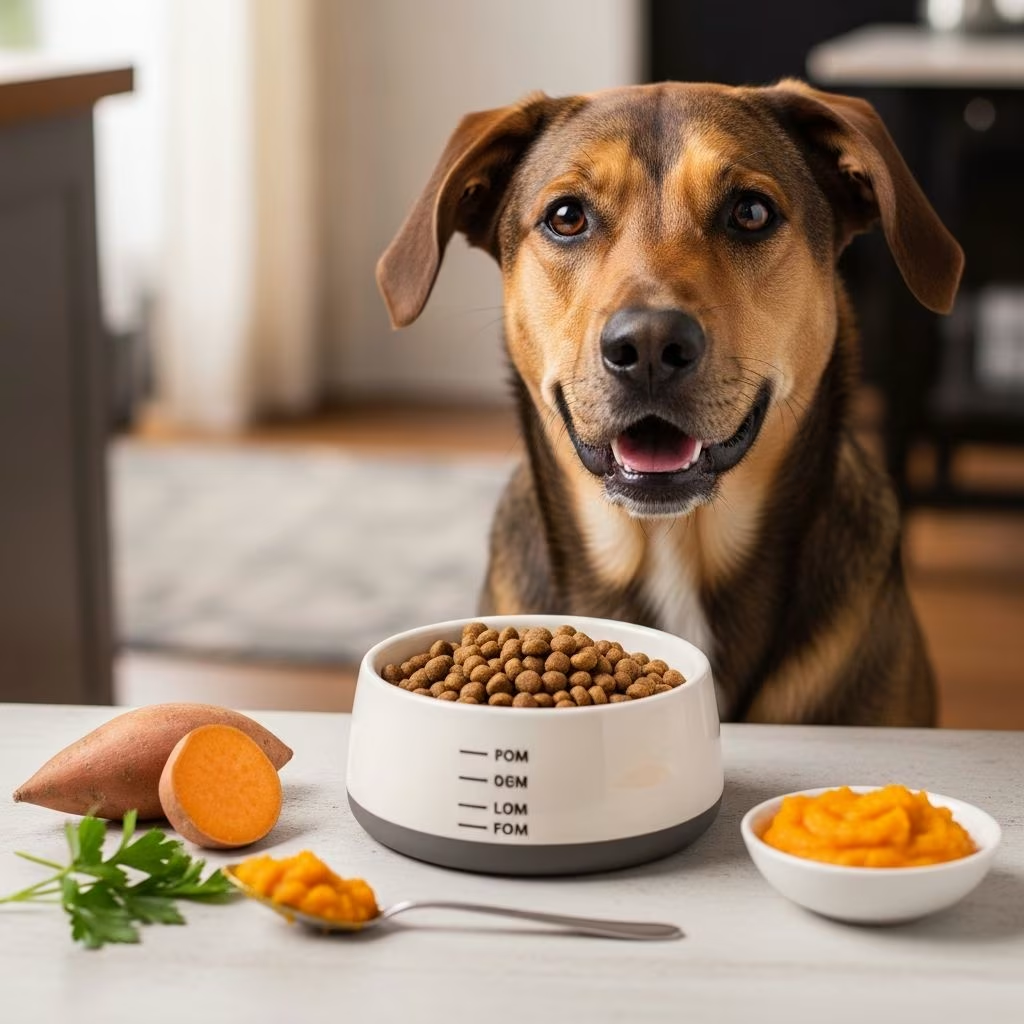
Understanding Colitis and Nutritional Management
Colitis in dogs is an inflammatory condition affecting the colon, often resulting in diarrhea, mucus in stool, and discomfort. While various factors can contribute to colitis development, dietary management plays a crucial role in managing both acute and chronic cases. The primary goal of nutritional intervention is to provide an appropriate nutrient balance that meets your dog’s individual needs while promoting normal gut movement and optimal colonic water absorption to produce healthy stool texture.
Working closely with your veterinarian is essential to develop a comprehensive nutritional plan tailored to your dog’s specific condition. Since each dog responds differently to dietary changes, it may take multiple attempts to identify the right nutrient profile for your individual pet. This process requires patience and careful observation from pet owners to monitor improvements and adjust as needed.
Diagnostic Approaches: Elimination Diet Trials
When a veterinarian suspects colitis, they often recommend diagnostic testing to identify underlying causes. One of the most effective diagnostic tools for identifying food allergies or food intolerances is an elimination diet trial.
Hydrolyzed Protein Diets
Hydrolyzed protein diets represent one approach to elimination diet trials. In these formulations, proteins have been broken down into individual amino acids, essentially mimicking the first stage of natural protein digestion. This processing makes proteins unrecognizable to the immune system, preventing an immune response that could trigger or worsen colitis symptoms, particularly in dogs with inflammatory bowel disease (IBD).
Despite the modified protein structure, your dog can still utilize the amino acids to meet their complete nutritional requirements without experiencing adverse gut reactions. Hydrolyzed protein diet trials typically last between 2 to 4 weeks, though some cases may require 8 to 12 weeks for complete evaluation. During this trial period, it is critical that your dog receives only the veterinary therapeutic hydrolyzed food—no treats, table scraps, or other food items should be introduced, as this can compromise the trial’s accuracy.
Novel Protein Diets
Novel protein diets take a different approach, using intact proteins rather than hydrolyzed amino acids. However, the protein source must be completely new to your dog—something the animal has never consumed in previous commercial foods or treats. This requirement makes novel protein diets more challenging to implement successfully, as it demands a complete and accurate diet history from the pet owner.
If you cannot recall all previous food and treat brands your dog has consumed, the novel protein trial may not achieve complete success. A thorough discussion with your veterinarian about your dog’s complete dietary history will help ensure the novel protein diet trial is as effective as possible.
Key Nutrients for Managing Colitis
Several essential nutrients play important roles in managing canine colitis and supporting colon health:
Water: The Foundation of Colon Health
Water is unquestionably the single most important nutrient for dogs with colitis. Proper hydration provides the foundation for good colon health and overall digestive function. The colon’s primary function is to absorb water from intestinal contents, but colitis impairs this function, potentially leading to diarrhea and subsequent dehydration. Excessive fluid loss through loose stools creates a dangerous cycle that further compromises your dog’s health.
Ensure your dog has access to plenty of fresh, clean water throughout the day. Additionally, maintain excellent hygiene by washing, rinsing, and thoroughly drying your pet’s water and food bowls daily. This simple practice helps prevent bacterial contamination and supports digestive health.
Protein: Moderate-to-Low Amounts
Veterinary therapeutic hydrolyzed protein diets typically contain moderate-to-low protein levels compared to standard adult dog foods on the market. The specific amount and type of protein has been extensively researched by veterinary nutritionists and carefully formulated to support dogs with colitis. Protein selection and quantity directly impact how well your dog’s digestive system processes nutrients and manages inflammation.
Dietary Fat: Supporting Digestibility
Depending on your dog’s calorie requirements, a nutrient profile with low-to-moderate fat content can help control diarrhea associated with colitis. Since calories derive from the combination of protein, fat, and carbohydrate ingredients, it’s crucial that all components have high digestibility. This ensures nutrients are easily absorbed by the small intestine, leaving minimal undigested material for bacterial fermentation in the colon, which can exacerbate symptoms.
Dietary Fiber: Supporting Colon Function
Dietary fiber offers multiple benefits for dogs with chronic colitis when appropriately selected:
- Normalizing the transit time of food through the colon
- Protecting the gut against harmful toxins
- Holding excess water in stool, reducing diarrhea risk
- Supporting the growth of beneficial colon bacteria
- Promoting healthy colon cell function
Low-fiber, moderate-fiber, and high-fiber diets have all been used successfully to manage canine colitis, as individual dogs respond differently to fiber levels. Some dogs benefit from additional fiber supplementation to reach the desired total daily fiber intake.
Fiber Options and Supplementation
Your veterinarian may recommend one of several fiber approaches based on your dog’s specific response to dietary modifications:
- Low-fiber diets: Some dogs with colitis respond better to reduced fiber content
- Moderate-fiber diets: Provide balanced fiber levels for many dogs
- High-fiber diets: Beneficial for dogs whose colitis responds well to increased fiber
- Fermentable fiber supplements: Additional options include psyllium, beet pulp, or fructooligosaccharides (FOS)
Your veterinary healthcare team can determine the most appropriate fiber profile and products to test with your individual dog, making adjustments as needed based on observed results.
Additional Dietary Interventions
Beyond prescription therapeutic diets, several supportive measures can enhance colitis management:
Probiotic Formulations
Probiotic supplements containing beneficial bacteria can be valuable adjuncts to dietary management. These formulations help restore healthy gut flora, which may be disrupted during colitis episodes, supporting overall digestive function and reducing inflammation.
Short-Term Dietary Rest
In acute colitis cases, veterinarians often recommend fasting for 24 to 48 hours to give the inflamed colon a brief rest period. After this fasting period, gradual reintroduction of food using a low-residue or hypoallergenic diet helps minimize stress on the digestive system while it recovers.
Recommended Prescription Diets
Your veterinarian may suggest one or more of these therapeutic diet options, selecting based on your dog’s individual response and nutritional needs:
| Brand | Product Name | Type/Key Feature |
|---|---|---|
| Purina Pro Plan Veterinary Diets | HA Hydrolyzed | Hydrolyzed protein formula |
| Purina Pro Plan Veterinary Diets | Gastroenteric Fiber Balance | Balanced fiber content |
| Royal Canin | Hydrolyzed Protein HP | Hydrolyzed protein formula |
| Royal Canin | Gastrointestinal High Fiber | High-fiber formulation |
| Hill’s Prescription Diet | i/d | Digestive care formula |
| Hill’s Prescription Diet | Gastrointestinal Biome | Microbiome support formula |
| Hill’s Prescription Diet | w/d | Weight management with digestive support |
Developing Your Dog’s Nutrition Plan
Creating an effective nutrition plan for colitis management requires collaboration between you and your veterinary team. Your veterinarian will assess your dog’s complete clinical history, current nutritional intake, body condition, and individual response to previous dietary interventions. This comprehensive evaluation guides the selection of an appropriate starting diet and any necessary modifications.
As you implement dietary changes, keep detailed records of your dog’s stool quality, frequency, appetite, energy level, and overall comfort. This documentation helps your veterinarian evaluate the success of the current nutritional plan and determine whether adjustments are needed. Some dogs show improvement within days, while others may require 8 to 12 weeks for complete assessment of a given diet trial.
Important Considerations for Diet Trials
Several critical factors ensure successful dietary management of canine colitis:
- Complete adherence: Feed only the prescribed diet; no treats, table scraps, or flavored medications that contain problematic ingredients
- Gradual transitions: When changing diets, transition slowly over 7-10 days to allow the digestive system to adjust
- Environmental factors: Maintain consistent feeding times and locations to reduce stress on the digestive system
- Water access: Ensure unlimited access to fresh, clean water at all times
- Patience: Diet trials require 2-4 weeks minimum, sometimes 8-12 weeks, for complete evaluation
Frequently Asked Questions About Canine Colitis Nutrition
Q: How long does a hydrolyzed protein diet trial typically last?
A: Hydrolyzed protein diet trials usually last 2 to 4 weeks for initial evaluation, though some cases may require 8 to 12 weeks for comprehensive assessment. Your veterinarian will determine the appropriate timeline based on your dog’s individual response.
Q: Can I give my dog treats during a diet trial?
A: No, during any elimination or prescription diet trial, only the therapeutic diet should be provided. Treats, table scraps, and flavored supplements can interfere with the trial’s accuracy and compromise results.
Q: What is the difference between hydrolyzed and novel protein diets?
A: Hydrolyzed protein diets contain proteins broken down into amino acids, making them unrecognizable to the immune system. Novel protein diets use intact proteins from sources your dog has never eaten. Both approaches help identify food sensitivities through elimination trials.
Q: How much fiber should my dog with colitis have?
A: Fiber requirements vary by individual dog. Some benefit from low-fiber diets, while others do better with moderate or high-fiber formulations. Your veterinarian will help determine the optimal fiber level based on your dog’s response.
Q: Why is water so important for dogs with colitis?
A: Water is the single most important nutrient for colitis management. The colon absorbs water, but colitis impairs this function, leading to diarrhea and dehydration. Adequate water intake supports proper colon function and overall health.
Q: Can probiotics help my dog’s colitis?
A: Yes, probiotic formulations containing beneficial bacteria can be helpful adjuncts to dietary management. They support healthy gut flora restoration and may reduce inflammation in the digestive tract.
Q: What should I do if the first prescribed diet doesn’t help?
A: If your dog doesn’t improve after 4-8 weeks on the initial diet, work with your veterinarian to try alternative formulations. It may take multiple attempts to find the right nutrient profile for your individual dog.
Q: Are home-cooked diets recommended for dogs with colitis?
A: Home-cooked elimination diets can be beneficial under strict veterinary supervision. They should contain only a single protein and single carbohydrate source and must be fed for the specific recommended duration only, as they may not be nutritionally complete and balanced.
References
- Nutrition for Dogs with Colitis — VCA Animal Hospitals. 2024. https://vcahospitals.com/know-your-pet/nutrition-and-dogs-with-colitis
- Colitis in Dogs — VCA Animal Hospitals. 2024. https://vcahospitals.com/know-your-pet/colitis-in-dogs
- Inflammatory Bowel Disease in Dogs — VCA Animal Hospitals. 2024. https://vcahospitals.com/know-your-pet/inflammatory-bowel-disease-in-dogs
- Nutrition – General Feeding Guidelines for Dogs — VCA Animal Hospitals. 2024. https://vcahospitals.com/know-your-pet/nutrition-general-feeding-guidelines-for-dogs
- What should I feed my dog if they have an upset stomach? — VCA Animal Hospitals. 2022. https://vcahospitals.com



