
Nutrition Disorders In Captive Primates: Expert Care Guide
Exploring vital dietary needs and common nutritional imbalances affecting nonhuman primates in captivity for optimal health management.
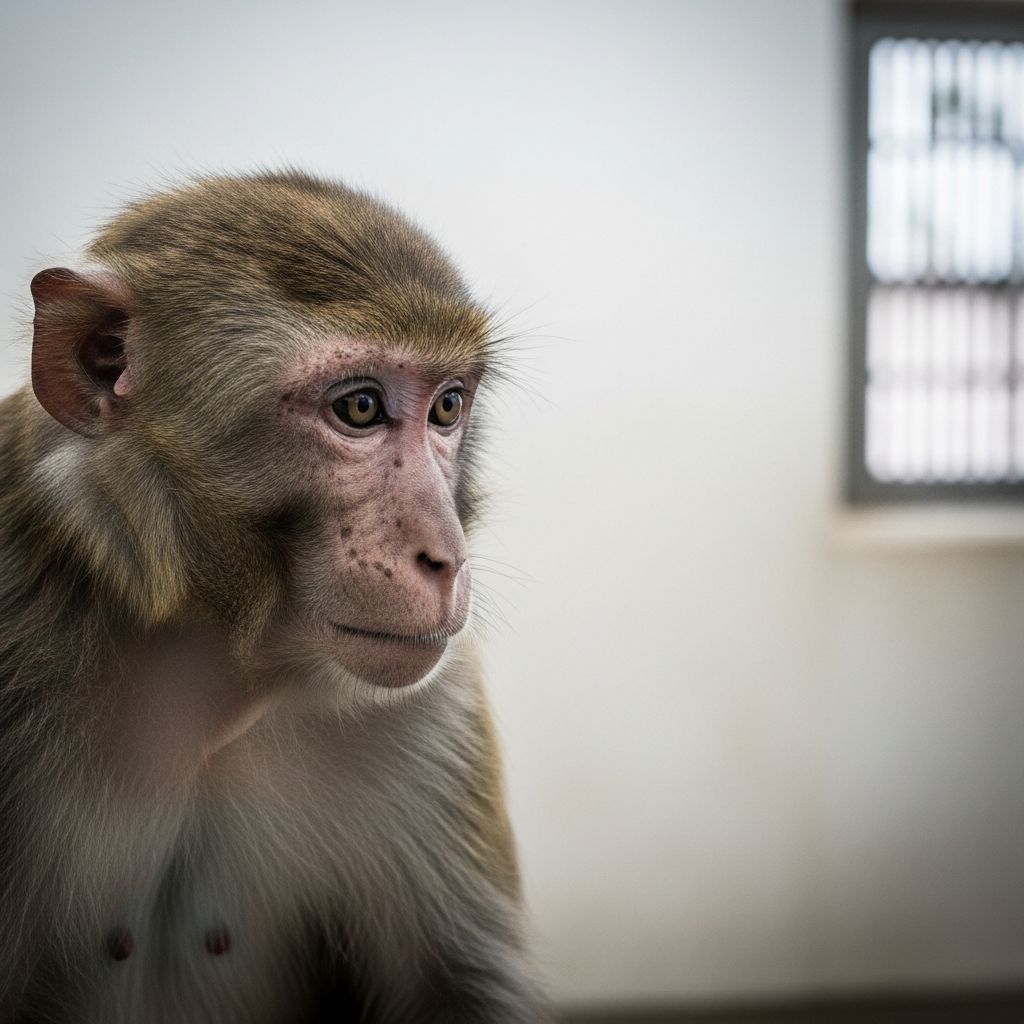
Captive nonhuman primates, including those in research facilities, zoos, and private collections, face unique nutritional challenges that can lead to serious health issues if not managed properly. Unlike their wild counterparts, these animals rely on formulated diets, which must precisely meet species-specific needs to prevent deficiencies or toxicities. Understanding these requirements is crucial for veterinarians, zookeepers, and owners to ensure longevity and welfare.
Essential Dietary Foundations for Primate Health
Primates require a balanced intake of macronutrients, vitamins, and minerals tailored to their taxonomy and environment. Commercial pelleted feeds form the base, often supplemented with fresh produce for psychological enrichment and variety. However, over-reliance on fruits or inappropriate items can disrupt nutrient equilibrium. For instance, Old World species like macaques differ from New World ones like marmosets in their ability to metabolize certain precursors, necessitating distinct formulations.
- Protein and Energy Balance: Growing juveniles and breeding adults demand higher calories, with proteins from quality sources supporting muscle and immune function.
- Fiber Sources: Insoluble fibers aid digestion in hindgut fermenters, while foregut specialists like colobus monkeys need specialized roughage to prevent gastrointestinal stasis.
- Fats and Carbohydrates: Moderate levels prevent obesity; excessive simple sugars mimic human metabolic syndromes.
Regular body condition scoring and fecal analysis help monitor adequacy, adjusting rations based on age, reproductive status, and activity levels.
Vitamin C Shortfalls and Scurvy Prevention
Most anthropoid primates lack the enzyme to synthesize ascorbic acid, making them prone to hypovitaminosis C. Early signs include weakened immunity and heightened infection risk, progressing to overt scurvy with ecchymoses, gingival bleeding, and skeletal pain. Strepsirrhines like lemurs are exceptions, producing their own supply.
Stable formulations in pellets degrade over time, especially under heat or humidity, underscoring storage protocols. Daily needs range from 3-6 mg/kg, with therapeutic doses up to 50 mg/kg resolving symptoms swiftly. Reliable boosters include kale, oranges, and pediatric supplements palatable to primates.
| Primate Group | Vitamin C Need | Common Sources |
|---|---|---|
| Anthropoids (macaques, tamarins) | Dietary essential | Leafy greens, citrus |
| Strepsirrhines (lemurs) | Self-produced | Minimal supplementation |
Pet owners must track all ingested items, as ad libitum fruits alone rarely suffice.
Vitamin D Dynamics and Bone Integrity
Vitamin D is pivotal for calcium absorption, averting rickets in young primates and osteomalacia in adults. Regional differences matter: New World species cannot convert plant ergocalciferol (D2) efficiently, requiring cholecalciferol (D3) from animal sources or UVB exposure. Indoor housing exacerbates risks, leading to fibrous osteodystrophy via secondary hyperparathyroidism.
Fish oils or fortified feeds provide D3 at 1.25 IU/g, complemented by natural sunlight. African and Asian primates handle D2 better. Monitoring serum levels guides supplementation, preventing toxicity from excess.
Iron Overload Risks in Specific Species
Lemurs and some callitrichids accumulate hepatic iron from fortified multivitamins or primate chow, culminating in storage disease. Diagnosis involves biopsy with Prussian blue staining. Prevention entails iron-free diets; avoid supplements unless deficient. Symptoms emerge late, with fatigue and organ dysfunction.
Metabolic Disruptions from Imbalanced Feeding
Captivity promotes obesity via calorie-dense treats, sedentary lifestyles, and high-fructose additions. Rhesus macaques on sugar-sweetened drinks show insulin resistance, dyslipidemia, and vascular inflammation akin to human type 2 diabetes. High-fat/high-sugar regimens accelerate fatty liver (NAFLD) and hypertension.
Spontaneous cases occur in aging captives, but experimental diets hasten progression for research. Baboons and marmosets model hepatic steatosis from lipid mishandling.
- Hypertriglyceridemia from fructose excess.
- Reduced HDL and adiponectin.
- Endothelial changes via P-selectin upregulation.
Dental wear from hard pellets and browse mitigates obesity while promoting oral health.
Digestive Adaptations and Fiber Strategies
Primate guts vary: cebus monkeys ferment cellulose in enlarged cecums, yielding volatile fatty acids for energy. High-starch/low-fiber diets cause diarrhea in these specialists. Soluble fibers like pectins support microbiota, aiding protein recycling via urea.
Target fiber: 10-20% insoluble for bulk, balanced sugars to curb fermentation spikes. Howlers and colobus thrive on leaf-heavy rations.
Species-Specific Nutritional Profiles
| Species Group | Key Needs | Risks | Diet Staples |
|---|---|---|---|
| New World (squirrel monkeys) | D3 vitamin, gum exudates | Rickets, obesity | D3 chow, insects |
| Old World (baboons) | D2/D3 flexible, high protein | Diabetes | Pellets, veggies |
| Callitrichids (marmosets) | Vitamin C, exudates | NAFLD | Gum supplements |
| Lemurs | Low iron, folivore base | Iron storage | Leaves, iron-free chow |
Management Protocols for Optimal Welfare
Formulate diets using NRC guidelines and AZA manuals, customizing for life stage. Scatter feeding enhances foraging, reducing stereotypic behaviors. Water quality, with vitamin stability in mind, is vital. Annual biochem panels detect subclinical issues early.
Breeding groups need elevated energy; juveniles prioritize growth minerals like zinc.
Emerging Research on Primate Diets
Studies highlight diet-induced models for human ailments, from metabolic syndrome to cardiovascular disease. Longitudinal tracking in rhesus reveals beta-cell exhaustion mirroring human diabetes trajectories. Interventions like caloric restriction reverse insulin resistance.
Frequently Asked Questions (FAQs)
What is the main diet for lab macaques?
Commercial chow with 15% fat, supplemented by produce; avoid excess sugar.
How to spot vitamin C deficiency early?
Watch for infections, bruising, or lethargy; test ascorbic acid levels.
Can sunlight replace vitamin D supplements?
Yes, UVB exposure suffices for many, but indoor primates need fortification.
Why avoid iron in lemur food?
Genetic predisposition causes toxic buildup in liver.
Best fiber for tamarins?
Mix insoluble cellulose with gums to support fermentation.
References
- Nutritional Diseases of Nonhuman Primates — Merck Veterinary Manual. 2023. https://www.merckvetmanual.com/exotic-and-laboratory-animals/nonhuman-primates/nutritional-diseases-of-nonhuman-primates
- Use and Importance of Nonhuman Primates in Metabolic Disease Research — ILAR Journal, Oxford Academic. 2017-05-01. https://academic.oup.com/ilarjournal/article/58/2/251/4677318
- Nutritional Aspects of Non-Human Primate Care — USDA APHIS. 2020. https://www.aphis.usda.gov/sites/default/files/AC-CAW-NHP-BHenry-Nutrition.pdf
- Session 3: Nutrient Requirements of Nonhuman Primates — National Academies Press. 2003. https://www.nationalacademies.org/read/10774/chapter/5
- A review of nutritional deficiencies and toxicities in captive New World primates — Wiley Online Library. 2000. https://zslpublications.onlinelibrary.wiley.com/doi/abs/10.1111/j.1748-1090.2000.tb00741.x
Similar Articles








Read full bio of Sneha Tete


