

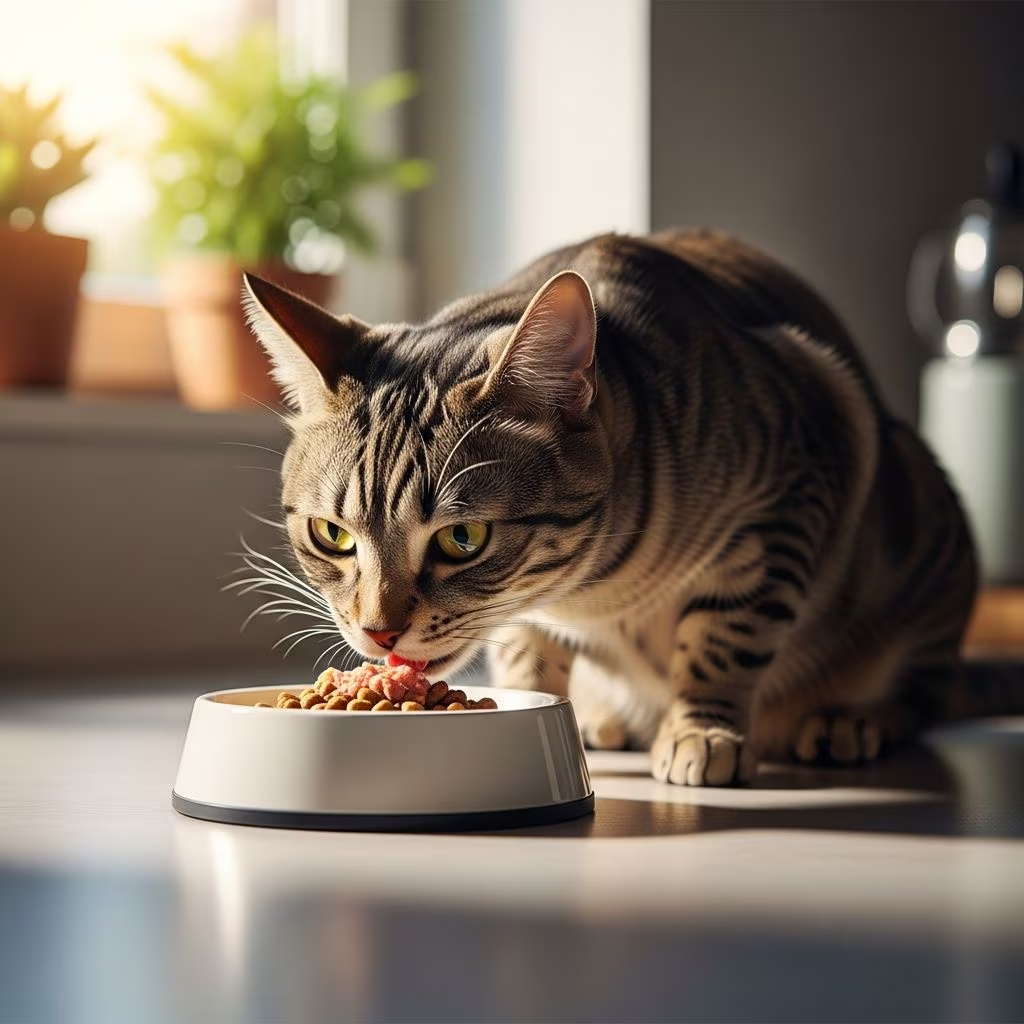
Understanding Nutrition’s Role in Feline Diabetes
Nutrition plays a critical role in managing diabetes mellitus in cats. When a cat is diagnosed with diabetes, the most important long-term management strategy after beginning insulin injections is implementing a proper diet change. The relationship between body weight, insulin resistance, and diabetes development in cats cannot be overstated. The single most important lifestyle factor that contributes to the development of diabetes mellitus in cats is being overweight or obese.
Excess body fat creates insulin resistance in the tissues, which stimulates the pancreas to secrete even more insulin. This vicious cycle can eventually lead to pancreatic exhaustion and the development of diabetes. Conversely, cats that attain lean body weight can improve their insulin receptivity and may go into diabetic remission, where they don’t require insulin injections to manage their blood sugar. This possibility of remission makes nutrition and weight management essential components of diabetes care for feline patients.
Preventing Diabetes Through Proper Feeding
The best way to deal with diabetes mellitus in cats is to do everything possible to prevent it. This means managing meal portions when feeding, starting when cats are still kittens. Establishing healthy eating habits early in a cat’s life can significantly reduce the risk of obesity and subsequent diabetes development. Pet owners should work with their veterinarians to establish appropriate portion sizes and feeding schedules that promote healthy body weight maintenance throughout a cat’s life.
Dietary Requirements for Diabetic Cats
Protein Recommendations
Protein is one of the most important nutritional components for diabetic cats. Diabetic cats should be fed a high-protein diet defined as at least 40% protein on a metabolizable energy basis. This high-protein approach serves multiple important functions in diabetes management. High-protein diets maximize metabolic rate, limit the risk of hepatic lipidosis during weight loss, improve satiety, and prevent lean muscle-mass loss. This dietary regimen is necessary to prevent protein malnutrition and loss of lean body mass, which can occur during weight loss.
Protein normalizes fat metabolism and provides a consistent energy source for diabetic cats. Additionally, the amino acid arginine found in proteins stimulates insulin secretion, which helps improve glucose control. High-protein diets typically provide the lowest amount of carbohydrates without impacting palatability, making them an excellent choice for cats with diabetes.
Carbohydrate Considerations
Carbohydrate intake should be limited in diabetic cats because carbohydrates may contribute to hyperglycemia and glucose toxicity. The recommended carbohydrate content for diabetic cats is approximately 12% of metabolizable energy, though veterinary professionals recognize there are various expert opinions on this topic. Glucose, which is a type of carbohydrate, directly affects blood sugar levels in diabetic cats.
It’s important to remember that not all low-carbohydrate diets are the same. Some diets marketed as low-carbohydrate may still contain higher levels than ideal. Working closely with your veterinarian to select a diet with appropriate carbohydrate levels is essential for optimal diabetes management. Managing protein and carbohydrate intake is recommended to minimize postprandial hyperglycemia, which refers to elevated blood sugar levels after eating.
Fiber Content
Fiber is an important part of every cat’s diet, including those with diabetes. Soluble fibers can improve the health of the colon and overall immune health. More specifically for diabetic cats, insoluble fibers like cellulose benefit diabetes management by slowing the absorption of glucose from the diet. This slower glucose absorption helps prevent rapid blood sugar spikes after meals, promoting more stable glucose levels throughout the day.
However, high-fiber diets are not typically recommended for cats with diabetes mellitus. The focus should be on including appropriate amounts of insoluble fiber rather than creating an excessively high-fiber diet, which may not align with cats’ nutritional needs as obligate carnivores.
Calorie Density and Weight Management
When selecting a diet for a cat with diabetes, the number of calories in each cup or can of food is an important consideration. A cat that needs to lose weight generally requires a less calorie-dense diet to help achieve gradual, controlled weight loss. If a cat is underweight at the time of diabetes diagnosis, they may need a diet with a higher caloric density to maintain appropriate body weight and muscle mass.
It is critical to work closely with your veterinarian to choose the most appropriate nutrient profile to achieve a normal body condition. If your cat is overweight, your veterinarian will recommend a diet formulated to promote weight loss while offering adequate levels of easily digestible protein. Canned diets are typically less calorie-dense than dry kibble and are often beneficial to cats with diabetes for this reason.
Food Type and Diet Composition
Prescription and Commercial Options
There are many prescription diets on the market that have a low carbohydrate load and are formulated especially for cats with diabetes. These prescription diets are carefully balanced to meet the specific nutritional needs of diabetic felines. If clients are unable or unwilling to purchase prescription low-carbohydrate diets, they can consider nonprescription canned foods. Nonprescription canned cat foods are generally less calorie dense than dry kibble and tend to be lower in carbohydrates, making them a reasonable alternative option.
For diabetic cats in whom diabetes is stable and serum blood glucose is less than 300 mg/dL, a low-carbohydrate diet may be tried initially before insulin therapy to determine if remission can be achieved. In some cases, dietary management alone may be sufficient to control blood sugar levels without pharmaceutical intervention.
Dietary Adjustments for Concurrent Conditions
Dietary recommendations for both dogs and cats should be adjusted if concurrent diseases are present. For example, a cat with diabetes and stage 2 chronic kidney disease presents a complex nutritional situation. Dietary therapy plays an important role in preventing progression of chronic kidney disease. Although a low-carbohydrate, high-protein diet can significantly affect glucose control in diabetic cats, it may be more beneficial to feed to prevent chronic kidney disease progression. In such cases, a cat with these comorbidities should be fed a renal diet, and the insulin dose should be increased to compensate for lack of glucose control through diet alone.
Feeding Schedule and Meal Timing
Meal Frequency
Once a cat is diagnosed with diabetes mellitus, decisions about feeding frequency should be made in consultation with your veterinarian. Affected cats should generally be fed twice a day when they receive their insulin injection. This regimen helps ensure that the animal eats enough to use the exogenous insulin effectively. At 4 to 8 hours after injection, when the insulin is working at peak effectiveness, the animal may have a snack; however, clients should control the animal’s calorie consumption to avoid weight gain.
Grazing vs. Meal Feeding
If your cat is used to meal feeding, they should be fed twice daily. If they prefer to eat throughout the day, you can allow them to graze with appropriate portions. If your cat grazes on their food throughout the day, they may be able to continue this pattern if they use a diet appropriate for diabetes mellitus and their body condition stabilizes. Some cats who eat meals or whose glucose isn’t regulating well will need to have their meals timed along with their insulin injections.
For intrinsically grazing cats, working with the client to develop an optimal feeding strategy is recommended rather than trying to change their preference for grazing. Most diabetic cats can do well with insulin injections and food left out for grazing. If possible, the cat’s caloric requirements should be divided into 2 meals per day and the cat should be allowed to nibble on the food throughout the day. Feeding portioned meals has several advantages for dietary management of diabetic cats, including easier monitoring of intake and appetite, facilitated portion control, and better assessment of eating patterns.
Free-choice feeding is acceptable if a cat’s eating habits cannot be changed. The daily ration can be divided into multiple meals, and the use of timed feeders may be helpful in managing portion sizes. With a low carbohydrate diet and longer-acting insulin preparation, free choice feeding may be acceptable for cats who prefer to graze throughout the day.
Important Dietary Considerations
Water Access
Cats with diabetes mellitus often drink more and urinate more than cats without diabetes. This increased fluid requirement means they need easy access to clean, fresh water at all times. Ensuring adequate water availability is an essential part of diabetes management that is sometimes overlooked.
Treats and Rewards
Treats can be given with caution and should be discussed with your veterinary team as part of your cat’s nutrition plan. Often, using a portion of the daily kibble ration is recommended as treats, or giving carefully selected treats at the same time each day. This approach allows cats to receive positive reinforcement and reward while maintaining strict calorie and nutrient control.
Monitoring and Communication
No matter what feeding strategy is chosen, be sure to work closely with your veterinarian to achieve the best outcomes possible. Regular monitoring of your cat’s blood glucose levels, body condition score, and appetite is essential. Your veterinarian can help adjust the diet and insulin dosage based on how your cat responds to the current feeding plan.
Benefits of Low-Carbohydrate Diets
A low carbohydrate diet has been shown to improve blood sugar regulation in diabetic cats. With careful treatment using appropriate nutrition, your cat’s diabetes may well go into remission. For cats who are overweight when diagnosed with diabetes, slow, controlled weight loss under the close monitoring of a veterinarian is very important to achieve better control over blood glucose levels. The combination of weight loss and reduced carbohydrate intake often produces the most favorable outcomes in feline diabetes management.
Creating Your Cat’s Ideal Diet Plan
A high protein, low carbohydrate diet is ideal for diabetic cats, but not always critical—your veterinarian will recommend a diet for you to try based on your individual cat’s needs. The most important thing about feeding and diet is that your kitty has a good appetite and eats regularly. Consistency in feeding and nutrition is key to successful diabetes management.
The daily caloric requirement, especially for overweight animals, should be divided into the requisite meals and snacks. Rather than trying to change a cat’s preference for grazing, work with your veterinarian to develop an optimal feeding strategy that works with your cat’s natural eating habits. The diet has to be palatable to ensure consistency in day-to-day caloric intake, as cats are notoriously particular about their food preferences.
Frequently Asked Questions
Q: Can my diabetic cat go into remission?
A: Yes, cats that attain lean body weight through proper diet and weight management can improve their insulin receptivity and may go into diabetic remission, where they don’t require insulin injections to manage their blood sugar. This is one of the most encouraging aspects of feline diabetes management.
Q: What is the best diet for a diabetic cat?
A: The best diet for a diabetic cat is high in protein (at least 40% metabolizable energy), low in carbohydrates (approximately 12% metabolizable energy), and appropriate in caloric density for your cat’s weight management goals. Work with your veterinarian to select the most suitable option.
Q: Should I feed my diabetic cat wet or dry food?
A: Canned (wet) food is often recommended for diabetic cats because it is less calorie-dense than dry kibble and typically contains lower carbohydrates. However, the specific choice should be based on your cat’s preferences and your veterinarian’s recommendations.
Q: How often should I feed my diabetic cat?
A: Diabetic cats should generally be fed twice daily when they receive their insulin injection. However, if your cat prefers to graze throughout the day, this can be acceptable if portions are controlled and using an appropriate low-carbohydrate diet.
Q: Can treats be part of my diabetic cat’s diet?
A: Yes, treats can be given with caution as part of your cat’s nutrition plan. Using a portion of the daily kibble ration as treats or giving carefully selected treats at the same time each day helps maintain calorie control while providing positive reinforcement.
Q: What role does weight loss play in managing feline diabetes?
A: Weight loss is crucial in managing feline diabetes. Excess body fat creates insulin resistance, while achieving lean body weight improves insulin receptivity. Slow, controlled weight loss under veterinary supervision can significantly improve blood glucose control and may even lead to diabetic remission.
Q: Are there any other dietary considerations I should know about?
A: Yes, ensure your cat has constant access to fresh water, monitor calorie density based on weight management needs, consider appropriate fiber content, and work closely with your veterinarian to adjust the diet as needed. Different cats may have different concurrent health conditions that affect dietary recommendations.
References
- 2018 AAHA Diabetes Management Guideline for Dogs and Cats — Dietary Management — American Animal Hospital Association. 2018. https://www.aaha.org/resources/2018-aaha-diabetes-management-guideline-for-dogs-and-cats/dietary-management/
- Nutrition and Diabetes Mellitus — Today’s Veterinary Practice. https://todaysveterinarypractice.com/nutrition/nutrition-and-diabetes-mellitus/
- Feline Diabetes: Dietary Therapy — Cornell University College of Veterinary Medicine. https://www.vet.cornell.edu/departments-centers-and-institutes/cornell-feline-health-center/health-information/feline-health-topics/feline-diabetes
- Guide to Feline Diabetes — Royal Veterinary College. https://www.rvc.ac.uk/Media/Default/small-animal/documents/feline-diabetes-guide.pdf
- Diabetes Mellitus in Cats – Owner Instructions — University of California Davis School of Veterinary Medicine. https://healthtopics.vetmed.ucdavis.edu/health-topics/feline/diabetes-mellitus-cats-owner-instructions



