

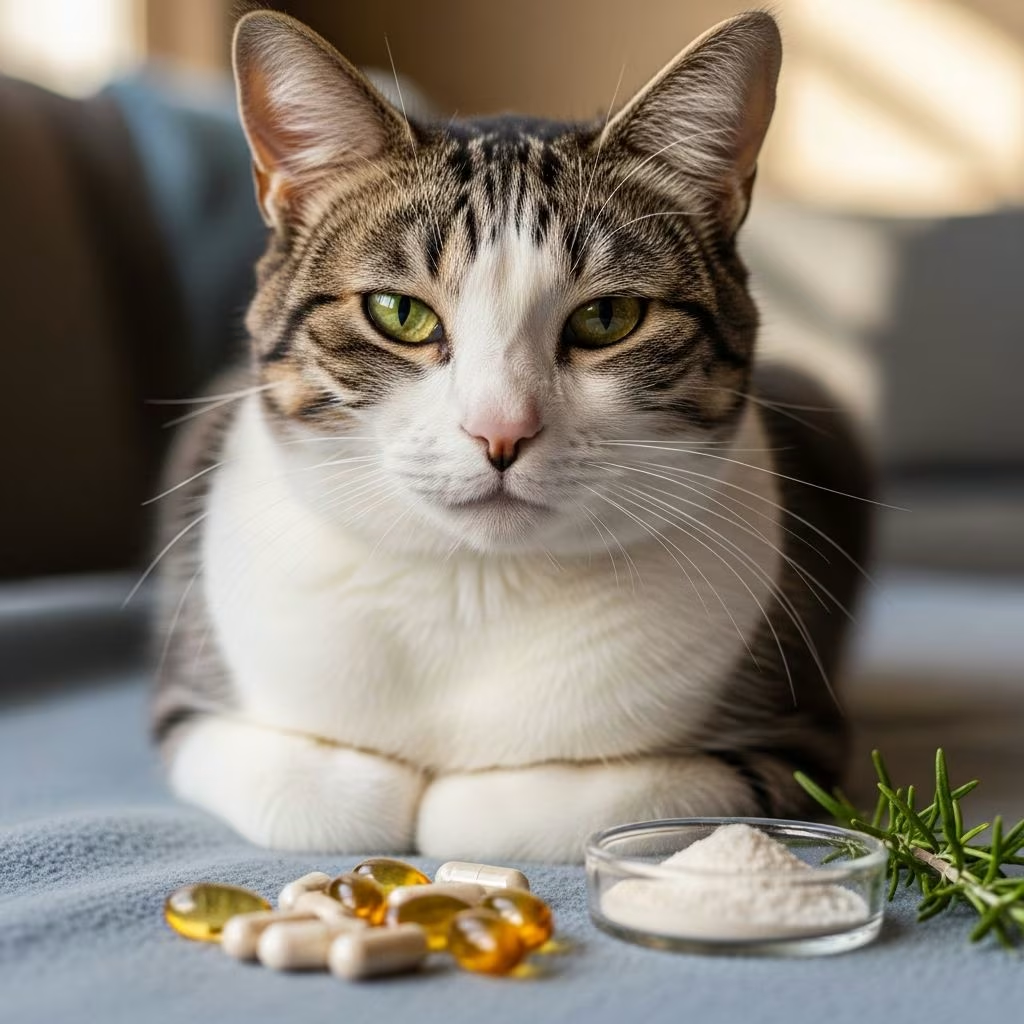
Understanding Osteoarthritis in Cats and Nutraceutical Support
Osteoarthritis (OA) is a degenerative joint condition that affects many cats, particularly as they age. While there is no cure for this chronic condition, a comprehensive management strategy can significantly improve your cat’s quality of life and mobility. Beyond diet modifications, exercise, and weight management, joint support nutraceuticals play an important role in a holistic osteoarthritis management program. These specialized supplements work synergistically with other treatment modalities to help control pain, reduce inflammation, and slow the progression of cartilage degeneration.
Your veterinarian is the best source for developing a comprehensive osteoarthritis management plan tailored to your cat’s specific needs and health profile. If your cat is overweight or obese, addressing weight management becomes the foundational step, as excess weight places additional stress on already compromised joints. However, weight management is just one component of a multifaceted approach that can dramatically enhance your cat’s comfort and mobility.
The Role of Nutraceuticals in OA Management
Nutraceuticals are products derived from food sources that provide health benefits beyond basic nutrition. Unlike pharmaceuticals, which undergo rigorous testing and regulation by government agencies, nutraceuticals are not subjected to the same level of scrutiny and oversight. This distinction is critical to understand when evaluating joint support supplements for your cat. Healthy skepticism is warranted when considering any nutraceutical product, as quality, purity, and efficacy can vary significantly among manufacturers.
Despite these regulatory differences, investigators are actively conducting clinical studies to evaluate the role of certain nutraceuticals in helping cats with osteoarthritis. Research findings have identified several nutraceuticals that have demonstrated positive effects in managing OA symptoms. Your veterinarian can advise you on nutraceuticals that have been rigorously evaluated and have yielded positive clinical outcomes, helping you select products from reputable manufacturers with appropriate dosages and formulations.
Evidence-Based Nutraceuticals for Feline Osteoarthritis
Omega-3 Fatty Acids and Joint Support Diets
One of the most important strategies for interrupting the progression of osteoarthritis is to choose a diet that has been evaluated in clinical trials specifically for cats with OA. Joint support diets are enriched with omega-3 fatty acids, particularly eicosapentaenoic acid (EPA), which plays a crucial role in controlling joint inflammation and blocks the enzymes that break down cartilage. Research has demonstrated that high levels of EPA help prevent cartilage degeneration and reduce joint pain associated with osteoarthritis.
Omega-3 fatty acids are among the most effective options for managing osteoarthritis in cats. A 2022 systematic review found that therapeutic diets enriched with omega-3 fatty acids demonstrated high-quality evidence and clinically proven pain relief, with only 10% of trials showing no benefit. This makes omega-3-enriched diets an excellent first-line intervention for cats struggling with arthritis-related discomfort.
EPA can be delivered through prescription therapeutic diets or as a standalone supplement in liquid or capsule form. Several reputable manufacturers produce diets rich in omega-3 fatty acids specifically formulated for pets with joint concerns. Additionally, omega-3-based nutraceutical supplements like fish oil and green-lipped mussel extracts have demonstrated the highest overall success rates in clinical trials, with nearly all studies showing either significant improvement or full analgesic effects compared to placebo.
Green-Lipped Mussel Extract
Green-lipped mussel from New Zealand represents another valuable source of beneficial omega-3 fatty acids, specifically eicosatetraenoic acid (ETA), along with glycosaminoglycans and other beneficial nutrients. Studies have documented reduced orthopedic pain with the use of green-lipped mussel supplements in cats with osteoarthritis. The extracts work in similar ways to omega-3 fatty acids and chondroitin to support cartilage and reduce inflammation. You may see this ingredient listed on supplement labels as “Perna canaliculus.” Multiple clinical trials have verified that green-lipped mussel helps pets with arthritis by providing comprehensive joint support and pain management benefits.
Undenatured Collagen Type II
Undenatured Collagen Type II is a specialized form of collagen that helps reduce ongoing joint damage that occurs secondary to the immune system’s overreaction to arthritic changes in the joint. This nutraceutical works by modulating the body’s inflammatory response to osteoarthritis, helping to protect remaining cartilage from further degradation. While more research is needed to fully establish the efficacy of collagen supplementation, emerging evidence suggests it holds promise as a complementary therapy in feline osteoarthritis management.
Microlactin: A Unique Anti-Inflammatory Approach
Microlactin is a milk protein extracted from the milk of cows that inhibits inflammation regardless of the underlying cause. Research specifically supports the use of microlactin in cats with osteoarthritis. Since osteoarthritis has a significant inflammatory component, nonsteroidal anti-inflammatory drugs (NSAIDs) are essential in managing the condition. However, microlactin works differently in the body than NSAIDs and corticosteroids, with no documented evidence of gastrointestinal irritation or kidney compromise that sometimes accompanies these medications.
Incorporating microlactin into an osteoarthritis management plan can help counteract the inflammation associated with OA while potentially decreasing the side effects that are common with NSAID therapy. This may allow your veterinarian to reduce or even discontinue NSAID use in some cases. It is important to note that microlactin requires approximately two weeks to reach maximal effects. Veterinarians typically overlap microlactin and NSAIDs for two to three weeks before gradually decreasing the NSAID dose, allowing for a smooth transition and continued pain management throughout the adjustment period.
Glucosamine and Chondroitin: Moderate Evidence
Despite the widespread popularity of glucosamine and chondroitin supplements, research to support definitive benefits remains limited. However, recent evidence suggests that low-molecular-weight chondroitin may positively affect some cats with osteoarthritis. Unfortunately, not all individual cats will experience benefits from this supplement. A 2022 systematic review and meta-analysis concluded that while omega-3 products beneficially modulate the painful condition of osteoarthritis in dogs and cats, the intake of chondroitin-glucosamine has no analgesic effect.
Given the mixed evidence, it may be worth considering a trial treatment using a supplement containing low-molecular-weight chondroitin under your veterinarian’s supervision. If your cat shows improvement within a reasonable trial period, continuing the supplement may be justified. If no significant improvement occurs, discontinuing the product prevents unnecessary expense and allows focus on more evidence-based interventions.
Avocado and Soybean Unsaponifiable (ASU)
Avocado and soybean unsaponifiable (ASU) are extracts from avocado and soybean oils that complement the effects of glucosamine and low-molecular-weight chondroitin. ASU appears to reduce inflammation involved in cartilage degeneration and has been shown to positively affect feline OA patients. This nutraceutical works through multiple mechanisms to support joint health and may be particularly beneficial when combined with other joint support supplements in a comprehensive management strategy.
Choosing Quality Nutraceutical Products
When selecting nutraceutical supplements for your cat, quality and purity are paramount. The National Animal Supplement Council (NASC) seal indicates that a manufacturer has been monitored to ensure that the ingredients in approved products match what appears on the label. Additionally, look for products bearing quality certifications such as GMP (Good Manufacturing Practice) or USP (United States Pharmacopeia) seals, which indicate adherence to rigorous quality standards.
It is essential to choose products that are pure and free from toxins and heavy metals, particularly with omega-3 supplements derived from marine sources. Your veterinarian can recommend specific brands and products that have been scientifically validated and are appropriate for your cat’s particular health status. Your veterinarian is your best partner when choosing the most appropriate nutritional profile and supplements for your cat with osteoarthritis and can recommend where to purchase them from reliable sources.
Important Considerations Before Starting Supplements
Before introducing any new supplement into your cat’s regimen, it is crucial to discuss supplement use with your veterinarian. Some nutraceuticals can be harmful to cats under certain circumstances, and some may interact with other medications your cat is currently taking. Your veterinarian can review your cat’s complete medical history, current medications, and health status to identify any potential contraindications or drug interactions.
Additionally, your veterinarian can assess whether your cat is an appropriate candidate for specific nutraceuticals based on underlying health conditions, kidney function, and other individual factors. This personalized approach ensures that any supplement added to your cat’s osteoarthritis management plan will be safe, effective, and complementary to existing treatment modalities.
Frequently Asked Questions About Feline Osteoarthritis Nutraceuticals
Q: How long does it take for joint support nutraceuticals to show effects in cats?
A: The timeline varies depending on the specific nutraceutical. Omega-3 supplements typically begin showing benefits within 4-6 weeks of consistent use. Microlactin requires approximately two weeks to reach maximal effects. Your veterinarian can provide specific timelines for the particular supplement recommended for your cat.
Q: Can nutraceuticals be used alongside NSAID medications?
A: Yes, many nutraceuticals can be used alongside NSAIDs for enhanced benefits. In fact, some nutraceuticals like microlactin are typically overlapped with NSAIDs for 2-3 weeks before gradually reducing the NSAID dose. However, always consult your veterinarian before combining supplements with medications.
Q: Which nutraceutical is most effective for feline osteoarthritis?
A: Omega-3 fatty acids, either through therapeutic diets or supplements, have the strongest scientific evidence and highest efficacy rates in managing feline osteoarthritis. Green-lipped mussel and microlactin are also well-supported options. The best choice depends on your individual cat’s health status and needs.
Q: Are there any side effects associated with joint support nutraceuticals for cats?
A: Most joint support nutraceuticals have minimal side effects when used at appropriate dosages. However, some omega-3 supplements may cause mild gastrointestinal upset in sensitive cats. Microlactin has no documented evidence of gastrointestinal irritation or kidney compromise, making it a gentler option for cats sensitive to traditional NSAIDs.
Q: Can I switch my cat between different nutraceuticals?
A: Yes, you may switch between nutraceuticals under veterinary guidance if your cat is not responding adequately to the current supplement. Some cats benefit from rotating supplements or combining multiple nutraceuticals for enhanced joint support. Your veterinarian can recommend appropriate transitions and combinations.
Q: How much should I spend on quality joint supplements for my cat?
A: Quality varies considerably among products, and price does not always correlate with efficacy. Focus on choosing supplements from reputable manufacturers with NASC, GMP, or USP certifications rather than seeking the least expensive option. Your veterinarian can recommend quality products at various price points.
Comprehensive OA Management Strategy
Nutraceuticals work most effectively as part of a comprehensive osteoarthritis management program that addresses multiple aspects of your cat’s health and comfort. Weight management remains foundational, as excess body weight exacerbates joint stress and pain. Regular, low-impact exercise tailored to your cat’s mobility level helps maintain muscle tone and joint flexibility. Environmental modifications, such as providing ramps or steps to favorite perches and using heating pads during cold weather, enhance comfort and reduce joint strain.
Prescription pain medications like NSAIDs work synergistically with nutraceuticals to provide multi-modal pain management. Many owners report that their cats experience less discomfort and better overall quality of life when nutraceuticals are combined with anti-inflammatory and pain-relieving drugs or other complementary therapies. This integrated approach addresses osteoarthritis from multiple angles, providing your cat with the best possible outcomes and improved daily function.
References
- Nutraceuticals for Joint Support in Cats with Osteoarthritis — VCA Animal Hospitals. Accessed 2025. https://vcahospitals.com/know-your-pet/nutraceuticals-for-joint-support-in-cats-with-osteoarthritis
- How Joint Supplements Can Help Orthopedic Conditions — Cornell University College of Veterinary Medicine, Riney Canine Health Center. Accessed 2025. https://www.vet.cornell.edu/departments-centers-and-institutes/riney-canine-health-center/canine-health-topics/how-joint-supplements-can-help-orthopedic-conditions
- Do Joint Supplements for Pets Actually Work? — Canine Arthritis Support and Education. Accessed 2025. https://caninearthritis.org/do-joint-supplements-for-pets-actually-work/
- A 2022 Systematic Review and Meta-Analysis of Enriched Therapeutic Nutrition and Nutraceuticals in Canine and Feline Osteoarthritis — National Center for Biotechnology Information, U.S. National Library of Medicine. 2022. https://pmc.ncbi.nlm.nih.gov/articles/PMC9499673/



