

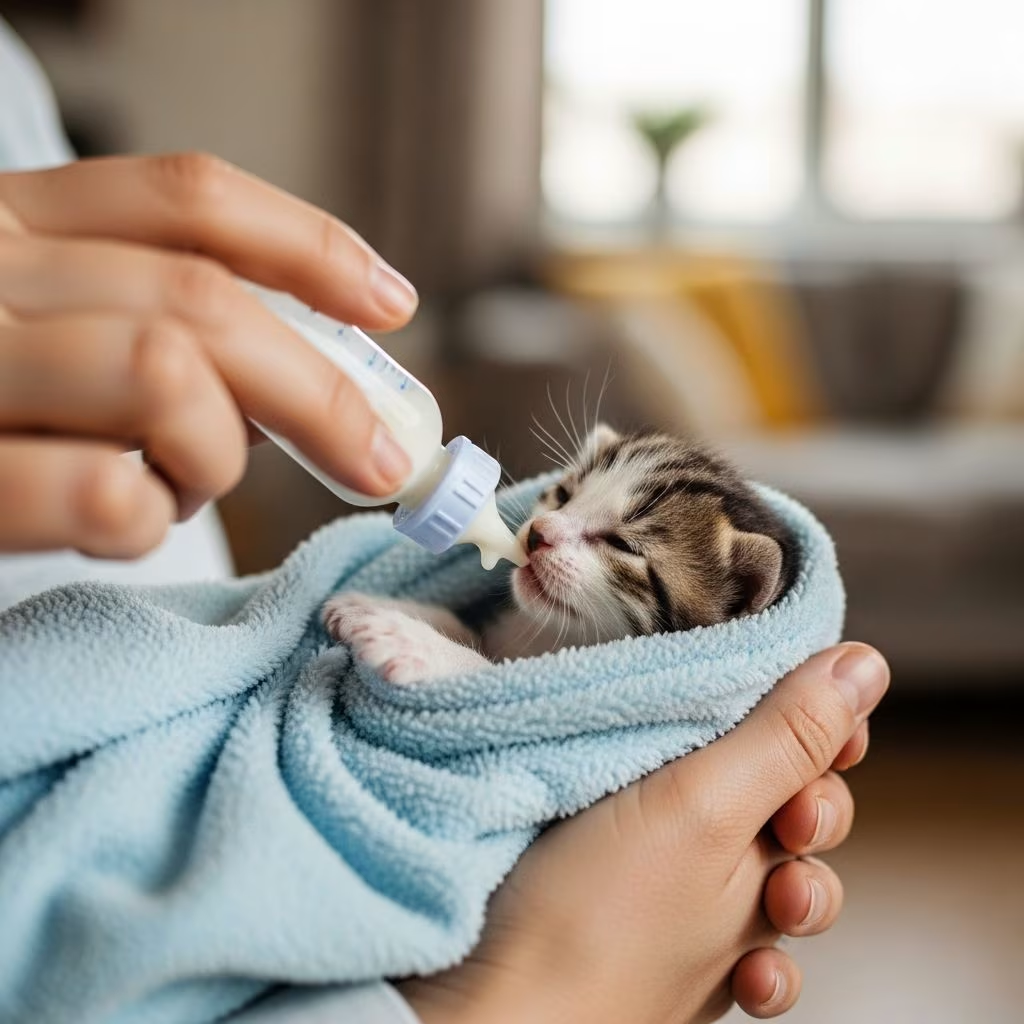
Kittens are delicate creatures whose tiny bodies can succumb to illness rapidly, often due to immature immune systems or environmental exposures. Providing attentive home care can stabilize them while professional veterinary intervention is arranged, potentially improving outcomes for common conditions like infections or dehydration.
Recognizing Early Warning Signs in Kittens
Observant owners play a pivotal role in a kitten’s survival by detecting subtle changes before conditions worsen. Unlike adult cats, kittens hide weakness poorly, and delays can lead to life-threatening complications.
- Lethargy and weakness: A normally playful kitten that sleeps excessively or moves sluggishly signals potential issues like low blood sugar or infection.
- Appetite loss: Refusal of favorite foods, especially canned varieties, is an early red flag since kittens must eat frequently to maintain energy.
- Digestive upset: Vomiting, diarrhea, or constipation disrupts nutrient absorption and hydration, accelerating decline.
- Respiratory distress: Sneezing, nasal discharge, coughing, or labored breathing may indicate upper respiratory infections common in young cats.
- Other indicators: Weight loss, unsteady gait, fever (warm ears/nose), or disinterest in surroundings warrant immediate concern.
To monitor intake precisely, isolate the kitten and offer small portions of enticing wet food multiple times daily. Lack of response confirms illness, prompting swift action.
Creating an Optimal Recovery Environment
A dedicated, low-stress space mimics the security of a nest, aiding thermoregulation and rest—critical for kittens prone to hypothermia when unwell.
- Warmth provision: Maintain 85-90°F (29-32°C) for newborns using low-setting heating pads under half the bedding, allowing the kitten to self-regulate by moving away if overheated.
- Quiet isolation: Choose a dimly lit, noise-free room away from household traffic, other pets, and children to minimize anxiety that suppresses immunity.
- Comfortable bedding: Layer soft towels or fleece in a box or carrier; change frequently to prevent soiling and bacterial growth.
- Accessibility: Place food, water, and a shallow litter box within easy reach, elevating water bowls if needed to encourage drinking.
For multi-pet homes, quarantine prevents disease spread, such as contagious respiratory viruses.
Prioritizing Hydration to Prevent Dehydration
Dehydration strikes kittens fastest due to high surface-area-to-volume ratios and frequent fluid losses from diarrhea or vomiting. Fresh water alone often suffices not; proactive measures are essential.
| Age Group | Hydration Strategy | Frequency |
|---|---|---|
| Newborn (0-4 weeks) | Pediatric electrolyte solution or milk replacer via syringe/bottle | Every 2-3 hours |
| Weaning (4-8 weeks) | Water bowls + wet food; syringe fluids if refused | Continuously available; check hourly |
| Juvenile (8+ weeks) | Multiple fresh bowls or fountains; subcutaneous fluids per vet | Ad libitum |
Signs like tacky gums, sunken eyes, or skin tenting demand urgent vet-administered IV or subcutaneous fluids. At home, gently syringe warmed electrolyte solutions (e.g., unflavored Pedialyte diluted 50/50 with water) into the cheek pouch, avoiding force to prevent aspiration.
Tailoring Nutrition for Recovery
Sick kittens risk hepatic lipidosis (fatty liver) from even short fasts, necessitating small, frequent, palatable meals of highly digestible foods.
For Newborns and Orphans
These require kitten milk replacer (KMR), never cow’s milk, fed via bottle every 2-4 hours. Warm to body temperature, test nipple flow on your wrist, and burp post-feeding. Stimulate elimination by gently rubbing genitals/anus with damp cotton post-meal.
For Weaning Kittens
- Bland starters: Boiled skinless chicken or turkey (1-inch cubes for 5-lb kitten), pureed with broth for ease.
- Tempting add-ins: Canned tuna/chicken in water or vet-prescribed recovery diets like high-calorie gels.
- Transition plan: Gradually mix bland food with regular kitten formula over 2-3 days: 25%, 50%, 75%, then full.
Hand-feeding with fingers or syringes warms and arouses interest. Appetite stimulants may be vet-prescribed if refusal persists.
Administering Medications Safely
Veterinary-prescribed antibiotics, dewormers, or anti-nausea meds combat root causes like parasites (Giardia, coccidia) or bacterial infections (mycoplasma).
- Pill pockets or liquid forms ease administration; track doses in a log.
- Monitor for side effects like worsened vomiting.
- Never use human meds without vet approval—acetaminophen is toxic.
Daily Monitoring and Progress Tracking
Log weight (daily), intake/output, temperature (rectal: 99-102°F normal), and symptoms hourly initially. Improvement shows as increased activity and appetite within 24-48 hours.
| Parameter | Normal Range | Red Flags |
|---|---|---|
| Weight Gain | 4-8 oz/week | Loss >5% daily |
| Hydration (Skin Pinch) | Snaps back instantly | Tents >2 sec |
| Gum Color/Moisture | Pink, slick | Pale, sticky |
| Attitude | Playful, alert | Lethargic, unresponsive |
When to Rush to the Veterinarian
Home care supports but doesn’t replace diagnostics like fecal tests, bloodwork, or imaging. Seek emergency care for:
- Persistent vomiting/diarrhea >12 hours.
- Severe dehydration or collapse.
- Breathing difficulties or blue gums.
- No eating >24 hours or seizures.
Frequently Asked Questions (FAQs)
What is the fastest way to rehydrate a sick kitten?
Offer oral rehydration solutions frequently or seek vet for subcutaneous fluids; avoid plain water alone.
Can I give my kitten honey for low energy?
A dab of corn syrup on gums aids hypoglycemia emergently, but vet evaluation follows.
How long can a kitten go without eating?
No more than 12-24 hours; longer risks fatal liver issues.
Is it safe to bathe a sick kitten?
Avoid unless soiled; focus on wiping with damp cloths to preserve warmth.
What home remedies help respiratory symptoms?
Humidify air via steamy bathroom, but antibiotics require vet prescription.
Preventing Future Illness in Kittens
Vaccinations, deworming, flea control, and hygiene curb risks. Gradually introduce to household post-recovery, monitoring for relapses.
References
- How to Care for a Sick Kitten at Home — PetPlace. 2023. https://www.petplace.com/article/cats/pet-care/how-to-care-for-a-sick-kitten-at-home
- Caring for Sick Kittens and Cats: A Beginner’s Guide — Snip and Tip. 2024. https://www.snipandtip.org/post/caring-for-sick-kittens-and-cats-a-beginner-s-guide
- Caring for Your Sick Cat — VCA Animal Hospitals. 2025-02-10. https://vcahospitals.com/know-your-pet/managing-the-sick-cat
- Sickness in Kittens: Common Kitten Illnesses — Purina. 2024. https://www.purina.com/articles/cat/kitten/health/sick-kitten
- Kitten Care Handbook — Feral Fixers. 2023. https://www.feralfixers.org/FF_Data/KittenCareHandbook.pdf



