

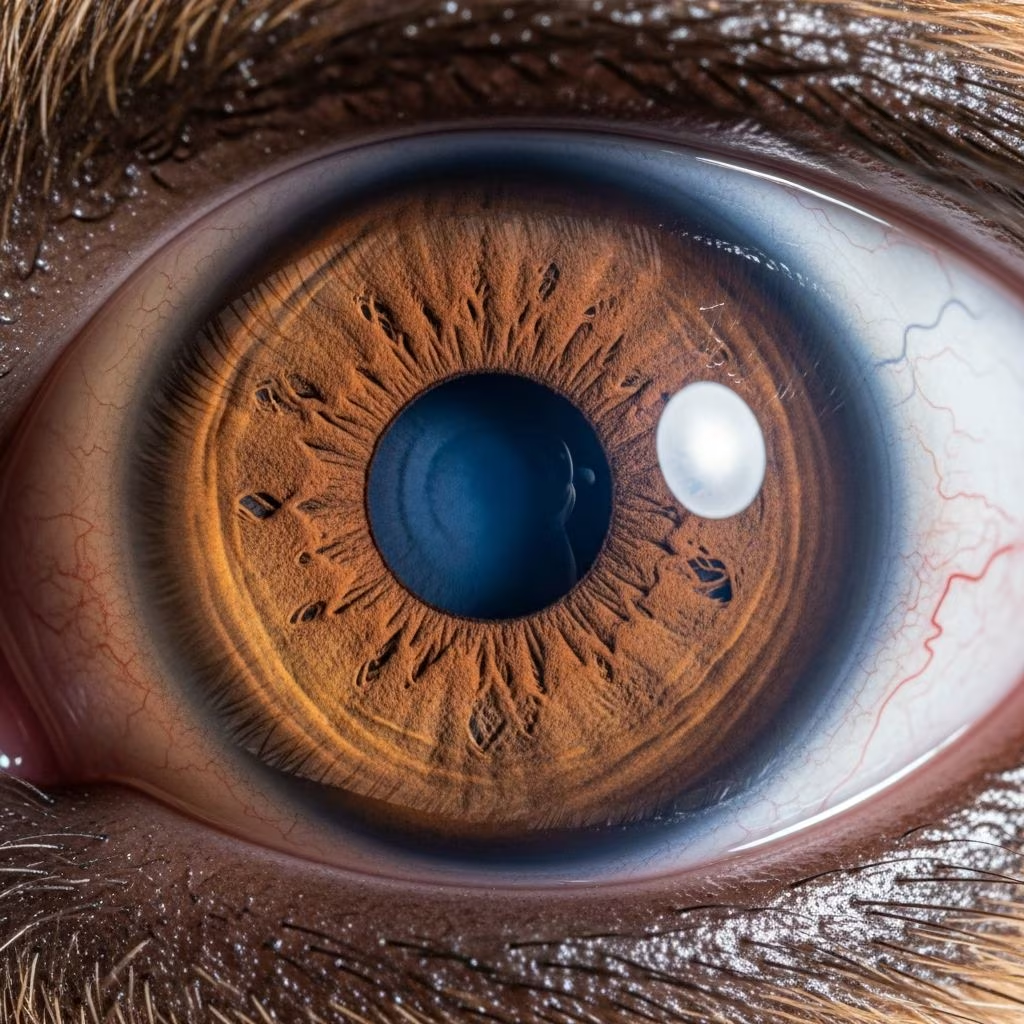
Nuclear sclerosis, also known as lenticular sclerosis, is a frequent condition in middle-aged and senior dogs characterized by a gradual hardening and bluish-gray discoloration of the eye’s lens center. Unlike more serious issues like cataracts, it typically does not lead to significant vision loss and requires no specific treatment in most cases.
Understanding the Basics of Canine Eye Anatomy
To grasp nuclear sclerosis, it’s helpful to know how a dog’s eye works. The lens, a clear structure behind the pupil, focuses light onto the retina for sharp vision. In dogs, a reflective layer called the tapetum lucidum behind the retina enhances night vision, producing the characteristic glow in low light.
As dogs age, proteins in the lens nucleus compact, creating a hazy appearance without blocking light transmission fully. This change usually starts subtly around 6-8 years old and progresses symmetrically in both eyes.
Key Signs Your Dog Might Have Nuclear Sclerosis
Owners often spot the first clue: a blue-gray or pearly haze in the pupil’s center, more visible from the side or in bright light. This opacity remains transparent, distinguishing it from denser clouding.
- Central lens haze: Bluish-gray tint in the lens core, clear edges intact.
- Mild far-sightedness: Difficulty focusing on near objects, like treats held close.
- Depth perception challenges: Hesitation on stairs, bumping into furniture, or missing tossed toys.
- Subtle behavioral shifts: Startling easily or cautious navigation, though rare.
Importantly, affected dogs show no pain, redness, or discharge, and most adapt well without noticeable distress.
What Triggers Nuclear Sclerosis Development?
The primary driver is aging, as lens fibers naturally densify over time. Genetic factors may influence onset age, with some breeds showing earlier signs, though no breed is uniquely prone.
Environmental contributors include prolonged UV exposure, which accelerates protein clumping, and possibly oxidative stress from free radicals. Unlike cataracts, inflammation or trauma rarely plays a role.
| Factor | Nuclear Sclerosis | Cataracts |
|---|---|---|
| Aging | Primary cause (post-6 years) | Secondary in seniors |
| Genetics | Mild influence | Strong (e.g., Labs, Poodles) |
| UV Light | Contributes | Minimal role |
| Diabetes/Trauma | Rare | Common triggers |
Differentiating Nuclear Sclerosis from Cataracts
A cloudy eye often alarms owners, but nuclear sclerosis is benign compared to cataracts. Cataracts form opaque white areas anywhere in the lens, blocking light and causing blindness if untreated.
- Appearance: Nuclear sclerosis: uniform central haze; Cataracts: irregular, milky opacities.
- Progression: Slow, non-progressive to blindness; cataracts advance rapidly.
- Vision impact: Minimal; profound loss possible.
- Age: Seniors; any age, often younger dogs.
Retroillumination test shines light off the tapetum: clear glow indicates light passes through (nuclear sclerosis), while blockage signals cataracts.
Professional Diagnosis Process
Veterinarians use ophthalmoscopes to inspect the lens: gray center with peripheral clarity and tapetal reflection confirms nuclear sclerosis. No special equipment is needed beyond standard tools.
For certainty, referral to a veterinary ophthalmologist may involve slit-lamp biomicroscopy, measuring haze density without dilation in mild cases. Early differentiation prevents unnecessary worry or delayed cataract care.
Management and Care Strategies
Most dogs thrive without intervention, as vision remains functional. Annual eye exams track progression, especially if haze thickens.
Lifestyle Adjustments:
- Keep environments familiar to aid navigation.
- Use verbal cues over visual for play and feeding.
- Protect from bright sun with shaded walks or dog goggles.
- Maintain antioxidants via diet (e.g., blueberries, fish oil).
Surgery is exceptional, reserved for extreme cases impairing sight, involving lens extraction like cataract procedures—rarely pursued due to low impact.
Preventive Measures for Optimal Eye Health
While inevitable, slowing changes involves UV-protective eyewear outdoors, a nutrient-rich diet with lutein and zeaxanthin (leafy greens, eggs), and controlling related conditions like diabetes. Regular vet checkups catch issues early.
When to Seek Urgent Veterinary Attention
Monitor for red flags signaling other problems: sudden opacity, redness, squinting, tearing, or behavioral changes like bumping walls frequently. These warrant immediate exam to rule out cataracts, glaucoma, or uveitis.
FAQs on Nuclear Sclerosis in Dogs
Does nuclear sclerosis cause blindness?
No, it rarely leads to blindness; vision stays adequate for daily life.
Can young dogs get nuclear sclerosis?
Extremely rare; it’s predominantly a senior dog condition after age 6.
Is treatment ever needed?
Usually not; monitoring suffices unless vision severely declines.
How do I know if it’s cataracts instead?
Vet exam with retroillumination differentiates reliably.
Can diet help manage it?
Antioxidant-rich foods support lens health, but can’t reverse changes.
Nuclear sclerosis highlights aging gracefully in dogs. With awareness, owners ensure seniors enjoy active lives despite subtle eye shifts.
References
- 4 Diagnosed Symptoms of Nuclear Sclerosis in Dogs — IAF. 2023. https://iaf.care/4-diagnosed-symptoms-of-nuclear-sclerosis-in-dogs/
- Nuclear Sclerosis in Dogs – Everything You Should Know — Northwest Animal Eye Specialists. 2023-11-15. https://www.northwestanimaleye.com/site/blog/2023/11/15/nuclear-sclerosis-dogs
- Nuclear Sclerosis in Dogs: Signs, Symptoms, Treatments — American Kennel Club. 2023. https://www.akc.org/expert-advice/health/nuclear-sclerosis-in-dogs/
- Lenticular Sclerosis: How Do Dogs Get It and How Is It Treated? — PetMD. 2023. https://www.petmd.com/dog/conditions/eyes/lenticular-sclerosis
- Nuclear Sclerosis in Dogs: Could Your Dog Wear Reading Glasses? — ToeGrips. 2023. https://toegrips.com/nuclear-sclerosis-in-dogs/
- Lenticular Sclerosis in Dogs — VCA Animal Hospitals. 2023. https://vcahospitals.com/know-your-pet/lenticular-sclerosis-in-dogs



