
NSAIDs In Veterinary Practice: An Essential Guide For 2025
Comprehensive guide to nonsteroidal anti-inflammatory drugs for pain relief and inflammation control in dogs, cats, horses, and livestock.
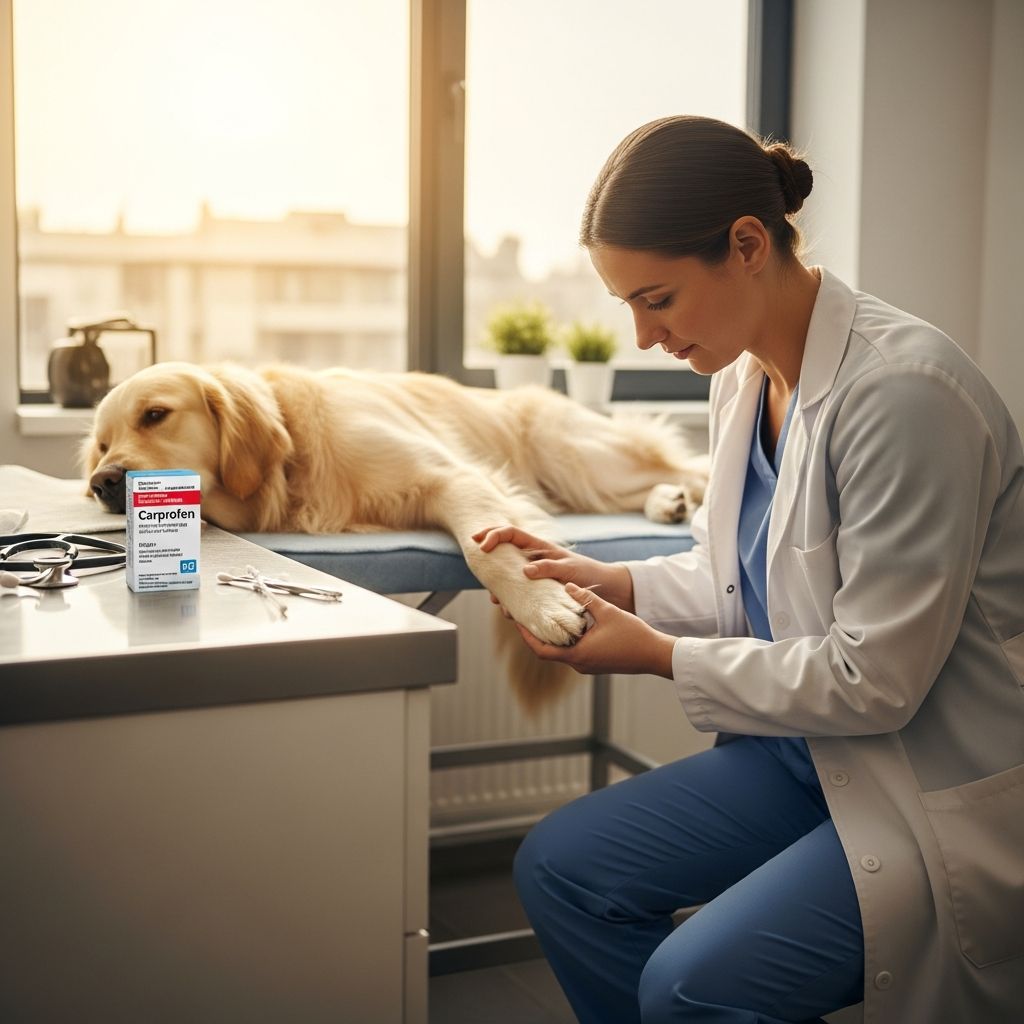
Nonsteroidal anti-inflammatory drugs (NSAIDs) represent a cornerstone of pain management and inflammation control in veterinary medicine, helping animals recover from injuries, surgeries, and chronic conditions like osteoarthritis.
How NSAIDs Work in Animals
NSAIDs primarily inhibit cyclooxygenase (COX) enzymes, which are responsible for producing prostaglandins—key mediators of pain, fever, and swelling. There are two main isoforms: COX-1, involved in protecting the stomach lining and regulating blood flow, and COX-2, upregulated during inflammation. Traditional NSAIDs block both, while selective COX-2 inhibitors target inflammation with potentially fewer gastrointestinal risks.
In animals, this mechanism reduces redness, heat, swelling, and discomfort without the immunosuppressive effects of steroids. However, COX-1 inhibition can lead to side effects like ulcers or kidney strain, especially in dehydrated or elderly patients.
Key Classes of Veterinary NSAIDs
Veterinary NSAIDs fall into several chemical classes, each with unique profiles suited to different species and conditions.
- Propionic acid derivatives: Include carprofen, ketoprofen, and vedaprofen, offering balanced COX inhibition for acute pain.
- Coxibs (COX-2 selective): Such as firocoxib, deracoxib, robenacoxib, and mavacoxib, designed for chronic use in dogs with osteoarthritis.
- Others: Aspirin for mild pain, flunixin for horses, and grapiprant, a novel EP4 receptor antagonist.
Popular NSAIDs for Dogs
Dogs are the most common recipients of NSAIDs, particularly for postoperative pain and joint diseases. FDA-approved options ensure safety and efficacy.
| Drug | Brand Examples | Primary Use | Route |
|---|---|---|---|
| Carprofen | Rimadyl, generics | Osteoarthritis, surgery | Oral, injection |
| Meloxicam | Metacam, generics | Acute/chronic pain | Oral, injection |
| Firocoxib | Previcox | Osteoarthritis, post-op | Oral |
| Deracoxib | Deramaxx | Post-surgical pain | Oral |
| Robenacoxib | Onsior | Short-term ortho/soft tissue | Oral, injection |
| Grapiprant | Galliprant | Osteoarthritis | Oral |
Carprofen, for instance, shows favorable COX-2 selectivity in dogs, minimizing platelet issues and gut damage. Meloxicam provides flexible dosing for both acute and ongoing needs.
NSAIDs Tailored for Cats
Cats metabolize drugs differently due to slower liver enzymes, requiring cautious, low-dose regimens. Robenacoxib and meloxicam are approved for short-term use post-surgery or for musculoskeletal pain.
- Meloxicam: Single injectable dose for post-op pain, followed by oral if needed.
- Robenacoxib: Targets acute inflammation with high COX-2 specificity.
Avoid repeated dosing without monitoring, as renal risks are higher in felines.
Equine and Livestock Applications
Horses benefit from NSAIDs like phenylbutazone (bute) for lameness and colic, flunixin meglumine for visceral pain, and ketoprofen for musculoskeletal issues.
In cattle and pigs, drugs like tolfenamic acid treat fever and inflammation. Vedaprofen gels aid horses with joint disorders.
Dosage guidelines for horses:
- Phenylbutazone: 2-4 mg/kg orally daily.
- Flunixin: 1.1 mg/kg IV for colic.
- Ketoprofen: 2-3 mg/kg for acute pain.
Dosage Recommendations Across Species
Precise dosing prevents toxicity. Always follow label instructions or veterinary guidance.
| Species | Drug Example | Dosage | Duration |
|---|---|---|---|
| Dogs | Carprofen | 2 mg/kg day 1, then 2 mg/kg every 24h | Chronic OK with monitoring |
| Cats | Meloxicam | 0.3 mg/kg SC once, then 0.1 mg/kg oral | Short-term |
| Horses | Firocoxib | 0.1 mg/kg orally daily | 14 days max |
| Cattle | Ketoprofen | 3 mg/kg IV/IM | Single dose |
Potential Side Effects and Risks
While effective, NSAIDs carry risks, especially with long-term use or in compromised animals.
- Gastrointestinal: Vomiting, ulcers, diarrhea from COX-1 blockade.
- Renal: Reduced blood flow in dehydrated patients.
- Hepatic: Elevated enzymes; monitor with bloodwork.
- Coagulation: Less with COX-2 selectives.
Human drugs like ibuprofen are toxic to pets—never administer without vet approval.
Monitoring and Safety Protocols
Baseline bloodwork (liver, kidney function) before starting, with rechecks every 3-6 months. Hydrate patients, avoid in pregnancy or with concurrent steroids.
For chronic osteoarthritis, combine with weight management, joint supplements, and physical therapy for best outcomes.
Emerging Options and Innovations
Newer drugs like grapiprant block EP4 receptors downstream of prostaglandins, potentially sparing COX pathways. Mavacoxib’s long half-life suits monthly dosing in dogs.
Research into COX-2 selectives continues to refine safety for long-term use.
Frequently Asked Questions (FAQs)
Can I give my dog aspirin?
Aspirin is used sparingly for mild pain but risks gastric issues; prefer vet-approved NSAIDs like carprofen.
Are NSAIDs safe for senior pets?
Yes, with monitoring; they improve mobility in arthritic dogs but require kidney/liver checks.
How quickly do veterinary NSAIDs work?
Analgesia starts within hours; anti-inflammatory effects peak in 24-48 hours.
What if my pet vomits on NSAIDs?
Stop immediately and contact your vet; it may signal GI upset.
Can cats take dog NSAIDs?
No; use cat-specific formulations at lower doses.
Best Practices for Veterinarians and Owners
Educate clients on signs of toxicity (lethargy, black stools, jaundice). Use the lowest effective dose shortest time. Multimodal analgesia (e.g., with opioids) enhances efficacy.
In summary, NSAIDs transform animal welfare by controlling pain non-invasively, but responsible use is paramount.
References
- Nonsteroidal Anti-inflammatory Drugs in Animals — Merck Veterinary Manual. 2023. https://www.merckvetmanual.com/pharmacology/inflammation/nonsteroidal-anti-inflammatory-drugs-in-animals
- Controlling Pain and Inflammation in Your Dog with NSAIDs — U.S. Food and Drug Administration. 2023-10-05. https://www.fda.gov/animal-veterinary/animal-health-literacy/controlling-pain-and-inflammation-your-dog-nonsteroidal-anti-inflammatory-drugs
- NSAID Medication Guide for Animals — Cornell University College of Veterinary Medicine. 2024. https://www.vet.cornell.edu/hospitals/pharmacy/consumer-clinical-care-guidelines-animals/nsaid-non-steroidal-anti-inflammatory-drug-medication-guide-animals
- Non‐steroidal anti‐inflammatory drugs in equine orthopaedics — PubMed Central (PMC). 2022-07-18. https://pmc.ncbi.nlm.nih.gov/articles/PMC9304133/
- Veterinary Nonsteroidal Anti-Inflammatory Drugs (NSAIDs) — U.S. Food and Drug Administration. 2024. https://www.fda.gov/animal-veterinary/product-safety-information/veterinary-nonsteroidal-anti-inflammatory-drugs-nsaids
Similar Articles








Read full bio of medha deb


