

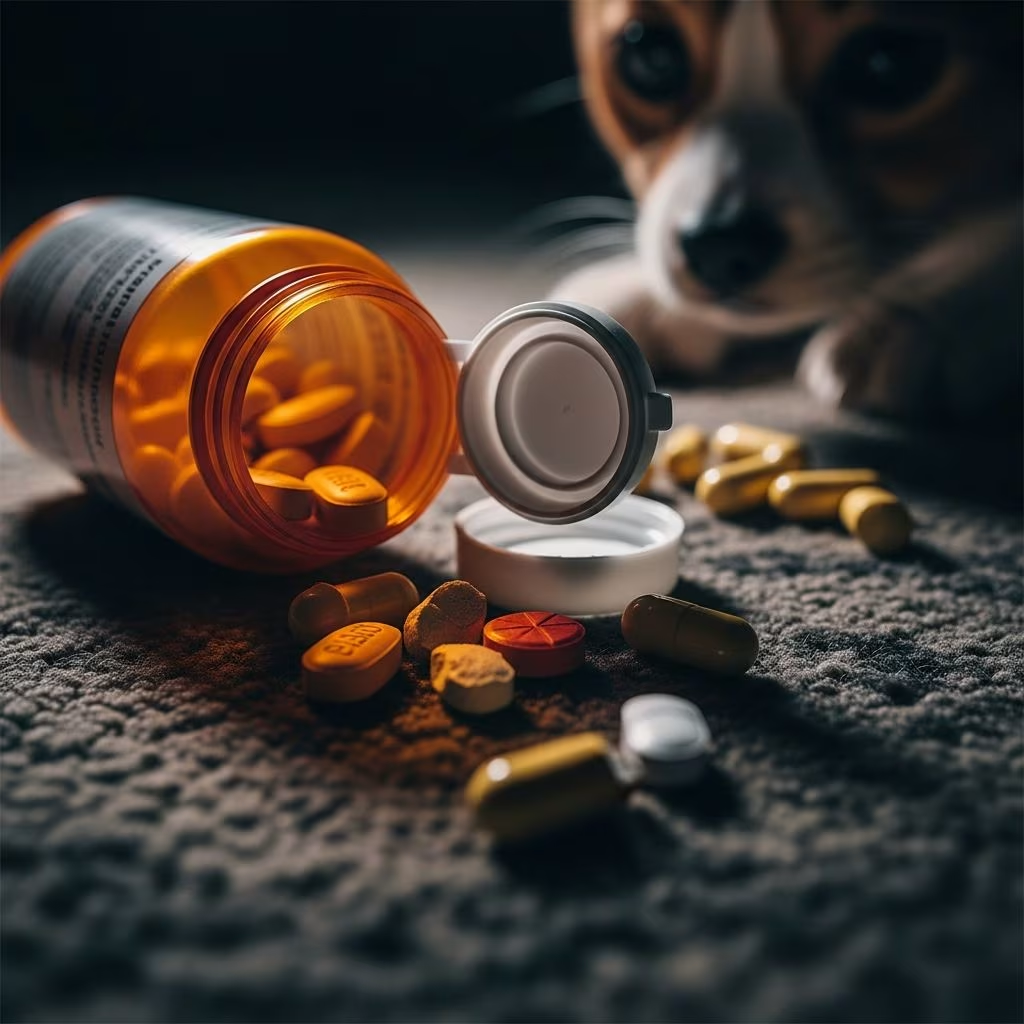
Non-steroidal anti-inflammatory drugs, or NSAIDs, offer effective pain relief for humans but pose severe risks to pets. Dogs and cats metabolize these medications differently, leading to rapid onset of life-threatening conditions like gastrointestinal bleeding and organ failure when exposed to human formulations. This comprehensive guide explores the mechanisms, dangers, symptoms, treatments, and prevention strategies to safeguard your furry companions.
Understanding NSAIDs and Their Role in the Body
NSAIDs work by inhibiting cyclooxygenase enzymes (COX-1 and COX-2), which reduce prostaglandin production. Prostaglandins help regulate inflammation, pain, and fever but also protect vital organs. In pets, blocking these protective effects disrupts blood flow to the stomach lining and kidneys, amplifying toxicity.
Cats are particularly vulnerable due to their limited liver glucuronidation capacity, making them process NSAIDs slower and experience heightened side effects at lower doses. Dogs, while more tolerant, still face significant risks from common household drugs.
Common Culprits: Human NSAIDs Pets Encounter
Household pain relievers are the primary sources of NSAID exposure in pets. Ibuprofen (found in Advil and Motrin), aspirin (Bayer), and naproxen (Aleve) top the list of ingested toxins. These often appeal to pets due to flavored coatings resembling candy.
| NSAID | Common Brands | Toxic Dose in Dogs (mg/kg) | Toxic Dose in Cats (mg/kg) |
|---|---|---|---|
| Ibuprofen | Advil, Motrin | GI signs: 16-50; Renal: 100-250 | ~Half of dogs |
| Naproxen | Aleve | Severe signs: >5 | Extremely low |
| Aspirin | Bayer | Variable, chronic risk | High sensitivity |
Data adapted from veterinary toxicology reports. Veterinary NSAIDs like meloxicam (Metacam) and robenacoxib (Onsior) exist but are strictly for short-term use under supervision—no long-term options for cats.
Why Pets Are at Greater Risk Than Humans
Humans tolerate NSAIDs better due to efficient liver metabolism and higher body mass. Pets, especially cats, lack robust glucuronidation, prolonging drug circulation. The ASPCA Animal Poison Control Center logged over 22,000 NSAID cases in dogs and cats from 2005-2010, with ibuprofen most frequent.
- Stomach and Intestines: Reduced prostaglandins erode protective mucus, causing ulcers and perforations.
- Kidneys: Decreased renal blood flow triggers acute injury or failure.
- Liver and Neurological: High doses lead to failure or seizures.
Even single doses can prove fatal; repeated exposure worsens outcomes.
Recognizing the Signs of NSAID Toxicity
Symptoms emerge 2-6 hours post-ingestion in cats, sometimes delayed. In dogs, gastrointestinal issues appear first, escalating with dose.
Early Warning Signs
- Vomiting, possibly with blood (hematemesis)
- Diarrhea or black, tarry stools (melena)
- Loss of appetite and lethargy
- Excessive drooling or abdominal pain
Advanced Symptoms
- Pale gums indicating anemia from bleeding
- Dehydration, uremic breath (ammonia-like)
- Swollen limbs, altered heart rate (chronic exposure)
- Seizures, coma in severe cases
Prompt recognition is critical—even one ibuprofen tablet can induce kidney failure in a cat.
Immediate Actions: What to Do If Exposure Occurs
Never induce vomiting at home; it risks aspiration pneumonia in cats. Contact a veterinarian or poison hotline (e.g., ASPCA) immediately.
- Assess and Isolate: Remove access to the drug; note type, amount, and time ingested.
- Seek Professional Help: Rush to an emergency vet if symptoms appear.
- Decontamination: Vets may use activated charcoal (multiple doses for recirculation) if within 2 hours.
Veterinary Diagnosis and Treatment Protocols
Diagnosis involves history, bloodwork (kidney/liver panels, anemia checks), and urinalysis. Treatment is aggressive and supportive:
- Fluid Therapy: IV fluids maintain kidney perfusion for 48-72 hours.
- Gastrointestinal Protection: Sucralfate, omeprazole, or H2-blockers (e.g., famotidine) shield ulcers.
- Anti-Nausea: Maropitant (Cerenia) controls vomiting.
- Monitoring: Hospitalization 3-5 days with serial bloodwork.
High-dose cases may require anticonvulsants or blood transfusions.
Prognosis: Factors Influencing Recovery
Survival hinges on dose, drug type, and treatment speed. Low-dose, early intervention yields full recovery; severe cases risk permanent kidney damage or death. Cats fare worse due to sensitivity, but aggressive care improves odds.
Safe Pain Management Alternatives for Pets
Avoid all human OTC painkillers. Vet-prescribed options include:
| Pet Type | Approved NSAID | Use Case | Duration |
|---|---|---|---|
| Dogs | Carprofen (Rimadyl), Deracoxib | Post-surgery, arthritis | Short to long-term |
| Cats | Meloxicam, Robenacoxib | Pain, inflammation | Single or few doses |
Non-drug therapies: acupuncture, laser therapy, joint supplements. Always consult vets for tailored plans.
Prevention Strategies for Pet Owners
Proactive steps minimize risks:
- Store all medications securely, out of reach.
- Educate family on pet-safe drugs.
- Use pill organizers; dispose of unused meds properly.
- Schedule regular vet checkups for pain issues.
- Opt for child-proof containers for topical NSAID creams.
Chronic conditions like arthritis require vet-monitored protocols to avoid toxicity.
Special Considerations for Cats vs. Dogs
Cats demand extra caution—no long-term NSAIDs, heightened sensitivity. Dogs handle more but chronic use risks GI ulcers. Multi-pet homes heighten accidental exposure.
Frequently Asked Questions (FAQs)
Can a single NSAID pill kill my pet?
Yes, especially in cats—one ibuprofen can cause fatal kidney failure.
Is aspirin safe for pets?
No, human aspirin is toxic; buffered vet versions only under guidance.
What if my pet ate NSAID cream?
Topicals absorb systemically—treat as ingestion; call vet immediately.
How long do symptoms take to appear?
2-6 hours typically, but kidney issues may delay days.
Are there natural pain relievers for pets?
Some like omega-3s help, but consult vets; never replace prescribed care.
Long-Term Effects and Monitoring
Survivors may develop chronic kidney disease, necessitating diet changes and regular bloodwork. Early detection via annual panels aids management.
NSAID poisoning remains a preventable emergency. By understanding risks and acting swiftly, pet owners can protect their animals from this common yet devastating threat.
References
- NSAID Toxicity in Cats — PetMD. Accessed 2026. https://www.petmd.com/cat/poisoning/nsaid-toxicity-cats
- NSAID Toxicity in Dogs and Cats — VETgirl Veterinary Continuing Education Blog. Accessed 2026. https://vetgirlontherun.com/nsaid-toxicity-in-dogs-and-cats-vetgirl-veterinary-continuing-education-blog/
- Non-steroidal Anti-inflammatory Drug (NSAID) Toxicity – YouTube — VETgirl. 2020-06-20. https://www.youtube.com/watch?v=0Tm4pOA-Osk
- Toxicology of Frequently Encountered Nonsteroidal Anti-inflammatory Drugs — PubMed. 2012. https://pubmed.ncbi.nlm.nih.gov/22381180/
- Get the Facts about Pain Relievers for Pets — FDA.gov. Accessed 2026. https://www.fda.gov/animal-veterinary/animal-health-literacy/get-facts-about-pain-relievers-pets
- Toxicoses From Human Analgesics in Animals — Merck Veterinary Manual. Accessed 2026. https://www.merckvetmanual.com/toxicology/toxicoses-from-human-analgesics/toxicoses-from-human-analgesics-in-animals



