

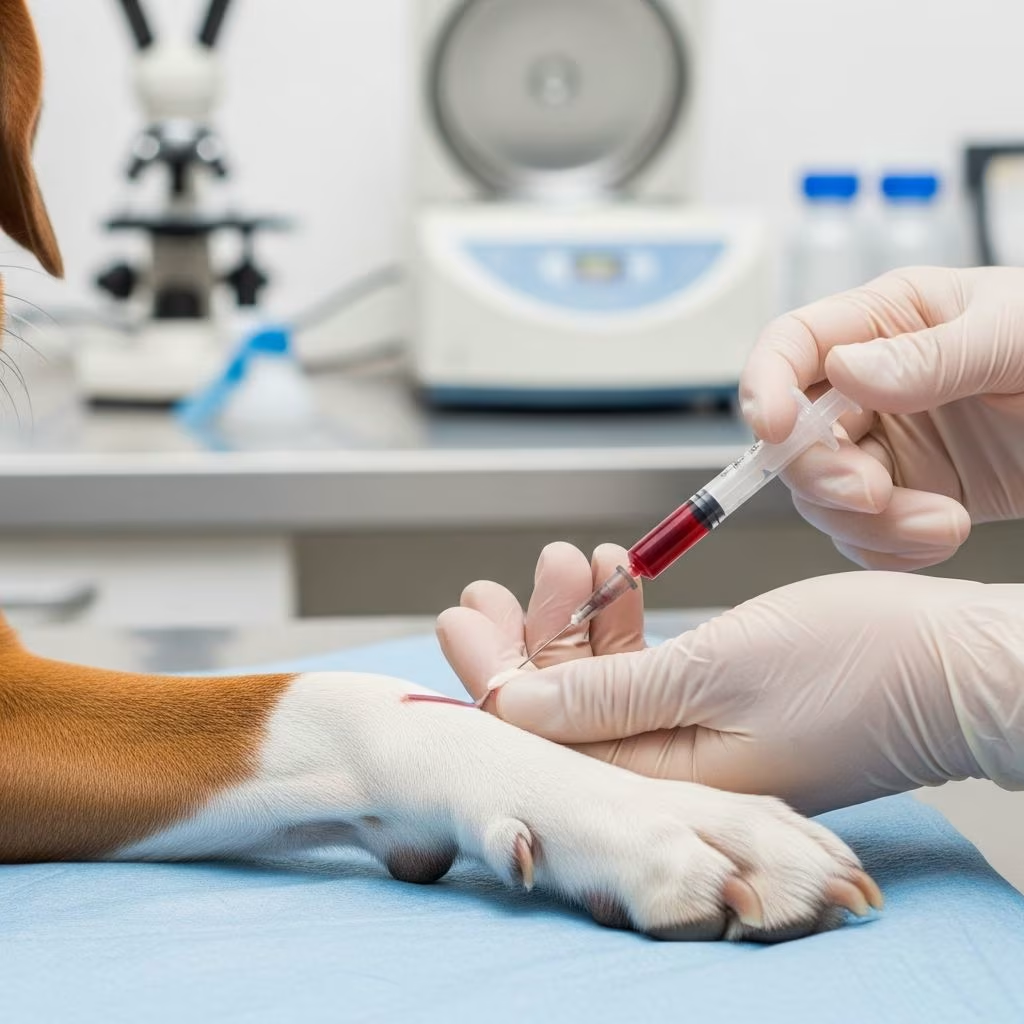
Non-steroidal anti-inflammatory drugs, or NSAIDs, serve as a cornerstone in canine pain management, addressing everything from post-surgical discomfort to chronic joint conditions like osteoarthritis. While highly effective, these medications can strain vital organs such as the liver and kidneys, making routine blood testing indispensable for long-term users. This comprehensive guide delves into the specifics of NSAID monitoring panels, their components, scheduling, interpretation, and integration with home observations to optimize your dog’s well-being.
Understanding NSAIDs in Canine Medicine
NSAIDs work by inhibiting enzymes that produce prostaglandins, chemicals responsible for inflammation and pain. In dogs, veterinary-specific formulations like carprofen or meloxicam offer targeted relief with fewer risks than human versions such as ibuprofen, which are toxic to pets. These drugs enable improved mobility and quality of life, particularly for aging dogs or those with arthritis. However, prolonged use heightens the potential for gastrointestinal upset, renal impairment, hepatic stress, and clotting issues.
Proactive monitoring through specialized blood panels allows veterinarians to detect subtle changes early, preventing progression to severe complications. Baseline assessments prior to therapy establish normal organ function, while follow-ups track any deviations.
Core Components of an NSAID Blood Panel
A standard NSAID monitoring panel focuses on biomarkers reflecting liver and kidney status, with occasional additions for comprehensive evaluation. Key tests include:
- ALT (Alanine Aminotransferase): Predominantly liver-specific; elevations signal hepatocyte damage.
- AST (Aspartate Aminotransferase): Found in liver and muscle; rises may indicate inflammation or injury.
- ALP (Alkaline Phosphatase): Liver enzyme that can increase due to drug induction or cholestasis.
- BUN (Blood Urea Nitrogen): Measures kidney filtration; high levels suggest dehydration or renal dysfunction.
- Creatinine: Another kidney marker; more specific for glomerular filtration rate changes.
Additional parameters might encompass complete blood count (CBC) for red blood cell levels, electrolytes, or urinalysis to assess hydration and protein loss. Commercial panels streamline these checks for efficiency.
| Biomarker | Organ Assessed | Normal Range (approximate) | Concerning Elevation |
|---|---|---|---|
| ALT | Liver | 10-100 U/L | >3x baseline |
| AST | Liver/Muscle | 15-65 U/L | >3x baseline |
| ALP | Liver | 20-150 U/L | >4x baseline |
| BUN | Kidney | 7-27 mg/dL | >30% increase |
| Creatinine | Kidney | 0.5-1.8 mg/dL | >0.5 mg/dL rise |
Ranges vary by lab and dog factors like age or breed; always consult reference intervals provided.
Optimal Timing for Blood Monitoring
Timing hinges on treatment duration, dog age, and risk profile. Universal recommendations include:
- Pre-treatment baseline: Essential to rule out pre-existing organ issues and set comparative values.
- 2-4 weeks post-initiation: Captures peak adverse event window, as most reactions emerge within 14-30 days.
- Ongoing surveillance: Seniors (>10 years) every 3 months; younger dogs every 6-12 months. Adjust for comorbidities like heart disease.
Urgent rechecks warrant if symptoms arise, bypassing scheduled intervals. FDA guidelines emphasize vet exams and client info sheets with each prescription.
Recognizing and Responding to Adverse Effects
While rare, NSAID side effects demand vigilance. Common signs include:
- Vomiting or diarrhea (mild cases often resolve with dose adjustment).
- Lethargy, appetite loss, or dark stools indicating GI bleeding.
- Increased thirst/urination signaling kidney strain.
- Yellowing gums or jaundice for liver involvement.
High-risk dogs—those with pre-existing GI, renal, hepatic, or bleeding disorders—require stricter oversight. Never administer human NSAIDs; stick to vet-prescribed options. Immediate vet contact is critical for severe symptoms.
Risk Factors and Contraindications
Not all dogs suit NSAID therapy. Avoid or use cautiously in:
- Puppies under 6 months or dehydrated animals.
- Dogs on concurrent steroids, ACE inhibitors, or diuretics.
- Those with hypotension, clotting defects, or advanced age without monitoring.
Pre-therapy bloodwork identifies at-risk patients, potentially averting disasters. Studies affirm screening’s value in mitigating harm.
Integrating Home Monitoring with Vet Checks
Owners play a pivotal role. Track daily:
- Appetite, water intake, and urination frequency.
- Stool consistency and color.
- Energy levels, mobility, and gum color.
Log changes and report promptly. Combine with blood panels for holistic management. AAHA stresses pre-NSAID blood tests assessing RBCs, kidneys, and liver.
Interpreting Blood Panel Results
Subtle shifts may reflect drug adaptation; marked changes (e.g., 3-4x enzyme hikes) signal toxicity. BUN rises could denote GI bleed alongside renal issues. Trends over serial tests trump single readings. Vets correlate labs with clinical signs for decisions like dose tweaks or alternatives.
Alternatives and Adjunctive Therapies
For NSAID-intolerant dogs, consider gabapentin, tramadol, or acupuncture. Joint supplements (glucosamine), weight control, and physical therapy complement meds, potentially reducing NSAID reliance.
Frequently Asked Questions (FAQs)
What if my dog’s blood panel shows abnormalities?
Discontinue NSAID under vet guidance, hydrate, and retest. Supportive care often resolves issues.
Can all dogs handle NSAIDs long-term?
Most do with monitoring, but high-risk pups need tailored plans.
How much do NSAID panels cost?
Typically $50-150, varying by clinic and panel scope.
Is urine testing necessary too?
Often paired with bloodwork for full renal assessment.
What human meds are safe for dogs?
None—always use vet-approved NSAIDs.
Empowering Pet Owners for Safer Therapy
NSAID blood monitoring transforms potential risks into manageable routines, ensuring pain relief without compromising organ health. Collaborate closely with your veterinarian, leveraging panels and observations for informed care. This approach maximizes benefits while minimizing harms, fostering happier, healthier canine companions.
References
- NSAID Panel Blood Test For Dogs: Our Vet Explains Necessity — Dogster. 2023. https://www.dogster.com/ask-the-vet/nsaid-panel-blood-test-for-dogs
- Controlling Pain and Inflammation in Your Dog with NSAIDs — U.S. Food and Drug Administration (FDA). 2024-10-15. https://www.fda.gov/animal-veterinary/animal-health-literacy/controlling-pain-and-inflammation-your-dog-nonsteroidal-anti-inflammatory-drugs
- NSAIDs for Dogs: Everything You Need to Know — PetMD. 2025-01-20. https://www.petmd.com/dog/general-health/nsaids-dogs-everything-you-need-know
- Monitoring Dogs on NSAIDs — Clinician’s Brief. 2023-05-12. https://www.cliniciansbrief.com/article/monitoring-dogs-nsaids
- Evaluation of renal and hepatic blood value screening before non-steroidal anti-inflammatory drug administration — PubMed (Veterinary Journal). 2020-10-01. https://pubmed.ncbi.nlm.nih.gov/33035358/
- Please read this information prior to starting the NSAID — American Animal Hospital Association (AAHA). 2024. https://www.aaha.org/graphics/original/professional/resources/guidelines/painmgmt_nsaid.pdf



