

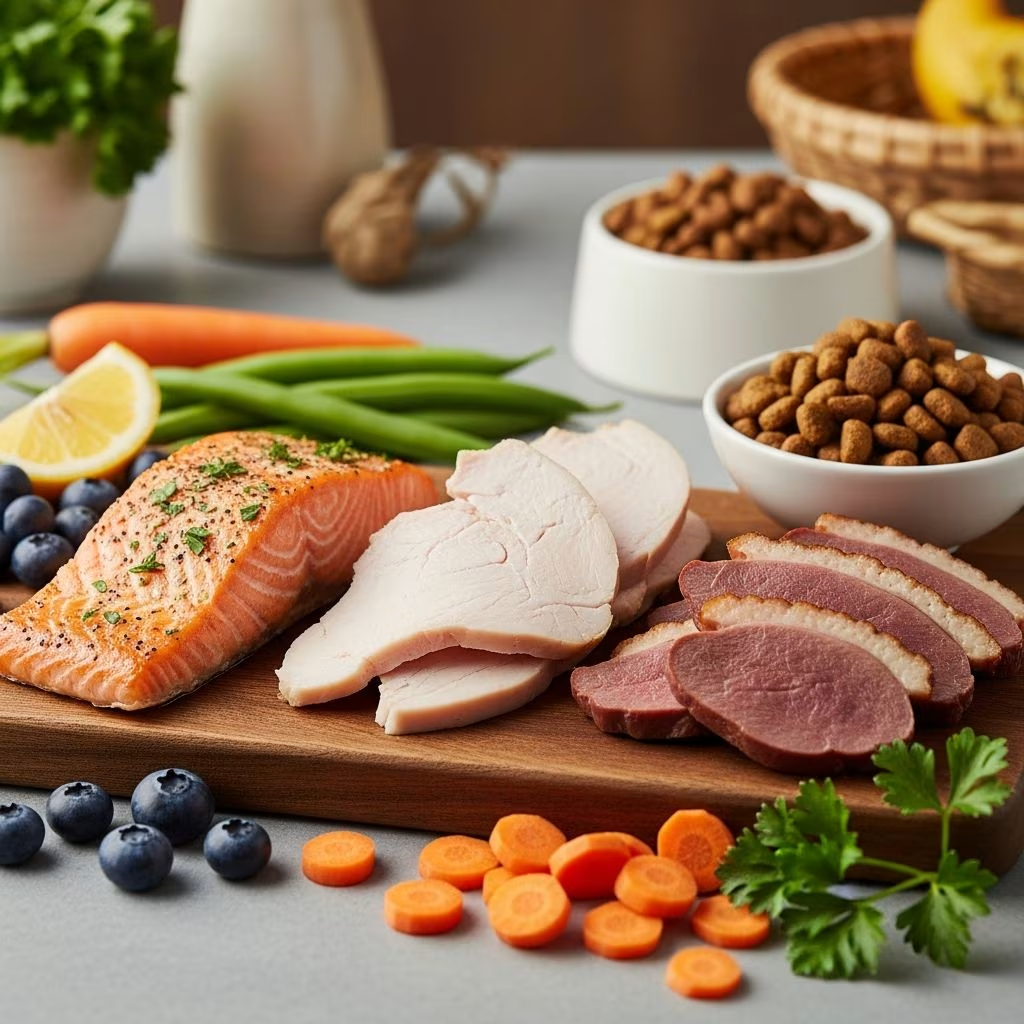
Switching to novel proteins like salmon, turkey, and duck in dog food offers a fresh approach to canine nutrition, addressing common issues like allergies and monotony while delivering essential nutrients for optimal health.
Understanding the Shift to Novel Proteins in Canine Diets
Dogs require high-quality protein for muscle maintenance, immune function, and energy. Traditional sources like chicken and beef dominate the market, but they often trigger sensitivities in many pets. Novel proteins—less common options such as fish, waterfowl, and lean poultry—provide amino acids vital for tissue repair, skin integrity, and coat shine. These alternatives reduce the risk of adverse reactions, as dogs are less likely to have developed intolerances to them.
The rise in variety stems from pet owners’ demands for sustainable, hypoallergenic options. Environmental concerns with conventional livestock farming, including high water use and emissions, push innovation toward proteins with smaller ecological footprints. Additionally, rotational feeding with novel sources keeps meals engaging, preventing boredom and supporting gut microbiome diversity.
Key Reasons to Introduce Alternative Proteins
- Allergy Management: Chicken and beef top the list of canine allergens, causing itching, ear infections, and digestive upset. Novel proteins bypass these triggers, promoting calmer skin and firmer stools.
- Digestive Support: Less familiar proteins are often easier to process, ideal for dogs with sensitive stomachs or chronic diarrhea.
- Nutrient Boost: These sources pack omega-3s, vitamins, and minerals absent or limited in standard meats.
- Sustainability Edge: Options like fish and insects require fewer resources, aligning pet care with eco-conscious choices.
- Flavor Variety: New tastes encourage picky eaters to finish bowls, ensuring consistent nutrition intake.
Spotlight on Salmon: The Omega Powerhouse
Salmon stands out as a premier novel protein, rich in omega-3 fatty acids like EPA and DHA. These compounds combat inflammation, support brain health, and foster lustrous coats. For dogs prone to dry skin or joint stiffness, salmon delivers anti-inflammatory benefits that enhance mobility and comfort. Its high digestibility makes it suitable for all life stages, from puppies to seniors.
Beyond basics, salmon provides selenium and B vitamins, aiding thyroid function and metabolism. Studies highlight fish proteins’ role in cognitive preservation, crucial for aging dogs. Environmentally, sustainably sourced salmon minimizes overfishing impacts compared to land-based meats.
| Nutrient | Benefit for Dogs | Salmon Content (per 100g) |
|---|---|---|
| Protein | Muscle repair | 20g |
| Omega-3s | Skin/coat health | 2.3g |
| Vitamin D | Bone strength | 16.5µg |
| Selenium | Antioxidant | 36.5µg |
Turkey: Lean Muscle Builder
Turkey offers a low-fat, high-protein profile, making it perfect for weight-conscious dogs. Loaded with selenium and phosphorus, it bolsters immunity and bone density. Unlike chicken, turkey rarely provokes allergies, serving as a poultry gateway for sensitive pups.
This bird protein excels in supporting lean mass during exercise or recovery from illness. Its tryptophan content promotes relaxation, beneficial for anxious dogs. Turkey’s versatility allows blending with grains or veggies for balanced recipes, enhancing palatability without excess calories.
Duck: Rich, Digestible Poultry Choice
Duck provides a flavorful twist with ample healthy fats and amino acids, ideal for dogs needing calorie density, like active breeds or underweights. Highly digestible, it suits gastrointestinal challenges better than denser meats. Iron and zinc in duck fortify blood health and wound healing.
Its unique fat composition mimics ancestral diets, aiding absorption of fat-soluble vitamins. Duck’s novelty reduces cross-reactivity risks, positioning it as a top pick for elimination trials in allergy diagnostics.
Expanding Beyond: Other Promising Novel Proteins
While salmon, turkey, and duck shine, venison, lamb, whitefish, and buffalo expand options. Venison’s leanness and iron content energize active dogs, rarely causing reactions. Lamb eases digestion with conjugated linoleic acid for fat metabolism. Whitefish mirrors salmon’s omega perks at a milder taste. Buffalo delivers beef-like richness minus fat and allergens.
Emerging sources like insects (black soldier fly larvae, crickets) offer sustainability—using 90% less land than beef—and complete amino profiles with chitin for gut health. Plant complements like peas add fiber, though animal proteins remain primary for carnivorous needs.
Navigating Nutritional Balance and Safety
Not all alternatives suit every dog; complete diets must meet AAFCO standards for essential nutrients. Hydrolyzed proteins—broken into tiny peptides—further minimize allergies for severe cases, improving digestibility and skin outcomes. Consult vets for transitions, starting with 25% new food mixed gradually over 7-10 days to avoid tummy woes.
Safety hinges on sourcing: opt for human-grade, sustainably farmed proteins free of contaminants. Lab-grown and fungal options promise future scalability with low environmental impact.
Practical Tips for Incorporating Novel Proteins
- Assess your dog’s symptoms: Persistent scratching or loose stools signal trial-worthy switches.
- Choose AAFCO-labeled foods with named meats as first ingredients.
- Rotate proteins monthly for diversity, monitoring stool quality and energy.
- Pair with probiotics for microbiome support during changes.
- Budget for premiums: Novel proteins cost more but yield vet savings via fewer issues.
Frequently Asked Questions
Are novel proteins safe for puppies?
Yes, when formulated for growth stages, they provide tailored nutrients without allergy risks.
Can novel proteins help overweight dogs?
Lean options like turkey and venison control calories while preserving muscle.
How do I know if my dog has a protein allergy?
Vet-led elimination diets using novels confirm via symptom resolution.
Are plant-based alternatives sufficient alone?
Best as supplements; dogs thrive on animal-sourced complete proteins.
What about sustainability in pet food?
Fish and insects lead with lower footprints; check labels for certifications.
Future Horizons in Canine Protein Innovation
The pet food landscape evolves with cultured meats and yeast proteins enhancing palatability and digestibility. These acellular innovations cut livestock demands, promising hypoallergenic, eco-friendly futures. Mexico and global markets eye expansion, blending tradition with tech for healthier pets.
Embracing novel proteins empowers owners to customize diets, fostering longevity and joy. By prioritizing variety and quality, you invest in your dog’s best life.
References
- Beyond Chicken and Beef: Exploring Alternative Proteins for Dogs — Health Extension. 2023-01-15. https://www.healthextension.com/blogs/blog/beyond-chicken-and-beef-exploring-alternative-proteins-for-dogs
- Alternative Proteins in Dog Food: Salmon, Duck & More — Hill’s Pet Nutrition. 2024-05-20. https://www.hillspet.com/dog-care/nutrition-feeding/alternative-protein-salmon-turkey-duck-dog-foods
- Exploring Alternative Protein Sources for Dogs – A Comprehensive Guide — PetCubes. 2024-08-10. https://petcubes.com/blogs/articles/exploring-alternative-protein-sources-for-dogs-a-comprehensive-guide
- The Benefits and Risks of a Hydrolyzed Protein Diet for Allergy-Prone Dogs — MyWoof. 2023-11-05. https://mywoof.com/blogs/articles/the-benefits-and-risks-of-a-hydrolyzed-protein-diet-for-allergy-prone-dogs-what-every-dog-owner-should-know
- Alternative proteins: an innovative approach to dog food production — Frontiers in Animal Science. 2025-01-15. https://www.frontiersin.org/journals/animal-science/articles/10.3389/fanim.2025.1701677/full



