

What Is Nose Work Training?
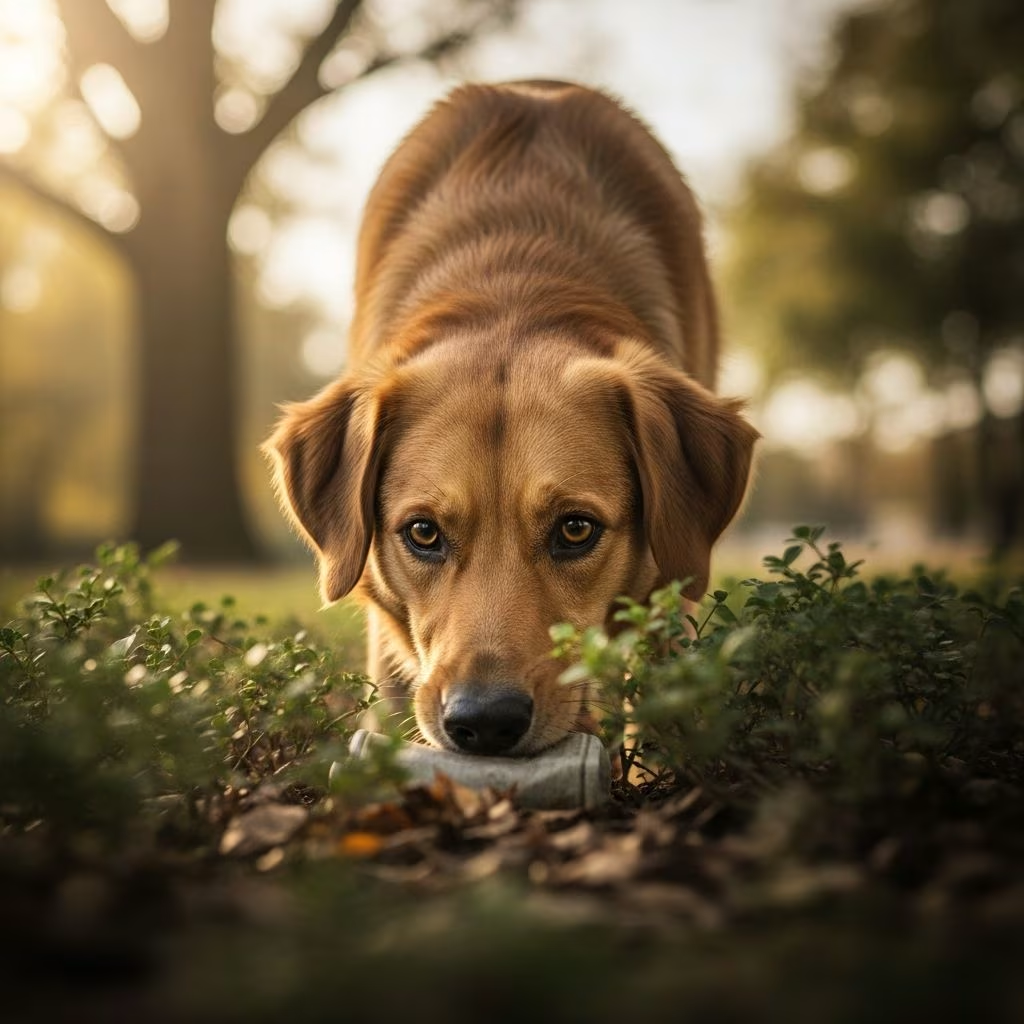
Nose work training, also known as scent work or K9 Nose Work, is a dog training method that harnesses your dog’s natural scenting abilities through fun and games. This training approach taps into your dog’s primal instincts to hunt and search, allowing them to use their extraordinary sense of smell in a controlled and rewarding environment. The sport was specifically designed to develop canine scenting abilities by utilizing a dog’s desire to hunt and their love of toys, food, and exercise. Unlike traditional obedience training, nose work training is about teaching handlers to learn from their dogs and understanding the otherwise invisible world of scent that dogs naturally inhabit. The K9 Nose Work training method ensures that the dog remains the focus of the activity, allowing them to work independently, develop their own hunting style, and progress at their own pace.
Benefits of Nose Work Training
Nose work training offers numerous advantages for dogs of all ages, breeds, and physical abilities. Understanding these benefits can help you appreciate why this training method is becoming increasingly popular among dog owners and trainers.
Mental Stimulation and Stress Reduction
One of the primary benefits of nose work training is the mental stimulation it provides. Dogs who participate in nose work activities consistently show reduced stress markers and improved emotional regulation, even outside of their training sessions. The concentration required during scent detection work helps reduce boredom and stress by engaging your dog’s mind in a meaningful way. This mental exercise is often more tiring than physical exercise alone, making it an ideal activity for dogs with high energy levels or those prone to anxiety. The focused nature of nose work helps channel a dog’s natural instincts positively, addressing issues like excessive barking or destructive chewing by keeping their minds actively engaged.
Confidence Building for Shy and Anxious Dogs
Nose work training is particularly beneficial for shy, reserved, or anxious dogs. Watching a timid pup transform from slowly moving around search areas and hesitantly picking at treats to bursting into the training space with a wildly wagging tail is a remarkable sight. The first search is often the toughest, as some dogs might not even take treats initially, but by the end of a training session, there is typically noticeable improvement. Completing scent detection tasks provides dogs with a sense of accomplishment and purpose. This success builds confidence that extends beyond the training environment, helping anxious dogs feel more assured in their daily lives. Many dogs with anxiety benefit significantly from the positive reinforcement training methods used in nose work, as they receive praise and treats for a job well done, which naturally builds confidence and reduces anxiety over time.
Improved Resilience and Adaptability
Advanced nose work training can help dogs develop resilience by gradually introducing elements of their fears and phobias into search activities in a controlled manner. For example, trainers can start with regular searches and then carefully introduce pieces of a dog’s fears during searches one at a time. Dogs that were previously terrified of specific noises have successfully completed searches while sound machines played right next to them, demonstrating how nose work can help dogs overcome their anxieties through positive association and gradual exposure.
Strengthened Dog-Owner Bond
Anytime you work closely with your dog, whether running around during searches or celebrating successful finds, you strengthen your bond. Nose work training requires close collaboration and communication between handler and dog, deepening the relationship and creating shared experiences of success and joy. This teamwork reinforces the connection between you and your pet, creating a nurturing practice that provides joy, development, and adventure for your canine friend.
Inclusive for All Dogs
Unlike some dog sports or training methods, nose work is truly inclusive. It’s perfect for dogs of all shapes, sizes, ages, and training levels. Whether you have a highly-trained obedience dog or a young puppy who hasn’t yet learned basic household manners, nose work offers great rewards. The sport is also beneficial for dogs with hearing loss or sight loss, as it focuses on their strongest sense: smell. This inclusivity makes nose work an accessible training option for virtually every dog owner.
How to Get Started with Nose Work Training
Beginning a nose work training program with your dog is an exciting journey that requires patience, consistency, and proper preparation. Here are the essential steps to set your dog up for success.
Create a Positive Training Environment
Ensure a positive and fun environment during all training sessions. Start by choosing a quiet location to minimize distractions when beginning, allowing your dog to focus on the scents. This foundation is crucial for helping your dog understand what you’re asking of them. Use treats and praise to reinforce your dog’s efforts—these rewards motivate dogs and encourage them to engage eagerly with the training process. Make training sessions short and enjoyable, celebrating every small success.
Introduce Basic Scent Tasks
Begin with simple scent tasks using familiar objects and treats. Introduce your pup to the concept that finding scents is rewarding and fun. Start with very easy, obvious hiding spots so your dog experiences quick success. The goal is to build enthusiasm and positive associations with the training activity.
Use Appropriate Rewards
High-value treats that your dog absolutely loves are essential for initial training. These rewards create strong positive associations with finding scents. As your dog progresses, you can gradually introduce other rewards like toys or praise, though treats remain an important motivator.
Basic Nose Work Exercises to Build Skills
Once your dog understands the fundamental concept of searching for scents, you can progress to specific exercises that develop their skills systematically.
Find the Treat Exercise
This is one of the easiest ways to introduce nose work. Place treats in easy-to-find locations and encourage your dog to use their nose to locate them. Hide treats under boxes, in corners, or in other obvious spots. Celebrate each successful find enthusiastically, reinforcing the behavior you want to see repeated.
Hide It in Your Hands
Behind your back, hide a small treat or pieces of treats in one hand. Your dog will have to sniff both hands and point to the one containing treats. This exercise teaches your dog to use their nose instead of their eyes and is one of the most foundational scent work exercises.
Progressive Difficulty Levels
As your dog gains confidence, gradually increase the challenge by hiding treats in more hidden spots. Vary the scents using different items, like toys, fabric, or essential oils. This progression keeps your dog engaged and prevents boredom while systematically building their scenting skills.
Advancing in Nose Work Training
Once your dog becomes comfortable with basic scent work, you can introduce more complex challenges that test their growing abilities.
Introduction to Target Odors
As your dog progresses, formal nose work training introduces specific target odors, typically natural essential oils. Dogs are taught to identify the same scent consistently, advancing their scent discrimination skills taught in basic nose work classes. This phase introduces techniques and tactics for building better dog and handler teamwork.
Training Across Various Environments
Practice nose work in varied environments to enhance your dog’s adaptability and focus. Challenging your dog with novel scenarios strengthens their problem-solving skills and maintains their enthusiasm for scent work. Training indoors, outdoors, in vehicles, and in other locations helps your dog understand that scent detection applies everywhere.
Building Handler Skills
As teams advance, attention shifts to handler mechanics and skills. Teams will drill down on skills that prepare them for trialing, including startline routine, leash handling, reward delivery, and overall handler mechanics. The handler learns to read their dog’s behavior, understand when the dog has found a scent, and properly reward the find.
The Role of Nose Work in Behavioral Training
Nose work serves as a powerful tool in addressing behavioral challenges. By channeling a dog’s natural instincts positively, scent work can address issues like excessive barking, destructive chewing, or general anxiety. The concentration required during scent detection improves impulse control and patience while providing a healthy outlet for energy that might otherwise manifest as unwanted behaviors.
Incorporating Nose Work into Daily Routines
You don’t need formal training sessions or special equipment to benefit from nose work. Scent work can easily be integrated into your daily life through short, spontaneous sessions around the home. Hide treats around your house, in your yard, or in your car. This keeps your dog mentally active throughout the day and creates a dynamic routine that enriches their life. Even five minutes of spontaneous nose work can provide significant mental stimulation.
Competitive Nose Work Opportunities
For those interested in pursuing nose work more seriously, numerous trials and competitions are available. These events test your dog’s abilities in a structured environment and provide an exciting avenue to showcase your dog’s skills and growth. Various organizations host nose work trials at different levels, allowing dogs and handlers to progress from beginner through advanced competition levels.
Progressive Levels of Competition
| Level | Focus | Requirements |
|---|---|---|
| Introduction to Odor | Basic scent detection and handler teamwork | Single target odor identification |
| Novice Nose Work | Handler skills and multiple odors | Proficiency in initial target odor required |
| Continuing Nose Work | Advanced challenges and teamwork refinement | Minimum proficiency in finding target odors |
| Advanced Nose Work | Complex scenarios and off-leash work | Experienced teams with strong foundation |
Physical and Mental Exercise Balance
While nose work training provides an excellent source of mental exercise, it also includes physical exercise. When you first get started, the level of physical exercise may be lower than after your dog has committed the scents to memory. As dogs become more proficient, they move faster and cover more ground during searches, increasing the physical component. This combination of mental and physical engagement makes nose work an ideal activity for maintaining overall canine health and fitness.
Nose Work for Dogs with Special Needs
One of the greatest advantages of nose work is its adaptability for dogs with special needs. Senior dogs can participate in nose work at their own pace without the impact on joints that high-impact sports might cause. Dogs with hearing loss or sight loss can excel in nose work, as it relies on their strongest sense. Even dogs with mobility challenges can participate, making nose work a truly inclusive training method.
Scientific Evidence and Research
Research into nose work training has demonstrated measurable benefits for canine well-being. Studies testing optimism showed that dogs practicing nose work approached new search containers more quickly than dogs practicing obedience alone, demonstrating that they thought the chances of finding rewards were higher. This suggests that nose work contributes to more optimistic outlooks and better overall emotional states in dogs.
Choosing a Qualified Nose Work Trainer
When seeking professional nose work training, look for instructors who have graduated from recognized training programs like the NACSW CNWI training program. These certified trainers understand the K9 Nose Work method and are approved canine scent training instructors. A qualified trainer ensures that your dog receives proper instruction and that training focuses on allowing your dog to work independently and progress at their own pace.
Frequently Asked Questions
Q: At what age can puppies start nose work training?
A: Puppies can start nose work training at a very young age, sometimes as early as 8 weeks old. The simple hide-and-seek nature of basic nose work makes it appropriate for young puppies, and starting early helps develop their natural scenting abilities.
Q: How often should my dog participate in nose work training?
A: For beginners, two to three training sessions per week of 10-20 minutes each is ideal. More frequent shorter sessions are better than fewer long sessions. Once your dog becomes more proficient, you can adjust frequency based on your goals and your dog’s enjoyment level.
Q: Do all dogs enjoy nose work training?
A: Most dogs naturally enjoy scent work because it taps into their instinctive hunting and foraging behaviors. However, individual dogs have different preferences. Some may initially be hesitant but warm up with positive reinforcement and patience.
Q: Can nose work training help with anxiety in dogs?
A: Yes, nose work training is particularly beneficial for anxious dogs. The focused activity, positive reinforcement, and sense of accomplishment all contribute to reduced anxiety and improved confidence over time.
Q: What equipment do I need to start nose work training?
A: To begin, you only need high-value treats and some items to hide them under, like boxes or containers. As you progress, you might invest in official nose work equipment or essential oils used in competitive nose work.
Q: Is nose work training suitable for dogs with behavioral problems?
A: Yes, nose work is an excellent tool for addressing behavioral issues. It provides mental stimulation and a positive outlet for energy, helping to reduce destructive behaviors and excessive barking while building confidence.
References
- How Nosework Transforms Fearful, Reactive, and High-Energy Dogs — Delta Tails. 2024. https://www.deltatails.com/blog/how-nosework-transforms-fearful-reactive-and-high-energy-dogs
- Dog Nose Work Training — PJH Dog Training. 2024. https://www.pjhdogtraining.com/nose-workscent-work
- Nosework 101: What Is It & How Can It Benefit Your Dog? — Carlson Agility. 2024. https://carlson-agility.com/nosework-101-what-is-it-how-can-it-benefit-your-dog/
- Nose Work — Port Chester Obedience Training Club. 2024. https://www.pcotc.org/nosework
- What is the K9 Nose Work® Training Method? — Scent Work University. 2024. https://www.scentworku.com/blogs/scent-work-university-blog/what-is-the-k9-nose-work%C2%AE-training-method
- Why Every Dog Needs Scent Work: Science-Backed Benefits You Should Know — Dog Trainers Milwaukee. 2024. https://dogtrainersmilwaukee.com/why-every-dog-needs-scent-work-science-backed-benefits-you-should-know/
- Nose Work Dog Training — PetLab Co. 2024. https://thepetlabco.com/learn/dog/behavior/keep-your-dogs-mind-engaged-with-this-military-training-method



