Nose Smarts: What Pets Can Tell With Their Sense of Smell
Discover how your pet's incredible sense of smell helps them perceive and interact with their world in ways we can barely imagine.
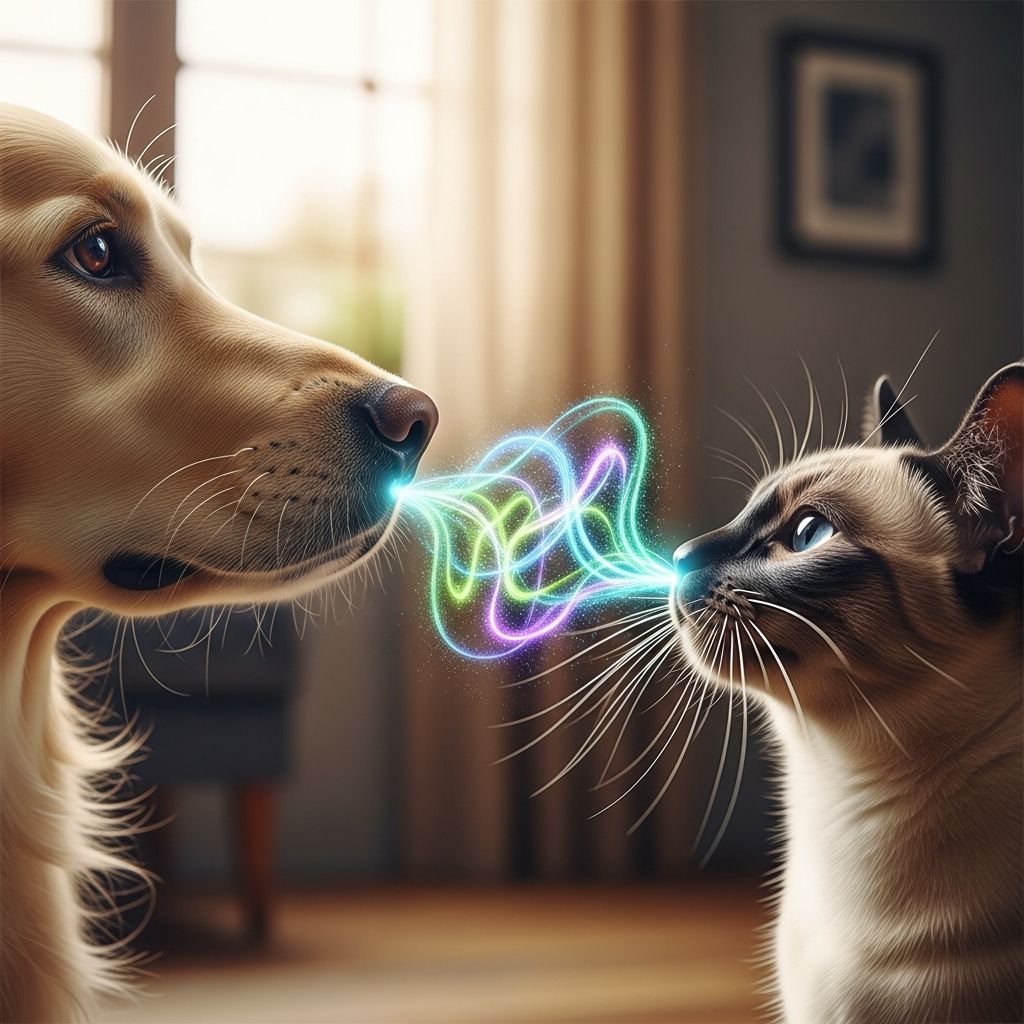
When your pet wrinkles their nose and takes a deep sniff, they’re engaging one of their most powerful senses. While humans rely heavily on sight to navigate the world, pets—especially dogs and cats—experience their environment primarily through smell. Your pet’s nose isn’t simply a cute button on their face; it’s a sophisticated biological instrument capable of detecting scents that would be completely imperceptible to even the most trained human nose. Understanding how your pet’s sense of smell works can provide fascinating insights into their behavior, their needs, and the unique ways they perceive their surroundings.
The Anatomy of Pet Smell: How It All Works
To appreciate just how remarkable your pet’s sense of smell is, it helps to understand the biological structures that make it possible. The olfactory system in pets is far more complex and developed than in humans, involving multiple specialized components working in concert to detect and process scents.
Olfactory Receptors: The Foundation of Scent Detection
The primary mechanism of smell begins with olfactory receptors—specialized cells located in the nasal passages that capture scent particles from the environment. Dogs, for example, possess approximately 300 million olfactory receptors, while cats have around 67 million. In stark contrast, humans have only 5 to 6 million receptors. This fundamental difference in receptor count explains why pets can detect odors that completely escape human notice. The sensitivity difference is staggering: dogs can smell things between 10,000 to 100,000 times better than humans. To put this in perspective, imagine if a dog could detect a single drop of liquid in an Olympic-sized swimming pool—that’s roughly equivalent to their olfactory sensitivity.
The Olfactory Bulb: Processing Scent Information
Once olfactory receptors capture scent particles, they send signals to the olfactory bulb, located at the base of the brain. This region is responsible for processing the scent information and sending it to other parts of the brain for interpretation. In pets, especially dogs, the olfactory bulb is significantly larger and more developed than in humans, enabling them to detect and distinguish between thousands of different smells simultaneously. The difference is profound: approximately 33% of a dog’s brain is dedicated to analyzing odors, compared to just 5% in humans. Some sources suggest the canine brain area devoted to odor analysis is about 40 times larger than the comparable human region.
Jacobson’s Organ: Detecting Chemical Signals
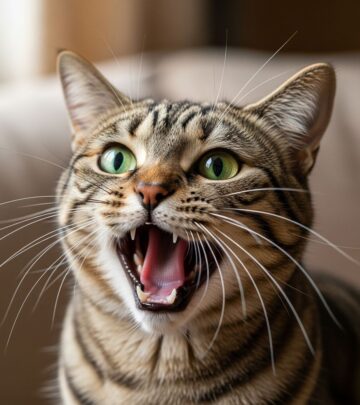
Pets possess an additional sensory tool that humans lack entirely: Jacobson’s organ, also known as the vomeronasal organ. This specialized organ detects pheromones—chemical signals released by other animals that convey important information about mating readiness, territorial boundaries, emotional states, and social status. When you see your dog or cat curling their lip and flaring their nostrils, they’re actually opening up Jacobson’s organ to increase exposure to aromatic molecules, essentially turning themselves into remarkably efficient smelling machines.
How Pets Smell: The Mechanics of Olfaction
The way pets inhale and exhale during smelling is fundamentally different from normal breathing. When dogs sniff, they perform a series of short inhalations and expirations that bring odor-bearing molecules into contact with the olfactory mucosa—the moist tissue lining the nasal cavity. In fact, dogs can inhale up to 300 times per minute in short breaths, meaning their olfactory cells are constantly supplied with fresh odor particles. This rapid breathing pattern allows scent molecules to accumulate and build in intensity, enabling dogs to detect even the faintest of odors.
Interestingly, dogs use their nostrils independently. They typically start sniffing with their right nostril, and if they’re comfortable with the smell, they then begin using their left nostril. This supports the theory that dogs process novel scent information using the right hemisphere of their brain, reserving the left hemisphere for reacting to familiar smells. Additionally, air travels along both upper and lower pathways in the nasal cavity. The lower pathway—which carries most of the air—leads to the lungs for breathing, while the upper pathway directs air to olfactory receptors. The lower pathway also functions during exhalation, allowing odor molecules to accumulate on the receptors for deeper analysis.
Remarkable Abilities: What Pets Can Detect
The practical applications of your pet’s extraordinary sense of smell extend far beyond simply enjoying pleasant aromas. Pets can accomplish feats of scent detection that seem almost magical to humans.
Disease Detection and Health Monitoring
One of the most remarkable and potentially life-saving abilities of pets is their capacity to detect human disease. Certain dog breeds have been trained to identify specific health conditions by detecting chemical changes in a person’s body. Dogs are most famously known for detecting cancer, and they can be trained to sniff out various types including skin cancer, breast cancer, and bladder cancer. Their sensitivity is so extraordinary that they can notice the slightest change in human scent caused by disease—changes that might even go unnoticed with conventional medical tests.
The tiniest shifts in hormones or volatile organic compounds released by diseased cells can be picked out by a dog’s nose. Beyond cancer detection, some dogs have been trained to alert their owners to oncoming seizures before they happen, and others can detect the metabolic changes associated with diabetes. This ability demonstrates that your pet isn’t just enjoying a nice smell; they’re gathering sophisticated biological information about your health status.
Three-Dimensional Smell and Direction Finding
Dogs possess a unique ability that humans simply don’t have: they can sniff in three dimensions. Because dogs can use each nostril independently, they can determine the direction from which a smell is coming, much like how humans use their ears to locate sounds. This directional scenting ability is crucial for tracking and hunting, allowing them to follow scent trails with precision and confidence.
Scent Memory and Recognition
Pets also possess an amazing memory for scents. They can remember and recognize smells even after years have passed, a capability that far exceeds human scent memory. While humans tend to forget scents over time if they aren’t regularly exposed to them, your pet maintains a detailed olfactory library of familiar and novel smells. This is why your dog can recognize you by scent alone, even if you’ve been away for months, and why your cat can identify whether another animal or person is familiar to them through scent marking.
Tracking and Trailing Abilities
Certain dog breeds have developed exceptional tracking abilities thanks to their superior sense of smell. Bloodhounds, powered by up to 300 million olfactory receptors and long, pendulous ears that funnel scent to the nose, are legendary for their scenting power. These remarkable dogs can follow a scent trail that’s several days old and track it for miles, demonstrating the extraordinary persistence and accuracy of their olfactory system. Their tracking style is slow, deliberate, and astonishingly persistent, making them masters at following cold trails once they lock onto a scent.
Factors Affecting Your Pet’s Sense of Smell
While a pet’s olfactory system is incredibly powerful, several environmental and physical factors can enhance or diminish their smelling ability.
Environmental Conditions
Humidity plays a significant role in enhancing a dog’s ability to detect scents, due to lingering odors trapped by water vapor and increased humidity within the dog’s nose. Higher temperatures increase the presence of odor molecules in the air, especially at the level of a dog’s nose, though excessive heat can also kill bacteria useful in detecting scents and decrease working ability. Wind also affects scent detection; winds in the optimal range of 3 to 10 km/h provide the best conditions, while winds that are too low decrease effective range and winds that are too high make detection difficult. Turbulence can further reduce a dog’s ability to track scents accurately.
Physical Characteristics
The shape and size of your pet’s nose matters significantly. Dogs with elongated noses perform better than dogs with flat noses in scent detection tasks. Additionally, larger dogs generally have a better sense of smell than smaller dogs. The wetness of a dog or cat’s nose actually helps them capture scent particles, as the moisture traps these particles, making it easier for them to smell everything around them.
How Pets Use Their Sense of Smell in Daily Life
Communication and Social Bonding
For pets, smell is the primary language of communication. When cats rub their faces on you, they’re not simply showing affection—they’re marking you as safe and part of their territory through scent marking. Dogs use scent to identify if another animal or person is familiar to them. Your pet’s sense of smell also helps deepen the bond between you. They recognize your scent and even notice subtle changes that signal your mood or health, making them more attuned to your needs. This is why your pet may act differently when you’re stressed, anxious, or unwell; they’re literally smelling the chemical changes in your body.
Environmental Exploration
Their sense of smell helps pets explore their surroundings and gather critical information about their world. When your dog takes a long sniff during a walk, they’re reading a complex chemical narrative about other animals that have passed through that spot, their emotional states, and their health status. For your cat, a single sniff can convey whether a location is safe or potentially threatening.
Specialized Working Roles
Dogs have developed specialized working roles thanks to their super sense of smell. Modern working Labrador Retrievers, which combine a reliable nose, balanced temperament, and impressive adaptability, are employed in fields ranging from search-and-rescue units to airport detection teams. Their steady demeanor and strong retrieval instinct help them excel in both high-pressure environments and everyday scent tasks.
The Wet Nose Advantage
You’ve probably noticed that your pet’s nose is usually wet and wondered why. This isn’t random—it’s a crucial part of their scent detection system. The moisture on a dog or cat’s nose serves an important function: it helps them capture and hold scent particles. The wetness essentially traps odor molecules on the nasal surface, making it easier for the olfactory receptors to detect and process them. Additionally, the air above the shelf-like structure in the dog’s nose is not washed out when the dog breathes normally, so scent molecules accumulate in the nasal chambers and the scent builds with intensity, allowing them to detect even the faintest of odors and can even detect emotions. This is why a healthy pet typically has a wet nose—it’s an indicator that their olfactory system is functioning optimally.
Comparing Pet and Human Smell: Understanding the Difference
| Characteristic | Dogs | Humans |
|---|---|---|
| Olfactory Receptors | ~300 million | ~5-6 million |
| Brain Dedicated to Smell | ~33% | ~5% |
| Sensitivity Compared to Humans | 10,000 to 100,000 times better | Baseline |
| Scent Memory | Long-lasting, years | Short-term without exposure |
| Jacobson’s Organ | Present and functional | Vestigial or absent |
Frequently Asked Questions About Pet Smell
Q: Why does my dog’s nose constantly change color?
A: Nose color changes in dogs are typically normal and can be influenced by genetics, age, sun exposure, and even seasonal changes. As long as your dog’s nose remains moist and they show no signs of discomfort, color variation is usually nothing to worry about.
Q: Can cats smell as well as dogs?
A: While cats have an impressive sense of smell with around 67 million olfactory receptors, dogs generally have superior olfactory abilities with up to 300 million receptors. However, cats still have a sense of smell that’s significantly better than humans and they use it effectively in their daily lives and hunting behaviors.
Q: How can I protect my pet’s sense of smell?
A: Keep your pet’s environment free from strong chemical cleaners and air fresheners that could overwhelm their sensitive nose. Ensure they stay well-hydrated to maintain nasal moisture, protect them from excessive heat, and provide regular veterinary care. Avoid exposing them to irritating smoke or fumes.
Q: Can my pet smell my emotions?
A: Yes! Your pet can detect chemical changes in your body related to stress, fear, and other emotions. They can literally smell the adrenaline and other hormones released when you’re anxious, which is why many pets become alert or concerned when their owners are stressed or unwell.
Q: What breeds have the best sense of smell?
A: Bloodhounds are legendary for their scenting ability, with up to 300 million olfactory receptors and long ears that funnel scent to their nose. Other breeds known for excellent tracking include Beagles, German Shepherds, and Labrador Retrievers, though many breeds have impressive olfactory abilities.
References
- Why Your Pet’s Sense of Smell is Their Superpower — Pet Medical Milsons Point. Accessed 2025. https://petmedicalmilsonspoint.com.au/why-your-pets-sense-of-smell-is-their-superpower/
- The Science of Sniffs: Disease Smelling Dogs — Understanding Animal Research. Accessed 2025. https://www.understandinganimalresearch.org.uk/news/the-science-of-sniffs-disease-smelling-dogs
- Dog Sense of Smell — Wikimedia Foundation. Accessed 2025. https://en.wikipedia.org/wiki/Dog_sense_of_smell
- How Dogs Use Smell to Perceive the World — VCA Animal Hospitals. Accessed 2025. https://vcahospitals.com/know-your-pet/how-dogs-use-smell-to-perceive-the-world
- 9 Tracking Dog Breeds Famous For Their Unmatched Nose Power — World Animal Foundation. Accessed 2025. https://worldanimalfoundation.org/dogs/tracking-dogs-famous-for-their-unmatched-nose-power/
Similar Articles




Read full bio of medha deb