

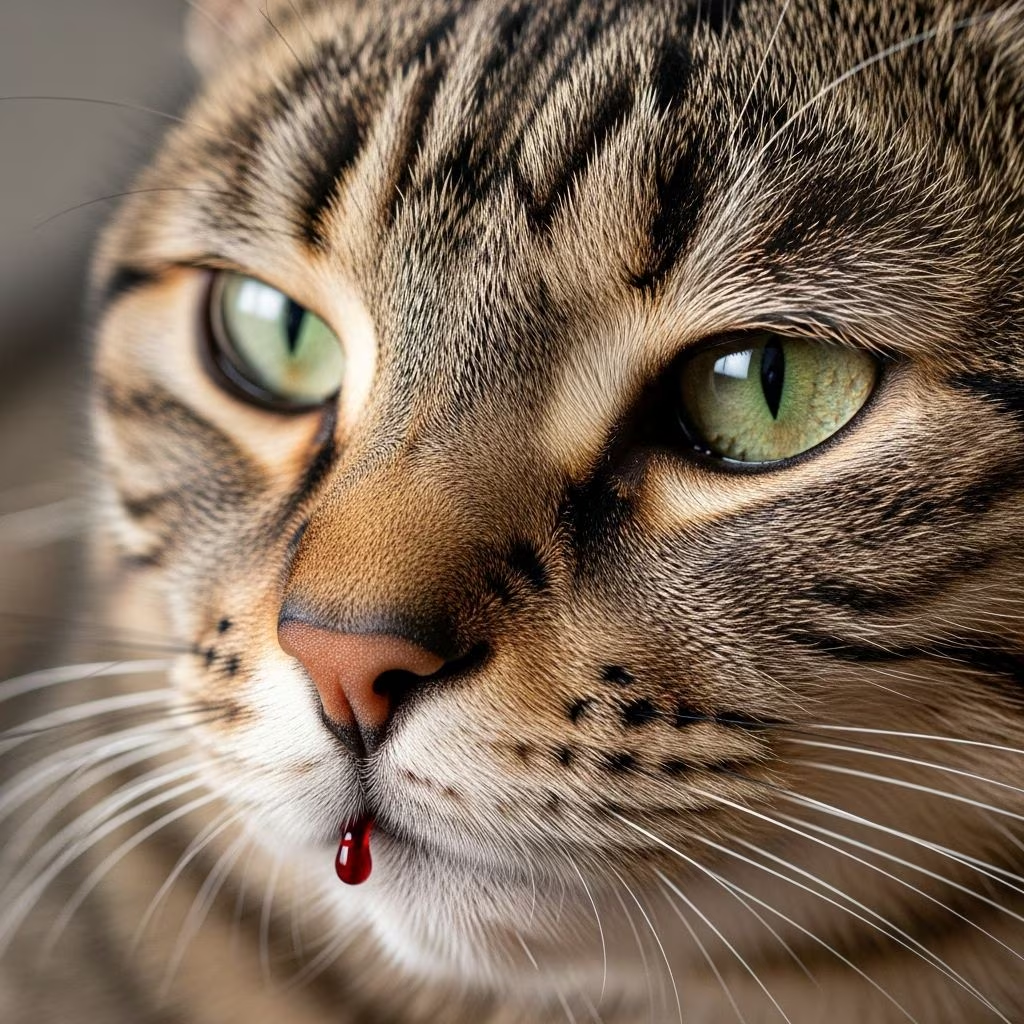
What is Epistaxis in Cats?
Epistaxis is defined as acute hemorrhage (bleeding) from the nostril, nasal cavity, or nasopharynx, which is the upper part of the throat that lies behind the nose, just above the soft part of the roof of the mouth and just behind the nasal passages. It is commonly referred to as a nosebleed and can be extremely unsettling for pet owners when it occurs.
Most acute (sudden) nosebleeds are caused by simple trauma or by upper respiratory tract infections. However, other causes of epistaxis in cats can be more serious and require immediate veterinary treatment. Understanding the potential causes, recognizing symptoms, and knowing when to seek help are essential for every cat owner.
Common Causes of Epistaxis in Cats
Epistaxis in cats can result from various underlying conditions, ranging from minor issues to serious medical emergencies. Understanding these causes can help you better understand your cat’s health and when professional intervention is necessary.
Trauma and Injury
One of the most common causes of nosebleeds in cats is trauma. Nasal fractures or lacerations from accidents, falls, bite wounds, or encounters with sharp objects can cause immediate bleeding. Cats may also experience epistaxis from being hit by cars or other traumatic episodes. When trauma is the cause, the bleeding is typically acute and may resolve once the injury heals, though veterinary examination is still recommended to rule out complications.
Nasal Foreign Bodies
Cats’ natural curiosity can lead them to inhale foreign objects into their nasal passages, such as blades of grass, small toys, pieces of food, or plant material. When a nasal foreign body punctures a blood vessel, epistaxis can occur. The inflammation associated with a foreign body can cause blood-tinged nasal discharge and persistent symptoms. Your veterinarian may use a small scope or camera to locate and remove the object.
Upper Respiratory Infections
Infections of the upper respiratory tract are among the most common causes of epistaxis in cats. These infections may be caused by various pathogens and can lead to inflamed nasal passages that bleed. While some respiratory infections may cause mild symptoms, severe bacterial, fungal, or viral infections are more likely to result in epistaxis.
Dental Disease
Dental problems, particularly tooth root abscesses, can contribute to nosebleeds. The tooth roots in cats are very close to the sinuses, so infections in the teeth and gums can spread to the nasal cavity and cause bleeding. Poor oral health should not be overlooked as a potential contributor to epistaxis.
Infections: Bacterial, Fungal, and Parasitic
Severe bacterial infections may cause epistaxis, particularly when bacteria are introduced through trauma or foreign bodies. Fungal infections, such as aspergillosis in cats, directly affect the nasal cavity and may lead to nosebleeds. While nasal parasites can cause epistaxis, they more commonly present with symptoms like sneezing and excessive face rubbing. Tick-borne infections caused by bacteria called rickettsia can also contribute to bleeding disorders that result in epistaxis.
Bleeding Disorders and Coagulation Problems
Many bleeding disorders can cause epistaxis in cats. Thrombocytopenia, characterized by a low platelet count, is a common cause of bleeding problems. Platelets are blood cell fragments vital to the clotting process and may be decreased by several different disorders. Rodenticides containing vitamin K antagonists are frequently the cause of generalized bleeding in cats because they interfere with the activation of several clotting factors by vitamin K. Other coagulation disorders include hemophilia, Von Willebrand’s disease, and disseminated intravascular coagulation (DIC).
Blood Viscosity and Protein Disorders
Hyperviscosity, or thickening of the blood, can result from extremely high concentrations of blood proteins in pets with certain diseases. The high protein concentration leads to poor platelet function and abnormal coagulation, occasionally resulting in epistaxis as the first symptom of the problem. Common causes of hyperviscosity syndrome include multiple myeloma, lymphoma, and ehrlichiosis, a tick-borne rickettsial disease.
Toxins and Poisoning
Exposure to toxins, particularly rodenticides or rat poison, can affect a cat’s blood clotting ability and result in epistaxis. If a cat has ingested rat bait or eaten a rodent that recently consumed rat bait, this can compromise the cat’s clotting factors and lead to bleeding from the nose. Additionally, certain medications can cause adverse reactions leading to nosebleeds.
Systemic Diseases and Other Conditions
Several systemic conditions can lead to epistaxis, including liver failure (which prevents the liver from producing enough clotting factors), feline leukemia virus infection, feline immunodeficiency virus, hypertension (high blood pressure), and various cancers. Tumors of the nasal passages and skull can grow into blood vessels, causing them to break and result in bleeding. Chronic rhinitis, especially in its idiopathic form, can cause inflammation and irritation in the nasal passages leading to nosebleeds.
Symptoms and Signs of Epistaxis
Recognizing the symptoms of epistaxis is crucial for determining when your cat needs veterinary attention. Signs may be acute or chronic and can vary depending on the underlying disease causing the nosebleed.
Primary Symptoms
The most obvious sign of epistaxis is blood leaving one or both nostrils. The blood may appear as fresh bleeding or may be dried blood caked around the nostrils. Your cat may engage in frequent sneezing or snorting. Additionally, cats often paw at the nose or engage in excessive rubbing of the face when experiencing epistaxis.
Secondary Symptoms
Cats with nosebleeds may exhibit additional signs including abnormally colored discharge from the nose (which may start as clear and progress to pus-colored), halitosis (bad breath), loss of appetite or reduced eating, weight loss, and an abnormal odor from the mouth or nose. Some cats may show swelling over the nose, gums, or mouth area.
Internal Bleeding Signs
It’s important to note that bleeding within your cat’s nose can drain down the throat. If the nosebleed is heavy, your cat will likely swallow blood, which might cause vomiting of blood clots or the presence of dark stool (melena) due to digested blood. These signs indicate internal bleeding and warrant immediate veterinary attention.
When to Seek Emergency Care
Seek immediate attention from an emergency veterinarian if your cat is struggling to breathe, has obvious injuries, recently got into rat bait or ate a rodent, or is acting oddly or inappropriately (different from their usual behavior).
Unilateral vs. Bilateral Epistaxis
Determining whether your cat’s nosebleed is from one nostril (unilateral) or from both nostrils (bilateral) can help your veterinarian determine the underlying cause. Unilateral nosebleeds are often due to localized disease on one side of the nose, such as cancer, tumors, foreign bodies, or dental disease. Bilateral bleeding is often due to systemic (whole-body) problems such as platelet or clotting abnormalities, infections, or other metabolic conditions.
Diagnosis of Epistaxis
Your veterinarian will perform a comprehensive examination to determine the cause of your cat’s nosebleed. The diagnostic process may include a thorough physical examination, review of your cat’s medical history, and any recent trauma or exposure to toxins. Blood tests may be performed to evaluate clotting factors, platelet counts, and other blood parameters. Imaging studies such as X-rays or CT scans may be recommended to visualize the nasal cavity and sinuses. If a foreign object is suspected, your veterinarian may use a small scope or camera to visualize the nasal passages and locate the object.
Treatment Options for Epistaxis
Treatment for epistaxis depends on the underlying cause and the severity of the bleeding. Your veterinarian will determine the most appropriate course of action based on the diagnostic findings.
Trauma-Related Epistaxis
If the nosebleed is caused by simple trauma and the bleeding is minimal, supportive care may be all that is needed. Your veterinarian may recommend keeping your cat calm and quiet to allow the blood vessels to clot naturally. Pain management and monitoring for complications are important components of care.
Foreign Object Removal
If your veterinarian suspects there is a foreign object in the nose, they will attempt to locate and remove it. During this procedure, your cat will typically have a tube in its trachea to protect the airway. Your veterinarian may also rinse out the nasal passages to clear any debris and inflammation.
Toxin and Poison Exposure
Cats who have eaten rat poison or possibly consumed a rodent that recently ate rat bait will need to be hospitalized. Vitamin K1 will be administered to prevent bleeding and restore normal clotting function. Some cats who have consumed rat poison will have bleeding so severe they may require a blood transfusion. Supportive care and monitoring for complications are essential during recovery.
Infection Treatment
If an infection is causing the epistaxis, your veterinarian will prescribe appropriate antibiotics, antifungal medications, or antiparasitic treatments depending on the type of infection. Severe infections may require hospitalization and intensive care.
Medication for Bleeding Disorders
Cats with bleeding disorders may require medication to improve clotting function. Treatment depends on the specific type of bleeding disorder and may include vitamin K supplementation, plasma transfusions, or other clotting factor replacements.
Management of Systemic Conditions
If epistaxis is caused by an underlying systemic condition such as hypertension, liver disease, or cancer, treatment will focus on managing that condition. Blood pressure medications may be prescribed for cats with hypertension. Liver disease may require dietary modifications and specific medications to support liver function.
Home Care and Prevention
While you cannot always prevent epistaxis, certain measures can reduce the risk. Keep your cat indoors to minimize exposure to trauma and toxins. Ensure your cat is up-to-date on vaccinations to prevent infectious diseases. Maintain good dental hygiene through regular brushing and professional dental cleanings as recommended by your veterinarian. Keep rat poison and other toxic substances far away from your cat, and consider using safer pest control methods. Monitor your cat’s behavior and health closely, and seek veterinary attention at the first sign of a nosebleed.
Frequently Asked Questions About Epistaxis in Cats
Q: Is a nosebleed in my cat always a sign of a serious problem?
A: Not necessarily. While some nosebleeds are minor and caused by simple trauma or minor infections, others may signal serious health problems that need immediate attention. It’s important to have any nosebleed evaluated by a veterinarian to determine the underlying cause.
Q: How can I tell if my cat’s nosebleed is from one nostril or both?
A: Observe your cat carefully to see if blood is coming from one nostril (unilateral) or both nostrils (bilateral). Unilateral bleeding often indicates a localized problem, while bilateral bleeding may suggest a systemic issue. Report this observation to your veterinarian as it helps in diagnosis.
Q: What should I do if my cat has a nosebleed?
A: Keep your cat calm and quiet. Do not attempt to stop the bleeding forcefully. Contact your veterinarian immediately, especially if the bleeding is heavy, persistent, or accompanied by other symptoms. If your cat is struggling to breathe or showing signs of shock, seek emergency veterinary care.
Q: Can I treat epistaxis at home?
A: While minor nosebleeds may resolve on their own with rest and observation, it is always best to have your cat evaluated by a veterinarian. Home treatment alone is not recommended because you cannot determine the underlying cause without professional evaluation, and some causes require urgent treatment.
Q: How is epistaxis diagnosed?
A: Your veterinarian will perform a physical examination, review your cat’s medical history, and may recommend blood tests, imaging studies such as X-rays or CT scans, or endoscopy to visualize the nasal passages and identify the cause of the bleeding.
Q: What is the prognosis for cats with epistaxis?
A: The prognosis depends on the underlying cause of the epistaxis. Simple trauma may resolve completely with time and supportive care. Infections can typically be treated successfully with appropriate medications. Serious conditions like cancer or blood disorders may have a more guarded prognosis but can often be managed with proper treatment.
References
- Nose Bleeds (Epistaxis) in Cats — VCA Animal Hospitals. 2024. https://vcahospitals.com/know-your-pet/nose-bleeds-or-epistaxis-in-cats
- Epistaxis (Nose Bleed) in Cats — PetPlace.com. 2024. https://www.petplace.com/article/cats/pet-health/epistaxis-nose-bleed-in-cats
- Cat Nosebleed: Signs, Causes, and Treatment of Epistaxis in Cats — PetMD. 2024. https://www.petmd.com/cat/symptoms/nosebleeds-epistaxis-in-cats
- Dog and Cat Nose Bleeds: Epistaxis — Pet Health Network. 2024. https://www.pethealthnetwork.com/dog-health/dog-diseases-conditions-a-z/dog-and-cat-nose-bleeds-epistaxis
- 7 Reasons For Epistaxis In Cats: Learn About Cat Nose Bleeds — Kingsdale Animal Hospital. 2024. https://www.kingsdale.com/7-reasons-for-epistaxis-in-cats-learn-about-cat-nose-bleeds
- Nose Bleed in Cats: Causes, Diagnosis, and Treatment — PetCareRx. 2024. https://www.petcarerx.com/article/nose-bleed-in-cats-causes-diagnosis-and-treatment/6587



