

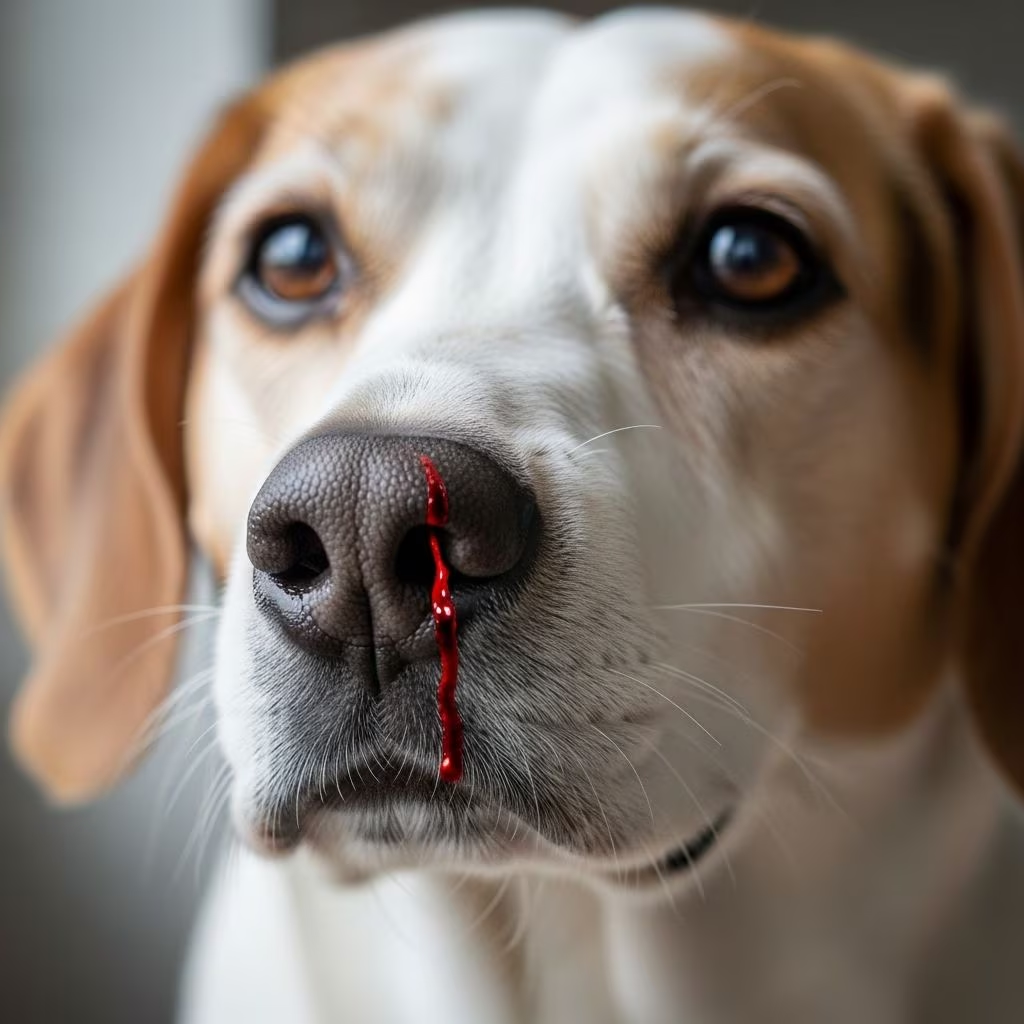
Nose Bleeds (Epistaxis) in Dogs: A Comprehensive Guide
Discovering blood dripping from your dog’s nose can be an alarming experience for any pet owner. While some cases of epistaxis are relatively minor and resolve quickly, others may indicate more serious underlying health conditions requiring immediate veterinary intervention. Understanding what causes nosebleeds, recognizing the associated symptoms, and knowing when to seek professional care are essential aspects of responsible pet ownership.
What is Epistaxis?
Epistaxis is the medical term for a nosebleed and is defined as acute hemorrhage, or bleeding, from the nostril, nasal cavity, or nasopharynx—the upper part of the throat that lies behind the nose, just above the soft part of the roof of the mouth and just behind the nasal passages. In dogs, epistaxis can manifest as blood coming from one or both nostrils and can range from light spotting to more significant bleeding. The condition itself is not a diagnosis but rather a sign that an underlying disease or condition is present.
What Causes Epistaxis in Dogs?
While there are numerous potential causes of epistaxis in dogs, the most common culprits are trauma and nasal tumors. Understanding the various causes helps pet owners better assess when veterinary care is necessary. The causes of epistaxis can be broadly categorized into local causes and systemic conditions.
Common Local Causes
Trauma is one of the leading causes of nosebleeds in dogs. This includes injuries to the mouth, nose, or snout due to blunt force, rough play with other animals, or accidents. Dogs may also develop nosebleeds from exposure to foreign objects such as foxtails, grass awns, or other seed heads that become lodged in the nasal passages.
Nasal Tumors represent another major cause of epistaxis in dogs. Nasal adenocarcinoma, a locally aggressive form of cancer, is the most common type of nasal tumor. Importantly, nosebleeds originating from a nasal tumor typically occur on only one side of the nose, whereas systemic conditions affecting blood clotting may cause bleeding from both nostrils.
Infection from bacterial or fungal sources can trigger nosebleeds. Upper respiratory tract infections are particularly common causes of acute or sudden nosebleeds in dogs. Additionally, tooth root (periapical) abscesses can lead to epistaxis due to their proximity to nasal structures.
Foreign Bodies lodged in the nasal cavity can cause irritation, inflammation, and subsequent bleeding. Common culprits include plant material, small toys, or food particles.
Systemic Causes
Systemic causes of epistaxis involve blood-clotting disorders or conditions affecting the entire body. These conditions require comprehensive diagnostic evaluation and treatment.
Coagulopathy (Blood-Clotting Disorders) represent a significant category of systemic causes. These include inherited disorders such as von Willebrand’s disease and hemophilia, as well as acquired conditions. Drug reactions from certain medications—including nonsteroidal anti-inflammatory medications (NSAIDs) like aspirin, methimazole, chemotherapy drugs, estrogens, and sulfa-class antibiotics—can inactivate blood-clotting factors leading to spontaneous bleeding.
Anticoagulant Rodenticide (rat poison) exposure is a preventable yet serious cause of epistaxis. Dogs exposed to rat poison may develop bleeding disorders, and pet owners should take precautions to prevent accidental ingestion or ensure their dogs do not consume poisoned rodents.
Thrombocytopenia (low platelet count) can result from immune-mediated conditions, bone marrow disease, or infections such as ehrlichiosis and Rocky Mountain spotted fever, both tick-borne illnesses.
Liver and Kidney Failure significantly impact blood clotting ability. The liver produces the majority of coagulation factors necessary for blood to clot, so liver disease in dogs leads to decreased coagulation factor production and increased bleeding risk.
Disseminated Intravascular Coagulation (DIC) is a serious condition characterized by abnormal blood clotting throughout the body, leading to both excessive clotting and bleeding.
Hypertension (high blood pressure) can occasionally contribute to epistaxis through vessel damage, though this is less common than other causes.
Hyperviscosity (increased thickness of blood) resulting from conditions such as multiple myeloma or certain infections can cause vessel damage and bleeding.
Systemic Cancers beyond nasal tumors can increase epistaxis risk, including lymphoma, hemangiosarcoma, and leukemia.
Recognizing the Signs and Symptoms
Pet owners should be alert to various clinical signs that may accompany or precede epistaxis. The primary sign is obvious: bleeding from one or both nostrils. However, several other symptoms may be present depending on the underlying cause.
Direct Nasal Signs
- Nasal discharge that may be mucoid or purulent (containing pus)
- Excessive sneezing
- Stertorous breathing (noisy, labored breathing)
- Stridor (high-pitched breathing sounds)
- Pain or irritation of the nose
- Facial deformation or swelling
- Visible dental disease
Signs Associated with Anemia
When significant blood loss occurs, dogs may exhibit signs of anemia, including weakness, exercise intolerance, and dyspnea (difficulty breathing).
Signs Associated with Bleeding Disorders
If epistaxis results from a systemic blood-clotting disorder, owners may observe:
- Bleeding from other areas of the body
- Blood in the stool (hematochezia)
- Dark, tarry stools due to digested blood (melena)
- Blood in the urine (hematuria)
- Bruising or blood-filled swellings (hematomas)
- Vision disorders due to retinal hemorrhages
Other Associated Signs
Additional symptoms may include loss of appetite (inappetence) due to anosmia (loss of smell sense), general weakness, lethargy, and regional lymphadenopathy (enlarged lymph nodes) in cases of infection or cancer.
Diagnostic Approach
Veterinary diagnosis of epistaxis requires a systematic approach combining history, physical examination, and diagnostic testing. Pet owners can facilitate accurate diagnosis by providing comprehensive information to their veterinarian, including:
- Timing and frequency of nosebleeds (acute vs. chronic, continuous vs. intermittent)
- Whether bleeding occurs from one or both nostrils
- Recent trauma or accidents
- Exposure to foreign objects, foxtails, or grass awns
- Any pesticide or rat poison exposure, or suspected rodent consumption
- All medications and supplements the dog has received in the past 30 days
- Signs of sneezing or nasal rubbing
- Recent rough play with other animals
- Associated symptoms such as sneezing, gagging, or respiratory difficulty
Diagnostic Tests
Veterinarians typically employ various diagnostic tools to identify the underlying cause:
Laboratory Tests and Coagulation Profiles assess blood-clotting ability and rule out hemostatic problems. These may include platelet counts, prothrombin time (PT), activated partial thromboplastin time (aPTT), and von Willebrand factor levels.
Imaging Studies help visualize nasal structures and identify tumors or foreign bodies. These include radiography (X-rays), CT scans, and MRI, with advanced imaging often providing superior detail for evaluating nasal pathology.
Rhinoscopy involves inserting a small camera into the nasal passages, allowing direct visualization of internal nasal structures.
Biopsy may be performed to obtain tissue samples for histopathological examination, particularly when tumors or infection are suspected.
Treatment Options
The primary approach to treating epistaxis involves identifying and managing the underlying cause. Treatment varies significantly depending on the specific diagnosis.
Trauma-Related Epistaxis
In cases of uncomplicated trauma with no underlying blood-clotting disorder, epistaxis typically resolves spontaneously as tissue heals. Supportive care may include keeping the dog calm and quiet to minimize activity-related bleeding.
Infection-Related Epistaxis
Bacterial infections may respond to appropriate antibiotic therapy, while fungal infections require targeted antifungal treatment. Periapical abscesses may necessitate dental procedures or extraction.
Coagulopathy Management
Dogs with blood-clotting disorders may require blood transfusions or plasma transfusions to restore clotting factors. Fresh frozen plasma provides specific coagulation factors, while whole blood transfusions provide both red blood cells and clotting factors.
Rodenticide Toxicity Treatment
Dogs exposed to anticoagulant rat poison typically receive vitamin K1 supplementation to restore blood-clotting ability. Treatment duration and dosing depend on the type of rodenticide exposure.
Tumor Management
Nasal tumors may be managed through various approaches, including surgical resection when feasible, radiation therapy, or chemotherapy, depending on the tumor type, size, and stage.
Systemic Disease Treatment
Management of underlying systemic conditions such as liver failure, kidney disease, or hypertension requires comprehensive treatment addressing the primary disease process.
Prognosis and Complications
The prognosis for epistaxis in dogs varies considerably depending on the underlying cause. Trauma-related nosebleeds typically have an excellent prognosis with supportive care. However, epistaxis resulting from serious conditions such as nasal cancer or severe coagulopathy may carry a more guarded prognosis.
Potential complications from significant nosebleeds include anemia and, in rare cases, collapse from severe blood loss.
Prevention Strategies
While not all causes of epistaxis can be prevented, pet owners can reduce certain risks:
- Prevent exposure to rat poisons and anticoagulant rodenticides
- Supervise play to minimize traumatic injuries to the nose and face
- Remove potentially dangerous foreign bodies from the environment
- Maintain regular veterinary check-ups to identify underlying health conditions early
- Keep medications secure and administer only as prescribed by a veterinarian
- Maintain good oral hygiene to prevent dental disease complications
Frequently Asked Questions
Q: When should I take my dog to the veterinarian for a nosebleed?
A: Contact your veterinarian for any nosebleed that lasts more than a few minutes, occurs repeatedly, involves heavy bleeding, or is accompanied by other symptoms. If your dog appears distressed or shows signs of anemia, seek immediate veterinary care.
Q: Can I treat my dog’s nosebleed at home?
A: For minor nosebleeds, keep your dog calm and allow the bleeding to stop naturally. Avoid excessive activity or excitement. However, all but the most trivial nosebleeds warrant veterinary evaluation to identify any underlying cause.
Q: Is epistaxis in dogs life-threatening?
A: While most nosebleeds are not immediately life-threatening, they may indicate serious underlying conditions. Rarely, severe bleeding can lead to anemia and collapse. The seriousness depends entirely on the underlying cause.
Q: Why is my dog’s nosebleed coming from only one nostril?
A: Unilateral (one-sided) nosebleeds are often indicative of local nasal problems such as tumors, foreign bodies, or infections affecting only that side of the nose, rather than systemic blood-clotting disorders, which typically affect both nostrils.
Q: How is nasal adenocarcinoma diagnosed and treated?
A: Nasal adenocarcinoma is diagnosed through imaging (CT or MRI) and biopsy. Treatment typically involves radiation therapy or, in some cases, surgical resection combined with chemotherapy, depending on the tumor’s extent and location.
Q: Can medications cause nosebleeds in dogs?
A: Yes, certain medications including NSAIDs like aspirin, methimazole, chemotherapy drugs, and sulfa-based antibiotics can interfere with blood clotting and increase bleeding risk. Always inform your veterinarian of all medications your dog receives.
References
- Epistaxis in Dogs (Canis) — Vetlexicon. 2024. https://www.vetlexicon.com/canis/internal-medicine/articles/epistaxis/
- Nose Bleeds (Epistaxis) in Dogs — VCA Animal Hospitals. 2024. https://vcahospitals.com/know-your-pet/nose-bleeds-or-epistaxis-in-dogs
- Epistaxis – Bleeding from the Nose — Animal Care Hospital. 2024. https://animalcarehospital.vet/sites/site-4271/documents/Bleeding%20from%20the%20Nose%20(Epistaxis).pdf
- Prevalence, clinical features, and causes of epistaxis in dogs — Journal of the American Veterinary Medical Association (JAVMA). 2007-12-15. https://pubmed.ncbi.nlm.nih.gov/18081523/
- Dog Nose Bleed: 13 Causes (And How To Stop the Bleeding) — Toe Grips. 2024. https://toegrips.com/dog-nose-bleed/
- Nosebleeds in Dogs — PetMD. 2024. https://www.petmd.com/dog/symptoms/nosebleeds-in-dogs



