

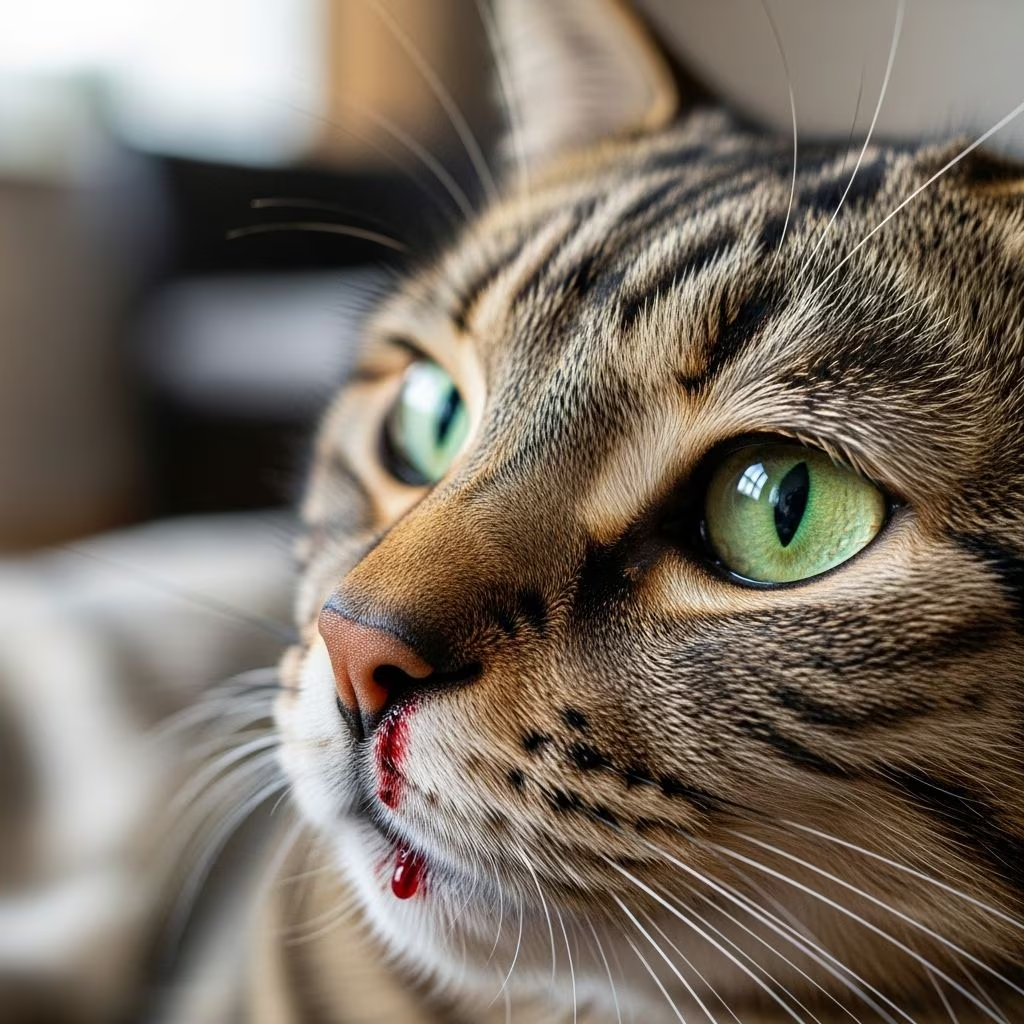
Understanding Epistaxis in Cats
Epistaxis is defined as acute hemorrhage, or bleeding, from the nostril, nasal cavity, or nasopharynx, which is the upper part of the throat that lies behind the nose, just above the soft part of the roof of the mouth and just behind the nasal passages. Commonly referred to as a nosebleed, epistaxis in cats can be an extremely unsettling experience for pet owners who encounter it for the first time. The sight of blood coming from your feline companion’s nose naturally raises concern and warrants immediate attention to determine the underlying cause.
Most acute, or sudden, nosebleeds in cats are caused by simple trauma or by upper respiratory tract infections. However, other causes of epistaxis in cats can be significantly more serious and require immediate veterinary treatment. Understanding the various causes, recognizing the symptoms, and knowing when to seek professional help are essential components of responsible pet ownership.
Causes of Epistaxis in Cats
Epistaxis in cats can result from a wide range of conditions, each requiring different approaches to treatment and management. The causes can be broadly categorized into trauma-related, infectious, systemic, and neoplastic conditions.
Trauma-Related Causes
One of the most common causes of acute epistaxis in cats is traumatic injury to the nasal passages. Nasal fractures and lacerations can occur due to automobile accidents, bite wounds, or injuries caused by sharp objects. When the delicate blood vessels within the nasal mucosa are damaged, bleeding occurs. These traumatic episodes may result in sudden epistaxis that is relatively straightforward to diagnose, especially when there is a clear history of injury.
Nasal Foreign Bodies
Cats’ natural curiosity sometimes leads them to inhale foreign objects into their nasal passages. Common culprits include blades of grass, small toy pieces, food particles, or other debris. When a foreign body becomes lodged in the nasal cavity, it can puncture or irritate blood vessels, causing epistaxis. The inflammation associated with a nasal foreign body can also result in blood-tinged nasal discharge. The irritation and subsequent bleeding may persist until the foreign object is removed by a veterinarian.
Infectious Causes
Both bacterial and fungal infections can lead to epistaxis in cats. Severe bacterial infections are most likely to cause nosebleeds and may develop following trauma or the presence of a foreign body that has since been removed. Aspergillosis, a fungal infection affecting the nasal cavity, is particularly notable as it may lead to epistaxis in cats. Additionally, nasal parasites can cause epistaxis, though episodes of sneezing and rubbing at the face are more common symptoms of parasitic infections such as nasal mite infestations. Upper respiratory infections caused by various pathogens, with feline calicivirus being particularly common, can cause inflamed nasal passages that result in bloody nasal discharge.
Bleeding and Coagulation Disorders
Many bleeding disorders can cause epistaxis in cats, and bleeding may be observed at other body sites as well. Thrombocytopenia, which refers to a low platelet count, is a common cause of bleeding problems. Platelets are blood cell fragments that are vital to the clotting process and may be decreased by several different disorders, including tick-borne diseases caused by a bacterium called rickettsia. Rodenticides containing vitamin K antagonists are frequently responsible for generalized bleeding in cats because they interfere with the activation of several clotting factors by vitamin K. Other coagulation disorders include Von Willebrand’s disease, hemophilia, immune-mediated thrombocytopenia, and bone marrow diseases. Disseminated intravascular coagulation (DIC) is another serious bleeding disorder that can result in epistaxis.
Systemic and Metabolic Conditions
Hyperviscosity, or thickening of the blood, can result from extremely high concentrations of blood proteins in pets with certain diseases. The high protein concentration leads to poor platelet function and abnormal coagulation. Occasionally, epistaxis is the first symptom of hyperviscosity syndrome. Common causes include multiple myeloma (overproduction of antibody proteins by malignant plasma cells), lymphoma (cancer of lymphoid tissue), and ehrlichiosis (a tick-borne rickettsial disease). Liver failure is another significant cause, as the liver produces clotting factors essential for normal hemostasis. Hypertension, or high blood pressure, is a common condition in cats and can result in epistaxis when blood vessels in the nose rupture under increased pressure. Unlike in humans, hypertension in cats is often secondary to underlying medical conditions such as kidney disease or hyperthyroidism.
Viral Infections
Certain viral infections can predispose cats to epistaxis. Feline leukemia virus infection and feline immunodeficiency virus can both affect the immune system and blood clotting mechanisms, potentially resulting in nosebleeds. These infections weaken the cat’s overall immune response and may compromise normal hemostatic function.
Dental Disease and Neoplastic Causes
Dental disease can contribute to epistaxis because tooth roots are located very close to the sinuses. Infection or abscess formation at the tooth root can extend into the nasal cavity, causing inflammation and bleeding. Tumors, particularly those affecting the nasal passages and skull, can erode into blood vessels as they grow, causing them to rupture. Hemangiosarcoma and other cancers affecting the nasal cavity can present with acute epistaxis, though the underlying problem may have been present for some time.
Drug Reactions
Certain medications can cause or contribute to epistaxis in cats. Drug reactions involving methimazole, chemotherapy drugs, estrogens, and sulfa class antibiotics have been documented as potential causes of nosebleeds.
Recognizing Symptoms of Epistaxis
The primary symptom of epistaxis is bleeding from one or both nostrils. However, several additional signs may accompany a nosebleed in cats:
– Visible blood dripping or flowing from the nostrils- Sneezing, sometimes with bloody discharge- Bloody nasal discharge that may be mucoid or purulent- Stertorous breathing (noisy, heavy breathing)- Stridor (high-pitched breathing sounds)- Pain or irritation of the nose, evidenced by frequent rubbing or pawing at the face- Facial deformation in severe cases- Respiratory signs such as difficulty breathing
It is important to note that bleeding within your cat’s nose can drain down the throat. Cats will likely swallow blood if the nosebleed is heavy, which might cause vomiting of blood clots or dark-colored stool (melena) due to digested blood. These secondary symptoms can sometimes be as alarming as the nosebleed itself and should prompt immediate veterinary consultation.
When to Seek Emergency Veterinary Care
While some nosebleeds may be minor and resolve on their own, certain situations warrant immediate emergency veterinary attention:
– Your cat is struggling to breathe or has obvious facial injuries- There is profuse or continuous bleeding from the nostrils- Your cat has recently gotten into rat bait or eaten a rodent that may have been poisoned- Your cat is acting oddly or inappropriately and behaving differently from usual- The nosebleed is accompanied by other signs of serious illness- Your cat is vomiting blood or showing signs of internal bleeding
Diagnosing the Cause of Epistaxis
Determining the underlying cause of epistaxis requires a systematic diagnostic approach. Your veterinarian will begin with a thorough physical examination and a detailed history of the nosebleed, including when it started, how long it has been occurring, and whether your cat has experienced any recent trauma or illness.
Laboratory Testing
Blood work and coagulation profiles are essential components of the diagnostic workup. These tests help identify bleeding disorders, thrombocytopenia, and other systemic conditions that may be contributing to epistaxis. Your veterinarian may order a complete blood count (CBC), chemistry panel, and specialized coagulation tests such as prothrombin time (PT) and activated partial thromboplastin time (aPTT).
Imaging Studies
Radiography is often the first imaging study performed to evaluate the nasal cavity and sinuses. X-rays can reveal nasal fractures, foreign bodies, dental disease, and some neoplastic lesions. Advanced imaging techniques such as computed tomography (CT) or magnetic resonance imaging (MRI) may be recommended for more detailed evaluation of nasal cavity lesions, particularly when neoplasia is suspected.
Rhinoscopy and Biopsy
Rhinoscopy involves the use of a small scope or camera to directly visualize the nasal passages. This procedure allows your veterinarian to identify foreign bodies, areas of infection, masses, or other abnormalities. If a lesion or abnormal tissue is identified, a biopsy can be performed to obtain tissue samples for histopathologic examination and diagnosis.
Treatment Options for Epistaxis
Treatment of epistaxis depends on identifying and managing the underlying cause. The approach varies significantly depending on the etiology of the nosebleed.
Trauma-Related Epistaxis
For nosebleeds resulting from simple trauma, treatment is often supportive. Your veterinarian may recommend keeping your cat calm and quiet to minimize further bleeding. In cases of severe trauma with nasal fractures, more intensive intervention may be necessary. Your cat should be monitored closely for signs of worsening condition or complications.
Foreign Body Removal
If a foreign body is identified in the nasal passages, removal is necessary. Your veterinarian may use a small scope or camera to locate the object precisely. During removal, your cat will have a tube placed in the trachea to protect the airway and maintain proper breathing. The nasal passages may be rinsed to remove debris and minimize further irritation.
Infection and Fungal Disease Treatment
For nosebleeds caused by upper respiratory infections, antibiotics such as doxycycline or azithromycin will be prescribed to treat secondary bacterial infections. Fungal infections affecting the nose, such as cryptococcosis, are usually treated for several months with medications like fluconazole or itraconazole. The specific antibiotic or antifungal selected will depend on the organism identified and your cat’s individual circumstances.
Rodenticide Toxicity Management
Cats who have ingested rat poison or eaten a rodent that recently consumed rat bait require hospitalization. Vitamin K1 will be administered to prevent bleeding by restoring normal clotting factor function. The duration of treatment typically extends for several weeks beyond the initial hospitalization. In severe cases where bleeding is profound, blood transfusions may be necessary to replace lost blood and restore clotting factors.
Management of Systemic Conditions
Treatment of epistaxis related to systemic conditions focuses on managing the underlying disease. For hypertension, blood pressure-lowering medications may be prescribed. For bleeding disorders, specific treatments depend on the type of coagulation abnormality identified. Cats with liver failure may require supportive care and management of their hepatic condition. Treatment of viral infections such as feline leukemia or feline immunodeficiency virus is supportive, as these conditions currently have no cure.
Surgical Intervention
In some cases, surgical intervention may be necessary. This is particularly true for tumors or masses affecting the nasal cavity, though surgical treatment options may be limited depending on the location and extent of the lesion. Your veterinarian will discuss the feasibility and potential benefits of surgical intervention specific to your cat’s situation.
Home Care and Monitoring
Following treatment for epistaxis, your cat will require careful monitoring at home. Keep your cat calm and quiet during recovery, as stress and activity can precipitate additional bleeding. Maintain any prescribed medications exactly as directed. Watch for signs of recurrent bleeding or other concerning symptoms. Follow up with your veterinarian as recommended, and ensure that all laboratory work and diagnostic procedures are completed as planned. If epistaxis recurs or your cat’s condition worsens, contact your veterinarian immediately.
Prognosis and Prevention
The prognosis for epistaxis in cats varies considerably depending on the underlying cause. Simple trauma-related nosebleeds may resolve completely with minimal intervention. Conversely, epistaxis resulting from serious conditions such as nasal tumors, severe coagulation disorders, or advanced systemic disease may have a more guarded prognosis. Early diagnosis and appropriate treatment significantly improve outcomes. Prevention of epistaxis focuses on preventing trauma by keeping your cat safe from dangerous situations, ensuring vaccination against infectious diseases, and maintaining regular dental care to prevent tooth root infections. Keeping rodenticide and other toxic substances away from your cat is also essential.
Frequently Asked Questions About Feline Epistaxis
Q: Is a single nosebleed in my cat cause for concern?
A: A single, brief episode of minor bleeding may resolve without requiring treatment, especially if there is a clear history of trauma. However, any nosebleed should be evaluated by a veterinarian to rule out serious underlying conditions.
Q: Can stress cause epistaxis in cats?
A: While stress alone does not typically cause epistaxis, stress can exacerbate bleeding in cats with underlying bleeding disorders or increase blood pressure in hypertensive cats, potentially triggering nosebleeds.
Q: How long does treatment for fungal nasal infections take?
A: Fungal infections affecting the nasal cavity typically require several months of antifungal medication therapy. Treatment duration depends on the specific fungal organism identified and your cat’s response to medication.
Q: What should I do if my cat has a nosebleed?
A: Keep your cat calm and quiet. If bleeding is mild and stops within a few minutes, contact your veterinarian for an appointment. If bleeding is heavy, continuous, or accompanied by difficulty breathing, seek emergency veterinary care immediately.
Q: Can indoor cats get epistaxis from trauma?
A: Yes, indoor cats can experience traumatic injuries leading to epistaxis. Trauma can result from falls, rough play, aggressive interactions with other pets, or even forceful sneezing episodes in some cases.
Q: Is epistaxis a sign of feline leukemia?
A: Epistaxis can be associated with feline leukemia virus infection, particularly when the virus affects bone marrow function and clotting mechanisms. However, epistaxis is not a specific indicator of FeLV and can result from many other conditions.
References
- Epistaxis (Nose Bleed) in Cats — PetPlace.com. 2024. https://www.petplace.com/article/cats/pet-health/epistaxis-nose-bleed-in-cats
- Cat Nosebleed: Signs, Causes, and Treatment of Epistaxis in Cats — PetMD. 2024. https://www.petmd.com/cat/symptoms/nosebleeds-epistaxis-in-cats
- Nose Bleeds (Epistaxis) in Cats – VCA Animal Hospitals — VCA Animal Hospitals. 2024. https://vcahospitals.com/know-your-pet/nose-bleeds-or-epistaxis-in-cats
- 7 Reasons For Epistaxis In Cats: Learn About Cat Nose Bleeds — Kingsdale Animal Hospital. 2024. https://www.kingsdale.com/7-reasons-for-epistaxis-in-cats-learn-about-cat-nose-bleeds
- Epistaxis in Cats (Felis) — Vetlexicon. 2024. https://www.vetlexicon.com/felis/internal-medicine/articles/epistaxis/
- Nose Bleed in Cats – Symptoms, Causes, Diagnosis, Treatment — Wag Walking. 2024. https://wagwalking.com/cat/condition/nose-bleed
- Nose Bleed in Cats: Causes, Diagnosis, and Treatment — PetCareRx. 2024. https://www.petcarerx.com/article/nose-bleed-in-cats-causes-diagnosis-and-treatment/6587



