

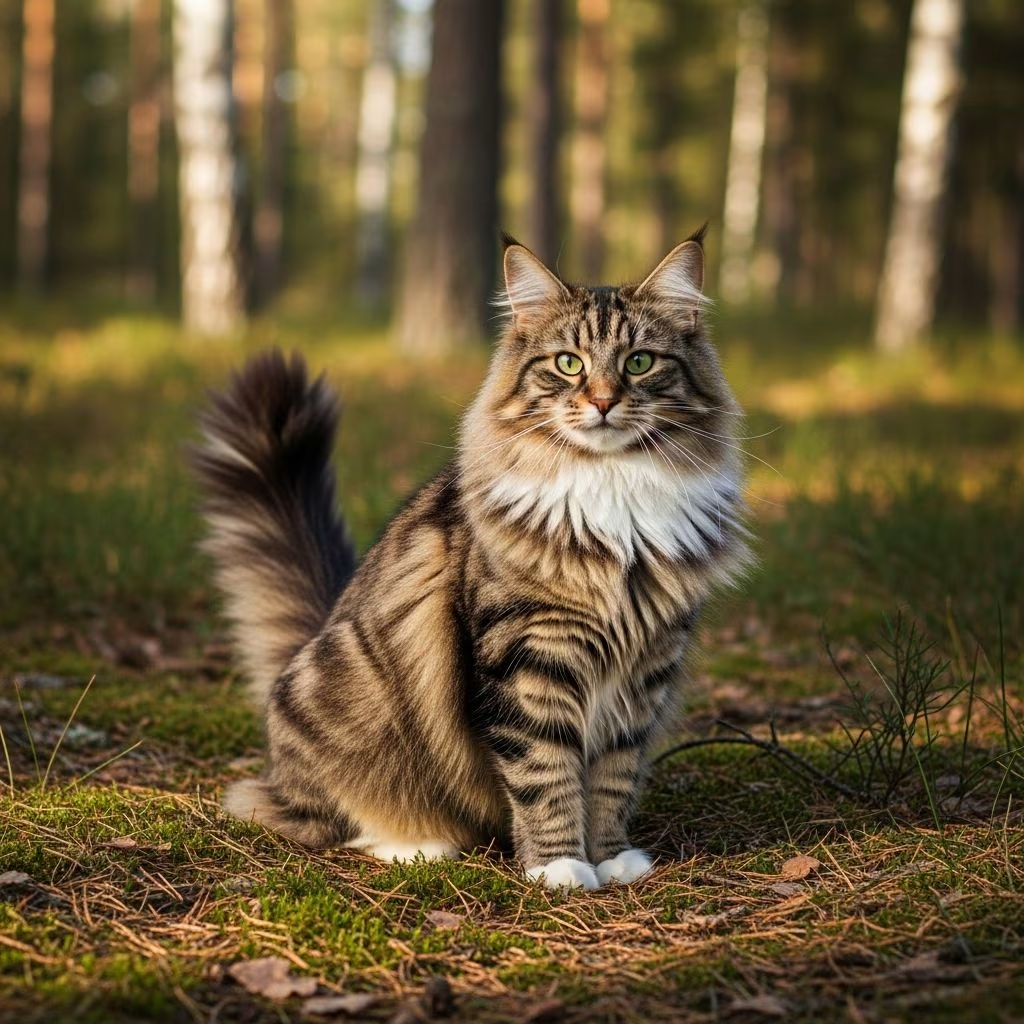
Norwegian Forest Cats, affectionately known as Wegies, are striking feline companions with distinctive long coats and robust builds. While these cats are generally considered healthy animals with good longevity, they inherit a predisposition to several serious genetic conditions. Understanding these hereditary health challenges is essential for prospective owners, breeders, and current guardians who wish to provide optimal care and make informed decisions about their pets’ wellbeing.
Unlike environmental or lifestyle-related health problems that can sometimes be prevented through proper nutrition and exercise, genetic disorders are encoded in a cat’s DNA and cannot be entirely prevented. However, knowledge of these conditions allows cat owners and veterinarians to implement early detection strategies, manage symptoms effectively, and improve quality of life for affected animals. This comprehensive overview examines the primary genetic health concerns affecting Norwegian Forest Cats and discusses management approaches that can help mitigate their impact.
Cardiac Complications: The Most Prevalent Health Concern
Hypertrophic Cardiomyopathy (HCM) stands as the most frequently diagnosed heart condition in Norwegian Forest Cats, affecting this breed at higher rates than many other feline populations. This progressive cardiac disease involves thickening of the heart’s ventricular walls, which impairs the organ’s ability to relax and fill properly between contractions. As the condition advances, the heart becomes increasingly inefficient at circulating blood throughout the body, potentially leading to heart failure, blood clots, or sudden death.
The development of HCM in Norwegian Forest Cats appears to have a genetic component, though the inheritance pattern is complex and involves multiple genes rather than a single genetic marker. This polygenic nature makes screening and prevention extraordinarily challenging, even with modern genetic testing capabilities. Environmental factors such as obesity, stress, and hypertension may also contribute to disease expression in genetically predisposed individuals.
Recognizing HCM Symptoms
The insidious nature of HCM lies in its often-silent progression. Many affected cats display no observable symptoms in early stages, and when clinical signs eventually emerge, they frequently indicate that the disease has already progressed significantly. Cat owners should remain alert to the following indicators:
- Labored or abnormally rapid breathing patterns
- Profound lethargy and reduced activity levels
- Diminished appetite or refusal to eat
- General weakness and reduced muscle tone
- Reluctance to engage in normal play or movement
Because symptomatic HCM frequently represents advanced disease, regular veterinary examinations become critically important for Norwegian Forest Cat owners. Veterinarians can employ diagnostic tools such as echocardiography and electrocardiography to detect cardiac abnormalities before a cat develops clinical symptoms. Early diagnosis, while not curative, allows for proactive management that can significantly extend quality of life and reduce the risk of sudden cardiac events.
Managing HCM in Norwegian Forest Cats
Although no cure currently exists for HCM, veterinary medicine offers several management strategies that can improve outcomes and extend longevity. Medications such as beta-blockers and calcium channel blockers help regulate heart rate and reduce the workload on the compromised cardiac tissue. Additional pharmaceuticals may be prescribed to manage secondary complications such as blood clots or fluid accumulation in the lungs.
Cats diagnosed with HCM benefit from stress reduction, moderate exercise appropriate to their condition, and dietary modifications that support cardiac health. Owners should work closely with their veterinarian to establish a management plan tailored to their individual cat’s needs and disease progression.
Metabolic Disorders: Glycogen Storage Disease
Glycogen Storage Disease Type IV (GSD IV) represents one of the most devastating genetic conditions affecting Norwegian Forest Cats. This rare inherited metabolic disorder prevents affected cats from properly processing and utilizing glycogen, the stored form of glucose. As glycogen accumulates abnormally in the liver, muscles, and other tissues, it causes severe biochemical dysfunction and progressive organ damage.
Clinical Presentation and Prognosis
The severity and timing of GSD IV manifestation varies among affected kittens. In the most severe presentations, affected kittens are stillborn or die within hours of birth. In other cases, a kitten may initially appear normal for the first several months of life, creating a false sense of security for unsuspecting owners.
Between five and eight months of age, affected kittens typically begin displaying unmistakable signs of neuromuscular degeneration:
- Progressive muscle weakness and visible muscle wasting
- Severe mobility impairment and inability to use limbs normally
- Signs of organ dysfunction affecting multiple body systems
- Unexplained heart failure and sudden death in some cases
Unfortunately, GSD IV carries an extraordinarily poor prognosis, with affected cats typically surviving only a few months after birth. No cure currently exists for this condition, and management options remain extremely limited. The only viable approach to preventing GSD IV in the Norwegian Forest Cat population involves genetic screening of breeding animals and prevention of reproduction in carriers or affected individuals.
Kidney Disease: Polycystic Kidney Disease Progression
Polycystic Kidney Disease (PKD) is a genetic condition that leads to the progressive formation of fluid-filled cysts throughout the kidney tissue. Over time, these cysts enlarge and multiply, gradually destroying functional kidney tissue and eventually leading to chronic kidney disease and renal failure.
Symptom Recognition and Disease Timeline
A distinguishing characteristic of PKD is that many affected Norwegian Forest Cats reach middle age or beyond before displaying noticeable clinical signs. This delayed manifestation means that affected cats may have already reproduced and passed the genetic mutation to offspring before owners discover the disease.
When symptoms do emerge, they typically reflect declining kidney function:
- Excessive thirst and markedly increased water consumption
- Frequent urination and changes in litter box habits
- Unexplained weight loss despite normal or increased appetite
- Vomiting and loss of appetite
- General lethargy and reduced vitality
PKD Management Strategies
While PKD cannot be cured or reversed, supportive veterinary care can substantially minimize its impact on quality of life. Management approaches include specialized dietary interventions that reduce kidney workload, consistent monitoring through biochemical testing, and medications that support remaining kidney function. Regular veterinary check-ups allow veterinarians to track disease progression and adjust treatment protocols as needed.
Skeletal and Joint Disorders: Hip Dysplasia
Hip dysplasia involves malformation of the hip joint’s ball-and-socket structure, resulting in abnormal movement and progressive joint damage. This developmental orthopedic disorder occurs when the femoral head fails to fit properly within the acetabular socket, creating mechanical instability and abnormal stress patterns during movement.
In mild cases, affected Norwegian Forest Cats may show no apparent symptoms and live comfortably throughout their lives. However, in moderate to severe presentations, the constant abnormal movement causes inflammation, cartilage degradation, and secondary osteoarthritis. Advanced hip dysplasia can severely limit mobility and cause chronic pain.
Clinical Manifestations and Intervention
When symptoms develop, they frequently mimic those of acute injury:
- Reluctance to jump or climb
- Stiffness, particularly after rest or inactivity
- Visible lameness or altered gait
- Reduced activity levels and exercise intolerance
- Vocalization during movement or when rising
Depending on severity, treatment ranges from conservative management with pain medications and weight control to surgical intervention. Hip surgery may be considered in cases where conservative management proves insufficient or dysfunction severely impacts quality of life.
Additional Health Considerations
Pyruvate Kinase Deficiency
Pyruvate Kinase Deficiency (PKD—distinct from Polycystic Kidney Disease) is an enzyme deficiency that damages red blood cells and causes anemia. Norwegian Forest Cats are particularly susceptible to this condition, along with Abyssinian and Somali breeds. The severity varies considerably: some affected cats develop anemia gradually and adapt well, living relatively normal lifespans, while others experience rapid anemia onset that becomes life-threatening.
Early symptoms include increased heart rate, reduced muscle tone, lethargy, and loss of appetite. Diagnosis requires complete biochemical profiling, and bone marrow transplantation represents the only currently available curative treatment. For most affected cats without access to specialized treatment, management focuses on monitoring and supportive care.
Retinal Dysplasia
Retinal dysplasia, an abnormal development of retinal tissue, can affect Norwegian Forest Cats. This condition may cause varying degrees of vision impairment or blindness, depending on the extent of retinal malformation. While management options are limited, affected cats often adapt remarkably well to vision loss through reliance on other senses.
Nutrition-Related and Lifestyle Conditions
Beyond purely genetic disorders, Norwegian Forest Cats face susceptibility to several conditions significantly influenced by diet and lifestyle choices. Obesity represents a major modifiable risk factor that exacerbates numerous health problems. Excessive weight increases stress on joints, predisposes cats to diabetes, and worsens cardiac function in cats with HCM.
Dental disease frequently results from inadequate nutrition lacking essential vitamins and minerals, compounded by insufficient dental hygiene. Urinary tract infections, bladder stones, and cystitis occur with increased frequency in cats fed predominantly dry food without adequate hydration. Switching to moisture-rich wet food containing 70-80% water content supports kidney health and reduces urinary tract disease risk. Diabetes, often triggered by obesity and advancing age, can be prevented or managed through high-protein diets and controlled portion sizes.
Screening and Preventive Approaches
Responsible breeders employ genetic testing to identify carriers and affected individuals, preventing the reproduction of diseased animals and gradually reducing disease frequency within the population. Prospective owners should inquire about genetic screening results and health certifications before acquiring a Norwegian Forest Cat.
For current owners, establishing a relationship with a veterinarian experienced in breed-specific health issues enables proactive screening and early intervention. Regular cardiac examinations, periodic biochemical profiling, and screening for retinal abnormalities can detect problems before they become clinically apparent, allowing for earlier management and improved outcomes.
Living with a Genetically Predisposed Breed
The presence of genetic health challenges in Norwegian Forest Cats should not discourage adoption or ownership of these magnificent animals. Rather, it emphasizes the importance of obtaining cats from responsible breeders who prioritize health screening, maintaining transparent health records, and providing ongoing support to new owners. Combined with attentive veterinary care, proper nutrition, weight management, and a stress-reduced living environment, Norwegian Forest Cats can enjoy long, fulfilling lives despite their genetic predispositions.
Understanding these hereditary conditions empowers cat owners to recognize early warning signs, seek prompt veterinary evaluation, and implement management strategies that optimize their pet’s wellbeing and longevity.
References
- Common Norwegian Forest cat health issues explained — Untamed. https://untamed.com/blogs/cat-breeds/norwegian-forest-cat-health-issues
- Common Norwegian Forest Cat Health Issues — Pet Insurance Review. https://www.petinsurancereview.com/blog/common-norwegian-forest-cat-health-issues
- Breed-related disease: Norwegian Forest Cat — Bioguardlabs. https://www.bioguardlabs.com/breed-related-disease-norwegian-forest-cat/
- Norwegian Forest Cat – Everything you need to know about — Lassie. https://de.lassie.co/en/articles/norrwegian-forest-cat-guide
- Norwegian Forest Cat Health Problems: 3 Vet-Reviewed Issues — Catster. https://www.catster.com/cat-health-care/norwegian-forest-cat-health-problems/
- The Vet’s Guide to Norwegian Forest Cats: Facts, Care, and Training — Vets Love Pets. https://vetslovepets.com.au/blogs/cat/norwegian-forest-breed-guide



