

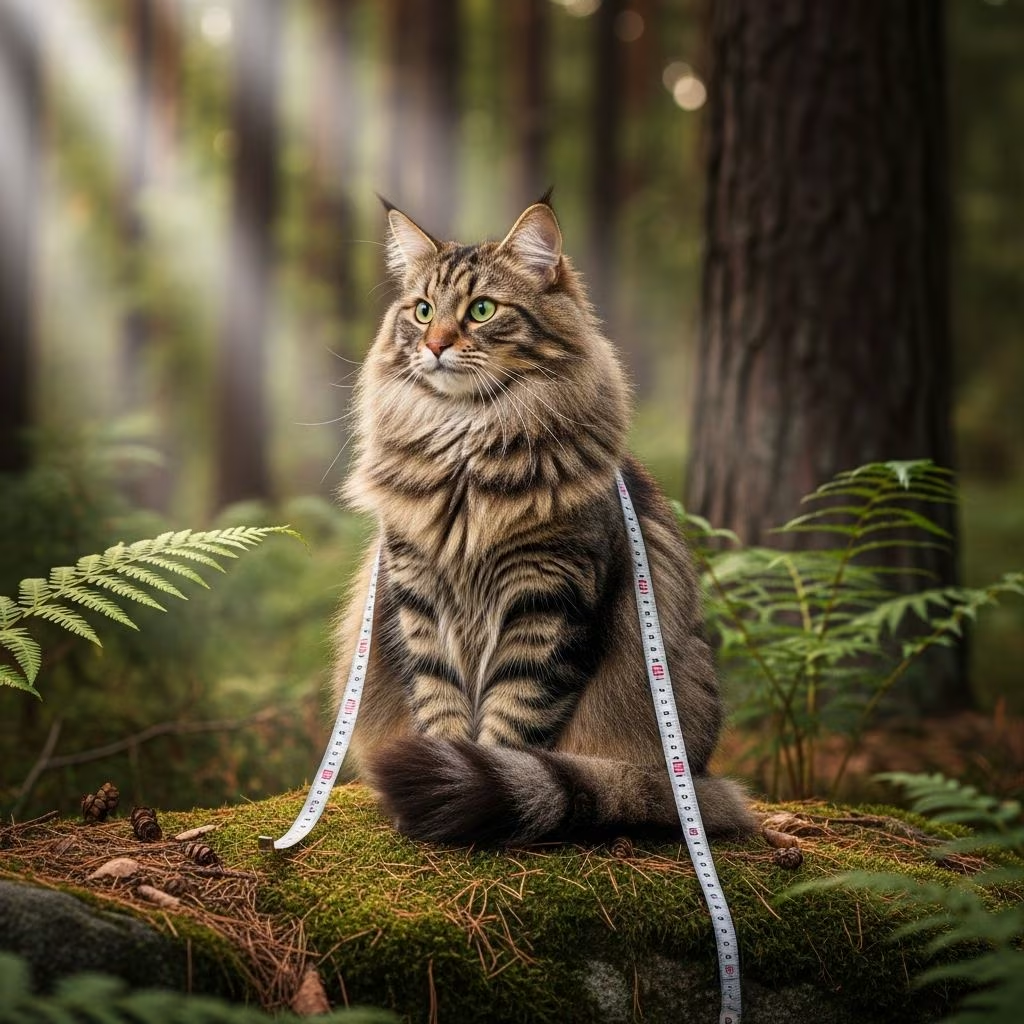
The Norwegian Forest Cat stands out as one of the largest domestic breeds, characterized by its robust frame, substantial weight, and impressive height that reflect its rugged heritage in Scandinavia’s harsh environments. These cats typically reach weights of 9 to 22 pounds, with males often larger than females, and they take several years to fully mature.
Physical Build and Key Measurements
Norwegian Forest Cats possess a muscular, rectangular body with a broad chest, long legs, and a bushy tail that enhances their imposing presence. Males measure 13 to 16 inches tall at the shoulder, while females range from 9 to 12 inches, and their overall length can extend up to 36 inches including the tail.
- Weight Ranges: Males: 13-22 pounds; Females: 8-18 pounds
- Height at Shoulder: Males: 13-16 inches; Females: 9-12 inches
- Body Length: Up to 36 inches from nose to tail tip
- Maturation Age: Full size achieved around 5 years
This sturdy construction, with hind legs longer than the front, gives them a slightly elevated rump, ideal for climbing and navigating snowy terrains.
Historical Roots Shaping Their Size
Originating from Norway’s forests, these cats evolved naturally over centuries as skilled hunters, adapting to cold climates with their large size providing insulation and strength for survival. Known locally as ‘skogkatt’ or ‘wegie’ in some regions, they were vital for controlling rodents on farms and Viking ships, selecting for traits like dense fur and powerful builds without human breeding intervention until the 20th century.
Their natural selection favored a double coat—coarse, water-repellent outer layer over a woolly undercoat—paired with a heavy-boned frame to withstand winters, contributing to their greater mass compared to slimmer domestic cats.
Comparing to Average Domestic Cats
While typical domestic cats weigh 6-10 pounds and measure around 20-28 inches in length, Norwegian Forest Cats significantly exceed these averages, often doubling the weight of mixed-breed felines. This size disparity stems from their specialized evolution versus the diverse, often smaller genetics of house cats.
| Feature | Norwegian Forest Cat | Average Domestic Cat |
|---|---|---|
| Male Weight | 13-22 lbs | 8-10 lbs |
| Female Weight | 8-18 lbs | 6-9 lbs |
| Shoulder Height | 9-16 in | 9-10 in |
| Body Style | Muscular, rectangular | Slender, agile |
| Maturation | 5 years | 1-2 years |
Domestic shorthairs prioritize speed and agility for hunting, resulting in lighter frames, whereas Norwegian Forest Cats emphasize endurance and power.
Growth Stages and Development Timeline
Kittens start small but grow steadily, reaching adolescence around 1 year before continuing to bulk up until age 5. Early growth focuses on bone structure, followed by muscle development and coat thickening.
- Birth to 3 Months: Rapid weight gain, doubling or tripling birth weight
- 3-12 Months: Height increases, legs lengthen for climbing ability
- 1-3 Years: Muscle fills out, chest broadens
- 3-5 Years: Peak size, full coat density achieved
Owners should monitor diet to support healthy expansion without obesity, as their slow maturation demands sustained nutrition.
Coat and Coloration Variety
Complementing their size, the breed’s luxurious double coat comes in diverse hues, excluding rare patterns like chocolate or lilac in purebreds. Common varieties include solids, tabbies, calicos, and smokes, with almond-shaped eyes in greens, golds, or coppers.
- Tabby patterns with bold stripes
- Bi-color combinations
- Tortoiseshell mixes
- Solid shades like black or white
The fur’s lynx-like ear tufts and ruff add to their majestic look, providing waterproofing essential for their ancestral watery hunts.
Temperament Tied to Physicality
Despite their grandeur, these cats exhibit gentle, sociable natures, bonding deeply with families and tolerating children well. Their intelligence shines in problem-solving and leash training, while high energy suits active homes with climbing opportunities.
They balance independence with affection, often perching high to survey surroundings, leveraging their powerful legs and claws for agility unmatched by smaller breeds.
Caring for a Large Breed Cat
Nutrition Needs
Larger frames require calorie-dense, protein-rich food to fuel growth and maintain muscle. Feed portions scaled to weight—about 20-30 calories per pound daily—and split into meals to prevent overeating.
Grooming Routine
Weekly brushing prevents matting in their thick coats, especially during seasonal sheds. Check paws for tufts and ears for cleanliness.
Exercise and Environment
Provide tall cat trees, window perches, and interactive toys to mimic forest exploration. Their climbing prowess demands vertical space.
Health Monitoring
Prone to hip dysplasia and heart issues due to size, regular vet checks from kittenhood ensure longevity of 14-16 years. Glycogen storage disease affects some lines; choose reputable breeders.
Ideal Homes for Majestic Giants
Families with space, patience for slow growers, and commitment to grooming thrive with this breed. They adapt to cold climates best but enjoy indoor comforts with outdoor access via enclosures.
Not ideal for tiny apartments lacking height, but perfect for rural or suburban settings where their hunting instincts can play out safely.
Frequently Asked Questions
How large can a Norwegian Forest Cat grow?
Males reach up to 22 pounds and 16 inches tall, females up to 18 pounds and 12 inches, fully maturing at 5 years.
Do they outsize Maine Coons?
Similar in scale, but Norwegian Forest Cats have distinct triangular heads and longer hind legs versus Maine Coons’ squared features.
Are they suitable for apartments?
Possible with ample vertical space and stimulation, though they prefer room to roam.
What colors are accepted?
Most except chocolate, lavender, or pointed patterns; tabby and solid are popular.
How often do they shed?
Moderately year-round, heavily in spring and fall; regular brushing helps.
Choosing Your Norwegian Forest Cat
Seek CFA-registered breeders emphasizing health testing. Kittens should show balanced proportions early. Adoption from rescues offers mature insights into size impacts.
Budget for larger litter boxes, beds, and carriers—standard sizes won’t suffice long-term.
References
- Norwegian Forest Cat Size vs Normal Cat: Just How Big Are They? — A-Z Animals. 2023. https://a-z-animals.com/blog/norwegian-forest-cat-size-vs-normal-cat-just-how-big-are-they/
- Size, Personality, and Unique Colors for the Norwegian Forest Cat — Embrace Pet Insurance. 2024. https://www.embracepetinsurance.com/cat-breeds/norwegian-forest-cat
- Norwegian Forest Cats Guide: Size, History & Personality — World’s Best Cat Litter. 2023. https://www.worldsbestcatlitter.com/blog/norwegian-forest-cats-guide/
- Norwegian Forest Cat — Wikipedia (referencing CFA standards). 2024. https://en.wikipedia.org/wiki/Norwegian_Forest_Cat
- What to Know About Norwegian Forest Cats — WebMD. 2023. https://www.webmd.com/pets/cats/what-to-know-about-norwegian-forest-cats
- Norwegian Forest Cat — Cat Fanciers’ Association (official breed standard). 2024. https://cfa.org/breed/norwegian-forest-cat/
- Norwegian Forest Cat Breed Information — Purina UK. 2024. https://www.purina.co.uk/find-a-pet/cat-breeds/norwegian-forest



