

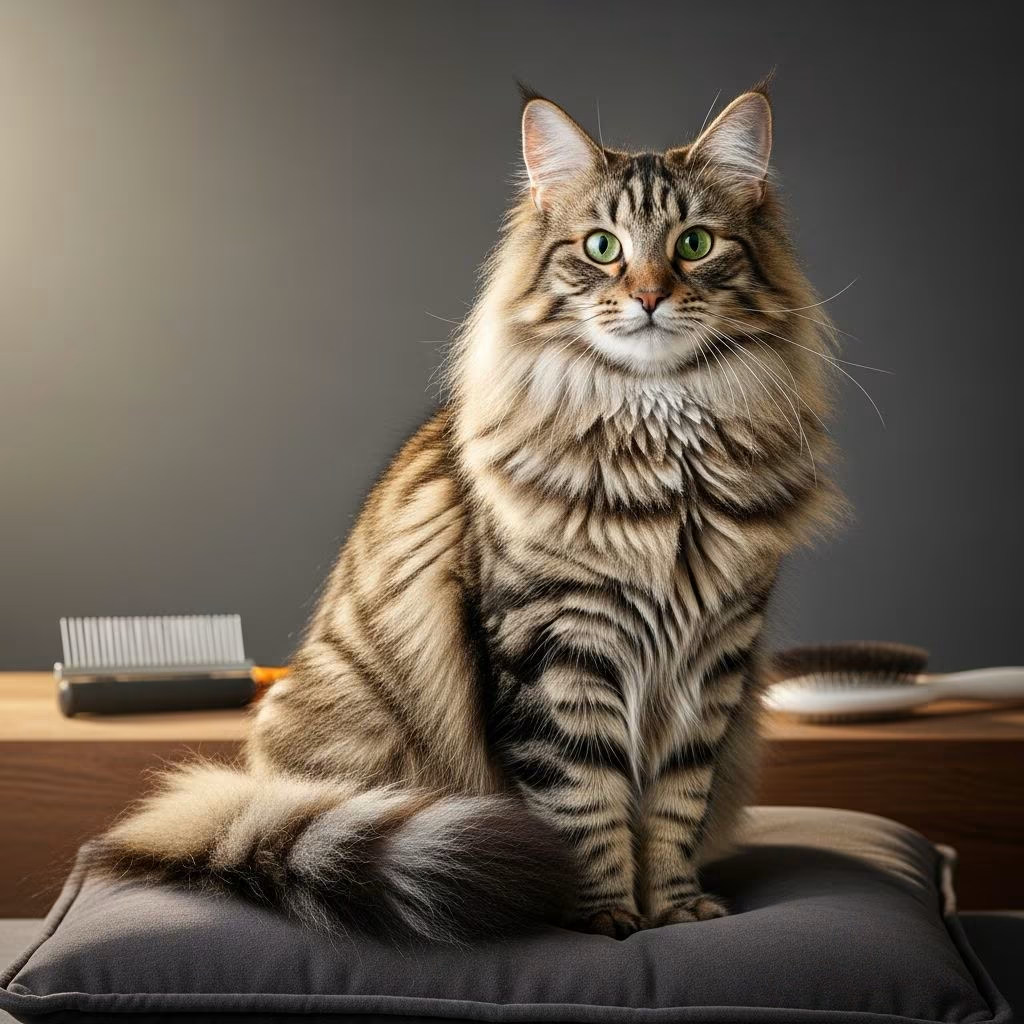
The Norwegian Forest Cat boasts a stunning double-layered coat adapted for harsh Nordic climates, featuring water-repellent guard hairs and a dense, insulating undercoat. Proper care keeps this fur healthy, reduces shedding, and prevents mats, enhancing your cat’s comfort and appearance.
Understanding the Unique Fur Structure
These natural-bred felines developed their fur over centuries to survive cold, wet environments. The outer layer repels moisture while the soft undercoat traps warmth. Tufted ears and paws add extra protection. Despite the length, their coat resists matting thanks to natural oils and self-grooming instincts.
Seasonal shedding peaks in spring and fall, mimicking wild ancestors rubbing against trees. Indoor cats retain more loose fur, necessitating owner intervention for hygiene.
Essential Brushing Techniques and Tools
Regular brushing removes dead hair, distributes oils, and stimulates skin circulation. Aim for sessions 2-3 times weekly, increasing to daily during shed seasons.
- Wire-bristle brush: Ideal for capturing loose undercoat without snagging.
- Metal comb: Works through dense fur to detangle.
- Slicker brush: Smooths topcoat post-combing.
- Deshedding tool: Use sparingly on heavy shedders to avoid over-thinning.
Start early in kittenhood for tolerance. Hold skin taut, brush in growth direction, and reward with treats or play. Focus on flanks, belly, tail, and ‘pants’ on hind legs where mats form.
| Tool | Best For | Frequency |
|---|---|---|
| Wire-bristle | Undercoat removal | 2-3x/week |
| Metal comb | Detangling | Weekly |
| Slicker | Topcoat finish | After combing |
| Deshedder | Heavy shedding | Seasonal |
Bathing Basics for the Water-Resistant Coat
Rarely needed due to self-cleaning and dirt resistance, bathe only if soiled from outdoor play. Their fur’s structure makes drying challenging, so use cat-specific shampoo and lukewarm water.
Many enjoy water; place in a shallow tub with toys. Thorough towel-drying or low-heat blow-drying prevents chills. Professional groomers excel at full grooms for thick coats.
- Brush thoroughly pre-bath to loosen debris.
- Wet gradually, avoiding head.
- Lather gently, rinse completely.
- Dry with absorbent towels and comb while damp.
Dental Hygiene to Complement Coat Care
Oral health impacts overall wellness, including skin condition. Daily brushing prevents plaque, reducing bacteria that dull fur.
- Use feline toothpaste (poultry-flavored) and soft brush.
- Introduce via finger gauze with food lure.
- Gently lift lips; focus on outer surfaces.
- Supplements like dental chews aid if brushing resists.
Annual vet checks catch issues early.
Nail Maintenance and Scratching Solutions
Large paws demand sturdy posts for natural filing. Trim if not scratching enough: clip only clear tips, avoiding quick.
Provide varied posts—sisal, cardboard—for preference. Declawing harms; opt for soft caps as alternative.
Nutrition’s Role in Fur Vitality
Premium diets rich in omega-3s/6s from fish oils promote glossy coats and cut shedding. Proteins support hair growth; avoid fillers causing dullness.
Consult vets for breed-specific formulas. Hydration via wet food aids skin moisture.
| Nutrient | Benefit | Sources |
|---|---|---|
| Omega fatty acids | Shine, reduced itch | Fish oil, salmon |
| High protein | Strong hair shafts | Meat-based kibble |
| Zinc/Biotin | Skin barrier | Supplemented feeds |
Professional Grooming When Home Care Falls Short
For mats, seniors, or obesity limiting self-grooming, seek cat-savvy groomers. They trim sanitary areas, thin heavy fur, and demat safely—never full shaves, which disrupt insulation.
Fear-free methods use pheromone sprays and gentle handling. Schedule bi-annually or as needed.
Seasonal Adjustments and Shedding Management
Winter thickens coats; brush weekly. Spring ‘blow coat’ demands daily passes. Vacuum surroundings; lint rollers for furniture.
Enrichment like climbing trees mimics wild rubbing, aiding loose fur removal.
Common Pitfalls and How to Avoid Them
- Over-brushing: Irritates skin; follow guidelines.
- Wrong tools: Cause breaks; match to coat.
- Neglect belly: Prime mat zone; access gently.
- Poor diet: Leads to excess oil/shed; prioritize quality.
Health Monitoring Through Grooming
Sessions reveal lumps, fleas, or allergies via redness/flakes. Note changes in shedding or texture for vet alerts.
FAQs
How often should I brush my Norwegian Forest Cat?
2-3 times weekly minimum, daily in shedding seasons for optimal results.
Do Norwegian Forest Cats need baths?
Infrequently; only when dirty, as their coat repels water naturally.
Can I shave my cat’s coat?
Avoid full shaves; harms temperature regulation. Pros handle trims.
What diet best supports their fur?
High-protein with omegas for shine and reduced shedding.
How to trim nails safely?
Clip tips only; use posts primarily.
Holistic Environment for Peak Coat Condition
Vertical spaces, toys, and safe outdoors boost activity, aiding grooming reach. Stress-free homes yield healthier fur.
References
- Norwegian Forest Cats: Top Tips for Caring for These Magical Creatures — Seidr Katts. 2023-05-15. https://www.seidrkatts.co.uk/post/norwegian-forest-cats-top-tips-for-caring-for-these-magical-creatures
- Norwegian Forest cat grooming—tips for a healthy coat — Untamed. 2024-02-10. https://untamed.com/blogs/cat-breeds/norwegian-forest-cat-grooming
- Norwegian Forest Cat Grooming Tips: A Quick Guide — Catster. 2024-08-20. https://www.catster.com/lifestyle/norwegian-forest-cat-grooming-tips/
- Brushing Norwegian Forest Cats | Roy and Moss — YouTube (thenorwegians.royandmoss). 2022-11-12. https://www.youtube.com/watch?v=7Ib4ihqos5E
- Full Groom On A Norwegian Forest Cat — YouTube. 2023-06-05. https://www.youtube.com/watch?v=bW9K8AA4q-M



