

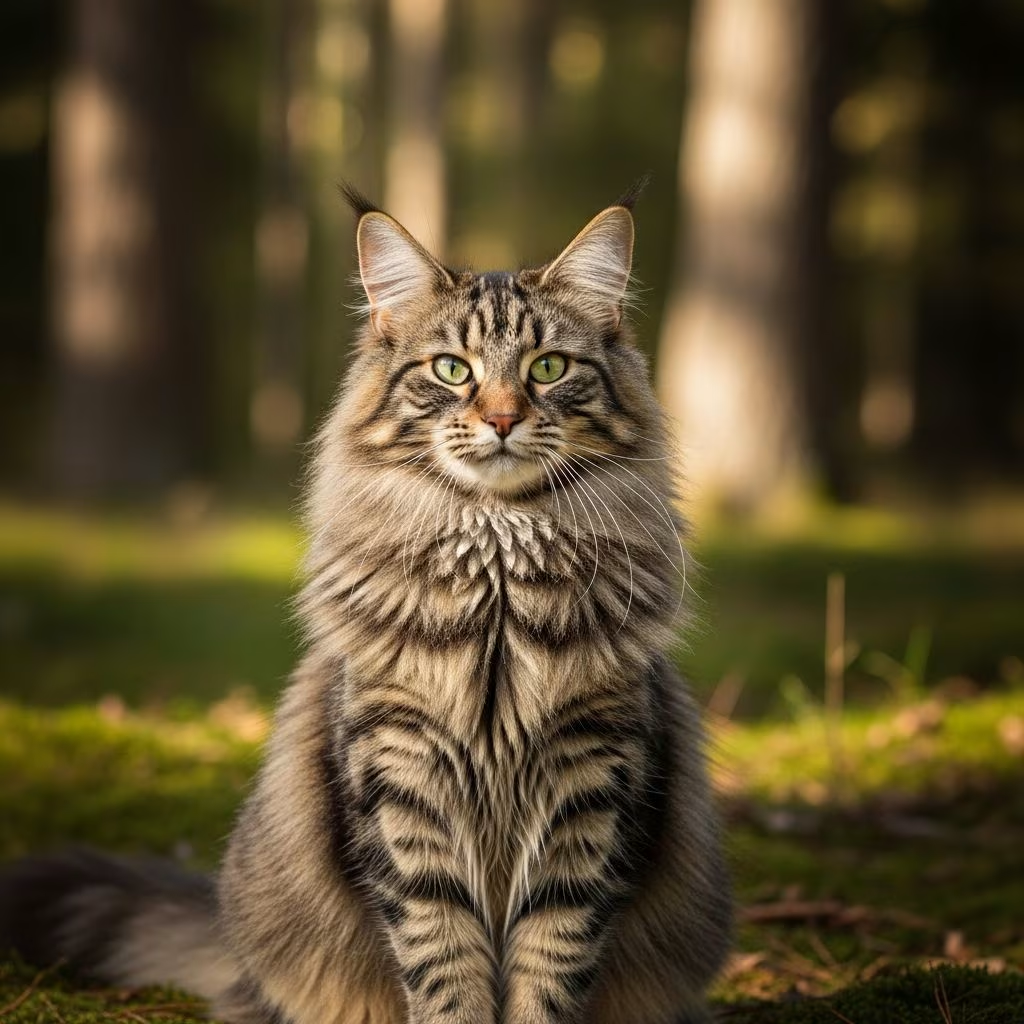
Norwegian Forest Cat: A Complete Breed Guide
The Norwegian Forest Cat, affectionately known as a “Wegie,” is one of the most captivating and distinctive cat breeds in the world. With their impressive size, luxurious double coat, and intelligent personality, these majestic felines have captured the hearts of cat enthusiasts globally. Originally native to the forests of Norway and Northern Europe, these remarkable cats have a rich history intertwined with Viking heritage and Norse legends. Today, they continue to charm families and individuals with their unique combination of wild appearance and affectionate nature. Whether you’re considering adopting a Norwegian Forest Cat or simply want to learn more about this fascinating breed, this comprehensive guide covers everything you need to know.
History and Origins
The Norwegian Forest Cat has a storied past that reflects its Scandinavian homeland. Historical records suggest that these cats traveled alongside Vikings, serving as skilled mousers on Viking ships during their seafaring voyages. This practical partnership ensured that grain stores remained protected from rodents during long journeys across the seas. Over centuries, Norwegian Forest Cats adapted to the harsh Nordic climate and rugged forest environments of Norway and other Northern European regions. Their evolution in these demanding conditions resulted in the development of their distinctive physical characteristics, including their water-repellent coat and powerful build. The breed was officially recognized and developed as a distinct cat breed during the 20th century, eventually gaining acceptance by major cat registries. Today, Norwegian Forest Cats represent an important part of Nordic cultural heritage and remain highly valued throughout Scandinavia and beyond.
Physical Appearance and Characteristics
Norwegian Forest Cats are unmistakably striking in appearance, combining an athletic build with luxurious features that make them instantly recognizable among cat breeds.
Size and Body Structure
Adult Norwegian Forest Cats are considerably larger than average domestic cats. Males typically weigh between 4.5 to 9 kilograms (9.9 to 19.8 pounds), while females are somewhat smaller, ranging from 3.6 to 8 kilograms (7.9 to 17.6 pounds). The breed features a long, sturdy body supported by well-muscled legs with a distinctive structure: the hind legs are notably longer than the front legs, creating a rump that sits higher than the shoulders. This unique leg configuration, combined with their substantial bone structure and powerful appearance, gives Norwegian Forest Cats an imposing yet graceful silhouette. The broad chest and considerable girth create an impression of strength without obesity. It’s important to note that Norwegian Forest Cats are a slow-maturing breed, not reaching their full adult size and development until approximately five years of age.
Head and Facial Features
The head of a Norwegian Forest Cat forms an equilateral triangle, with all sides measuring equally from the base of the ears to the tip of the chin. This distinctive triangular head shape is one of the breed’s most recognizable features. The nose profile is characteristically straight, running from the brow ridge to the tip without any break in line. The flat forehead continues into a gently curved skull, and the chin is firm and properly aligned with the front of the nose, creating a strong, defined jawline. When viewed from the side, Norwegian Forest Cats display a sleek appearance with a straight profile that slopes downward at an angle from the brow bone to the nose tip. The ears are medium to large, rounded at the tips, and broad at the base. They are positioned as much on the sides of the head as on top, giving the breed an alert and attentive expression. Large, tufted ear tips resemble those of the lynx, adding to their wild appearance.
Coat and Coloring
The coat of a Norwegian Forest Cat is perhaps its most defining feature. These cats possess a luxuriantly thick double coat consisting of a silky, water-repellant overcoat layered over a dense undercoat. This structure provided natural protection when the breed lived in forest environments, offering insulation against harsh Nordic winters. The coat varies significantly in length depending on the season, typically becoming fuller and thicker in winter months. Norwegian Forest Cats typically feature a prominent frontal ruff around the neck and fluffy “britches” on their hind legs, along with tufted paws featuring substantial fur between the toes. The abundance of fur makes these cats appear even larger than their actual size.
Norwegian Forest Cats come in various color patterns and combinations. Common colorations include classic tabby patterns with dense, clearly defined markings. Silver patted tabbies feature a pale silver ground color with classic or mackerel tabby markings in dense black with patches of red and cream. Smoke patterns display a white undercoat deeply tipped with color, creating a striking appearance both in repose and in motion. Regardless of coloring, the breed typically features desirable traits such as white ear tufts, a white ruff, and blue or cream-colored nose leather and paw pads.
Eyes and Other Distinctive Features
Norwegian Forest Cats possess large, almond-shaped eyes that may be any color, contributing to their intelligent and alert expression. Their oversized, round paws with heavy tufting between the toes are specially adapted for climbing and provide excellent traction on rough surfaces. The long, bushy tail is broader at the base and serves as an important balancing tool for their excellent climbing abilities. These physical adaptations make Norwegian Forest Cats exceptional climbers, partly because of their strong claws and well-developed musculature.
Personality and Temperament
Beyond their impressive physical appearance, Norwegian Forest Cats possess equally captivating personalities that endear them to their human companions.
Social Behavior and Affection
Norwegian Forest Cats are extremely friendly and affectionate cats, though they express their affection in independent ways. They are not clingy or demanding, but rather choose when to give attention and seek companionship on their own terms. These intelligent felines will seek out their human family members if left alone for too long, demonstrating their desire for connection despite their self-sufficient nature. While they can be lap cats, it will always be the cat’s decision when to climb onto or leave a lap. Norwegian Forest Cats genuinely enjoy being part of their human family’s daily activities, staying nearby and sometimes offering assistance with whatever their people are doing—at least until something more important captures their attention.
Activity Level and Playfulness
Moderately active yet capable of random bursts of energy, Norwegian Forest Cats require adequate stimulation and enrichment to remain happy and healthy. They can entertain themselves with toys, running, hiding, and ambushing prey-like objects that trigger their hunting instincts. These cats genuinely enjoy interactive play and simulated hunting games that tap into their natural predatory behaviors. The breed retains its heritage as hunters at heart, loving to chase toys as if they were real prey. Being territorial by nature, Norwegian Forest Cats patrol their environments several times daily to ensure everything is as it should be. They appreciate room to run, roam, hide, and establish their own spaces within the home.
Vocalizations and Communication
A distinguishing trait of Norwegian Forest Cats is the variety of noises they produce. Their vocalizations range from soft purrs to bird-like chirps when excited, creating a unique communication style. This special quality endears them to owners and showcases their distinct personality. They are slightly talkative cats that use their diverse vocal range to interact with their families.
Social Compatibility
Norwegian Forest Cats are known for their excellent social skills and compatibility with multiple species. They get along well with other cats, dogs, and children, making them suitable for multi-pet households. Their friendly disposition and adaptable nature allow them to adjust to different environments and living situations, though they do thrive best with adequate space and enrichment opportunities.
Ideal Living Environment
Creating the right environment for a Norwegian Forest Cat is essential for their well-being and happiness.
Space Requirements
Norwegian Forest Cats benefit greatly from extensive outdoor space, whether through secure outdoor enclosures, catios, or indoor environments that provide ample room for running and roaming. Their natural inclination toward climbing and exploration makes vertical spaces particularly important. Since these cats have a fondness for high places, providing tall scratching posts, cat trees, or elevated perches is crucial. Without adequate elevated spaces, a Norwegian Forest Cat may decide that the top of your kitchen cabinet is its favorite spot. Indoor Norwegian Forest Cats require environmental enrichment that simulates their natural behaviors, including climbing opportunities, hunting games, and spaces for hiding and exploration.
Enrichment Considerations
Norwegian Forest Cats need high-level enrichment including simulated hunting games and interactive play to prevent boredom and behavioral issues. Providing a variety of toys, puzzle feeders, and interactive games helps satisfy their intelligent minds and hunting instincts. Many owners find that dedicating regular time to interactive play with feather wands, laser toys, and other engaging toys helps meet their exercise and mental stimulation needs.
Grooming and Coat Maintenance
The luxuriant double coat of Norwegian Forest Cats requires consistent grooming attention to maintain its health and appearance. Daily grooming is necessary to prevent matting and tangling, particularly during seasonal coat changes. Regular brushing removes loose hair, distributes natural oils throughout the coat, and helps prevent the development of mats that can become uncomfortable for the cat. Many owners find that establishing a regular grooming routine not only maintains the cat’s coat quality but also provides valuable bonding time. Professional grooming services can be beneficial during heavy shedding seasons when the undercoat sheds heavily.
Nutrition and Weight Management
Norwegian Forest Cats tend to regulate their nutrition well, naturally increasing exercise and reducing food intake when they feel it necessary. However, providing adequate play times and room to run and roam helps prevent obesity-related issues. If given sufficient physical activity and enrichment opportunities, Norwegian Forest Cats typically don’t require strict nutrition plans. Owners should monitor their cat’s body condition and consult with veterinarians regarding appropriate portion sizes and dietary choices based on age, activity level, and individual needs.
Health and Lifespan
With proper care and attention, Norwegian Forest Cats can live long, healthy lives. Their expected lifespan can reach 16 years or more when provided with appropriate veterinary care, nutrition, and environmental enrichment. As with all cat breeds, regular veterinary check-ups help identify and address health concerns early. Prospective owners should discuss breed-specific health considerations with reputable breeders and veterinarians to ensure they are prepared for the long-term commitment of cat ownership.
Suitability for Different Households
Norwegian Forest Cats are great for first-time cat owners who understand their need for space and enrichment. They are particularly well-suited for relaxed home environments where they can express their natural behaviors. However, they are not ideal for family homes with limited space or for individuals who cannot provide adequate interactive time and environmental enrichment. These cats are relatively independent and can be left alone during the day, making them suitable for working individuals who provide sufficient attention during evening and weekend hours. Their sociable nature makes them excellent companions for families, couples, or individuals seeking an interactive and affectionate pet.
Frequently Asked Questions
Q: What is the typical lifespan of a Norwegian Forest Cat?
A: Norwegian Forest Cats typically live 14-16 years or longer with proper care, nutrition, and regular veterinary attention. Some individuals may live into their late teens or early twenties.
Q: Are Norwegian Forest Cats good for families with children?
A: Yes, Norwegian Forest Cats are excellent family pets. They get along well with children and enjoy interactive play. However, their large size means supervision is recommended with very young children, and children should be taught appropriate cat handling.
Q: How much daily grooming do Norwegian Forest Cats need?
A: Norwegian Forest Cats require daily grooming to prevent matting and manage shedding. During seasonal coat changes, additional grooming may be necessary to remove loose undercoat.
Q: Can Norwegian Forest Cats live purely indoors?
A: Yes, Norwegian Forest Cats can adapt to indoor living, but they require extensive vertical spaces, climbing opportunities, and environmental enrichment to remain healthy and happy.
Q: What makes Norwegian Forest Cats different from Maine Coons?
A: While both are large, long-haired breeds, Norwegian Forest Cats have distinctive triangular head shapes, almond-shaped eyes, and a different coat structure. Maine Coons tend to be stockier with different ear set and facial features.
Q: Do Norwegian Forest Cats require special diets?
A: Norwegian Forest Cats generally don’t require special diets if provided with appropriate commercial cat foods and adequate exercise. However, individual cats may have specific nutritional needs discussed with a veterinarian.
Q: Are Norwegian Forest Cats hypoallergenic?
A: No, Norwegian Forest Cats are not hypoallergenic. Their thick double coat and regular shedding make them potentially problematic for individuals with cat allergies.
References
- Norwegian Forest Cat Breed Standard — The Cat Fanciers’ Association. 2024. https://cfa.org/breed/norwegian-forest-cat/
- Norwegian Forest Cat — Wikipedia. 2024. https://en.wikipedia.org/wiki/Norwegian_Forest_Cat
- Norwegian Forest Cat Breed Information — Purina UK. 2024. https://www.purina.co.uk/find-a-pet/cat-breeds/norwegian-forest
- Norwegian Forest Cat Breed — Hill’s Pet Nutrition. 2024. https://www.hillspet.com/cat-care/cat-breeds/norwegian-forest-cat
- What to Know About a Norwegian Forest Cat — WebMD Pets. 2024. https://www.webmd.com/pets/cats/what-to-know-about-norwegian-forest-cats
- Norwegian Forest Cat Breed Information — VCA Animal Hospitals. 2024. https://vcahospitals.com/know-your-pet/cat-breeds/norwegian-forest-cat



