

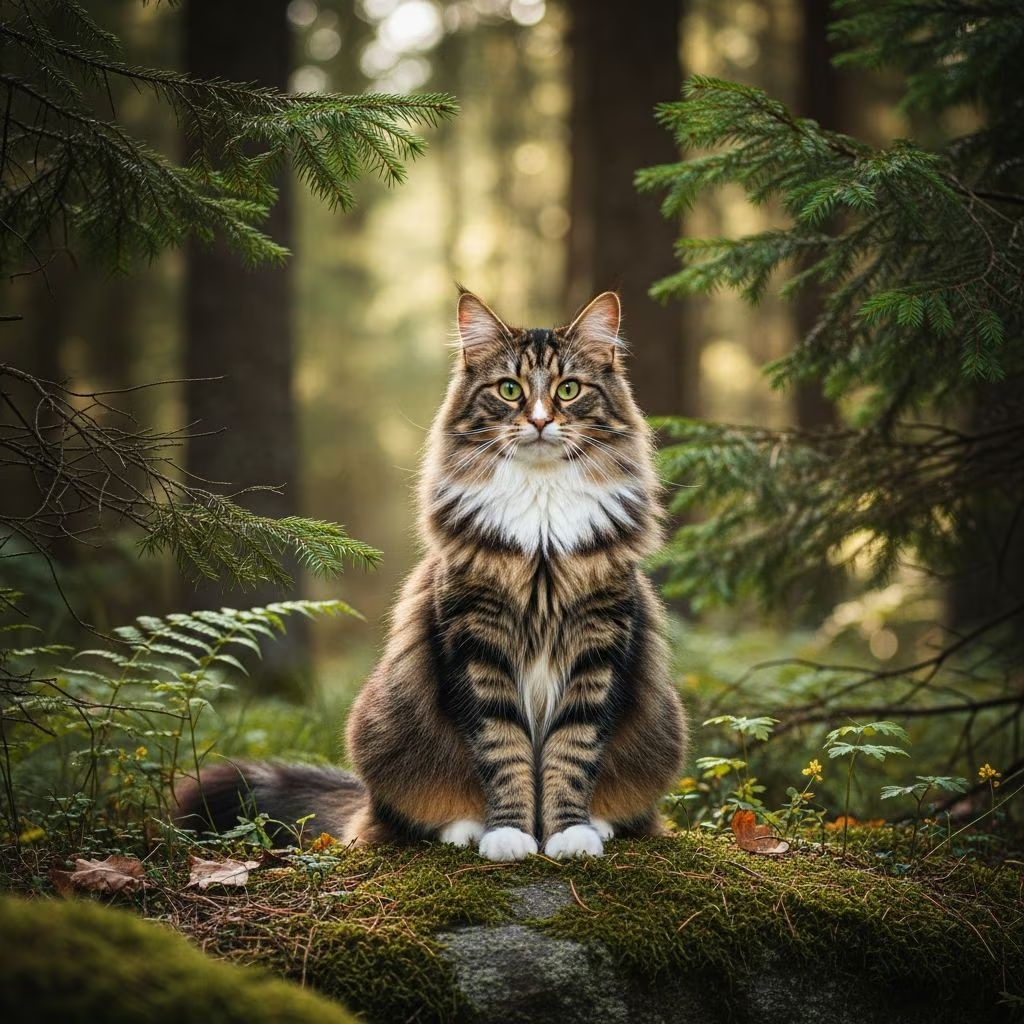
Norwegian Forest Cat: A Complete Breed Guide
The Norwegian Forest Cat, affectionately known as the “Wegie,” is a majestic and intelligent breed that has captured the hearts of cat enthusiasts worldwide. With its distinctive appearance, robust build, and charming personality, this breed represents centuries of adaptation to the harsh Nordic climate. Originally roaming the forests of Norway and Scandinavia, these cats have evolved into beloved domestic companions while maintaining their wild instincts and independent nature.
This comprehensive guide explores everything potential and current owners need to know about Norwegian Forest Cats, from their fascinating history to their specific care requirements and temperament traits.
Breed History and Origins
The Norwegian Forest Cat’s ancestry traces back approximately 1,000 years to the Vikings, who may have brought long-haired cats to Norway from their various expeditions. These cats interbred with local short-haired landrace cats, creating a hardy breed perfectly adapted to the cold Scandinavian environment. The breed’s double coat and robust physique developed naturally over centuries as survival mechanisms against brutal winters and challenging terrain.
Norwegian Forest Cats remained primarily in their native region until relatively recently. The breed was officially recognized and standardized during the mid-20th century, gaining international recognition through cat fancier organizations. Today, these cats are cherished worldwide, though they remain particularly popular in Scandinavia and Northern Europe.
Physical Characteristics and Appearance
Size and Build
Norwegian Forest Cats are among the larger domestic cat breeds, comparable in size to Maine Coons and Siberian cats. Adult females typically weigh between 3.6 to 8 kilograms (7.9 to 17.6 pounds), while males are considerably larger, ranging from 4.5 to 9 kilograms (9.9 to 19.8 pounds). Their substantial bone structure and muscular development give them an impressive, powerful appearance. Notably, Norwegian Forest Cats reach full maturity slowly, often not attaining their complete adult size until approximately five years of age.
Distinctive Head Shape
One of the most recognizable features of the Norwegian Forest Cat is its distinctive head shape. The head forms an equilateral triangle when viewed from the front, with equal measurements from the base of each ear to the chin point. This angular profile sets them apart from other breeds. The chin is firm and strong, aligned with the front of the nose, while the muzzle is of medium length without pronounced whisker pads. Their straight nose profile extends smoothly from the brow ridge to the tip without any break in the line.
Eyes and Ears
Norwegian Forest Cats possess large, almond-shaped eyes that are slightly oblique and may be any color. Their ears are particularly striking—medium to large in size, rounded at the tips, and broad at the base. The ears are positioned somewhat on the sides of the head and feature distinctive tufts of hair at the tips, resembling the ears of a lynx. This lynx-like appearance contributes to their wild, forest-dwelling aesthetic.
The Luxurious Double Coat
The Norwegian Forest Cat’s coat is perhaps its most distinctive feature. This double-layered coat consists of a long, thick, glossy, water-repellent outer layer combined with a woolly undercoat. The undercoat creates a distinctive ruff around the neck and is particularly dense on the legs, chest, and head. The water-resistant properties of this coat developed over centuries to protect these cats from harsh Nordic weather conditions.
Coat coloration varies widely among Norwegian Forest Cats. Common patterns include classic tabby markings, silver patina, cream smoke, and blue-cream patterns. White accents frequently appear as frills and ear tufts. The coat length varies seasonally, with Norwegian Forest Cats developing thicker coats during winter months and shedding considerably during warmer seasons.
Body Structure
The Norwegian Forest Cat’s body is solidly muscled and well-balanced with a moderate length and substantial bone structure. Their legs are medium-length, though notably, the hind legs are longer than the front legs, creating a characteristic rump-high stance. The paws are large and round with heavy tufting between the toes—an adaptation that helps them walk across snow without sinking. The tail is long and bushy, broader at the base, contributing to their striking silhouette.
Temperament and Personality
Independent Yet Affectionate
Norwegian Forest Cats display a unique blend of independence and affection. They are intelligent, friendly, and generally good with people, though they maintain an independent streak reflecting their long history of self-sufficiency. These cats are not clingy in the traditional sense; rather, they make their own decisions about when to seek attention. They may become excellent lap cats, but always on their own terms, choosing when to settle on a lap and when to pursue other interests.
Energy Levels and Activity
Despite their substantial size, Norwegian Forest Cats are moderately active with random bursts of high energy. They remain true to their hunting heritage, entertaining themselves with toys and ambushing games that mimic prey capture. These cats require high levels of enrichment, including simulated hunting games and interactive play to keep them mentally and physically stimulated. Providing tall scratching posts and cat trees is essential, as Norwegian Forest Cats have a strong fondness for high places and may otherwise claim kitchen cabinets as their favorite perches.
Vocalizations
Norwegian Forest Cats are slightly talkative, producing a distinctive variety of vocalizations ranging from soft purrs to high-pitched chirping sounds when excited. This bird-like chirping is a notable characteristic of the breed and often surprises new owners with its intensity and frequency.
Social Behavior
These cats are sociable and generally good with other cats, dogs, and children. However, they value their space and independence. If left alone for extended periods, they will seek companionship, making them suitable for families that spend time at home. They enjoy being part of the human family’s daily activities and appreciate praise while maintaining their territorial nature.
Hunting Instincts and Outdoor Behavior
Norwegian Forest Cats that live primarily outdoors become swift and effective hunters, retaining their ancestral abilities. However, the breed adapts well to indoor living when provided with adequate enrichment and space. Their territorial nature means they like room to patrol and secure, so multi-level homes with windows and outdoor access provide ideal environments.
Their climbing abilities are exceptional, aided by strong claws and powerful hind legs that allow them to descend trees head-first like squirrels—an unusual ability among domestic cats. These climbing skills, combined with their intelligence, require secure environments to prevent escape attempts.
Health Considerations
Norwegian Forest Cats are generally robust and healthy cats. However, like all breeds, they can be prone to certain genetic conditions. Potential owners should seek cats from reputable breeders who conduct health testing. The breed’s slow maturation rate means they don’t reach full adult size and development until approximately five years of age, which should be considered during the kitten and young adult phases.
Providing adequate play times and room to run supports their natural exercise needs. Norwegian Forest Cats tend to self-regulate their nutrition well, increasing exercise and reducing intake when necessary. They typically don’t require strict nutrition plans if provided with adequate space and activity opportunities.
Grooming and Coat Maintenance
The Norwegian Forest Cat’s luxurious double coat requires daily grooming to prevent matting and manage shedding. During seasonal transitions, particularly when shedding heavier coats, more frequent brushing sessions become necessary. Regular grooming not only maintains coat health but also provides bonding opportunities with these intelligent cats.
Beyond coat care, routine nail trimming, ear cleaning, and dental hygiene should be part of regular maintenance. Particular attention should be paid to the tufts of hair in their ears, which can accumulate debris.
Living Environment Requirements
Space and Enrichment
Norwegian Forest Cats thrive in environments that provide extensive outdoor space or large indoor spaces with vertical elements. These active, inquisitive cats need room to climb, run, hide, and ambush toys. Tall cat trees, multiple perches, and window access are essential for their well-being. Apartments without adequate height or space may not suit this breed’s exercise and enrichment needs.
Home Type Suitability
Norwegian Forest Cats are best suited to homes where they receive regular interaction and engagement. While they can be left alone during work hours, they are not ideal for families that work long days regularly. They fit well in relaxed home environments where their independent but social nature can flourish. Homes with gardens or outdoor access provide additional space for their natural behaviors.
Suitability as Family Pets
| Factor | Rating | Notes |
|---|---|---|
| First-time cat owners | Great | Independent nature makes them forgiving of beginner mistakes |
| Families with children | Good | Patient and gentle, though require space and supervision |
| Multi-pet households | Very Good | Generally get along well with other cats and dogs |
| Apartment living | Fair | Need significant vertical space and enrichment |
| Busy professionals | Fair | Can be left during work days but need enrichment |
| Active outdoor enthusiasts | Excellent | Perfect for homes with outdoor access and gardens |
Training and Intelligence
Norwegian Forest Cats are highly intelligent and can learn commands and behaviors through positive reinforcement. However, their independent nature means they respond best to motivation rather than strict obedience. Interactive play and puzzle feeders engage their problem-solving abilities. Training should accommodate their autonomous personality—these cats participate in activities because they choose to, not because they feel obligated.
Frequently Asked Questions
Q: How much does a Norwegian Forest Cat cost?
A: Norwegian Forest Cat kittens from reputable breeders typically cost between $600 to $2,000 USD, depending on pedigree, location, and breeder reputation. Adoption from rescue organizations may offer lower costs.
Q: Are Norwegian Forest Cats good indoor cats?
A: Yes, they adapt to indoor living when provided with adequate space, vertical elements, enrichment, and interactive play. However, they thrive best in homes with outdoor access or significant indoor space.
Q: How long do Norwegian Forest Cats live?
A: Norwegian Forest Cats typically live 12 to 18 years, with some reaching into their early 20s with proper care.
Q: Do Norwegian Forest Cats get along with other pets?
A: Yes, they generally get along well with other cats and dogs, especially when socialized early. However, individual personality varies.
Q: Why is grooming so important for this breed?
A: Their double coat requires daily brushing to prevent matting, manage shedding, and maintain skin health. Neglecting grooming can lead to mats, skin issues, and excessive hair loss.
Q: Can Norwegian Forest Cats climb down trees headfirst?
A: Yes, they are one of the few cat breeds capable of descending trees head-first like squirrels, thanks to their powerful hind legs, excellent balance, and climbing abilities.
Q: Are Norwegian Forest Cats suitable for first-time cat owners?
A: Yes, they are considered great for first-time owners because of their independent, forgiving nature and adaptability to various living situations.
Conclusion
The Norwegian Forest Cat represents a unique blend of wild heritage and domestic companionship. These intelligent, independent, and affectionate cats bring personality and presence to any home that can accommodate their need for space, enrichment, and engagement. With their striking appearance, robust build, and distinctive double coat, Norwegian Forest Cats are instantly recognizable and deeply rewarding companions. Whether you’re drawn to their lynx-like ears, their impressive climbing abilities, or their charming chirping vocalizations, these remarkable cats offer a unique pet-ownership experience that extends far beyond typical feline companionship.
References
- Norwegian Forest Cat — Wikipedia. Accessed 2025. https://en.wikipedia.org/wiki/Norwegian_Forest_Cat
- Norwegian Forest Cat Breed Standard — The Cat Fanciers’ Association (CFA). Accessed 2025. https://cfa.org/breed/norwegian-forest-cat/
- Norwegian Forest Cat Breed Information — Purina UK. Accessed 2025. https://www.purina.co.uk/find-a-pet/cat-breeds/norwegian-forest
- Norwegian Forest Cat Breed Guide — Hill’s Pet Nutrition. Accessed 2025. https://www.hillspet.com/cat-care/cat-breeds/norwegian-forest-cat
- 12 Fun Facts About Norwegian Forest Cats — YouTube. Accessed 2025. https://www.youtube.com/watch?v=vdexdkfSlE4



