

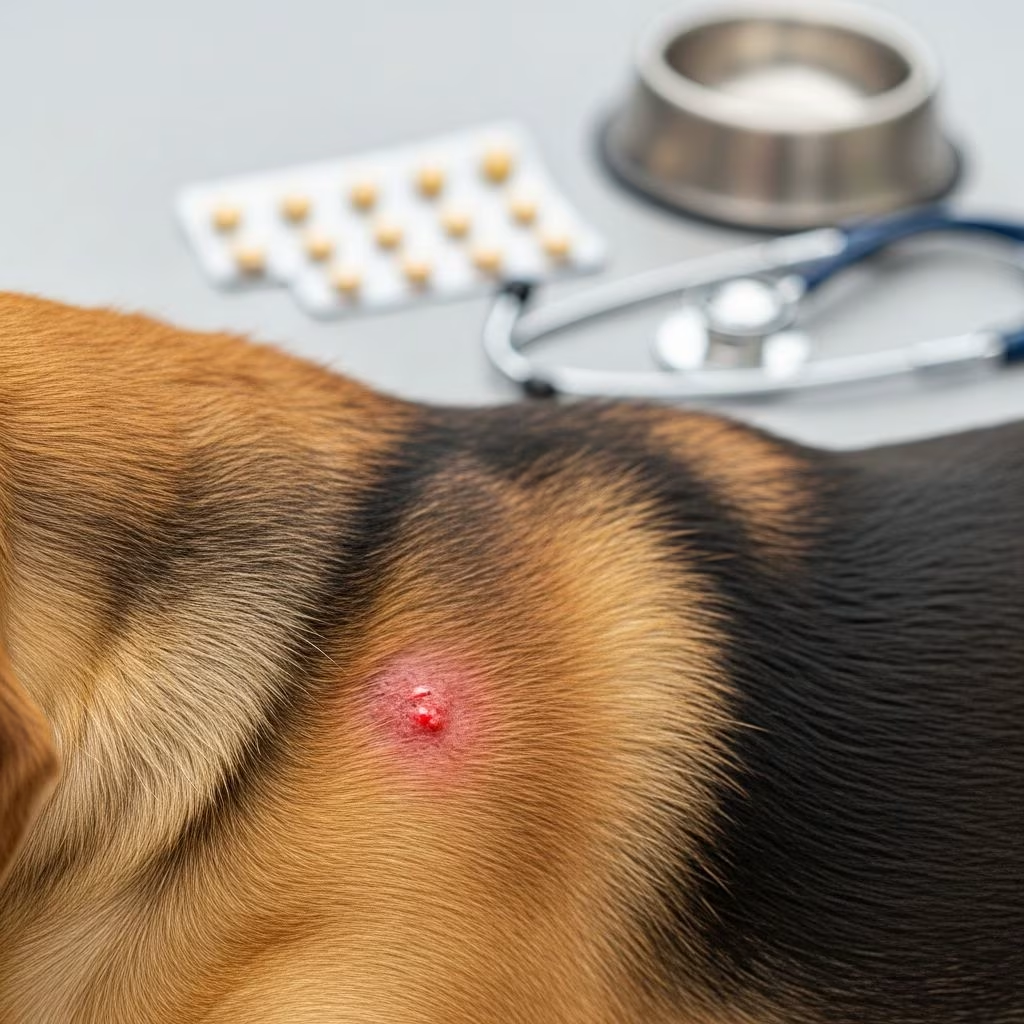
Bacterial skin infections, commonly known as pyoderma, affect many dogs and require targeted antibiotic therapy like Noroclav, a combination of amoxicillin and clavulanic acid, to restore skin health. This medication targets resistant bacteria while supporting overall recovery through proper dosing and adjunctive care.
Understanding Canine Skin Infections
Dogs frequently develop skin infections due to factors like allergies, fleas, hormonal imbalances, or moisture-trapped areas, leading to symptoms such as redness, itching, pustules, and hair loss. Superficial pyodermas involve the skin’s outer layers, while deep ones penetrate follicles, often needing more aggressive intervention. Early recognition through signs like foul odor, crusting, or licking prevents worsening into chronic conditions.
Common culprits include Staphylococcus pseudintermedius, which can become methicillin-resistant (MRSP), complicating treatment. Underlying issues must be addressed alongside antibiotics to avoid recurrence, as infections often stem from compromised skin barriers.
What is Noroclav and How Does it Work?
Noroclav, a beta-lactam antibiotic pairing amoxicillin with clavulanic acid, combats a broad spectrum of bacteria by inhibiting cell wall synthesis while the clavulanate blocks resistance enzymes. This duo excels against staphylococci and streptococci prevalent in canine pyodermas, making it suitable for empirical use in initial cases before culture confirmation.
In veterinary practice, it’s favored for its oral administration ease and efficacy in both superficial and deep infections, often resolving symptoms within 1-2 weeks when combined with topicals.
Recognizing When Noroclav is Needed
Veterinarians prescribe Noroclav for confirmed or suspected bacterial overgrowth via cytology or culture, especially if first-line cephalosporins fail. Indicators include non-responsive itching, oozing lesions, or systemic signs like lethargy. Always perform skin scrapes or biopsies to rule out mites, fungi, or allergies mimicking infection.
- Superficial signs: Pustules, scaling, mild redness.
- Deep signs: Draining tracts, pain, fever.
- Resistant cases: History of prior antibiotics without full resolution.
Administering Noroclav: Dosage and Protocols
Standard dosing is 12.5-25 mg/kg of combined active ingredients every 12 hours, adjusted by weight and severity, typically for 3-6 weeks or until 7-14 days post-resolution. Tablets come in various strengths (e.g., 50mg, 250mg), given with food to enhance absorption and reduce stomach upset.
| Dog Weight (kg) | Approx. Dose (mg every 12h) | Tablet Example |
|---|---|---|
| 5-10 | 62.5-125 | 1x 50mg or 1x 125mg |
| 10-20 | 125-250 | 1x 250mg |
| 20-40 | 250-500 | 2x 250mg |
Complete the full course to prevent resistance; pulse therapy is discouraged. Monitor via rechecks at 2 weeks.
Enhancing Treatment with Topical Therapies
Topicals like 2-4% chlorhexidine shampoos bathe away crusts and kill surface bacteria, often allowing standalone superficial treatment or shortening systemic needs. Use every 1-3 days, followed by leave-on rinses.
- Benzoyl peroxide or sulfur shampoos for oily skin.
- Mupirocin ointment for localized lesions.
- Amikacin sprays (5mg/mL in Tris-EDTA) for resistant spots.
For hot spots, combine with hydrocortisone sparingly. Clean bedding daily aids prevention.
Managing Side Effects and Precautions
Common effects include vomiting, diarrhea, or appetite loss, usually mild and resolvable by dosing with meals. Rare allergies manifest as facial swelling or hives—discontinue immediately. Avoid in penicillin-sensitive dogs or those with liver issues; use caution in dehydrated pets.
Probiotics support gut health during therapy. Hydration and bland diets mitigate GI upset.
Preventing Recurrence of Skin Infections
Address root causes: flea control, hypoallergenic diets, or immunotherapy for atopy. Regular grooming, moisturizing dry skin, and weekly chlorhexidine wipes maintain barriers. Avoid overbathing dry-coated breeds, opting for mousses.
Alternatives When Noroclav Isn’t Suitable
For resistance, culture guides options like cefpodoxime (5-10mg/kg daily), clindamycin, or sulfonamides. Fluoroquinolones are last-resort due to poor gram-positive efficacy. Topicals dominate mild cases.
| Antibiotic | Dose | Use Case |
|---|---|---|
| Cefpodoxime | 5-10 mg/kg q24h | First-line alternative |
| Clindamycin | Sensitivity-based | MRSP if sensitive |
| Trimethoprim-sulfa | 15-30 mg/kg q12h | Potentiated for deep |
Real-World Success Stories and Veterinary Insights
Studies show 50%+ improvement in MRSP cases within 2 weeks using chlorhexidine plus systemic antibiotics. Owners report rapid itch relief with Noroclav combos, emphasizing compliance. Consult vets for tailored plans, as breeds like Bulldogs are prone.
FAQs on Noroclav for Dog Skin Issues
Can Noroclav treat hot spots?
Yes, alongside clipping and topicals; 3-7 days often suffice.
How long until improvement?
Visible changes in 3-5 days; full course mandatory.
Is it safe for puppies?
Generally post-weaning; vet dose adjustment needed.
What if my dog vomits after dosing?
Give with food or switch to liquid form.
Can I use human amoxicillin-clavulanate?
No—dosing and purity differ; vet-only.
Holistic Support for Skin Health
Omega-3 supplements reduce inflammation; hypoallergenic shampoos prevent flares. Regular vet dermatology checks catch issues early.
References
- Treating Resistant Skin Infections in Dogs — Today’s Veterinary Practice. 2023. https://todaysveterinarypractice.com/dermatology/treating-resistant-skin-infections-in-dogs/
- Management of Skin Infections Dogs — Pet Dermatology Clinic. 2023. https://www.petdermatologyclinic.com/management-of-skin-infections-dogs
- Pyoderma in Dogs — VCA Animal Hospitals. 2023. https://vcahospitals.com/know-your-pet/pyoderma-in-dogs
- Table 4: Antimicrobials for Skin Infections in Dogs — AAHA. 2023. https://www.aaha.org/resources/2023-aaha-management-of-allergic-skin-diseases-in-dogs-and-cats-guidelines/table-4-antimicrobials-for-skin-infections-in-dogs/
- Systemic treatment of bacterial skin infections of dogs and cats — PubMed. 2021-10-15. https://pubmed.ncbi.nlm.nih.gov/34644990/
- Skin Infections in Dogs — PetMD. 2023. https://www.petmd.com/dog/conditions/skin/skin-infections-dogs
- Antibacterials for Integumentary Disease in Animals — Merck Veterinary Manual. 2023. https://www.merckvetmanual.com/pharmacology/systemic-pharmacotherapeutics-of-the-integumentary-system/antibacterials-for-integumentary-disease-in-animals



