

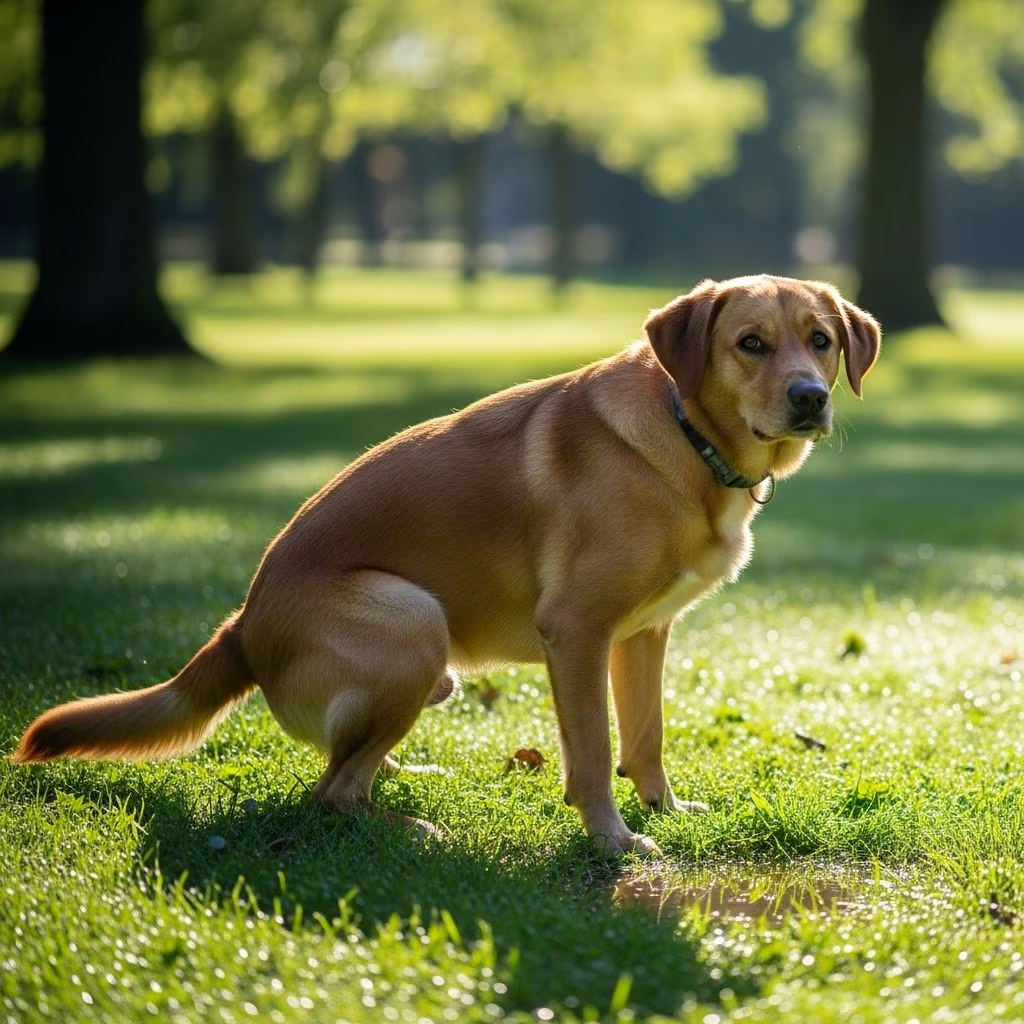
Understanding how often your dog should urinate is key to maintaining their health and spotting potential problems early. Healthy dogs follow predictable patterns influenced by age, size, diet, and activity, but deviations can indicate issues ranging from minor behavioral changes to serious medical conditions. This guide breaks down normal habits, factors at play, warning signs, and steps for proactive care.
Establishing Baseline Urination Patterns in Dogs
Dogs’ urination needs vary widely, but benchmarks exist for healthy individuals. Adult dogs typically eliminate **3 to 5 times daily**, holding urine for **6-8 hours** during rest periods. This equates to about **20-40 milliliters per kilogram of body weight over 24 hours**—roughly 6-12 ounces for a 20-pound dog or 14-28 ounces for a 45-pound one.
Puppies, with underdeveloped bladders, require more frequent outings: every **1-2 hours** initially, extending to **3-4 hours** as they mature. Seniors may need adjustments due to reduced control, often urinating **4-6 times daily** or more if mobility declines.
| Life Stage | Typical Frequency | Hold Time | Daily Volume (per kg body weight) |
|---|---|---|---|
| Puppy (under 6 months) | Every 1-4 hours | 1-4 hours | 20-40 ml |
| Adult | 3-5 times | 6-8 hours | 20-40 ml |
| Senior (over 7 years) | 4-6 times or more | 4-6 hours | 20-40 ml (may vary) |
These figures provide a starting point; track your dog’s habits over a week for personalized baselines, noting time, volume, and color.
Factors Shaping Your Dog’s Peeing Schedule
Several elements influence urination frequency beyond age. **Size matters**: Small breeds like Chihuahuas have tiny bladders, needing trips every **4-6 hours**, while giants like Great Danes manage **8-10 hours**.
- Diet and Hydration: High-protein or sodium foods increase urine output; well-hydrated dogs pee more but produce clearer urine.
- Activity Level: Exercise boosts water intake and metabolism, leading to more frequent needs.
- Breed Predispositions: Breeds prone to kidney issues (e.g., Bulldogs) may urinate differently.
- Environment: Hot weather or stress prompts extra drinking and peeing.
Monitor intake: Dogs need **1 ounce of water per pound daily**, more in heat or after play. Sudden diet shifts can temporarily alter patterns.
Decoding Excessive Urination: Polyuria vs. Pollakiuria
Not all frequent peeing is equal. **Polyuria** involves large urine volumes due to overproduction, often from thirst (polydipsia). **Pollakiuria** means frequent small amounts, signaling irritation. Differentiating helps vets diagnose:
- Polyuria: Large puddles, constant drinking—check for diabetes or kidney disease.
- Pollakiuria: Frequent squatting with dribbles, straining—likely infection or stones.
Other signs include **stranguria** (painful straining) or **incontinence** (leaks without awareness).
Common Medical Causes Behind Frequent Peeing
When patterns shift, health issues may lurk. Prompt vet visits prevent escalation.
Urinary Tract Infections (UTIs)
Bacterial invasions, often E. coli, inflame the bladder (cystitis), causing urgency and small, bloody, smelly urinations. Females are prone due to short urethras; symptoms include genital licking.
Bladder or Urethral Stones/Crystals
Struvite or oxalate formations irritate linings, prompting frequent, strained efforts. Diet impacts pH (ideal 7.0-7.5); imbalances foster growth.
Diabetes Mellitus or Insipidus
Metabolic diabetes spikes blood sugar, increasing thirst and dilute urine output. Rarer insipidus stems from hormone deficits, yielding massive volumes.
Kidney and Liver Disease
Impaired filtration in kidneys leads to toxin buildup and polyuria. Liver issues cause abdominal fluid and thirst.
Other Culprits
- Hormonal Imbalances: Cushing’s (excess cortisol) or meds like diuretics.
- Tumors/Polyps: Rare bladder growths mimic infections.
- Prostate Problems: In intact males, enlargement causes dribbling.
Emergencies: Complete inability to pee is life-threatening—rush to ER.
Observing and Logging Changes Effectively
Be your dog’s detective. Note:
- Frequency and volume per void.
- Color (yellow normal; red/brown abnormal), odor, straining.
- Thirst levels, accidents, sleep disruptions.
Use a journal or app. Video episodes for vets. Mild upticks (e.g., post-diet change) may resolve; persistence over 24-48 hours warrants checks.
Veterinary Diagnostics and Solutions
Vets start with history and exam, then:
- Urinalysis for bacteria, crystals, glucose.
- Bloodwork for kidney/liver function, diabetes.
- Imaging (ultrasound/X-ray) for stones/tumors.
Treatments target causes: Antibiotics for UTIs, diets for stones, insulin for diabetes, surgery if needed.
Preventive Strategies for Urinary Wellness
Proactive steps reduce risks:
- Hydration: Fresh water always; fiber supplements for high-protein diets.
- Diet: Balanced pH formulas; avoid excesses.
- Exercise: Regular walks prevent obesity-linked issues.
- Hygiene: Clean genitals; neuter males to shrink prostates.
- Routine Checks: Annual senior exams catch early signs.
Frequently Asked Questions (FAQs)
How often should an adult dog pee?
Typically 3-5 times daily, holding 6-8 hours.
Is frequent peeing always a health issue?
No, but paired with thirst, blood, or straining, see a vet promptly.
Can diet cause more peeing?
Yes, high-sodium/protein increases output; adjust gradually.
What if my puppy pees constantly?
Normal for young ones; housetrain with every 1-2 hour schedules.
When is no pee an emergency?
Immediate if straining without output—possible blockage.
References
- Why Is My Dog Peeing a Lot? — PetMD. 2023. https://www.petmd.com/dog/symptoms/why-my-dog-peeing-lot
- Why Is My Dog Peeing So Much? Urinary Frequency in Dogs — American Kennel Club (AKC). 2023-10-12. https://www.akc.org/expert-advice/health/why-is-my-dog-peeing-so-much-urinary-frequency/
- What Does My Dog’s Urine Mean? — Pet Butler. 2022. https://www.petbutler.com/what-does-my-dogs-urine-mean/
- Why Is My Dog Peeing So Much? 7 Possible Reasons — Pet Honesty. 2024. https://www.pethonesty.com/blogs/blog/why-is-my-dog-peeing-so-much-7-possible-reasons-you-should-know
- Excessively Frequent Urination (Pollakiuria) in Dogs — Vetster. 2024. https://vetster.com/en/symptoms/dog/excessively-frequent-urination-pollakiuria
- Pollakiuria: Why is My Dog Urinating more Often? — Pet Health Network. 2023. https://www.pethealthnetwork.com/dog-health/dog-diseases-conditions-a-z/pollakiuria-why-my-dog-urinating-more-often
- Excessive Urination in Dogs: Recognizing Emergency Signs — GSVS. 2024-05-15. https://gsvs.org/blog/dog-excessive-urination-emergency/



